Choosing among China’s best Centrate Pump manufacturers takes more than comparing prices. Buyers need to understand the process, the liquid being handled, and the pump’s duty point. A unit moving thin centrate may face different demands from one handling abrasive solids or variable flow. Small details matter.
Ask manufacturers for verified performance data, materials information, and clear operating limits. Check how they address sealing, wear, maintenance access, and spare-parts availability. A detailed quotation should identify the proposed model, motor rating, flow range, head, and any assumptions behind the selection. If these details are missing, request clarification before comparing offers. That step can prevent mismatched equipment and costly changes later.
Factory audits, sample inspections, and reference checks can add useful evidence, though no single check guarantees long-term performance. Look for documented quality procedures and responsive technical support. Ask how the supplier tests each pump and handles issues after delivery. Good answers should be specific, not merely reassuring. Be cautious of broad claims without test records or application details.
There is no universal best choice. The right Centrate Pump manufacturer is one that can explain why its design fits your process, share evidence, and discuss limitations honestly. Even experienced buyers can overlook operating changes. A careful review helps global buyers compare Chinese suppliers on practical fit, reliability, and service—not just the headline price.
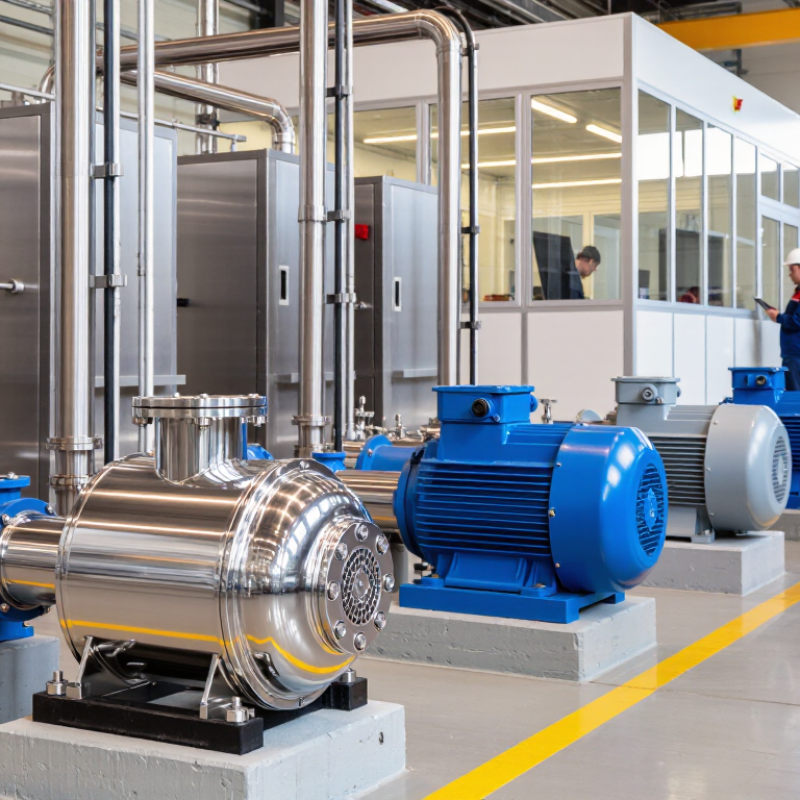
What Is a Centrate Pump and Where Is It Used?
A centrate pump transfers liquid separated during sludge dewatering. This liquid, called centrate, leaves a centrifuge or belt filter press. It usually contains high ammonia, soluble organics, and fine suspended solids. It may look watery, but it can be chemically aggressive and difficult to handle.
In wastewater plants, the pump moves centrate to an equalization tank, biological treatment process, or headworks. Some facilities send it to a sidestream ammonia treatment system. Pump selection depends on flow rate, solids content, viscosity, temperature, and pipe distance. Centrifugal pumps suit cleaner centrate with stable flow. Progressive cavity pumps can handle thicker liquid and changing solids levels. Operators should also check seal materials, corrosion resistance, NPSH, and dry-run protection. A neat calculation can still miss sudden sludge surges. Real operating data matters.
Tips: Keep the suction line short and flooded when possible. Install isolation valves and a flushing connection near the pump. Monitor pressure, vibration, motor load, and seal leakage. Clean sensors regularly, because centrate deposits can distort readings. Many failures begin with poor solids estimates. Review them after commissioning.
| Application or Selection Factor | What It Means | Typical Pump Consideration | Buyer Check |
|---|---|---|---|
| What is centrate? | Centrate is the liquid separated from sludge during centrifuge dewatering. It may contain suspended solids and dissolved nutrients such as nitrogen and phosphorus. | A centrate pump transfers this process liquid; it is not a distinct pump type. | Confirm the liquid’s solids content, temperature, chemistry, and flow variation with the treatment-plant operator. |
| Wastewater treatment plants | Centrate is commonly collected after sludge dewatering and routed back to treatment or to a designated process point. | A centrifugal pump may suit steady transfer where the liquid is reasonably free-flowing and the system head is known. | Check required flow, total dynamic head, suction conditions, and the effect of returning centrate on plant capacity. |
| Sludge-dewatering facilities | Flow can vary as dewatering equipment starts, stops, or changes operating rate. | Consider the operating range and whether level controls, a variable-speed drive, or a collection tank are needed. | Review minimum and maximum flow, starts per hour, control method, and the consequences of an overflow or shutdown. |
| Pump type: centrifugal | Uses a rotating impeller to move liquid and is widely used for water and wastewater transfer. | Often appropriate for relatively continuous flow; solids passage and hydraulic performance depend on pump design. | Request the pump curve and verify performance at the actual operating point, including any suspended solids. |
| Pump type: progressive cavity | A positive-displacement design that moves liquid through cavities formed by a rotor and stator. | May be considered when controlled, steady delivery is needed or the liquid has challenging consistency; suitability depends on the actual centrate. | Check dry-running protection, stator material compatibility, maintenance needs, and pressure-relief provisions. |
| Solids and blockage risk | Residual suspended solids can affect wear, clogging, and pump performance. | Select solids-handling features based on measured particle size and concentration rather than assuming centrate is clean water. | Ask for the allowable solids passage and inspect strainers, valves, and pipework for potential restriction points. |
| Materials and corrosion | Chemistry varies by process and may include constituents that affect wetted materials. | Wetted casing, impeller, rotor, stator, seals, and elastomers must be compatible with the liquid and cleaning chemicals. | Provide a process-fluid analysis and operating temperature before confirming material selection. |
| Installation and maintenance | Access, pipe layout, electrical supply, and maintenance capability influence reliable operation. | Allow for safe isolation, lifting and service access, suitable supports, and accessible wear components. | Confirm connection standards, motor and control requirements, documentation, spare-parts availability, and service arrangements. |
| Information for a manufacturer inquiry | A complete duty description helps suppliers propose a suitable pump rather than a generic model. | Share flow range, total dynamic head, liquid properties, solids data, operating schedule, and installation details. | Compare offers on the same duty point, materials, efficiency, scope of supply, warranty terms, and applicable standards. |
Selection note: Centrate composition and operating conditions differ between plants. Final pump selection should be based on site data and verified against the supplier’s performance information.
It transfers liquid separated during sludge dewatering. The liquid usually leaves a centrifuge or belt filter press.
A pump may send centrate to an equalization tank, biological process, headworks, or ammonia treatment system.
Centrate may contain ammonia, soluble organics, fine solids, fibers, grit, and changing viscosity. It can look harmless.
A centrifugal pump often suits stable, high-flow service. Open or vortex impellers can reduce clogging.
It handles thicker liquid and changing solids levels. Its gentle action supports accurate flow control.
Check flow, head, temperature, pH, solids, viscosity, pipe distance, and operating hours. Actual test data matters.
Keep suction piping short and flooded when possible. Add isolation valves and a flushing connection.
Poorly arranged elbows, undersized suction lines, and trapped air can cause cavitation or unstable operation.
Materials must match temperature, pH, abrasion, and chemical exposure. Suitable seals and corrosion-resistant components can extend service life.
Request duty-based performance curves, test records, drawings, material certificates, tolerances, and spare-parts details.
Inspect machining areas, assembly spaces, quality controls, and spare-parts storage. An independent audit is stronger than a brochure.
Confirm vibration limits, motor efficiency, seal type, warranty terms, delivery duties, controls, and corrosion protection in writing.
It can reveal capacity, vibration, leakage, or assembly problems before shipment. A comparable liquid trial gives stronger evidence.
A Centrate Pump is designed to transfer centrate, the liquid separated during sludge dewatering and other wastewater treatment processes. It is commonly used in municipal wastewater plants, industrial treatment facilities, anaerobic digestion systems, and sludge management operations. Because centrate may contain suspended solids, chemicals, and varying concentrations of organic matter, the pump must provide reliable flow, resistance to corrosion, and stable performance under demanding conditions. Understanding how the pump operates within pipelines, tanks, filtration units, and return-treatment systems is essential for selecting the right configuration.
Common designs include centrifugal, progressive cavity, and other specialized pump types, each offering different advantages in flow control, solids handling, maintenance, and energy efficiency. When evaluating Chinese Centrate Pump manufacturers, global buyers should review production capability, material quality, engineering experience, testing procedures, customization options, certifications, and after-sales support. Before sourcing, buyers should also confirm operating parameters, installation requirements, spare-parts availability, delivery terms, inspection standards, and long-term service capacity to ensure dependable performance and value.

 Zhangqiu