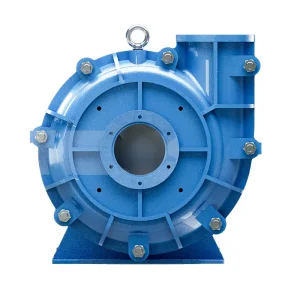
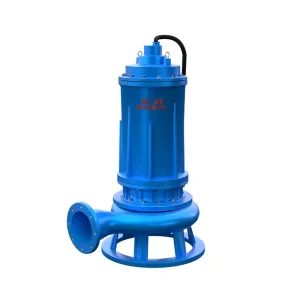
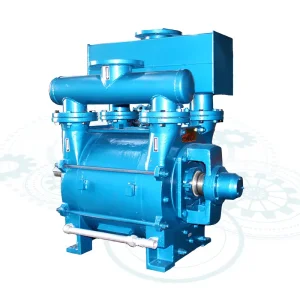
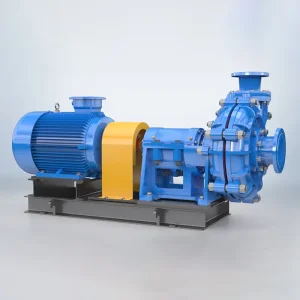
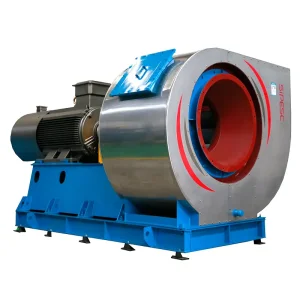
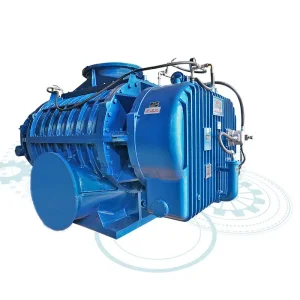
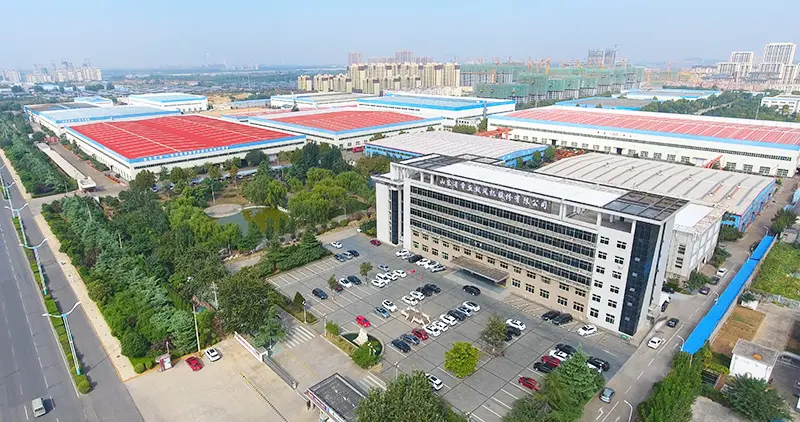
Explore our flagship heavy-duty wear-resistant industrial slurry pumps and aeration blowers engineered for minimum downtime.
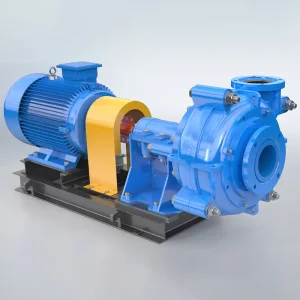
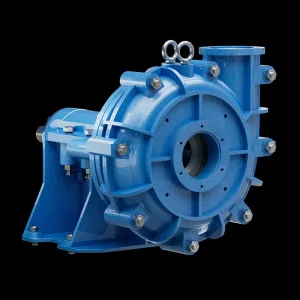
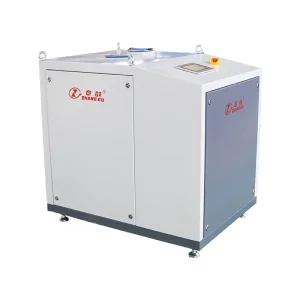
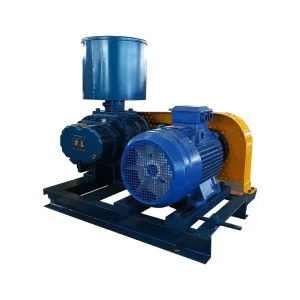
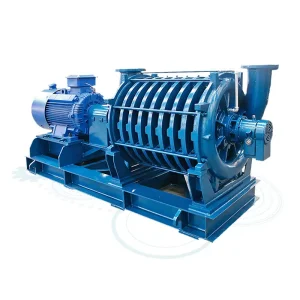
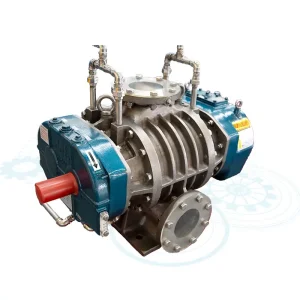
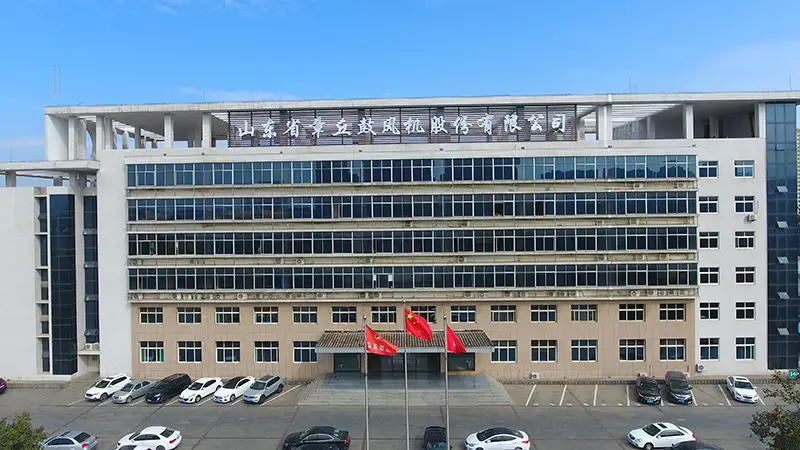
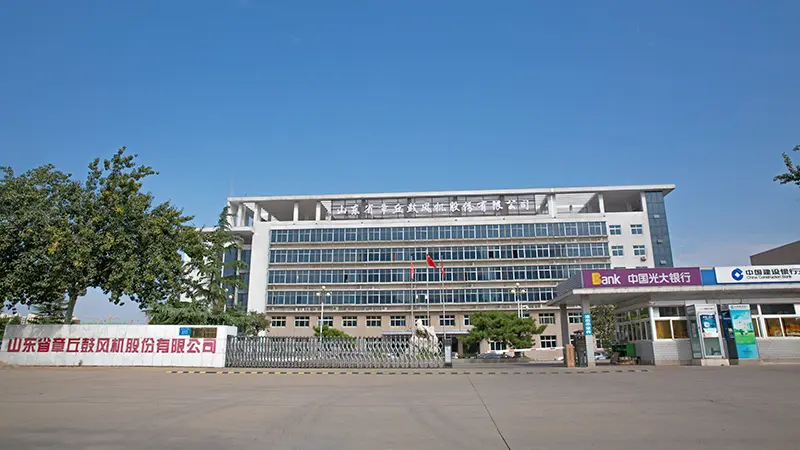
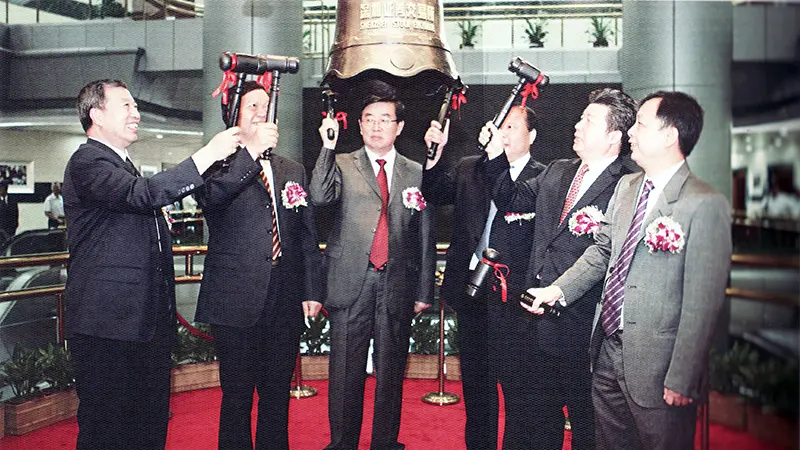
Shandong Zhangqiu Blower Co., Ltd. (ZCBC) is a publicly listed industry leader, setting standards in global fluid machinery.
ZhangGu is the executive director unit of the China General Machinery Industry Association and the vice president unit of the Fan Branch. As the primary drafting entity of Chinese National Standards for industrial pumps and blowers, we possess unmatched engineering authority. We have set up two Sino-Japanese Joint-ventures and one USA branch, becoming the first company in the Chinese blower industry to establish an overseas base.
Equipped with 69 authorized patents (including 5 invention patents) and 2 software copyrights, ZCBC possesses proprietary technologies including: countercurrent cooling, fan noise reduction, fan anti-sticky wear, two-stage tandem configuration, special dynamic sealing, grease lubrication, and computer-optimized twisted-leaf impellers.
In highly demanding industrial applications—such as mining processing, coal preparation, flue gas desulfurization (FGD), and chemical processing—slurry pumps are subjected to extreme synergistic degradation mechanisms. These mechanisms consist of mechanical abrasion and chemical corrosion operating simultaneously. Traditional high-chromium iron alloys and rubber-lined components suffer rapid failure under these conditions, leading to substantial downtime and high operating expenditures (OPEX).
The development of Specialized Ceramic Slurry Pumps represents a paradigm shift. Structural ceramics such as Silicon Carbide (SiC, SiSiC) and Alumina (Al₂O₃) feature extreme crystalline hardness (typically 9 to 9.5 on the Mohs scale, compared to only 5 to 6 for hardened metals). This hardness provides superior protection against sliding abrasion and high-velocity particle impingement. Additionally, structural ceramics are chemically inert, offering resistance to strong acids (pH < 2) and highly alkaline solutions (pH > 12) where metals dissolve rapidly.
The wear resistance of ceramic components is directly related to the fabrication process of the structural ceramic matrix. ZCBC’s specialized ceramic slurry pump components utilize Reaction-Bonded Silicon Carbide (SiSiC) and Sintered Silicon Carbide (SSiC). This material is formed by infiltration casting or dry pressing, followed by high-temperature sintering, resulting in a pore-free, highly dense composite structure.
Key material advantages of our Ceramic Pump wet-end components include:
Under identical service conditions (Medium-grade copper tailings slurry, 35% solid concentration, d50 particle size of 150 microns, pH 4.5):
Global procurement teams in mining and processing industries focus on optimizing the Total Cost of Ownership (TCO). Procurement decisions depend on key engineering indicators, including: shaft seal reliability, ease of wet-end replacement, motor transmission efficiency, and hydraulic performance curves.
To support global supply chains, industrial equipment suppliers must provide detailed 3D CAD/BIM drawings within 24 hours of inquiry, material test certifications, and dynamic balancing reports. ZCBC addresses these requirements by maintaining dedicated global service nodes and engineering teams, delivering tailored answers for projects in Australia, the Americas, Europe, and Africa.
Industrial processing operations require integrated fluid systems. Slurry handling is typically connected to wastewater treatment, pneumatic conveying of dry reagents, and chemical recovery systems. ZCBC offers comprehensive systems-level engineering support:
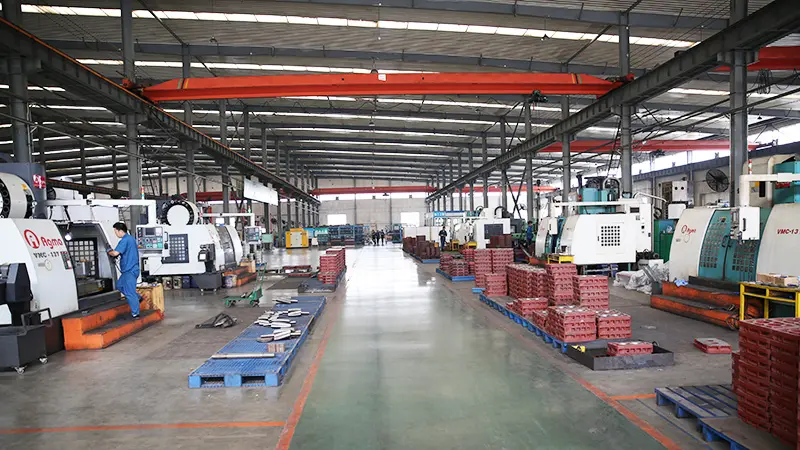
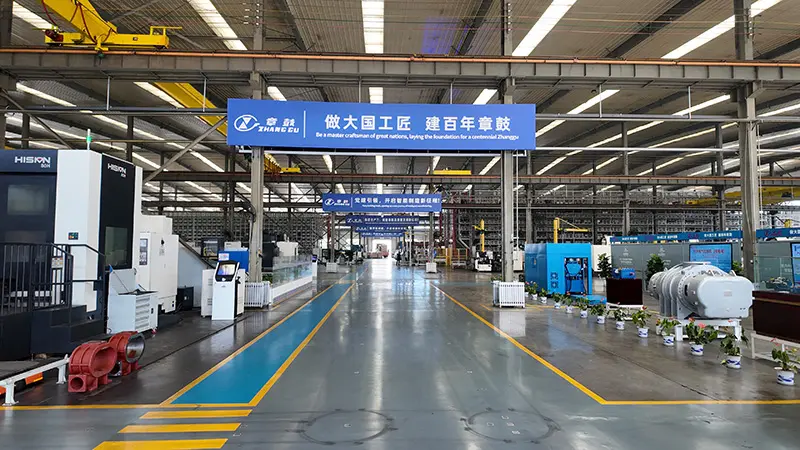
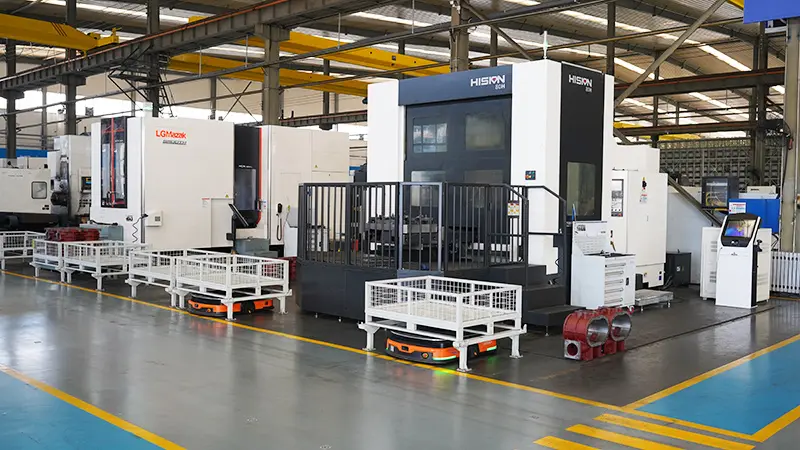
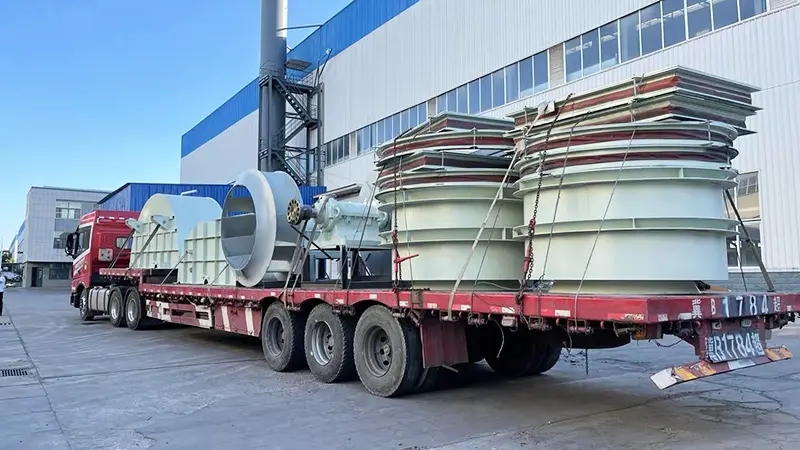
Our state-of-the-art manufacturing facilities include CNC machining centers, five-axis machining centers, three-coordinate measuring machines, CNC grinding machines, and ultrasonic flaw detection systems imported from Japan and Germany. These technologies ensure precise dimensions for our ceramic components.
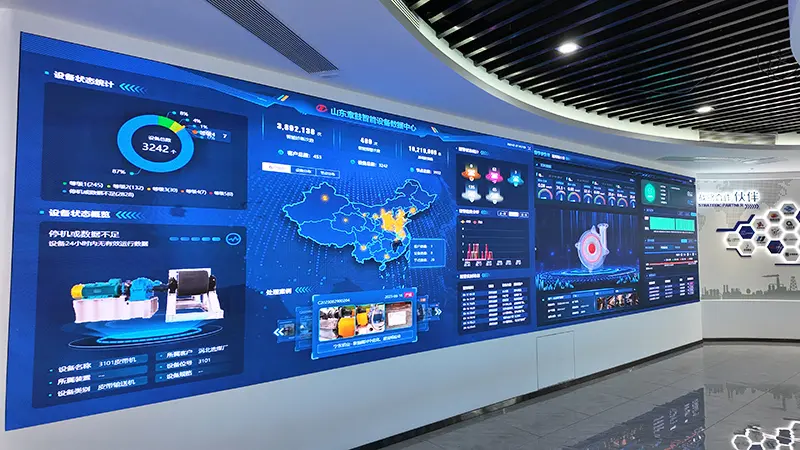
ZCBC uses Product Lifecycle Management (PLM), Computer-Aided Manufacturing (CAM), Computer-Aided Process Planning (CAPP), and Computer-Aided Testing (CAT) systems. These design tools reduce engineering cycles and verify that every pump matches its specified performance curve before shipment.
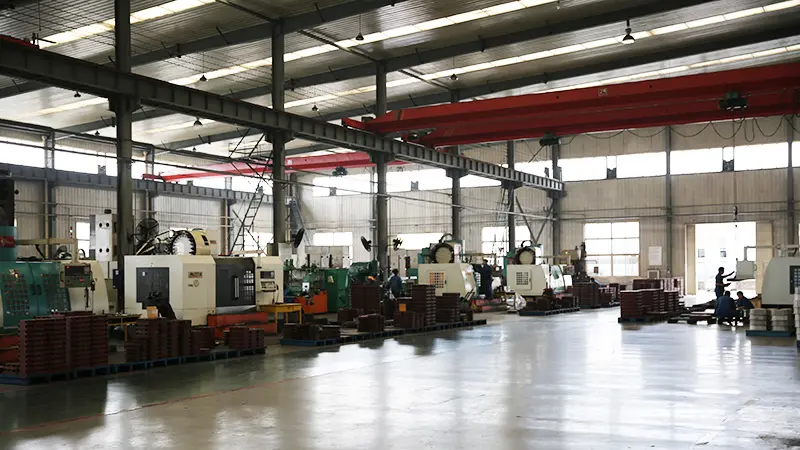
Our quality control processes comply with international safety, environmental, and engineering standards.
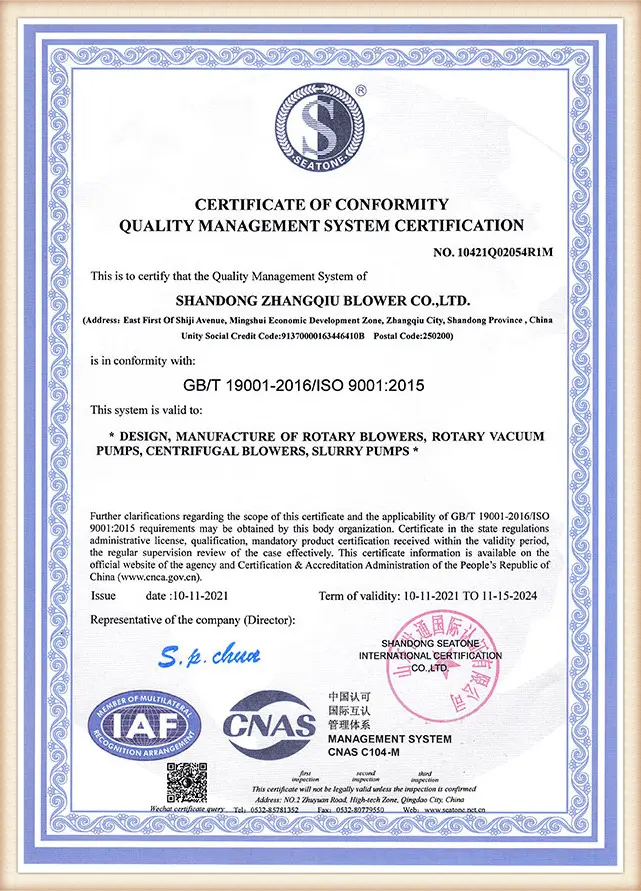
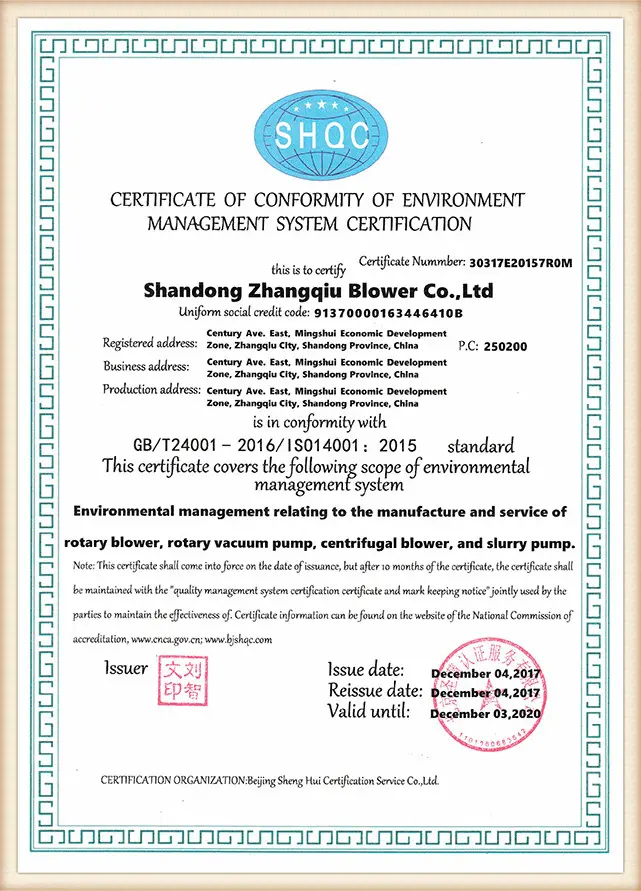
Standards Compliance: Our manufacturing operations conform to ISO9001 (Quality Management), ISO14001 (Environmental Management), ISO50001 (Energy Management), and ISO10012 (Measurement Management) standards. For hazardous environments, our products carry the Safety Mark for Mining Products and CE certification.
R&D Alliances: ZCBC operates an on-site postgraduate workstation and maintains research partnerships with Tsinghua University, Xi'an Jiaotong University, China University of Mining and Technology, and Shandong University. This academic support enables ongoing optimization of our hydraulic models and ceramic formulations.
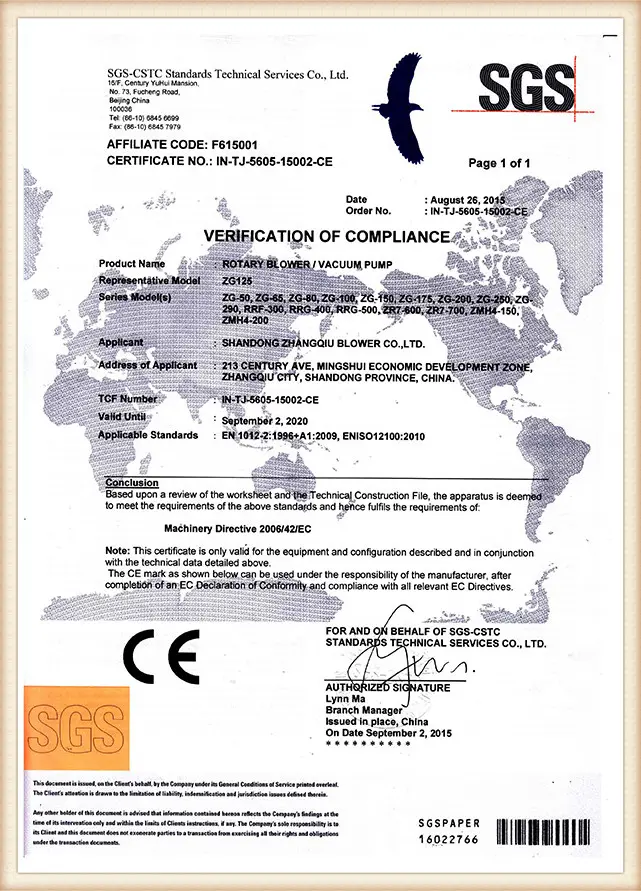
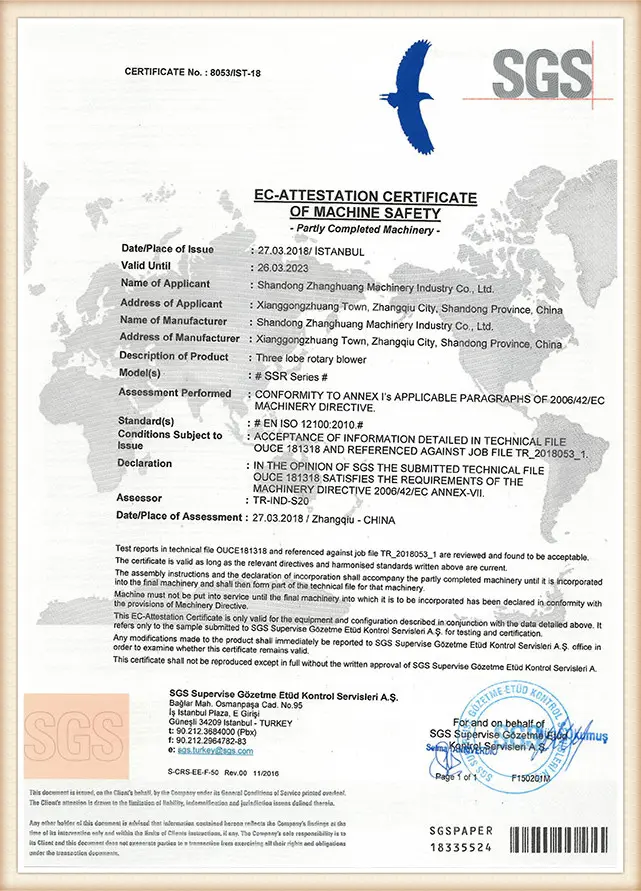
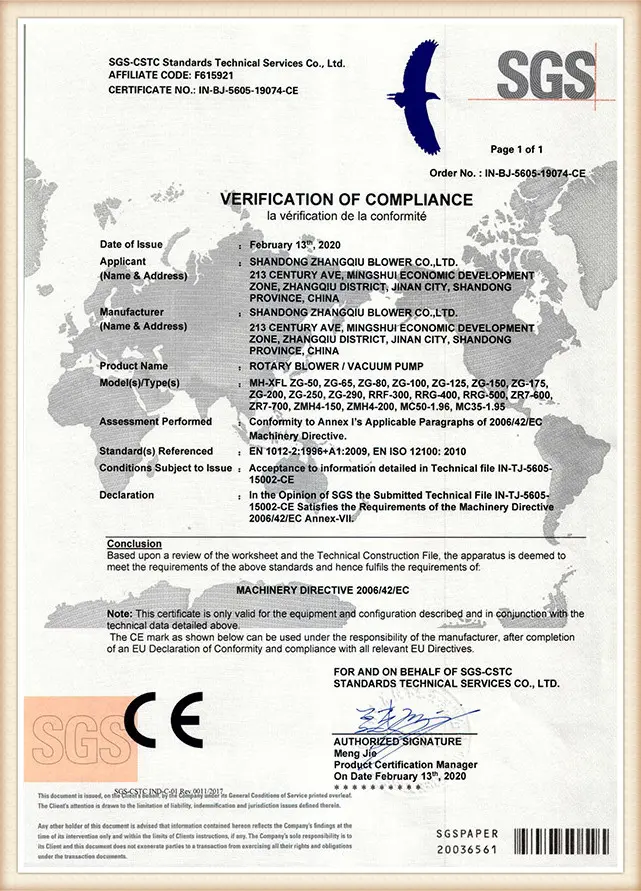

Expert answers to common engineering, installation, and operation queries from plant operators and B2B buyers.
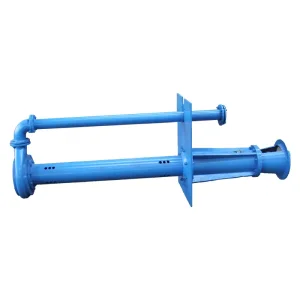
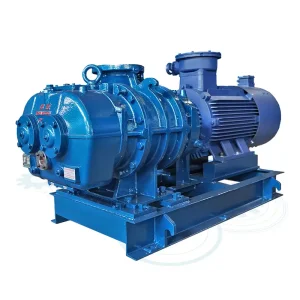
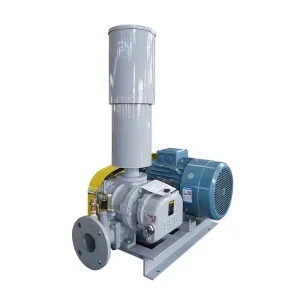
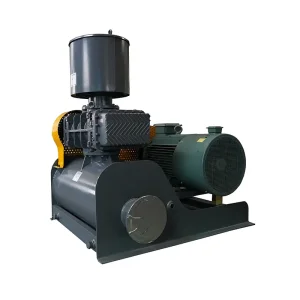
Explore our complete range of water ring vacuum pumps, vertical sumps, roots blowers, and high-efficiency centrifugal fans.
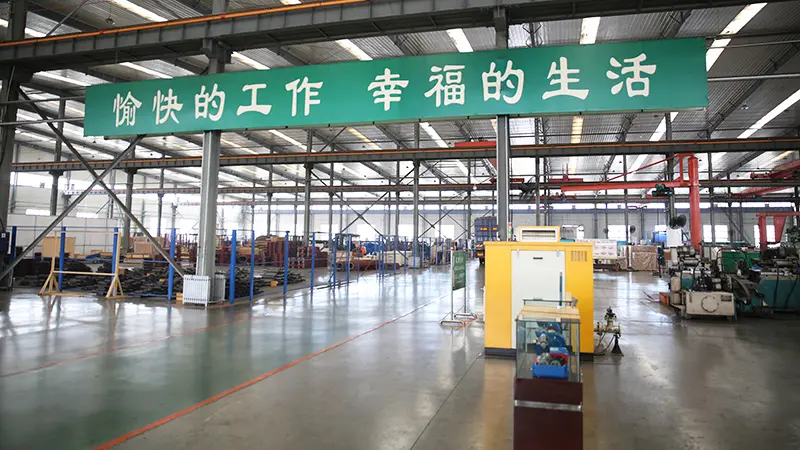
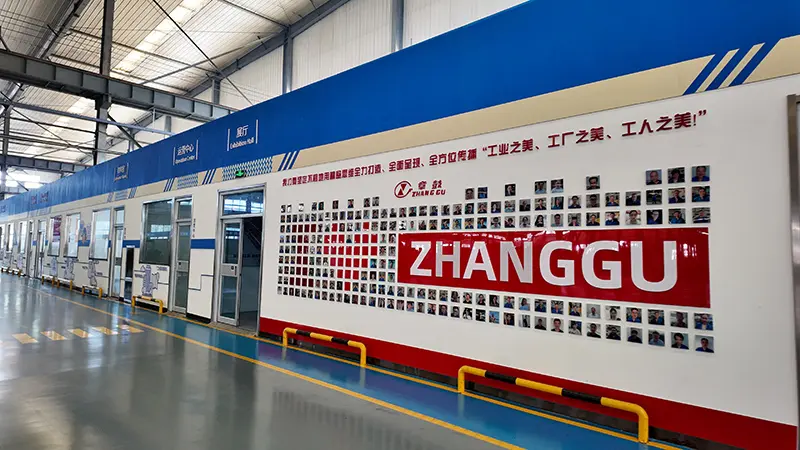
Corporate culture represents the foundation of a large-scale manufacturing enterprise. Our guiding strategy, formulated by our leadership team, is: "Develop main business, pioneer new fields and innovate, cooperate to be a great company", paired with our primary working concept: "Do the best."
At ZCBC, we prioritize human capital and intellectual growth. We maintain a respectful working environment that supports research and encourages professional development. This focus on engineering excellence allows us to deliver high-quality products and support for industrial fluid systems worldwide.

 Zhangqiu