What are the Best Incinerator Fans for Efficient Waste Management?

Time:2026-07-11 Author:Ethan
0%

Efficient waste management is crucial in today’s environmentally conscious world. An incinerator fan plays a vital role in this process. These fans aid combustion by ensuring adequate air supply, leading to better energy recovery.

Choosing the right incinerator fan requires careful consideration. Different models and specifications exist, each influencing performance. Factors like airflow, noise levels, and installation requirements can vary significantly.

While many fans promise high efficiency, not every option is suitable for every situation. It's essential to assess the specific needs of your waste management system. This includes understanding the types of waste being incinerated. One should also reflect on potential operational challenges that might arise with fan selection.
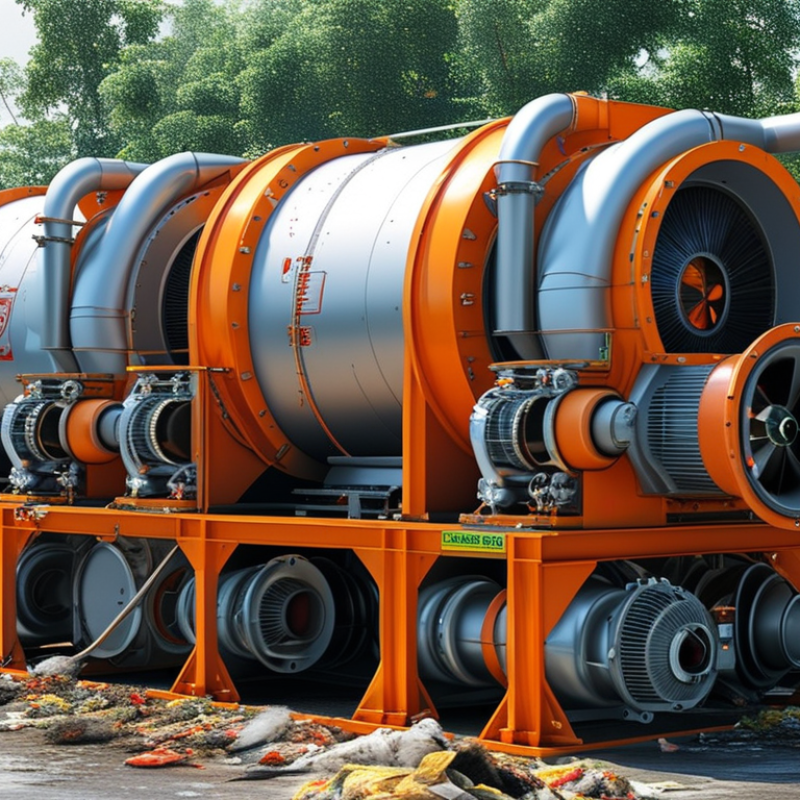
What are the Best Incinerator Fans for Efficient Waste Management?

Types of Incinerator Fans Used in Waste Management Systems

In waste management systems, incinerator fans play a crucial role. They facilitate efficient combustion by ensuring optimal airflow in incinerators. Different types of fans are used, each tailored for specific needs. Centrifugal fans are often preferred for their robust performance. They can handle high temperatures and corrosive gases, making them ideal for incineration processes. According to industry reports, these fans effectively enhance combustion efficiency by up to 30%.

Axial fans are another option. They provide a high volume of airflow at low pressure. This makes them suitable for larger incinerators where maintaining airflow is vital. However, they can be less effective in high-resistance systems. A notable study indicated that improper fan selection can lead to reduced energy efficiency, potentially increasing operational costs.

Reflecting on the choices available helps improve overall waste management practices and reduces environmental impact.

Each type of fan has its pros and cons. Operators must evaluate the specific requirements of their waste management systems. The right design can optimize performance but may also require regular maintenance. Neglecting this can result in fan inefficiencies over time. Understanding these nuances is key to fostering a more sustainable approach in waste treatment processes.

Key Features to Look for in Efficient Incinerator Fans

When selecting incinerator fans for effective waste management, several key features should be prioritized. Efficiency is paramount. A report by the Environmental Protection Agency highlights that efficient combustion reduces toxic emissions by up to 25%. Look for fans that offer adjustable airflow control. This feature allows for optimal combustion conditions, contributing to overall waste reduction.

Material durability is another critical aspect. Fans constructed from corrosion-resistant materials ensure longevity and lower maintenance costs. Industry data indicates that well-fabricated fans can last up to 20% longer than those using inferior materials. However, it's essential to recognize that even the best fans can face challenges. Regular inspections are necessary to avoid performance dips.

Another crucial feature is noise level. High-decibel fans can contribute to environmental noise pollution. Selecting models designed for quieter operation not only enhances comfort but can also comply with local regulations. This balance between power and noise reduction is often overlooked in design discussions. Additionally, consider energy efficiency ratings. Fans with better ratings consume less energy, promoting sustainable waste management practices.

Top Brands and Models of Incinerator Fans in the Market

When choosing the best incinerator fans for efficient waste management, several factors need consideration. High-quality fans enhance combustion efficiency, distributing air uniformly in the chamber. This results in more effective disposal of waste. Choosing a fan that matches the capacity of your incinerator is crucial. Oversized fans can create turbulence, while undersized ones may not provide enough airflow.

Several brands stand out in the market for their innovation and reliability. Some models are recognized for their durable materials, which resist corrosion. This feature extends the fan's lifespan, reducing maintenance costs. Ease of installation is another vital aspect. A clear installation guide can save time and frustrations.

However, some customers report issues with noise levels. A fan that is too loud can hinder operational efficiency, impacting work environments. It's worth noting that while some models appear to be cost-effective, they may lack long-term performance. Consumer reviews often reflect these discrepancies. Investing time in researching user feedback can offer valuable insights. A little caution goes a long way in selecting the right tools for waste management.

What are the Best Incinerator Fans for Efficient Waste Management?

Model Airflow (CFM) Power (W) Noise Level (dB) Efficiency Rating
Model A 1200 150 60 A+
Model B 1100 140 65 A
Model C 1500 180 55 A++
Model D 1300 165 70 B+

Maintenance Practices for Longevity of Incinerator Fans

Proper maintenance of incinerator fans is crucial for optimal performance and longevity. Regular inspections can catch small issues before they escalate. Look for unusual noises or vibrations. These may indicate a problem that needs addressing. Cleaning is also essential. Dust and debris can accumulate, impacting efficiency. A clean fan runs smoother and lasts longer.

Lubrication is another important aspect. Use the recommended lubricant to minimize friction. Over time, bearings can wear down without proper care. Monitor the condition of the fan blades as well. Any signs of corrosion or wear should prompt immediate action. Replace damaged parts quickly to avoid larger malfunctions.

Training staff on maintenance best practices is vital. Knowledgeable personnel can identify issues early. Proper documentation of inspections and repairs builds a reliable maintenance history. Reflection on past experiences can reveal patterns that help improve future performance. Implementing a structured maintenance schedule can significantly enhance the durability of incinerator fans.

Environmental Regulations Impacting Incinerator Fan Selection

The selection of incinerator fans is heavily influenced by environmental regulations. These regulations vary by region but generally aim to minimize emissions and promote sustainable waste management practices. According to the U.S. Environmental Protection Agency (EPA), stringent regulations have been enacted to limit pollutants such as dioxins and furans from incinerators. These pollutants can have serious health implications, thus selecting the right fan system is critical to compliance.

When choosing incinerator fans, considerations include airflow, pressure, and durability. A report from the International Energy Agency suggests that optimizing fan systems can improve efficiency by up to 30%. This not only aids in meeting regulations but also reduces operational costs. However, many facilities still struggle with outdated systems that do not align with current environmental standards.

Tip: Regularly audit your fan systems to ensure they meet regulatory demands. Keeping current with updates in environmental regulations can help you avoid fines or operational disruptions.

Furthermore, understanding the specific requirements of your local regulations can be challenging. Regulations often change, and many facilities do not adapt quickly. Utilizing specialized engineering services can guide compliance and improve performance. Investing in training for staff about these regulations can enhance overall operational knowledge.

FAQS

: What is the main role of incinerator fans in waste management systems?

: Incinerator fans ensure optimal airflow. They enhance combustion efficiency in incinerators.

What are the two common types of incinerator fans?

Centrifugal fans and axial fans are common. Each type serves different airflow needs.

Why are centrifugal fans often preferred in incineration processes?

They handle high temperatures and corrosive gases well. This makes them efficient for combustion processes.

What should operators consider when selecting an incinerator fan?

They need to evaluate airflow, pressure, and compatibility with the incinerator size.

What impact do environmental regulations have on fan selection?

Regulations limit emissions and promote sustainable practices. Compliance can influence fan system efficiency.

What can happen if a fan is oversized or undersized?

Oversized fans create turbulence, while undersized ones may not provide sufficient airflow. Both can hinder performance.

How can neglecting maintenance affect incinerator fans?

It can lead to inefficiencies over time. Regular checks are vital for optimal operation.

What should users know about noise levels of incinerator fans?

High noise levels can disrupt work environments. Consideration for noise should be part of the selection process.

How can regular audits help waste management facilities?

They ensure fan systems meet regulatory demands. Keeping updated can prevent fines and process interruptions.

What is a common challenge facilities face regarding regulations?

Many struggle to adapt to changing regulations quickly. Using engineering services can aid compliance efforts.

Conclusion

The article explores the critical role of the Incinerator Fan in waste management systems, highlighting various types used in the industry. It discusses essential features that ensure the efficiency and effectiveness of these fans, such as airflow capacity, durability, and energy consumption. Moreover, it reviews maintenance practices that contribute to the longevity of Incinerator Fans, emphasizing the importance of regular inspections and upkeep to prevent operational failures.

Furthermore, the article addresses the environmental regulations that influence the selection of Incinerator Fans, ensuring compliance with standards that minimize environmental impact. Understanding these aspects is crucial for anyone involved in waste management as it leads to more efficient and sustainable waste disposal practices.


Ethan

Ethan

Ethan is a seasoned marketing professional with a deep expertise in our company's innovative product line. With a passion for sharing knowledge and insights, he takes the lead in regularly updating our corporate blog, where he explores industry trends, product features, and effective marketing......