In the industrial landscape, the importance of selecting the right equipment is paramount. Roots Blowers are critical in various applications, from wastewater treatment to pneumatic conveying. A recent report from the Industrial Equipment Association highlighted that the global market for Roots Blowers is expected to grow at a CAGR of 4.5% through 2025. This growth underscores the essential role of these devices in enhancing operational efficiency.
Experts in the field emphasize the significance of choosing the right Roots Blower model. Dr. Alan Peterson, a renowned authority in industrial blowers, once stated, "Selecting the ideal Roots Blower requires a clear understanding of system requirements." This statement resonates deeply within industries reliant on these machines. Proper selection can lead to substantial energy savings and improved process reliability.
However, challenges remain in the market. Many companies struggle to identify the most suitable option for their specific needs. With advancements in technology, the options can be overwhelming. It's crucial for businesses to engage with experts and conduct thorough assessments. While the data is promising, understanding individual operational demands is key to harnessing the true potential of Roots Blowers.
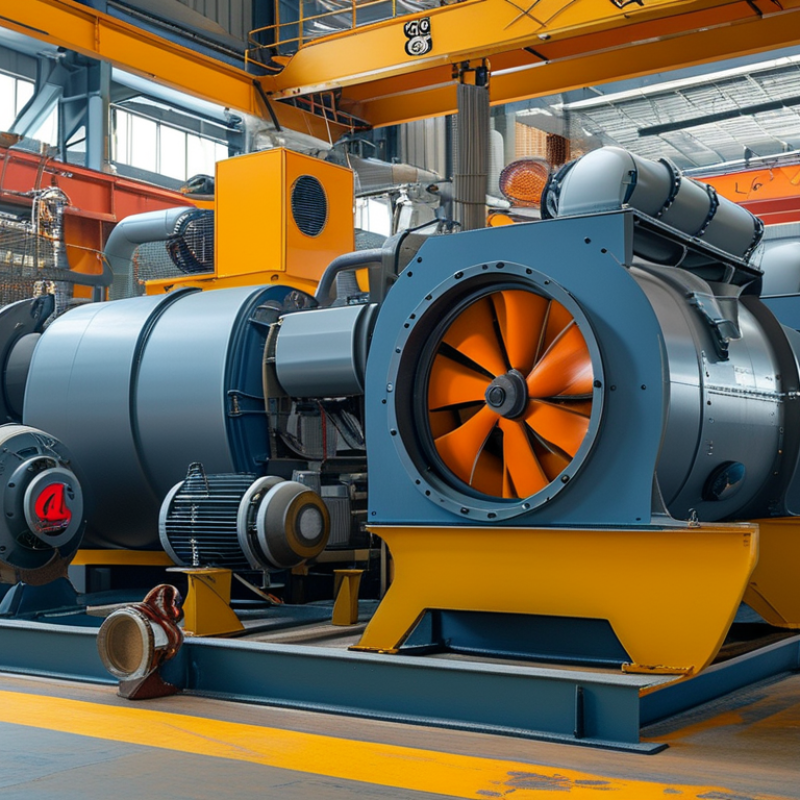
Roots blowers play a crucial role in various industrial applications, providing reliable air and gas delivery. These positive displacement machines operate on a simple principle: two rotors rotate in opposite directions, trapping and moving air or gas in a continuous flow. Their efficiency makes them ideal for processes like wastewater treatment, pneumatic conveying, and packaging.
In industrial settings, roots blowers must withstand harsh conditions. They face high temperatures and abrasive materials in many applications. Regular maintenance is vital to ensure optimal performance and avoid costly downtime. Some users may overlook it, believing their equipment can't fail. This mindset can lead to unexpected breakdowns and financial losses. Keeping an eye on performance metrics can provide early warnings of potential issues.
When selecting a roots blower, consider factors like capacity, pressure requirements, and noise levels. Each application has specific needs that must be addressed. It's essential to have a solid understanding of your process to make the right choice. Many companies struggle with this, often opting for a one-size-fits-all approach. Taking the time to analyze requirements will lead to better outcomes and improved efficiency in industrial operations.
| Model | Flow Rate (CFM) | Pressure Range (PSI) | Power (HP) | Applications |
|---|---|---|---|---|
| Model A | 500 | 2-10 | 30 | Wastewater Treatment |
| Model B | 750 | 5-15 | 50 | Pneumatic Conveying |
| Model C | 1000 | 10-20 | 75 | HVAC Systems |
| Model D | 1250 | 15-25 | 100 | Chemical Processing |
| Model E | 1500 | 20-30 | 125 | Food Processing |
: Roots blowers deliver air and gas in processes like wastewater treatment and pneumatic conveying. They are reliable machines.
They have two rotors that rotate in opposite directions, trapping and moving air continuously. This design ensures efficiency.
Regular maintenance prevents unexpected breakdowns. About 70% of failures are due to inadequate maintenance, leading to costly downtime.
It's essential to check temperature and vibration levels often. Increased levels can signal impending failure, prompting early action.
Routine cleanings are recommended, as they remove dust and debris. This significantly improves airflow and boosts energy efficiency.
Quality lubricants will reduce wear and enhance efficiency. Changing oil every 1,000 hours is crucial for maintaining peak performance.
Yes, neglecting to monitor metrics can lead to unforeseen issues and financial losses. Regular assessments lead to better management.
Leaks can severely reduce a blower's efficiency. Tightening all connections is crucial to maintaining optimal airflow and pressure.
A thorough analysis can lead to better performance and efficiency, avoiding a one-size-fits-all approach. This requires time and effort.
Ignoring maintenance suggestions can lead to failures, increased energy costs, and shorter equipment lifespans. Reflect on your maintenance habits.
Roots blowers play a crucial role in various industrial applications, providing efficient and reliable air movement. When selecting a Roots blower, it's essential to consider key features such as flow rate, pressure capabilities, and noise levels to ensure optimal performance for specific industrial needs. Understanding the different types of Roots blowers and their uses can greatly influence operational efficiency.
Additionally, maintenance practices are vital for sustaining the performance of Roots blowers. Regular inspections and adhering to manufacturer guidelines can prevent breakdowns and enhance longevity. By integrating these considerations, industries can select the best Roots blower options that meet their requirements for efficient air handling and system performance.

 Zhangqiu