A Cement Plant Pump is a critical machine for moving abrasive slurries, cement paste, water, and process materials through demanding production systems. Unlike ordinary industrial pumps, it must tolerate dense particles, high pressure, vibration, and continuous operation. Inside the plant, it may transfer limestone slurry, feed material to a spray dryer, or move cement through storage and loading lines. The exact duty depends on the plant design.
Dr. Karen Scrivener, a respected cement researcher, has said, “Cement is the most widely used manufactured material in the world.” That scale explains why reliable pumping equipment matters. A small flow problem can interrupt batching, increase energy use, or leave hardened material inside a pipeline. Not ideal.
This article will explain what a Cement Plant Pump is, how its motor, impeller, casing, seals, and pipeline work together, and why pump selection cannot rely on flow rate alone. Operators must examine slurry density, particle size, temperature, pressure, corrosion, and wear. A pump moving thin process water behaves very differently from one handling thick cement slurry. The difference is visible at the discharge line: one produces a steady stream, while the other may pulse, settle, or overload the motor.
Maintenance experience also changes the picture. Checking vibration, seal leakage, bearing temperature, and pressure readings can reveal trouble before failure occurs. Still, no pump is maintenance-proof. That is an important limitation. With accurate sizing, suitable materials, and disciplined inspection, a Cement Plant Pump can support safer, steadier, and more efficient cement production.
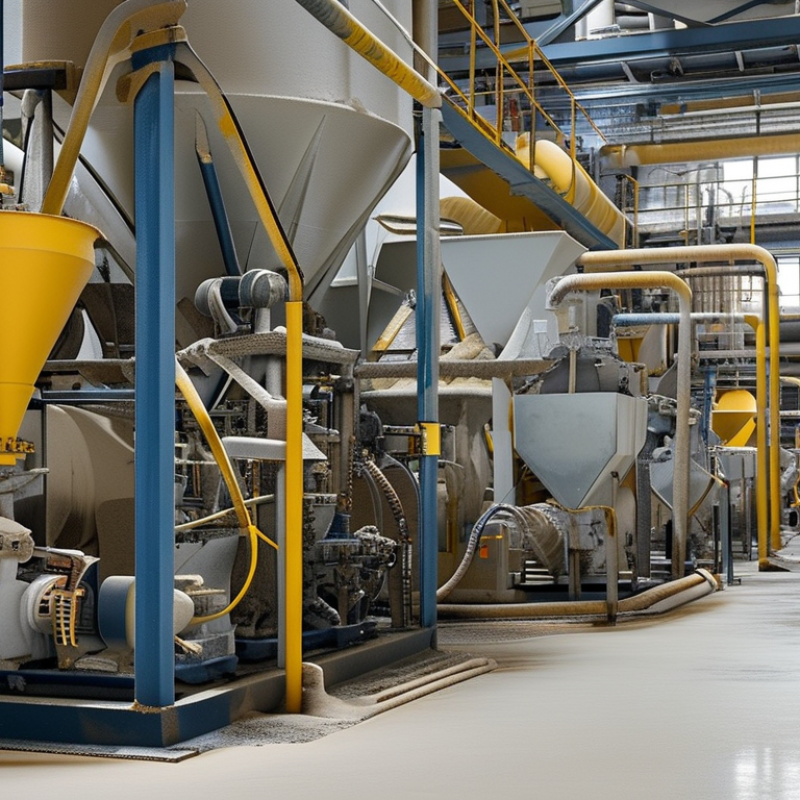
A cement plant pump is an industrial machine that moves water, slurry, chemicals, lubricants, or other process fluids. It supports production from raw-material preparation to clinker cooling and cement grinding. Unlike ordinary water pumps, it must tolerate abrasive particles, high temperatures, pressure changes, and continuous operation. Small design errors can become costly downtime.
The pump’s purpose is controlled transfer. It feeds water into slurry systems, circulates cooling water, injects additives, and removes wastewater from selected process areas. Some systems also use pneumatic equipment to move dry cement powder, because dry powder is usually transported by air rather than a conventional liquid pump. In daily plant operation, technicians check vibration, seal leakage, flow rate, and motor temperature. These details reveal problems early, although inspection routines are sometimes too optimistic.
Centrifugal slurry pumps handle fluids containing sand, limestone, or other suspended solids. Their rotating impeller creates flow, while wear-resistant parts protect the casing. Positive displacement pumps, including screw pumps, move thicker mixtures at a steady rate. Diaphragm dosing pumps deliver small and accurate quantities of chemicals or additives. Peristaltic pumps can handle abrasive fluids because the product touches mainly the flexible hose. Each type has limits. A pump selected only by flow rate may fail quickly when particle size, viscosity, or temperature changes. Experienced engineers therefore compare process data, maintenance records, and actual site conditions before choosing equipment.
A cement plant pump is built to move difficult materials through demanding production stages. Its job changes with the material: thick slurry, dry powder, and process water each require different handling methods. Slurry pumps use rotating impellers to create pressure and maintain flow. Their wetted parts must resist abrasion from limestone, clinker dust, and other suspended solids.
Powder requires a different approach. Pneumatic conveying systems use air pressure or vacuum to push fine cement through sealed pipelines. A rotary valve meters the powder, while an air compressor keeps the material moving without open handling. Water pumps serve cooling circuits, cleaning systems, dust suppression, and mixing operations. Operators monitor pressure, flow rate, vibration, and motor temperature during each shift. Small changes can reveal a blocked line or worn seal.
Field experience shows that pump selection is rarely based on flow alone. Pipe length, elevation, particle size, moisture, and operating temperature all affect performance. I once underestimated how quickly abrasive slurry could damage an elbow near a discharge point. That mistake changed our inspection routine. Still, no pump operates perfectly. Air leaks, unstable feed, and poor maintenance can reduce efficiency. A reliable system needs correct sizing, gradual valve control, regular wear checks, and accurate operating records.
What Is a Cement Plant Pump and How Does It Work?
A cement plant pump moves water, slurry, oil, or abrasive process fluids through demanding production lines. Its casing contains pressure, while the impeller or rotor transfers mechanical energy into fluid flow. The shaft connects this rotating element to an electric motor. Bearings keep rotation aligned, and a mechanical seal limits leakage around the shaft. Suction and discharge nozzles guide the fluid between process stages. Many units also use replaceable wear liners, especially when slurry carries sand, clinker dust, or mineral particles. Small sensors monitor pressure, temperature, vibration, and motor load.
The details matter. A worn bearing can increase vibration before operators notice reduced output. Excessive seal friction can also waste power. The U.S. Department of Energy’s Improving Pumping System Performance report states that pumping systems may represent 25–50% of industrial electricity use. That figure makes correct sizing more important than simply selecting a larger motor. The International Energy Agency reports that cement production remains highly energy intensive, with thermal and electrical efficiency both affecting emissions. In the field, I would check the suction line first. Air pockets, blocked strainers, or poor alignment can defeat a well-designed pump. The diagram looks simple. Real plants are not. A practical inspection should compare design flow with pressure readings, vibration trends, and actual material density, because the original operating assumptions may no longer be reliable.
A cement plant pump moves cement slurry, mortar, or concrete from intake to the delivery point. The process starts at the receiving hopper. Material drops into the hopper, where an agitator limits settlement and keeps the mix workable. A grate removes oversized pieces before the pumping chamber accepts the material.
Inside the chamber, hydraulic cylinders drive a piston forward and backward. One stroke draws material inward. The next stroke pushes it through an outlet valve and delivery line. This cycle creates a steady flow toward a silo, mixer, batching system, or construction zone. A properly selected pipe diameter reduces pressure loss. Excessive pressure can increase wear, heat, and blockage risk. The American Concrete Institute’s pumping guidance emphasizes mix consistency, line layout, and controlled placement. These details matter more than raw pump power.
Tips: Check the hopper level, material slump, and line joints during operation. Prime the pipeline before full production. Clean it immediately after shutdown. The Global Cement and Concrete Association reports that the industry produces about 14 billion cubic metres of concrete annually. That scale makes reliable transfer equipment essential. Still, no pump performs perfectly. Moisture changes, poor feeding, or an overlooked valve can interrupt delivery. Operators should record pressure, cycle rate, and cleaning results. Small records often reveal bigger maintenance problems.
A cement plant pump moves abrasive slurry, process water, and additives through pipes, hoppers, and filtration systems. Its impeller or piston creates pressure, while valves control direction and flow. In real operation, cement particles settle quickly. A small blockage can raise motor load within minutes. Operators should track flow rate, discharge pressure, vibration, temperature, and motor current. These figures reveal performance changes before a visible failure occurs.
Maintenance must focus on wear parts, seals, bearings, valves, and pipe bends. Inspecting only the motor is a common mistake. The International Energy Agency reported that cement production reached about 4.1 billion tonnes in 2022, with the sector producing roughly 2.3 billion tonnes of direct CO2 emissions. This scale makes pump efficiency important, even when one pump seems minor. Lower friction, correct impeller clearance, and stable suction conditions can reduce wasted energy. However, maintenance intervals should reflect actual slurry conditions, not a calendar alone.
Tips: Flush lines before shutdown when the process allows it. Check pressure gauges against a calibrated reference. Lock out power before opening guards or cleaning blockages. Keep hands away from rotating parts. Use dust control and suitable respiratory protection near dry cement. A clean checklist still cannot predict every blockage. That limitation deserves attention. Record unusual noise, seal leakage, and sudden amperage changes; small clues often become valuable maintenance evidence.
It is an industrial machine for moving water, slurry, chemicals, lubricants, and process fluids. It operates through many production stages.
It feeds water into slurry systems, circulates cooling water, injects additives, and removes wastewater. Controlled transfer is its main purpose.
Usually, no. Cement slurry may contain abrasive particles, so suitable wear-resistant parts are necessary.
A centrifugal slurry pump is commonly used. Its rotating impeller creates flow, while reinforced parts resist abrasion.
They suit thicker mixtures requiring steady movement. Screw pumps are one example. However, viscosity changes can affect performance.
A diaphragm dosing pump delivers small, controlled amounts of additives or chemicals. Accuracy depends on stable operating conditions.
Flow rate alone is not enough. Particle size, viscosity, temperature, pressure, and suction conditions also matter.
They should check vibration, seal leakage, flow rate, pressure, temperature, and motor current. Small changes can signal blockage or wear.
They can reduce pipe friction, maintain correct impeller clearance, and stabilize suction conditions. These details seem minor, but energy losses accumulate.
Lock out the power before opening guards or cleaning blockages. Keep hands away from rotating parts. Use dust control near dry cement. Mistakes remain possible.
A Cement Plant Pump is a specialized machine used to transfer the liquids, powders, and abrasive slurries involved in cement production. Depending on the material and operating conditions, cement plants may use slurry pumps, powder conveying systems, water pumps, or other heavy-duty equipment. These pumps create controlled pressure and flow, allowing raw materials, cement mixtures, cooling water, and cleaning fluids to move efficiently between storage areas, processing units, and delivery points.
Inside a Cement Plant Pump, key components such as the motor, impeller or conveying mechanism, casing, seals, valves, and control system work together to manage material movement. The pumping process begins when material enters through an intake, is accelerated or pressurized inside the equipment, and exits through a discharge line to its destination. Regular inspection, lubrication, seal replacement, blockage removal, and monitoring of vibration and pressure help maintain performance. Safe operation also requires proper guarding, worker training, dust control, and shutdown procedures during maintenance.

Zhangqiu