As industries increasingly prioritize efficiency and sustainability, the demand for high-quality oxidation blowers grows. Oxidation blowers play a critical role in wastewater treatment plants and various industrial processes. According to a report by Research and Markets, the global market for oxidation blowers is projected to reach $1.5 billion by 2025, reflecting a compound annual growth rate of over 5%. This underscores the importance of selecting the right blower for operational needs.
In China, manufacturers have ramped up production to cater to global sourcing requirements. Notably, these blowers enhance oxygen transfer efficiency, which is vital for effective treatment. However, not all products meet industry standards. Buyers must carefully evaluate suppliers to avoid subpar equipment that could lead to costly operational failures.
Additionally, there are challenges associated with variations in design and quality. Some manufacturers may cut corners, impacting performance. Therefore, understanding specifications and supplier reputability is essential. The journey to finding the best oxidation blower requires thorough research and validation of potential partners. This ensures that businesses not only meet operational targets but also align with environmental standards.
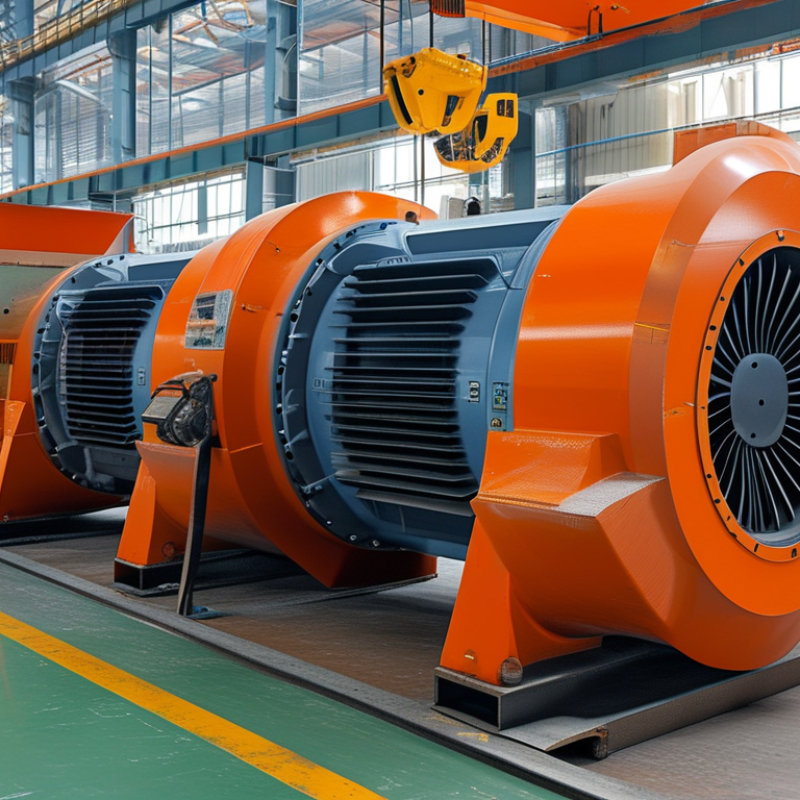
Overview of Oxidation Blowers in the Global Market
Oxidation blowers play a vital role in various industries, facilitating processes like wastewater treatment and chemical manufacturing. Their function hinges on efficiently supplying air to promote oxidation reactions. This drives the need for high-quality blowers in the global market. As industries seek reliable solutions, understanding the characteristics of oxidation blowers becomes essential for effective sourcing.
When choosing oxidation blowers, consider the application specifics. For example, airflow requirements and pressure ratings can significantly affect performance. The right blower can enhance operational efficiency and reduce operational costs. However, it is critical to evaluate the technical specifications carefully. An inadequate choice may lead to system failures or unnecessary maintenance.
Tips: Always analyze the durability of materials used in blower construction. Ensure they can withstand harsh operating conditions. Also, reach out to suppliers for detailed product support. This can help mitigate potential issues and enhance reliability. Investing time in adequate research will yield better long-term results.
Key Features of Top Oxidation Blowers from China
When considering oxidation blowers from China, several key features stand out. These blowers are designed for efficiency and reliability. They often incorporate high-performance motors that enhance airflow. Additionally, many models are equipped with adjustable speed settings. This flexibility allows users to tailor performance for specific applications.
Durability is another critical aspect. Top blowers are built from corrosion-resistant materials. This ensures they can withstand harsh environments. Some models have innovative cooling mechanisms that help in prolonging service life. When sourcing, pay attention to the certifications and standards. They can indicate a product's reliability.
Tips: Check for user reviews before making a purchase. Real-world experiences provide valuable insights. Consider the maintenance requirements as well, as this can affect operational downtime. Ensuring availability of spare parts is also essential for long-term use.
Leading Manufacturers of Oxidation Blowers in China
When looking for oxidation blowers, understanding the top manufacturers in China is essential. The country leads the market due to its robust industrial infrastructure and innovation. According to recent industry reports, the global oxidation blower market is projected to grow over 5% annually, driven by increased demand in wastewater treatment and air pollution control.
Several Chinese manufacturers are known for their advanced technology and production capabilities. These companies utilize high-quality materials and state-of-the-art engineering practices, ensuring reliability and efficiency. Notably, they focus on reducing energy consumption, a critical factor in today’s eco-conscious marketplace. Data from market analysis indicates that optimizing blower performance can save industries up to 30% in energy costs.
Tips: Consider the availability of customer service and support when choosing a manufacturer. Communication and post-sale assistance can significantly affect long-term partnerships. Also, evaluate whether manufacturers offer customization options to meet specific operational needs. Quality certifications and performance guarantees can be indicators of a reliable supplier. Always ask for references to ensure the credibility of the manufacturer.
Top China Best Oxidation Blowers for Global Sourcing Needs
This chart illustrates the performance metrics of various oxidation blowers commonly sourced globally, based on air flow capacity (m³/h) and power consumption (kW). The values reflect typical specifications found in the industry.
Factors to Consider When Sourcing Oxidation Blowers
When sourcing oxidation blowers, several critical factors should be considered to ensure optimal performance and reliability. The market is expanding, with a projected growth rate of 6.5% annually through 2026, according to industry reports. Selecting the right blower is essential for various applications, from wastewater treatment to chemical processing.
One important aspect is efficiency. High-efficiency blowers can reduce operational costs significantly. A well-documented study indicates that upgrading to energy-efficient models can save up to 30% on energy bills. Sourcing suppliers who prioritize innovation is crucial. However, not all high-performance options are available; some promising technologies remain underdeveloped and untested.
Moreover, consider the blower’s maintenance requirements. Complex systems may offer performance benefits but also entail higher upkeep costs. Research notes that blowers with simpler designs tend to have lower failure rates, resulting in longer service life. However, this could mean sacrificing some advanced features. Balancing performance and practicality is vital in the decision-making process.
Comparative Analysis of Performance and Cost in Oxidation Blowers
When exploring oxidation blowers, a comparative analysis of performance and cost becomes crucial. Efficiency is a key metric. High-performance blowers usually exhibit lower energy consumption. However, they may come with a higher upfront cost. It's essential for buyers to assess their specific needs before making a decision.
In examining these blowers, one should consider the material used in manufacturing. Durable materials often lead to longer lifespans, which can reduce replacement costs over time. However, the initial investment for these materials can be significant. Understanding the trade-offs between initial costs and long-term savings is challenging but necessary.
Moreover, maintenance cannot be overlooked. Some designs require more routine servicing, which can add to overall costs. It’s also important to note that not all blowers perform equally under varying conditions. A blower that works well in one setting may underperform in another. Manufacturers should provide clear guidance on optimal operating conditions, yet this information can sometimes be vague. Therefore, thorough research and informed decision-making are essential for sourcing the right oxidation blower.
Top China Best Oxidation Blowers for Global Sourcing Needs
| Model |
Performance (CFM) |
Power (kW) |
Efficiency (%) |
Cost (USD) |
| Model A |
1000 |
15 |
85 |
800 |
| Model B |
1200 |
18 |
90 |
950 |
| Model C |
950 |
14 |
80 |
750 |
| Model D |
1300 |
20 |
93 |
1000 |
| Model E |
800 |
12 |
75 |
650 |
FAQS
: Efficiency, maintenance requirements, and materials are critical factors. They impact performance and operational costs.
High-efficiency blowers can save up to 30% on energy bills. This can significantly lower operational expenses over time.
Not necessarily. They may have high upfront costs and could require more maintenance, affecting your budget.
Durable materials typically lead to longer lifespans but may come with higher initial costs. Weigh these trade-offs carefully.
Maintenance requirements can add to overall costs. Simpler designs often have lower failure rates and require less upkeep.
No. A blower may excel in one environment but underperform in another. Understand specific performance conditions for each model.
Sometimes, manufacturers provide vague guidance. It’s crucial to do thorough research and make informed decisions.
Yes, there is often a balance to strike between initial costs and long-term savings. Consider your specific needs when evaluating options.
Not all options are developed. Some technologies are untested, which might affect reliability and performance.
The market is projected to grow at 6.5% annually through 2026. This indicates increasing demand for these products.
Conclusion
The article titled "Top China Best Oxidation Blowers for Global Sourcing Needs" provides a comprehensive overview of oxidation blowers in the global market, highlighting their significance in various industrial applications. It discusses the key features that make top oxidation blowers from China stand out, such as efficiency, durability, and cost-effectiveness. Additionally, the article identifies leading manufacturers in China that are recognized for their innovation and reliability in producing these essential devices.
Moreover, the article emphasizes crucial factors to consider when sourcing oxidation blowers, including performance specifications, quality standards, and supplier reputation. A comparative analysis of performance and cost is also included, offering valuable insights for businesses looking to make informed purchasing decisions. Overall, this summary serves as a guide for global sourcing needs, focusing on the importance of selecting the right oxidation blower to meet operational demands.

 Zhangqiu