Navigating the market for a Centrifugal Slurry Pump can feel overwhelming. With numerous options available, understanding the features and specifications is crucial. International buyers need trusted information to make informed decisions. This guide focuses on maximizing the value of your purchase.
Centrifugal Slurry Pumps are essential in industries such as mining and construction. These pumps handle abrasive materials, which can be harsh on machinery. Selecting the right pump involves assessing application needs and operational conditions. Every detail matters, from the materials used to the pump's efficiency.
Global buyers should reflect on their specific requirements. Consider the pump's capacity and compatibility with existing systems. It's also wise to research suppliers. A reputable manufacturer can significantly enhance your investment. Explore different models and weigh their advantages against your needs. This journey requires attention and diligence, but the right choice can lead to long-term success.
Understanding Centrifugal Slurry Pump Functions and Applications
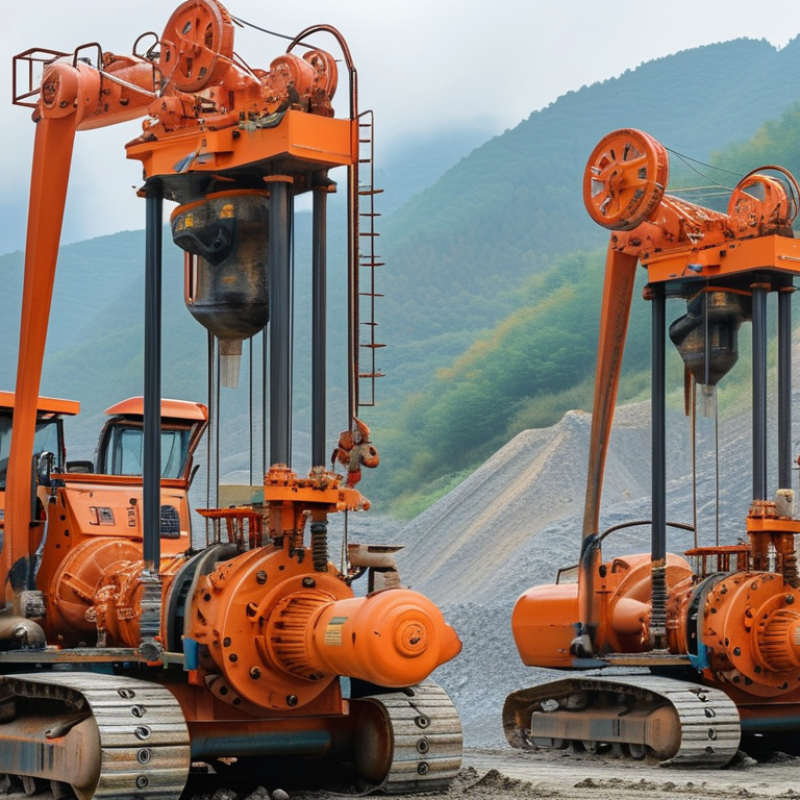
Centrifugal slurry pumps play a crucial role across various industries. They are designed to transport abrasive and viscous materials, including slurries and sludges. The primary function of a centrifugal slurry pump is to convert rotational energy into the kinetic energy of the fluid. This conversion allows for efficient movement of heavy mixtures that are otherwise hard to pump. Understanding the pump's construction and mechanics is vital for maximizing its performance.
Applications of centrifugal slurry pumps are diverse. They are widely used in mining, chemical processing, and wastewater management. In mining, these pumps handle the transportation of ore and refuse. In chemical processing, they assist in moving concentrated solutions safely. Wastewater treatment facilities rely on these pumps for managing sludge and other heavy materials. However, using these pumps can lead to challenges, such as wear from abrasive particles. Regular maintenance is necessary to optimize their lifespan and effectiveness.
Selecting the right centrifugal slurry pump requires understanding specific application needs. Potential buyers should acknowledge that not all pumps suit every task. Each application may demand different flow rates, pressure levels, and resistance to wear. It’s essential to consider both the operational requirements and the characteristics of the material being pumped. This thoughtful approach can prevent future complications and ensure efficient operations.
Key Considerations for Selecting Centrifugal Slurry Pumps in China
Selecting the right centrifugal slurry pump in China requires careful consideration of various factors. Slurry pumps are crucial for mining, construction, and industrial applications. Understanding the specific requirements of your operation is essential. Pay close attention to the pump's materials, as they should be chosen based on the type of slurry being handled. Corrosive or abrasive slurries will require pumps made from durable materials to ensure longevity.
When evaluating pumps, consider the pumping capacity you need. Different applications will have varying demands on flow rates. Ensure the pump can handle the viscosity of your slurry without compromising efficiency. It is also important to evaluate the pump's adaptability to varying conditions. Operators often adjust pump settings, so flexibility in operation can enhance performance.
One crucial aspect often overlooked is maintenance. Regular checks and proper upkeep can prevent costly downtimes. If possible, inquire about the manufacturer's support services and spare parts availability. This can save you from future headaches. A pump’s warranty and expected lifespan can also influence your decision. Aim for a model that meets your operational needs while providing reliable service.
Top Brands of Centrifugal Slurry Pumps in the Chinese Market
When exploring the Chinese market for centrifugal slurry pumps, it’s essential to understand the leading brands available. Many manufacturers specialize in producing high-quality pumps that cater to various industries. They are known for their remarkable efficiency and durability. Users often appreciate their robust construction, designed to handle abrasive materials effectively.
Several brands stand out in this market. They have built reputations through years of innovation and reliable performance. Buyers often analyze their specifications closely. That includes pump capacity, materials, and energy consumption. While some pumps excel in certain conditions, they may not perform as well in others. Therefore, understanding the application is crucial.
Market research indicates that changing technologies impact product performance. Some brands are closer to the forefront than others. Buyers might find certain pumps easier to maintain or more energy-efficient. However, one must consider the balance between cost and performance. Not all high-priced options guarantee superior quality. An informed choice involves weighing all these factors carefully to ensure satisfaction and efficiency in operation.
Comparative Analysis of Slurry Pump Materials and Lifespan Data
When selecting a slurry pump, material choice is crucial. The most common materials include metal alloys, rubber linings, and polymer composites. Each has distinct benefits and drawbacks that impact lifespan. For instance, metal pumps, particularly those made from chrome alloys, can endure abrasive slurries better than others. Industry data suggests that these pumps have a lifespan of around 5,000 to 10,000 hours in harsh conditions.
On the other hand, rubber-lined pumps resist corrosion and provide lower wear rates. They can last between 3,000 to 6,000 hours in less abrasive applications. However, they may fall short when facing abrasive slurries. Polymer composites show promise, with average lifespans ranging from 4,000 to 8,000 hours. Yet, they are sometimes perceived as less reliable than metal or rubber variants.
Understanding these material properties can help buyers make an informed decision. Industry reports indicate that improper material selection may lead to increased operational costs. Some users have reported frequent pump replacements due to underestimating slurry abrasiveness. Hence, evaluating the specific application and intended use is essential.
China Top Centrifugal Slurry Pump Buying Guide for Global Buyers
| Material Type |
Typical Lifespan (Hours) |
Best Use Cases |
Cost (USD) |
| Cast Iron |
3000 - 7000 |
Moderate corrosive applications |
500 - 1500 |
| High Chrome Alloy |
5000 - 15000 |
Severe abrasive applications |
1000 - 3000 |
| Rubber Lined |
2000 - 5000 |
Moderate abrasion with chemical resistance |
700 - 2000 |
| Stainless Steel |
4000 - 8000 |
Corrosive liquids and food processing |
1500 - 3500 |
Market Trends and Demand Forecast for Slurry Pumps Worldwide
The slurry pump market is evolving rapidly. Demand is driven by industries such as mining, construction, and agriculture. As these sectors grow, the need for efficient and durable pumps increases. Companies are seeking pumps that can handle abrasive materials and operate in challenging conditions. A robust design ensures the longevity of the equipment.
Market trends indicate a rising preference for energy-efficient models. Buyers prioritize sustainability alongside performance. Innovations in materials science are leading to better wear resistance and reduced maintenance costs. However, many buyers struggle to navigate these options. Understanding each feature's impact can be challenging.
Some regions face supply chain issues, affecting availability. Geopolitical factors also play a role. Buyers must remain adaptable to these changes. Staying informed can help them make better purchasing decisions. Engaging with experts in the field may provide valuable insights. It's essential to weigh all factors, ensuring choices align with operational needs.
FAQS
: Focus on the pump's materials and the type of slurry you will handle.
Regular maintenance prevents costly downtimes and enhances pump longevity.
Corrosive or abrasive slurries require durable, high-quality materials for effective handling.
Flow rates and slurry viscosity are key factors to consider for optimal efficiency.
Flexibility in operation can significantly enhance performance under varying conditions.
There's a growing demand for energy-efficient and durable slurry pumps in various industries.
Assess warranty options and the expected lifespan to meet your operational needs.
Navigating diverse features and supply chain issues can complicate purchasing decisions.
New materials improve wear resistance and reduce maintenance costs significantly.
Experts can provide valuable insights to navigate challenges and make informed decisions.
Conclusion
The article serves as a comprehensive guide for global buyers interested in China’s centrifugal slurry pump market. It begins by explaining the functions and applications of centrifugal slurry pumps, which are crucial for transporting abrasive and corrosive materials in various industries. Key considerations for selecting the right pump are highlighted, emphasizing factors such as material compatibility, efficiency, and pump design.
Furthermore, a comparative analysis of slurry pump materials offers insights into their lifespan and durability, aiding buyers in making informed decisions. The article also discusses current market trends and forecasts the demand for centrifugal slurry pumps on a global scale, providing valuable information for potential customers looking to navigate the diverse offerings in the Chinese market. Overall, it equips readers with essential knowledge to facilitate their purchasing process effectively.

 Zhangqiu