Choosing the right Coking Introduced Draft Fan is crucial for effective operation in coke production. These fans play a vital role in maintaining efficient airflow and controlling emissions. With various options available, understanding the specific requirements of your system is essential.
When selecting a Coking Introduced Draft Fan, consider factors like airflow capacity and pressure requirements. The fan must align with your production needs. Quality and reliability also matter. A poorly chosen fan can lead to inefficiencies and operational setbacks.
It's easy to overlook details that matter. Small changes in design can impact performance significantly. Thus, investing time in research can lead to better outcomes. Remember, the right fan not only boosts efficiency but also enhances safety in your operation. The goal is to make a well-informed decision that serves your unique needs effectively.
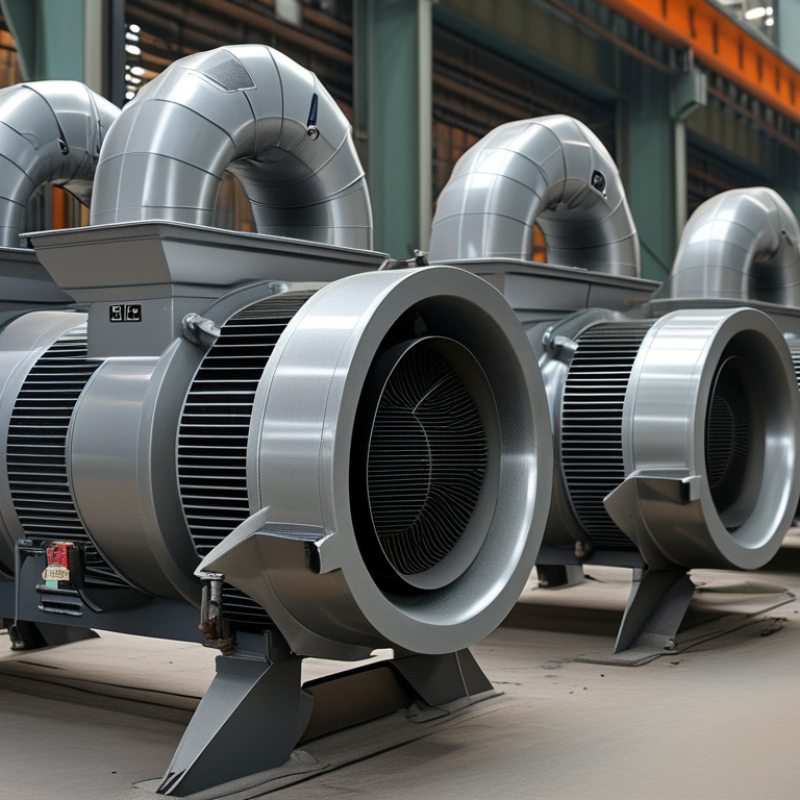
Coking introduced draft fans play a crucial role in the coal carbonization process. Understanding their function and specifications is vital for selecting the right fan for your facility. These fans are designed to handle high-temperature gases, often exceeding 1,000 degrees Fahrenheit. They ensure optimal airflow, which is essential for maximizing efficiency during coking operations.
In recent studies, it has been shown that the right draft fan can significantly improve thermal efficiency. Reports indicate that poor fan selection can lead to a remarkable decrease in production output, potentially by up to 25%. An improperly sized or inefficient fan can create excessive pressure drops and reduce operational reliability. Environmental considerations also come into play, as energy-efficient fans can lower overall emissions in line with clean air regulations.
Selecting the correct fan involves assessing various factors, including airflow requirements and temperature resistance. Industry recommendations often highlight the need for fans that provide variable speed options. This flexibility is critical, as it can adapt to fluctuating operational demands. However, balancing efficiency and durability is a constant challenge. Not every fan can sustain heavy-duty operations over time without maintenance issues. Thoughtful consideration of these parameters can help prevent costly downtime and enhance long-term performance.
| Dimension | Description | Importance | Typical Range |
|---|---|---|---|
| Airflow Capacity | Amount of air the fan can move, measured in cubic feet per minute (CFM). | Critical for ensuring adequate ventilation in coking processes. | 1000 - 50000 CFM |
| Static Pressure | Resistance the fan must overcome, measured in inches of water column. | Determines the fan’s ability to deliver air against system resistance. | 0.5 - 10 inches |
| Efficiency | Ratio of input power to output airflow, often expressed as a percentage. | Higher efficiency fans reduce energy costs and enhance performance. | 50% - 85% |
| Noise Level | Sound emitted by the fan, measured in decibels (dB). | Important for compliance with regulations and impact on surrounding areas. | 45 - 85 dB |
| Material | Construction material of the fan which can affect durability and performance. | Critical for longevity, especially in harsh environments. | Carbon steel, stainless steel, and aluminum. |
| Size | Physical dimensions of the fan, including diameter and height. | Must fit within existing infrastructure and meet airflow requirements. | Varies widely; consult specifications. |
: Assess airflow management, production capacity, and temperature range for efficient coking.
Up to 20% of energy can be wasted due to suboptimal airflow in the coking process.
Reliable fans reduce downtime, maintaining production efficiency and ensuring consistent product quality.
Regularly check vibration levels and noise, as they can indicate underlying problems with your fan.
Parameters like airflow and static pressure are crucial; higher airflow can significantly improve combustion efficiency.
Some fans exceed 85 decibels, which can impact worker comfort and compliance with regulations.
Schedule inspections every few months to identify wear or debris that may affect performance.
Proper training minimizes operational mishaps and enhances overall equipment reliability in coking operations.
Misalignment can lead to inefficiencies and increased noise, necessitating checks for proper positioning.
Regular cleaning, documenting maintenance activities, and addressing wear issues early are essential for durability.
When selecting a Coking Introduced Draft Fan, it is essential to understand the fundamental principles that govern their operation. Key factors include the specific requirements of your coking process, which will dictate the necessary fan specifications and performance ratings. By evaluating how these specifications align with your operational needs, you can make an informed choice that enhances efficiency and effectiveness.
Additionally, best practices for installation and maintenance should not be overlooked, as they play a crucial role in prolonging the fan’s lifespan and ensuring optimal performance. A thorough assessment of both fan characteristics and your processing requirements allows for a strategic selection, ultimately improving overall operational productivity in coking facilities.

 Zhangqiu