How to Choose the Best Clean Water Pump in 2026?

Time:2026-09-19 Author:Sophia
0%

Choosing the best Clean Water Pump in 2026 requires more than comparing prices or motor ratings. A pump may look powerful on a product page, yet struggle when lifting water through narrow pipes, bends, or long distances. This guide examines practical selection factors, including flow rate, total head, energy use, materials, noise, maintenance, and safety protection. It also considers current efficiency expectations and manufacturer documentation, because reliable performance begins with verified specifications.

Real installation conditions matter. A household well, rainwater tank, garden system, and emergency backup setup each demand different pump characteristics. Field experience shows that incorrect sizing causes many avoidable problems, including overheating, weak pressure, frequent cycling, and premature seal failure. A compact pump beside a basement tank may need quiet operation, while an agricultural system may prioritize continuous duty and easy servicing. Small details matter.

No pump is perfect.

This article will help readers compare models with a practical, evidence-based approach. It will explain how to estimate daily demand, check water quality, confirm electrical compatibility, and review warranty support. Independent testing, technical manuals, and qualified installer advice should guide important decisions. However, advertised performance can change under real conditions, and some product claims deserve closer inspection. That uncertainty is worth acknowledging. The best Clean Water Pump is not always the fastest or cheapest option. It is the model that delivers dependable water flow, safe operation, reasonable operating costs, and serviceable performance for its actual environment.
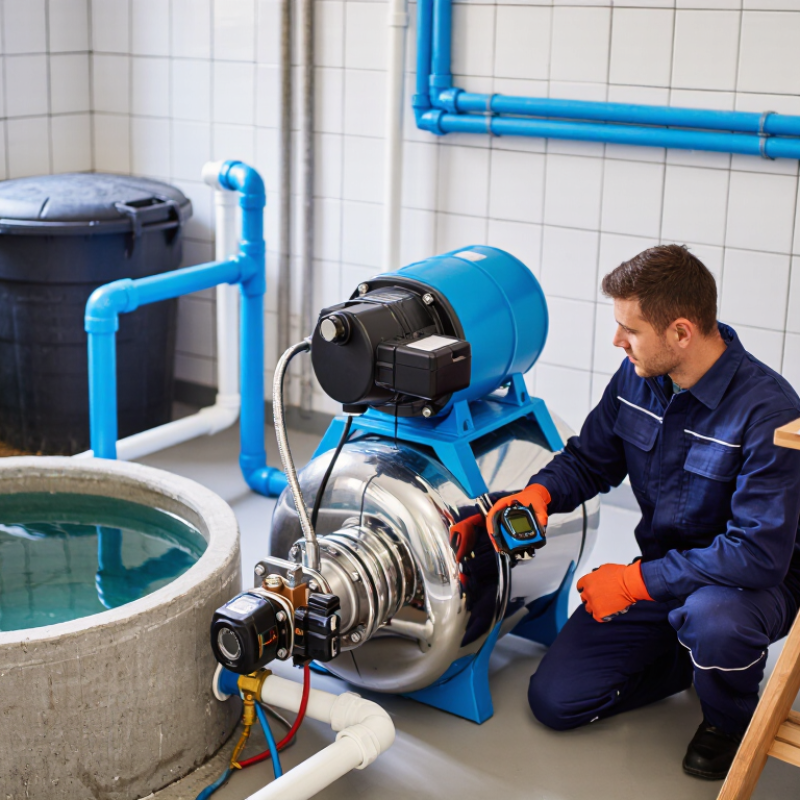
How to Choose the Best Clean Water Pump in 2026?

Define Clean Water Pump Types and Their Main Applications

How to Choose the Best Clean Water Pump in 2026?

Define Clean Water Pump Types and Their Main Applications

Choosing a clean water pump starts with the water, not the product catalogue. Clean water usually contains little sediment, sand, or fibrous debris. A centrifugal pump uses a rotating impeller to move water smoothly. It suits household supply, irrigation, and rainwater transfer. These pumps work best with steady flow and moderate pressure.

A submersible pump operates below the water surface. Its sealed motor pushes water from wells, storage tanks, and flooded basements. It saves space and often runs quietly. A jet pump stays outside the water source. It uses suction and pressure to lift water from shallow or deeper wells. Booster pumps increase pressure in homes, apartments, and small commercial systems. Diaphragm pumps deliver controlled flow for dosing and light-duty transfer applications.

Pump selection becomes clearer after checking flow rate, lifting height, pipe length, and power supply. In practical inspections, many failures come from undersized pipes rather than weak motors. That detail is easy to miss. A pump may show excellent pressure on paper, yet perform poorly through narrow plumbing. I would also verify water temperature and operating cycles. Continuous use can expose weaknesses that short tests hide. A simple pressure gauge and flow test provide more reliable evidence than appearance alone. Some assumptions may still be wrong, so review the pump’s performance curve before installation.

Assess Flow Rate, Head Height, and Water Source Requirements

Choosing the best clean water pump in 2026 starts with flow rate, not motor power. Estimate demand from actual fixtures, irrigation zones, or storage tanks. The U.S. Environmental Protection Agency recommends checking peak use rather than relying on daily averages. A household may need 10–20 gallons per minute during simultaneous use. Bigger is not automatically better.

Measure total dynamic head carefully. Include vertical lift, pipe friction, filters, valves, and required outlet pressure. A 30-foot elevation can become 45 feet after friction losses.

The U.S. Department of Energy’s pumping-system guidance notes that energy can exceed 40% of life-cycle costs. Oversizing creates waste, short cycling, and unstable pressure. I have seen calculations fail when installers ignore a clogged filter. That detail matters.

Water source requirements can change the pump choice. A shallow tank, drilled well, rainwater cistern, and treated supply each create different suction and filtration demands.

The WHO/UNICEF Joint Monitoring Programme reported that 2.2 billion people lacked safely managed drinking water in 2022, highlighting the need to verify source quality before pumping.

Check temperature, sediment, contamination risk, and seasonal level changes. Clean water is not always clean at the intake. Use the pump curve, not guesswork, and compare its duty point with the real flow and head.

Compare Pump Materials, Power Options, and Energy Efficiency

Choosing a clean water pump in 2026 requires more than matching flow rate and head. Material selection affects service life, maintenance, and water quality. Stainless steel resists corrosion in humid rooms and mildly aggressive water. Cast iron is strong and economical, but it needs better protection against rust. Reinforced polymers can reduce weight and resist many chemicals. However, material charts are not enough. I have seen pumps fail early because installers ignored sand, temperature, or long idle periods.

Power choice also changes operating cost. AC induction motors remain practical for fixed installations. Variable-speed drives can adjust output when demand changes, reducing throttling losses. Solar-powered DC pumps suit remote sites, but battery replacement and cloudy weather require honest planning. Permanent-magnet motors may deliver higher efficiency, yet their purchase price can challenge smaller projects. The U.S. Department of Energy reports that pumping systems may consume 25–50% of industrial electricity, depending on the facility and process. That range is wide, but it shows why motor selection matters.

Energy labels should be checked with real operating data, not only peak efficiency. The International Energy Agency has reported that electric motor systems consume a major share of global electricity, making efficient controls increasingly important. Select a pump near its best efficiency point, then verify actual flow with a meter. A slightly oversized pump often wastes power every day. I still make this mistake when reviewing urgent installations. A lower purchase price can become an expensive habit. Look for efficiency curves, duty-cycle ratings, repair access, and tested noise levels before approving the final model.

Check Installation Needs, Safety Features, and Maintenance Demands

Choosing a clean water pump in 2026 starts with the installation site, not the advertised flow rate.

Measure vertical lift, pipe length, bends, and outlet size before comparing models. A pump feeding a rooftop tank needs different pressure from one filling a garden cistern. Check whether power is available nearby, and keep electrical connections above splash level.

I once underestimated a narrow inlet; the pump sounded strained and delivered disappointing flow. That small mistake is easy to repeat.

Safety features deserve direct inspection.

Look for thermal overload protection, dry-run protection, a grounded plug, and an accessible emergency shutoff. Residual-current protection should match local electrical requirements and be installed by a qualified professional. Use a strainer when the water may contain sand or leaves.

Keep the pump covered, but leave ventilation around the motor. A sealed box can trap heat. It seems safer, but it may shorten service life.

Maintenance demands should fit your routine.

Ask how often the inlet screen, impeller, seals, and check valve need inspection. Monthly checks are practical for frequent household use; seasonal systems may need attention before storage.

Listen for rattling, watch for reduced pressure, and inspect leaks at threaded joints. Record cleaning dates and unusual noise. Manuals are useful, though they cannot replace site judgment.

I would also budget for spare seals, because neglecting them turns a minor drip into a weekend repair.

Evaluate Total Cost, Reliability, and Long-Term Performance in 2026

Choosing a clean water pump in 2026 means looking beyond the purchase price. A low-cost unit can become expensive after repeated seal replacements, clogged impellers, or high electricity use. I compare rated flow, head pressure, motor efficiency, service intervals, and expected operating hours. The real figure is total cost of ownership, not the invoice amount. Add installation, piping, electrical protection, maintenance, spare parts, and possible downtime. Ask for test data, warranty conditions, and replacement component availability. Vague answers deserve caution.

Reliability shows itself in ordinary conditions, not only during a showroom demonstration. Check whether the pump suits the water temperature, particle level, and daily demand at your site. A unit operating near maximum capacity may deliver impressive flow, but it can wear faster and consume more power. Prefer documented performance curves and accessible service points. Noise, vibration, and frequent restarting are useful warning signs. During inspections, a basic vibration check may reveal alignment or bearing problems before failure.

Long-term performance also depends on installation quality. Even an efficient pump can disappoint when suction piping is narrow or poorly sealed. I would budget for sensors, surge protection, and planned inspections, although these costs are easy to overlook. Energy prices and maintenance access may change in 2026. My estimates are never perfect; actual water conditions can upset them. Leave a realistic contingency, record monthly energy use, and compare performance with the original design each season.

How to Choose the Best Clean Water Pump in 2026? – Evaluate Total Cost, Reliability, and Long-Term Performance in 2026
Pump Configuration Typical Clean-Water Flow Typical Head Range Typical Wire-to-Water Efficiency Expected Service Life Recommended Service Interval Indicative Installed Cost
(USD, 2026)
Estimated 10-Year TCO
(USD, Reference Duty)
Reliability Considerations Best-Fit Applications
Horizontal End-Suction Centrifugal 5–500 m³/h 10–100 m 55–80% 10–20 years Every 6–12 months $2,000–$18,000 $43,000–$81,000 Reliable when correctly aligned and operated near the best-efficiency point. Mechanical seals and bearings are the main wear components. Municipal water transfer, irrigation, building supply, and general industrial service.
Vertical Multistage Centrifugal 1–100 m³/h 30–250 m 65–85% 12–20 years Every 6–12 months $4,000–$25,000 $43,000–$83,000 High pressure capability with compact installation. Sensitive to dry running, excessive cycling, and poor water quality. Pressure boosting, high-rise buildings, reverse-osmosis pretreatment, and long-distance water supply.
Submersible Clean-Water Pump 5–150 m³/h 10–120 m 50–78% 8–15 years Every 6–12 months; lifting inspection as required $3,000–$20,000 $48,000–$93,000 Quiet and self-priming because the pump operates underwater. Cable joints, moisture ingress, and corrosion require careful inspection. Wells, tanks, boreholes, drainage reservoirs, and applications where surface space is limited.
Self-Priming Centrifugal 5–150 m³/h 10–70 m 45–75% 8–15 years Every 3–6 months $3,000–$16,000 $48,000–$93,000 Can tolerate intermittent air in the suction line, but priming chambers and check valves need regular inspection. Rainwater systems, open tanks, construction water, and locations with changing water levels.
Variable-Speed Booster System 5–200 m³/h 20–120 m 60–85% 10–18 years Every 6–12 months; controls check annually $8,000–$35,000 $46,000–$99,000 Maintains stable pressure and can reduce throttling losses. Electronic drives require protection from heat, humidity, voltage fluctuation, and harmonics. Commercial buildings, hotels, hospitals, residential pressure boosting, and variable-demand networks.
Split-Case Centrifugal 50–2,000 m³/h 20–180 m 70–88% 15–25 years Every 6–12 months $15,000–$90,000 $51,000–$135,000 Strong long-term performance and good maintainability for large systems. Requires a rigid foundation, accurate alignment, and adequate installation space. Large municipal systems, district water transfer, cooling-water circulation, and industrial plants.

Planning assumptions: The 10-year total cost of ownership estimate assumes clean water at approximately 20°C, a duty point of 40 m³/h at 50 m total head, 4,000 operating hours per year, electricity at $0.12/kWh, and routine maintenance without major civil works, taxes, or emergency replacement. Values are engineering planning ranges rather than guaranteed performance. Final selection should be based on the manufacturer’s certified pump curve, net positive suction head requirements, motor efficiency, duty-cycle data, water chemistry, controls, and local service availability.

FAQS

How should I estimate the required pump flow rate?

Start with actual fixtures, irrigation zones, or tank demand. A household may need 10–20 gallons per minute during simultaneous use. Daily averages can mislead.

What does total dynamic head include?

Include elevation, pipe friction, filters, valves, and outlet pressure. A 30-foot lift may become 45 feet after system losses. Check every restriction.

Why does the water source affect pump selection?

Tanks, wells, rainwater systems, and treated supplies create different suction needs. Check sediment, temperature, contamination risk, and seasonal water levels. The intake may not be clean.

How can I choose suitable pump materials?

Stainless steel resists corrosion in humid areas and mildly aggressive water. Cast iron is strong but needs rust protection. Reinforced polymers are lighter and resist many chemicals. Material charts are not enough.

Which power option suits a changing water demand?

Variable-speed drives can adjust output and reduce throttling losses. Fixed installations may use standard AC motors. Remote locations may suit solar-powered DC systems, but cloudy weather matters.

How can I compare pump energy efficiency?

Review efficiency curves using real flow and head conditions. Choose a pump near its best efficiency point. Peak efficiency alone can mislead.

Is a larger pump always better?

No. Oversizing can waste electricity, cause short cycling, and create unstable pressure. A slightly smaller match may perform better. Bigger is not automatically better.

What installation detail is easy to overlook?

Inspect filters, valves, and pipe condition before calculating performance. A clogged filter can quietly increase head loss. I have underestimated this before. Recheck urgent installations carefully.

Conclusion

Choosing the best Clean Water Pump in 2026 starts with understanding the available pump types and matching them to the intended application, such as home water supply, irrigation, rainwater transfer, or light commercial use. Buyers should carefully assess the required flow rate, total head height, water source, and operating conditions to ensure the pump can deliver stable performance without unnecessary energy use.

Other important factors include pump materials, power options, energy efficiency, installation space, safety protection, and maintenance requirements. A durable construction can improve service life, while features such as overload protection, dry-run prevention, and easy access for cleaning can reduce operating risks. Finally, compare the total cost of ownership rather than focusing only on the purchase price. A reliable Clean Water Pump with efficient operation, straightforward maintenance, and consistent long-term performance can provide better value throughout 2026 and beyond.


Sophia

Sophia

Sophia is a dedicated marketing professional with an exceptional depth of knowledge about her company's products and services. With a keen understanding of market trends and customer needs, she crafts insightful blog posts that not only inform but also engage readers, enriching the company’s online......