The significance of methane blowers cannot be overlooked in various industries. These powerful devices play a crucial role in managing methane emissions effectively. They help mitigate environmental impacts while enhancing operational efficiency. The demand for reliable methane blower solutions has surged dramatically.
Understanding the core functionalities of methane blowers is essential for global buyers. These systems are designed to handle large volumes of gas with precision. Yet, selecting the right model poses a challenge. Buyers often face myriad options that vary in performance and specifications. The need for informed decisions is paramount, as the wrong choice can lead to inefficiencies.
Industry professionals emphasize the importance of matching methane blowers to specific needs. Quality, reliability, and efficiency should guide purchasing decisions. There's an ongoing need for reflection on the balance between cost and functionality. Exploring diverse solutions can yield surprising insights. Ultimately, the right methane blower can drive progress in emission management while supporting sustainability goals.
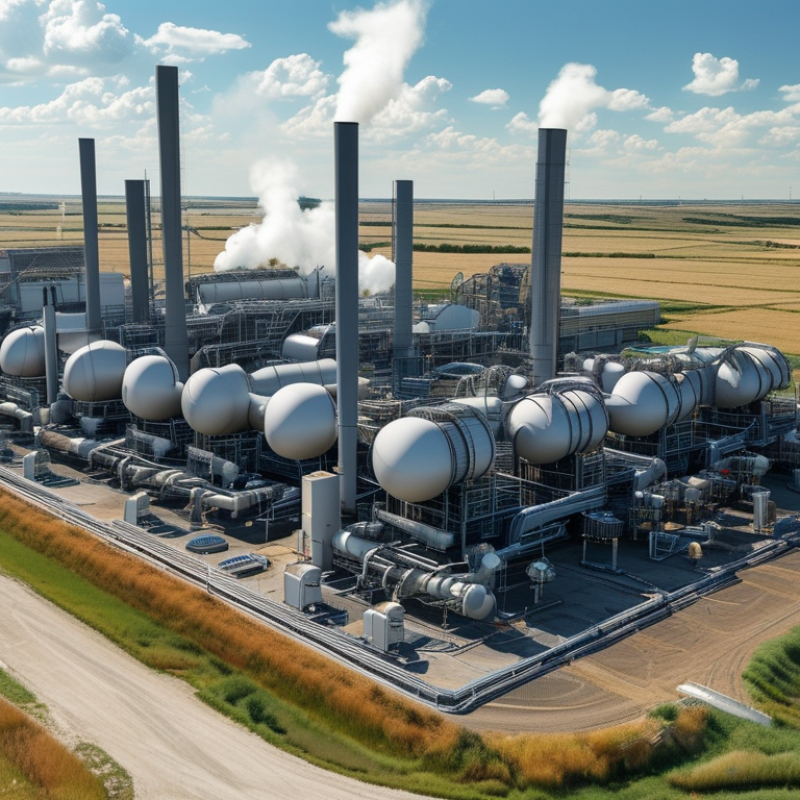
Methane blowers play a crucial role in various sectors, including agriculture, wastewater treatment, and energy production. They efficiently manage and transport methane gas, which is essential for both operational processes and environmental safety. According to a study by the International Energy Agency, methane emissions account for about 16% of global greenhouse gas emissions. Thus, effective methane management is vital for reducing environmental impact.
In agricultural settings, methane blowers facilitate the capture of biogas from anaerobic digestion. This process not only generates renewable energy but also minimizes odor and pollution. In wastewater facilities, blowers ensure proper aeration, promoting the breakdown of organic materials. A report from the U.S. Environmental Protection Agency notes that optimizing methane recovery can lead to significant reductions in emissions.
While methane blowers offer numerous benefits, challenges remain. Maintenance can be complex, and system efficiency may fluctuate. Ensuring that blowers operate at peak performance requires ongoing investment in technology and training. Additionally, outdated equipment can hinder progress. Addressing these issues requires deliberate planning and commitment to continuous improvement in methane management strategies.
When selecting a methane blower, buyers should pay attention to several critical factors. Efficiency is paramount. Industry reports indicate that highly efficient blowers can reduce operational costs significantly. A blower with an efficiency rating of over 70% can cut energy consumption considerably, saving thousands in utility bills annually.
Durability also plays a vital role. Methane blowers often operate in harsh environments. Equipment needs to withstand temperature fluctuations and corrosion. According to studies, blowers that use stainless steel components tend to have longer lifespans, reducing replacement costs and downtime. Maintenance is another key aspect. Regular upkeep can affect performance. Less frequent maintenance leads to potential breakdowns.
The choice of blower size is equally crucial. An oversized or undersized unit can lead to inefficiencies. A study found that optimizing blower capacity to match the specific application could improve efficiency by up to 25%. Users must analyze their requirements carefully. Assessing airflow needs and system pressure is essential to avoid common pitfalls. In choosing the right methane blower, each of these factors deserves careful consideration.
When considering methane blower solutions, buyers often look for expertise and quality. Various brands offer innovative designs tailored for diverse applications. Reliability is key in this sector. A well-engineered blower ensures consistent performance. Users demand efficiency and durability.
Top manufacturers in the industry focus on high-quality materials. They develop products that withstand harsh conditions. These solutions can enhance operational efficiency. However, not all products meet the same standards. Some may fall short on specific technical requirements. It's crucial for buyers to conduct thorough research.
Purchasing from established brands often guarantees better support and service. Professional advice is invaluable in selecting the right product. Each application has unique challenges. Assessing these needs can lead to better decision-making. The wrong choice can lead to costly downtime. Hence, balancing cost and quality is essential. Finding reliable partners in this market can lead to long-term success.
The landscape of methane blower design is evolving rapidly. Innovative technologies are reshaping the industry, driven by the urgent need for sustainable solutions. According to a recent report by the International Energy Agency (IEA), methane emissions account for a significant portion of global climate change. This highlights the importance of efficient, powerful blower systems in mitigating emissions and fostering environmental responsibility.
One promising approach involves the integration of smart sensors into blower systems. These sensors provide real-time data, enabling operators to optimize performance. Studies indicate that such systems can improve energy efficiency by up to 30%. Furthermore, advanced materials like composite blends offer lightweight yet durable options for manufacturing blowers. This innovation not only enhances operation but also increases longevity.
While progress is evident, challenges remain. Many existing designs still rely on outdated technologies that do not prioritize efficiency. A review of current models revealed that 40% have not adopted any form of modernization. Industry experts emphasize that continuous investment in R&D is crucial for future advancements. Moreover, operational practices must be revisited to ensure they align with the latest technological capabilities. This ongoing evolution in the methane blower market holds promise but also underscores an industry in need of consistent reflection and improvement.
| Model | Flow Rate (m3/h) | Pressure (kPa) | Power (kW) | Efficiency (%) |
|---|---|---|---|---|
| Model A | 300 | 150 | 75 | 85 |
| Model B | 500 | 200 | 100 | 90 |
| Model C | 1000 | 250 | 150 | 95 |
| Model D | 750 | 180 | 120 | 88 |
The methane blower market is evolving amidst various global trends. According to a recent report by MarketsandMarkets, the methane blower industry is expected to grow at a CAGR of 5.6% from 2021 to 2026. This growth is driven by increasing regulations on emissions and a push for cleaner energy solutions. Across different sectors, organizations are seeking efficient ways to enhance their methane management systems.
As countries strive to meet sustainability goals, the demand for advanced blower technologies rises. Real-time monitoring and automation are becoming imperative. A report by Frost & Sullivan indicates that the market for digital blower systems is expanding swiftly. Businesses are realizing they must adapt to these changes or risk falling behind. However, the integration of new technologies can pose challenges, as not all companies are equipped for the transition.
Cost factors also play a significant role in decision-making. While investments in high-efficiency blowers can be substantial, the long-term savings are undeniable. For instance, energy-efficient blowers reduce operational costs significantly. Yet, many industries still rely on outdated technologies. As the market matures, the performance gap may become a significant factor that highlights the inequalities in technology adoption across regions.
: Methane blowers manage and transport methane gas in agriculture, wastewater treatment, and energy production.
Methane emissions contribute to 16% of global greenhouse gases. Effective management minimizes environmental impact.
They capture biogas from anaerobic digestion, creating renewable energy while reducing odor and pollution.
Technologies like smart sensors improve blower performance, potentially increasing energy efficiency by up to 30%.
Maintenance can be complex, and many existing systems lack modern efficiency, requiring careful planning and investment.
The market is projected to grow at a CAGR of 5.6% due to regulations and the need for cleaner energy solutions.
Cost factors and long-term savings are crucial. Energy-efficient blowers can significantly reduce operational costs.
No, some companies struggle with transitioning to advanced systems, facing challenges in integration and implementation.
Continuous investment in technology and training is essential to align with current advancements.
Many models still rely on outdated technologies, with 40% lacking modernization efforts.
The article "Top Methane Blower Solutions for Global Buyers" provides an in-depth overview of methane blowers, highlighting their essential applications in various industries such as energy and waste management. It emphasizes the importance of key factors to consider when selecting a methane blower, including efficiency, durability, and compatibility with existing systems.
Additionally, the piece explores innovative technologies shaping the design of methane blowers, enhancing performance and reliability. It discusses current global market trends and future prospects, indicating a growing demand for efficient methane management solutions. This summary serves as a guide for potential buyers looking to make informed decisions in selecting the best methane blower solutions available on the market today.

Zhangqiu