Top 10 Tailings Transfer Pumps for Mining Operations compares equipment for one demanding job: moving abrasive, variable slurry reliably across a mine site. Tailings can settle in a line, scour an elbow, or change consistency after rainfall. Those details matter. A pump that performs well in a test may struggle when solids concentration, particle size, or pipeline distance shifts.
Selection should consider more than rated flow. Operators need to assess slurry characteristics, required head, pipe layout, wear-part life, maintenance access, and energy use. A few practical checks help: inspect the suction arrangement, confirm the motor’s operating range, and ask how quickly a wet end can be serviced. Dr. David Williams is a recognized tailings-management specialist. The following is an editorial paraphrase, not a verbatim quotation, of a site-specific principle associated with his field: “Make decisions for the material and conditions actually present.” It is a useful reminder, not a pump-selection formula.
This guide reviews ten pump options through that operational lens. It highlights where each design may fit, what deserves closer review, and which trade-offs are easy to miss in a product sheet. Real sites differ. One limitation is unavoidable: no ranking can replace slurry testing, engineering review, or operating data from the intended installation. Treat the list as a starting point. Check the details before specifying a pump.
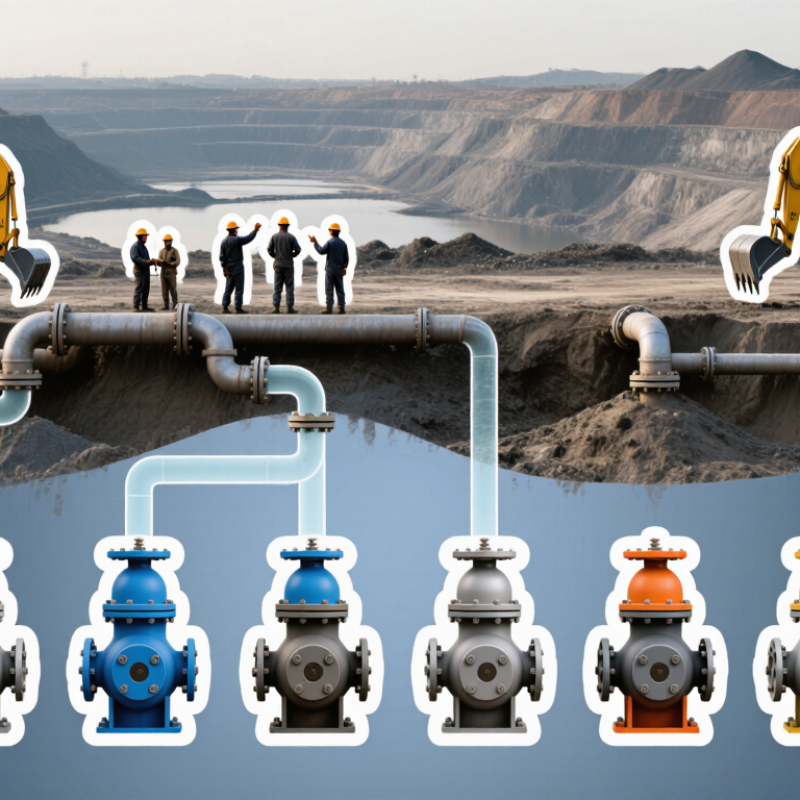
Understanding Tailings Transfer Pumps in Mining Operations
Tailings transfer pumps move the fine and coarse residues left after valuable minerals are separated from ore. This slurry may contain sharp particles, process water, and changing concentrations of solids. A pump suited to clean water can lose efficiency quickly under these conditions. Small changes matter.
Pump selection depends on more than flow rate. Engineers assess particle size, slurry density, pipeline length, elevation changes, and the required discharge pressure. Abrasive solids can wear impellers, liners, and piping, while settling may cause blockages during low-flow periods. Site measurements are essential; laboratory data alone may not capture daily variation.
In operation, crews watch pressure, flow, vibration, and motor load for early signs of trouble. A rising vibration level or falling flow can signal wear, an obstruction, or a change in slurry properties. Maintenance plans should include inspection intervals and suitable spare parts, adjusted to actual wear patterns. There is no perfect setup. Even a carefully selected pump may need tuning when ore characteristics or water availability change. Regular operating records help teams distinguish normal variation from developing faults.
Tailings Transfer Pumps: Hydraulic Power at 10 Flow Rates
Estimated hydraulic power increases with flow rate for a tailings slurry density of 1,300 kg/m³ and a pumping head of 30 m. Values are calculated using P = ρgQH and exclude pump and motor losses; actual pump selection depends on slurry properties and system conditions.
Key Operating Conditions for Tailings Pumping
Tailings rarely behave like ordinary water. Their solids concentration, particle size, and mineral hardness can change from one shift to the next. A sample from the process stream helps operators compare actual slurry conditions with pump selection data. Watch for settling in low points, especially after flow slows. Even a brief pause can leave a dense bed that makes restart difficult.
Flow velocity needs to keep solids moving without creating needless wear. The right range depends on particle size, pipe diameter, and slurry properties; confirm it with site measurements and engineering guidance. Too slow invites deposition. Too fast can erode elbows and liners. Check suction conditions as well. Long, restricted suction lines or air leaks may cause unstable flow and vibration. Small details matter.
Track pressure, flow, motor load, and wear patterns together. A rising motor load with falling flow may signal buildup or changing slurry density, but it is not a diagnosis by itself. Inspect liners, impellers, and pipe bends on a schedule shaped by actual wear. Keep records across operating shifts; they often reveal changes that a single reading misses. One assumption deserves regular review: yesterday’s tailings may not match today’s.
How to Evaluate Pump Designs and Performance
Choosing a tailings transfer pump starts with the slurry, not the catalogue. Record solids concentration, particle size, density, and temperature from representative samples. Tailings can vary across a shift, so one sample may not describe the hardest duty. Measure it twice. Compare the required flow and total head with the pump’s operating range, rather than relying on its maximum rated figures. Check suction conditions too; inadequate available NPSH can cause vibration, noise, and damage.
Pump design determines how well it handles abrasive solids. Review impeller passage size, rotational speed, and the shape of the casing. Larger passages may reduce blockage risk, while lower speeds can limit wear, but neither choice guarantees good performance. Ask how wetted parts resist abrasion and how quickly they can be inspected or replaced. Wear tells a story. Uneven wear patterns can point to poor alignment, recirculation, or changing slurry conditions.
Evaluate performance using site data where possible. Compare power draw, flow, pressure, vibration, and wear over time, under the same operating conditions. A laboratory efficiency figure may not reflect a pump moving dense, coarse tailings through a long pipeline. Check whether the design allows practical access to seals, liners, and bearings. Maintenance space matters. Keep in mind that pump selection is iterative: field measurements may reveal assumptions that need correcting, and those revisions should be documented.
Top 10 Tailings Transfer Pumps for Mining Operations
A credible top 10 tailings transfer pump shortlist should compare duty conditions, not just advertised capacity. Centrifugal slurry pumps suit many high-volume lines, while vertical sump pumps handle collection points and recessed-impeller designs can tolerate stringy solids. Progressive-cavity and peristaltic pumps may fit lower-flow duties where controlled delivery matters. The best choice depends on particle size, solids concentration, pipe length, elevation, and operating hours. Small details matter. A pump that handles dense tailings in a test may struggle when feed conditions fluctuate on site.
The scale of the challenge is substantial. The USGS Mineral Commodity Summaries 2025 estimated global mine copper production at about 23 million metric tons in 2024; processing that ore generates large volumes of residual material. Pump selection therefore affects availability, water management, and maintenance workload. The Global Industry Standard on Tailings Management sets out 6 topic areas and 15 principles, emphasizing accountable, risk-informed facility management. It does not prescribe a pump, so engineers still need site-specific testing and wear data. Compare impeller clearance, liner life, seal arrangements, and access for routine inspection. No ranking is perfect. Tailings vary, and a shortlist based on generic ratings can miss the real failure point: changing feed density or abrasive particles.
Installation, Monitoring, and Maintenance Considerations
Tailings transfer pump reliability is shaped during installation, not just operation.
Verify the foundation is level, grout is fully cured, and pipe loads do not distort the casing. Check suction lines for air pockets and confirm the impeller clearance against the maintenance manual. The U.S. Department of Energy’s Improving Pumping System Performance (2006) reports that pumping systems use nearly 20% of global electricity. Poor alignment or throttling can therefore waste substantial energy. A vibration reading at commissioning gives crews a useful baseline.
Tips: Record flow, discharge pressure, motor current, bearing temperature, and vibration during steady operation. Compare trends, not isolated readings. A sudden temperature rise or changing vibration deserves inspection. Keep a simple log beside the control room; handwritten entries can still reveal a pattern.
Monitoring should include pump condition and the tailings line. Walk the route for wet ground, leaks, unusual noise, and support movement. The Global Industry Standard on Tailings Management (2020) sets 77 auditable requirements across six topic areas, reinforcing lifecycle monitoring and accountability. Its scope is broader than pumps, but the principle applies: document changes and assign follow-up. In practice, alarms may be set too wide at first. Review them after real operating data accumulates, and revise cautiously.
Conclusion
This article explores the role of a Tailings Transfer Pump in moving abrasive, solids-laden slurry safely and reliably through mining operations. It explains how tailings characteristics, including particle size, concentration, flow rate, and settling behavior, influence pump selection and operating conditions. Readers will also learn how to assess pump designs by considering hydraulic performance, wear resistance, energy use, and suitability for the demands of a particular transfer route.
The overview compares ten broad pump options for tailings service and highlights the factors that can affect their performance in different applications. It also covers practical considerations for installation, including pipeline layout and correct setup, as well as monitoring indicators such as pressure, flow, vibration, and wear. Routine inspection and planned maintenance can help identify problems early, reduce unplanned downtime, and support dependable, efficient tailings transport over the equipment’s service life.

 Zhangqiu