Why Is My Return Water Pump Not Working?

Time:2026-10-19 Author:Liam
0%

Why Is My Return Water Pump Not Working? This question often begins with a quiet bathroom, a cold tap, or a pump that hums without moving water. A Return Water Pump may stop because of air locking, a closed isolation valve, blocked strainers, incorrect wiring, seized bearings, or low system pressure. The visible symptom is rarely the complete diagnosis.

The U.S. Department of Energy’s Improving Pumping System Performance sourcebook reports that pumping systems can represent about 25% of industrial electricity consumption. It also notes that system improvements may reduce pumping energy by 20% to 50%. These figures show why a small pump fault deserves careful attention. A noisy motor and a dry impeller can signal different failures. Guessing can make both worse.

Pump reliability authority Heinz P. Bloch has emphasized, “A pump problem is often a system problem.” That principle applies here. Check the power supply, valve position, filter, air vents, flow direction, and return temperature before replacing parts. Start safely. Do not overlook simple details. A loose terminal may matter more than an expensive motor. Still, diagnosis is not always clean. Some pumps run intermittently, especially when sensors misread temperature or controls cycle too aggressively. This guide uses manufacturer instructions, Hydraulic Institute guidance, and practical troubleshooting methods to explain likely causes. It also recognizes an uncomfortable truth: replacing the pump first may solve nothing.
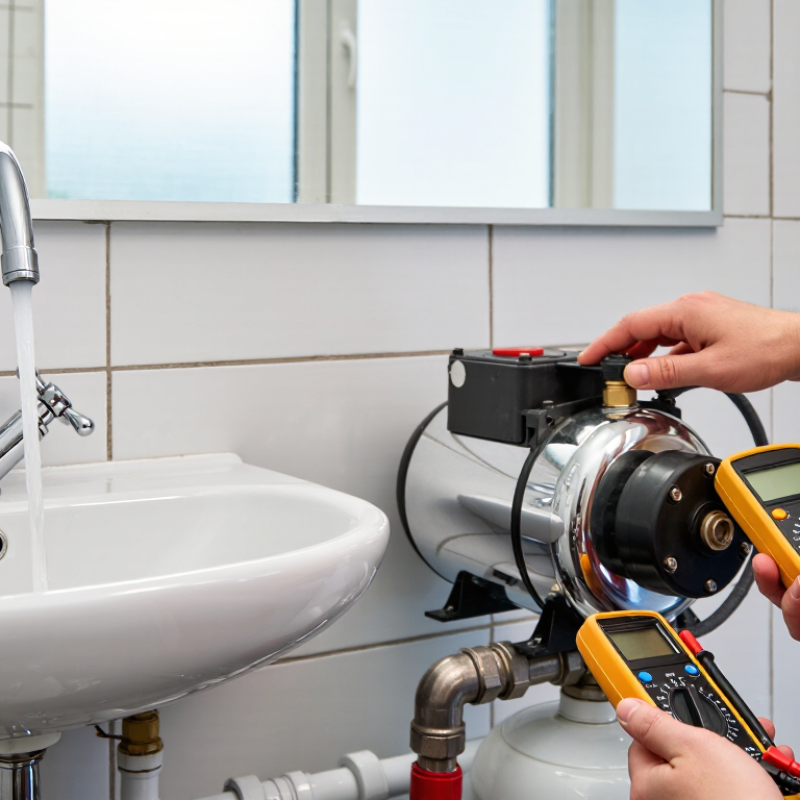
Why Is My Return Water Pump Not Working?

What a Return Water Pump Does and How It Should Operate

A return water pump moves cooled water back to the heater or storage vessel. This circulation keeps hot water available near the outlets. Without circulation, the first shower may run cold, and distant taps can waste water while heating.

The pump should start when temperature falls below its control setting. It then pushes water through the return pipe at a steady rate. A healthy loop usually feels warm, not dangerously hot. The motor may hum softly, while the pipe shows gentle, consistent heat. The U.S. Department of Energy’s Pumping System Assessment Tool notes that pumping systems can represent about 25% of industrial electricity use. Poor flow wastes energy quickly.

If the pump is silent, check the electrical supply, timer, sensor, and isolation valves. A closed valve can make a working pump appear defective. Air may also collect inside the housing, especially after maintenance. Shut off power before inspection. Technicians sometimes find a clogged strainer or a seized impeller. A pump can sound normal and still deliver almost no flow. That detail is easy to miss. The DOE report Improving Pumping System Performance also warns that oversized pumps often create unnecessary energy losses. I would question the setting before replacing the unit. A temperature reading at both sides of the pump provides better evidence than noise alone.

Common Reasons a Return Water Pump Stops Working

Why Is My Return Water Pump Not Working?

Common Reasons a Return Water Pump Stops Working

A return water pump may stop suddenly because power is not reaching the motor. Check the outlet, plug, fuse, timer, and any safety switch. A loose connection can look harmless but interrupt operation. Unplug the pump before touching wet equipment. Never rely on a silent motor alone.

Debris is another frequent cause. Hair, sand, algae, and small gravel can block the intake screen or jam the impeller. Remove the cover and inspect the impeller for cracks, swelling, or a bent shaft. Rinse parts with clean water, but do not force a stuck component. A pump can sound healthy while moving almost no water. That detail is easy to miss.

Air trapped inside the housing may also prevent proper circulation. Refill the chamber, confirm the intake stays underwater, and gently tilt the pump to release bubbles. Overheating can result from restricted flow, dry running, or a blocked cooling area. Let the unit cool before testing it again. I used to check the motor first, but that was often the wrong place. If the pump hums, vibrates excessively, or repeatedly trips protection, the motor or internal seal may be damaged. Replacing random parts wastes time, so record the symptoms, water level, and inspection results before choosing a repair.

Why Is My Return Water Pump Not Working? - Common Reasons a Return Water Pump Stops Working

Possible Cause Typical Symptoms What to Check Recommended Action Priority
No electrical power The pump is completely silent and the motor does not vibrate. Inspect the circuit breaker, fuse, disconnect switch, power cord, and outlet. Use a suitable meter only if qualified. Restore the power supply, replace a correctly rated fuse, or arrange electrical service for damaged wiring. High
Tripped overload protection The pump stops after running for a while or repeatedly trips the breaker. Look for overheating, restricted flow, a locked impeller, low voltage, or excessive current draw. Allow the motor to cool, correct the underlying restriction, and do not repeatedly reset the protection device. High
Blocked intake or strainer Low or zero return flow, pump noise, and possible air bubbles in the discharge line. Check the suction screen, intake opening, filter, and nearby pipework for dirt, hair, leaves, or debris. Switch off and isolate the pump, clean the strainer, and reinstall it securely. Medium
Air lock or insufficient priming The motor runs, but the pump produces little or no water movement and may sound like it is rattling. Check the water level, pump chamber, suction line, and any high points where air can collect. Prime the pump according to its instructions and remove trapped air before extended operation. Medium
Closed or restricted valve The pump runs, but the return stream is weak or absent. Verify that isolation valves are open and inspect hoses, elbows, and fittings for kinks or blockages. Open the correct valves and straighten or replace restricted sections of hose or pipe. Medium
Impeller blocked or damaged The motor hums, flow is reduced, or the pump vibrates and makes grinding noises. After disconnecting power, inspect the impeller for debris, cracks, wear, or a seized shaft. Remove foreign material or replace damaged internal parts using compatible service components. High
Low water level The pump draws air, loses prime, or operates intermittently. Confirm that the water level remains above the pump intake and meets the system’s minimum operating level. Restore the water level and check for leaks or conditions causing unusual water loss. Medium
Worn motor, bearings, or seal Excessive noise, vibration, overheating, leakage, or a burning smell. Check for water around the motor, unusual shaft play, abnormal sounds, and visible heat damage. Stop operation and have the pump inspected. Replace worn parts or the complete pump if repair is not practical. High
Incorrect voltage or faulty capacitor The motor struggles to start, hums, runs slowly, or trips protection. Compare the supply voltage and electrical specifications. Inspect the capacitor only after power is disconnected. Correct the electrical supply or have a qualified technician test and replace defective components. High
Loose or leaking connection Intermittent operation, visible dripping, air entering the suction line, or reduced flow. Inspect unions, threaded joints, clamps, gaskets, seals, and the pump housing for leaks. Tighten connections carefully, replace damaged seals, and retest the system for air or water leaks. Medium

Safety note: Disconnect electrical power before opening the pump, removing a cover, clearing an impeller, or handling wiring. If water and electricity are near each other, or if a breaker keeps tripping, contact a qualified professional.

How to Check the Pump’s Power Supply and Connections

When a return water pump stops, check electricity before opening the wet end. Start at the socket. Confirm the circuit breaker has not tripped, then test the outlet with a known working device. If a residual-current device has tripped, disconnect the pump before resetting it. Water and voltage are a dangerous pair.

Read the pump’s voltage and frequency rating from its data plate. Compare those values with the measured supply. A voltage drop can make the motor hum without starting. The U.S. Department of Energy reports that pumping systems can represent nearly 20% of global electricity demand. Its pumping-system guide also estimates that pumps may consume 25–50% of an industrial facility’s electricity. Small connection faults deserve attention.

Inspect the plug, cable, terminal block, timer, and isolation switch. Look for green corrosion, heat marks, loose screws, or cracked insulation. Test continuity only after isolating power, and never measure resistance on an energized circuit. I have seen technicians blame a blocked impeller too early. That assumption wastes time. A meter reading at no load can also mislead you; check voltage while the pump tries to start. If the supply is correct but the motor remains silent, ask a qualified electrician to inspect the start capacitor, internal protector, and earth connection. Do not bypass a safety device.

How to Inspect for Blockages, Airlocks, and Mechanical Damage

A return water pump may stop because water cannot reach its intake. Switch off the power before touching the equipment. Remove the intake cover and check for hair, sludge, gravel, or plant debris. Even a thin coating can reduce flow. Inspect the tubing as well. A sharply bent hose can look clear but still restrict water movement.

Airlocks are another common cause. If the pump hums without moving water, trapped air may surround the impeller. Keep the pump fully submerged, then gently tilt it underwater to release bubbles. Refill the chamber if the water level has dropped. Watch for a steady stream rather than brief spurts. I have sometimes assumed a failed motor too quickly; the real problem was low water around the intake.

Mechanical damage needs closer inspection. Remove the pump cover and examine the impeller, ceramic shaft, and rubber supports for cracks, swelling, or heavy wear. The impeller should turn smoothly, not scrape the housing. Check for a burnt smell, melted plastic, loose wiring, or unusual vibration. Do not force a stuck part. Replace damaged components with compatible parts, and avoid running the pump dry during testing. If cleaning changes nothing, stop repeated resets and have a qualified technician inspect the electrical supply and motor. Some failures are less obvious.

When to Repair or Replace a Faulty Return Water Pump

Why Is My Return Water Pump Not Working?
When to Repair or Replace a Faulty Return Water Pump

A failed return water pump can leave radiators cold, create pipe noise, or trigger repeated boiler cycling. Check the basics first. Confirm power at the isolator, inspect the fuse, and listen for a hum without rotation. A closed valve, trapped air, or blocked strainer can imitate pump failure. Measure inlet and outlet temperatures with a contact thermometer. A large temperature difference often indicates poor circulation, not immediate pump replacement.

Repair Repair makes sense when the motor runs smoothly and the fault involves a capacitor, loose terminal, airlock, or worn seal.

Replace Replace the pump when bearings grind, the shaft binds, or water has damaged the motor housing.

In my field experience, forcing a seized pump usually wastes electricity and delays diagnosis. Sometimes the “dead” pump is only undersized.

The U.S. Department of Energy’s Improving Pumping System Performance sourcebook reports that pumping systems can represent up to 25% of industrial electricity use. That figure supports checking efficiency before buying an identical replacement. ASHRAE guidance also stresses proper flow, head, controls, and balancing in hydronic systems.

Record the old pump’s flow rate, head rating, voltage, pipe size, and operating hours. A qualified technician should verify these values under real load. Guessing is cheaper only at the beginning.

FAQS

What does a return water pump do?

It moves cooled water back to the heater or storage vessel. This keeps warm water near distant outlets. Without circulation, the first shower may run cold.

How should a return water pump operate?

It should start when water temperature drops below its control setting. The pump then pushes water steadily through the return pipe. The pipe should feel gently warm, not dangerously hot.

Why is my return water pump completely silent?

Check the outlet, plug, fuse, timer, and safety switch. A loose connection may stop the motor. Switch off power before inspecting wet equipment. Silence alone proves very little.

Why does the pump hum but move little water?

A blocked strainer, jammed impeller, closed valve, or trapped air may restrict flow. Inspect the intake screen and impeller for debris or damage. A healthy sound does not guarantee useful circulation.

How can trapped air affect pump operation?

Air inside the housing can stop proper water movement. Refill the chamber and keep the intake underwater. Gently tilt the pump to release bubbles. I once blamed the motor too quickly.

What signs suggest the pump needs repair?

Repair may help when the motor runs smoothly. Possible faults include a loose terminal, airlock, worn seal, or failed capacitor. Excessive vibration and repeated protection trips need attention. Record symptoms before buying parts.

When should a return water pump be replaced?

Replacement may be sensible when bearings grind or the shaft binds. Water damage inside the motor housing is another warning. Do not force a seized pump. It may waste electricity and delay diagnosis.

How do I check whether circulation is actually working?

Measure temperatures on both sides of the pump. Use a contact thermometer after the system runs briefly. A large temperature difference may indicate poor circulation. Noise is weaker evidence than temperature readings.

Could the pump be the wrong size?

Yes. An oversized pump can waste energy and create excessive flow. An undersized pump may fail to reach distant outlets. Check flow rate, head rating, voltage, pipe size, and operating hours. Guessing seems cheaper at first.

Conclusion

A Return Water Pump moves water back to its source or circulation system, helping maintain steady flow, pressure, and temperature. When operating correctly, it should start smoothly, run with minimal noise, and deliver consistent water movement. If it stops working, possible causes include a tripped power supply, loose wiring, a damaged switch, worn internal parts, or an incorrectly set control. Understanding the pump’s normal operation makes it easier to identify unusual behavior.

Troubleshooting should begin by checking the power outlet, circuit protection, cables, and connections. Next, inspect the inlet and outlet for debris, closed valves, clogged filters, or trapped air that may prevent proper circulation. Unusual sounds, overheating, leaks, or a seized impeller can indicate mechanical damage. Minor blockages or loose connections may be repairable, but a severely worn motor, cracked housing, or repeated failure may make replacement the safer and more practical solution. Proper inspection can restore performance and help prevent future problems.


Liam

Liam

Liam is a dedicated marketing professional with a profound expertise in the industry, where he excels at highlighting the unique advantages of our core products. With a keen understanding of market trends and consumer needs, Liam frequently updates our company’s professional blog, providing......