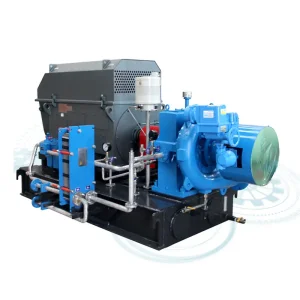
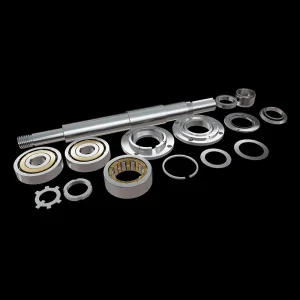
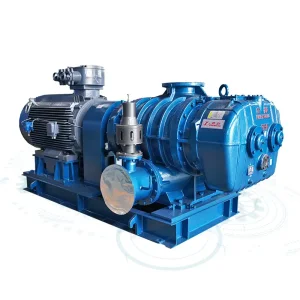
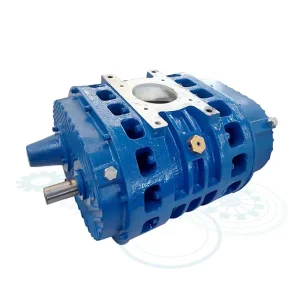
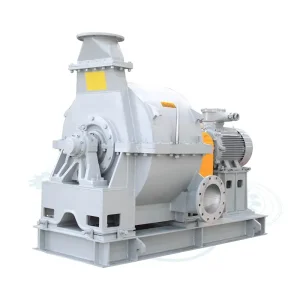
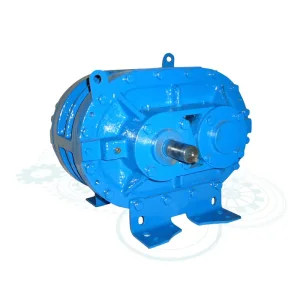
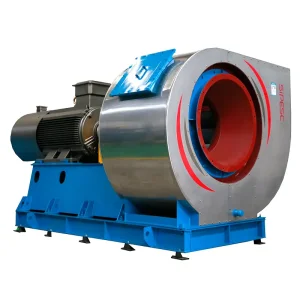
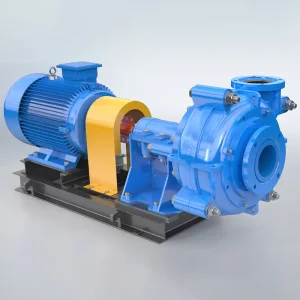
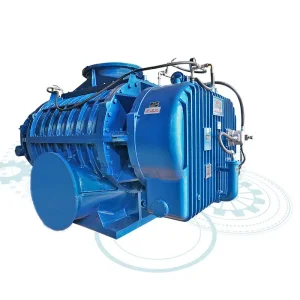
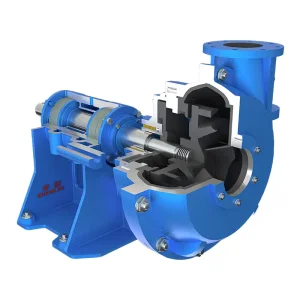
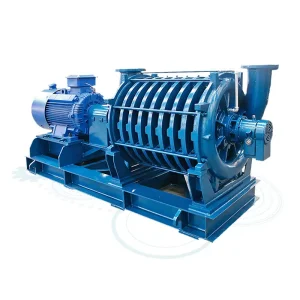
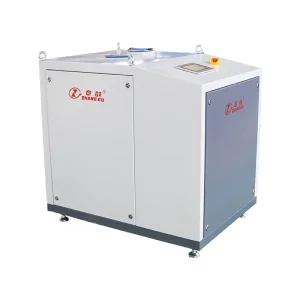
Engineered to deliver exceptional performance under demanding high-pressure and volume environments.
In modern thermal power plants, industrial processing facilities, and chemical manufacturing, boiler feed pump pressure systems act as the circulatory heart of the steam cycle. Standard operations dictate that boiler feedwater must be pressurized significantly above the boiler drum pressure to overcome system pressure drops, frictional losses, and static head. Maintaining precise hydraulic control is vital to prevent thermodynamic catastrophic failures, stabilize steam output, and achieve optimal heat transfer rates.
For supercritical and ultra-supercritical boiler configurations, feedwater pumps are forced to function under pressure parameters ranging from 150 to over 350 bar, with liquid temperatures scaling up to 250°C. In such extreme operational conditions, ordinary pumping machinery is highly susceptible to rotor dynamic instability, rapid seal wear, and cavitation. Selecting an internationally recognized manufacturer with proven experience in heavy-duty design is key to securing plant efficiency and uninterrupted uptime.
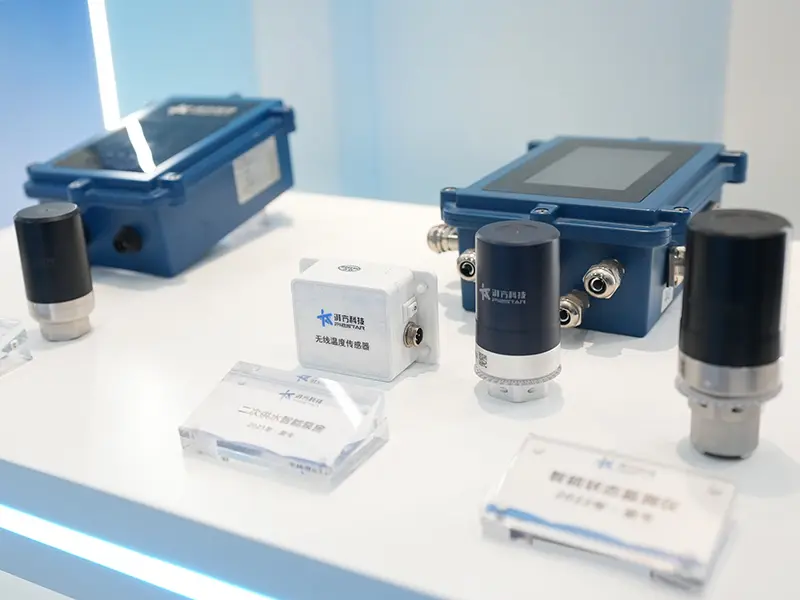
A trusted global leader with 50+ years of manufacturing experience, pioneering advancements in heavy machinery, industrial blowers, and high-pressure pumping solutions.
Established as Shandong Zhangqiu Blower Works and progressing through more than 50 years of design, manufacturing technology, and field-tested experience, ZCBC stands at the forefront of the Chinese and international heavy industrial equipment landscape. Driven by the strategic core directive, “Develop main business, pioneer new fields and innovate, cooperate to be a great company”, and anchored by our foundational operational philosophy, “Do the best”, we have expanded our capabilities far beyond basic manufacturing to become a multinational engineering powerhouse.
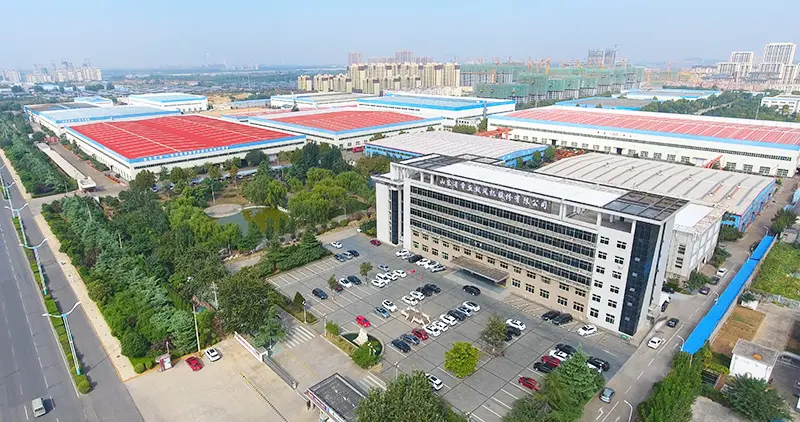
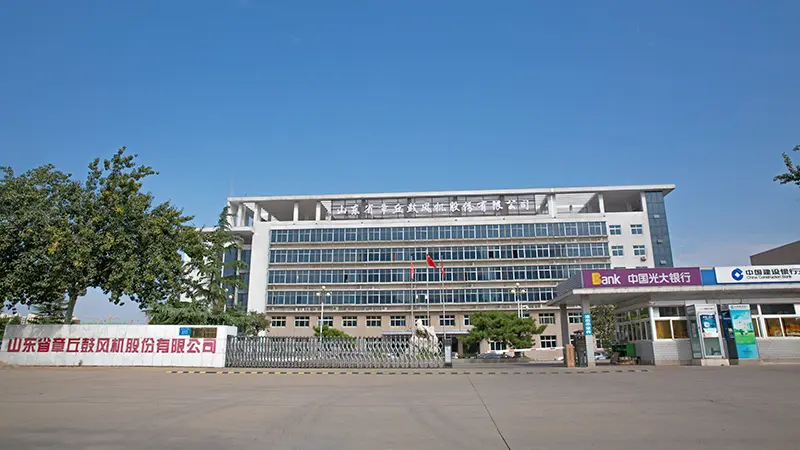
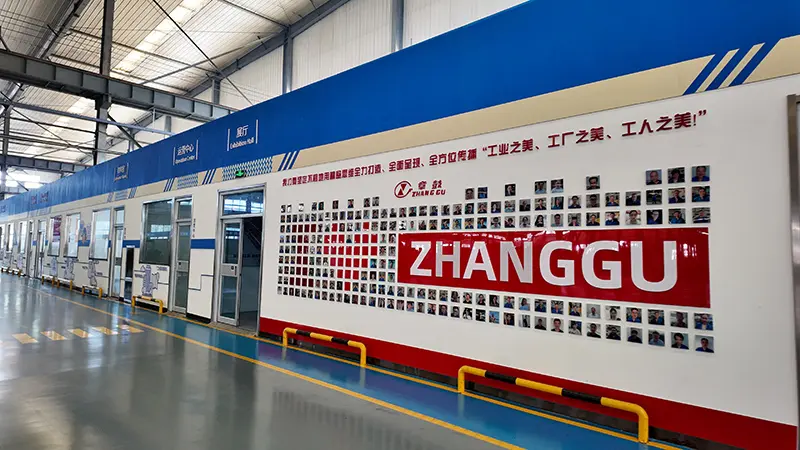
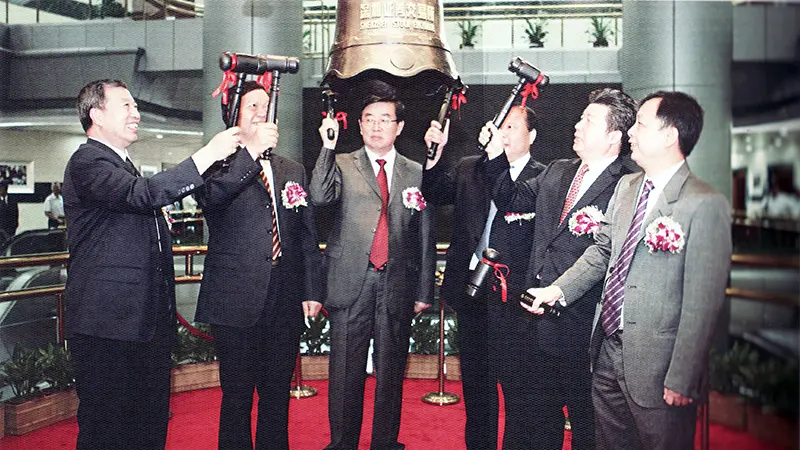
Listed successfully on the Shenzhen Stock Exchange in July 2011 (Stock Code: 002598), ZCBC has continuous, transparent financial backing that empowers constant R&D investments. The company covers a high-standard modern industrial park spanning an impressive 430,000 square meters, built in 2005. Today, ZCBC commands 20 holding companies and operates specialized manufacturing bases across China (Jiangsu Wuxi, Guangdong Dongguan, Hunan Chenzhou, Gansu Jinchang) alongside four dedicated R&D hubs located in Beijing, Shanghai, Shijiazhuang, and Wuxi.
Worldwide demand for high-pressure fluid transportation is shifting towards decentralized cogeneration plants, district heating infrastructure, and advanced multi-stage treatment configurations. As countries scale down coal production and focus on highly efficient thermal processes, boiler systems operate with much tighter margins. This requires feed pumps to handle variable flow profiles without suffering from structural fatigue.
Modern industrial trends indicate key milestones for pump design and pressure regulation:
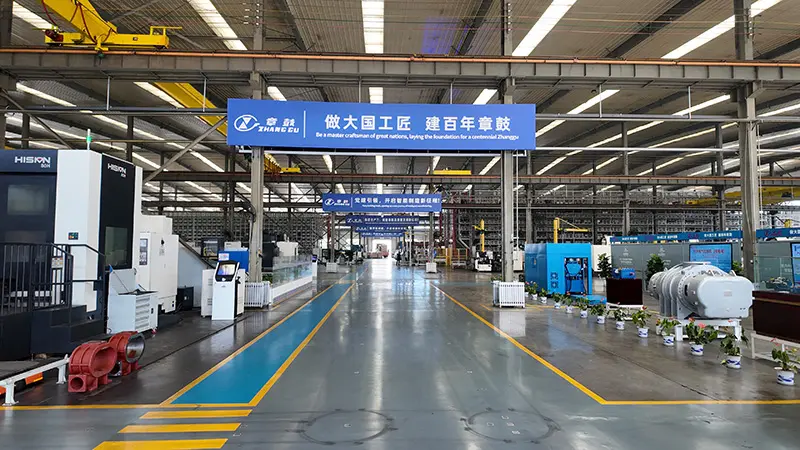
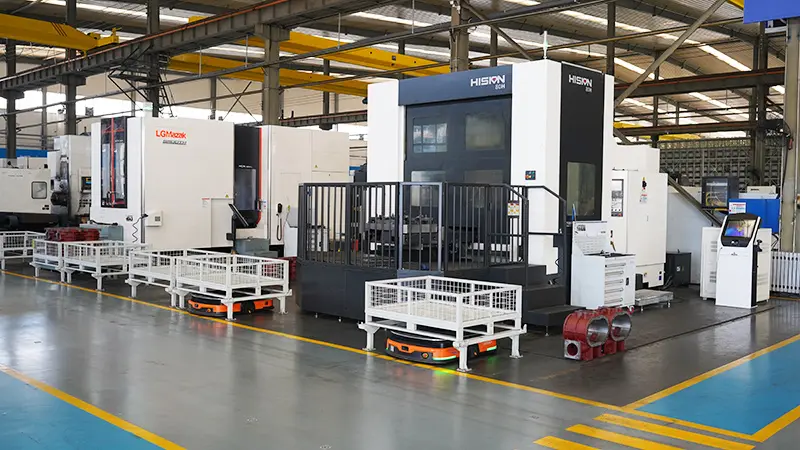
ZCBC has established a rigorous development timeline focusing on hydraulic optimization, fluid-structure interaction (FSI) analysis, and advanced metallurgy. By leveraging our state-of-the-art five-axis CNC machining centers and imported testing systems, we design impellers that minimize internal turbulence, ensuring maximum pressure generation per stage with minimal thermodynamic loss.
Advanced simulation ensures pump impellers are optimized for extreme boiler feedwater temperatures, preventing thermodynamic vapor flashing.
Proprietary sealing arrangements combined with countercurrent cooling pathways prolong mechanical shaft seals under continuous high pressures.
Ensuring minimum shaft deflection under extreme torsional stresses, mirroring technology applied in our high-strength Roots and Centrifugal blowers.
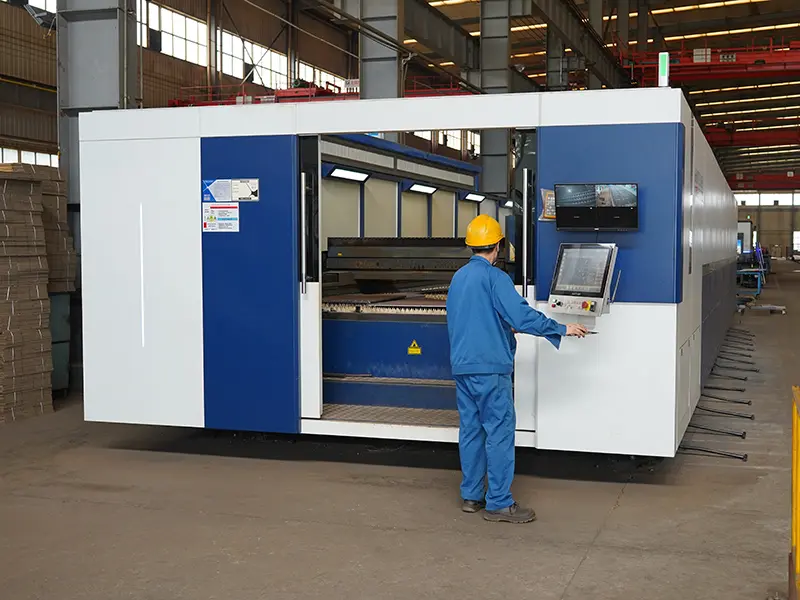
Boiler feed pump pressure demand varies widely by geographic market and local infrastructure parameters. In North America and Europe, stringent energy efficiency mandates require advanced variable-speed controls, whereas rapidly developing industrial zones in Southeast Asia and South America demand rugged, low-maintenance designs capable of operating under volatile power grid conditions.
ZCBC provides localized, high-performance integration configurations:
Ensuring compliance with the most rigorous global industrial testing frameworks and environmental regulations.
ZCBC maintains an industry-leading position through structural investment in our technical staff and fabrication resources. We employ state-of-the-art product lifecycle management (PLM) platforms, computer-aided manufacturing (CAM), and computer-aided testing (CAT) setups. This technology is managed by a highly skilled scientific research team, including senior engineers, academic leaders, and specialists receiving municipal and national government allowances.
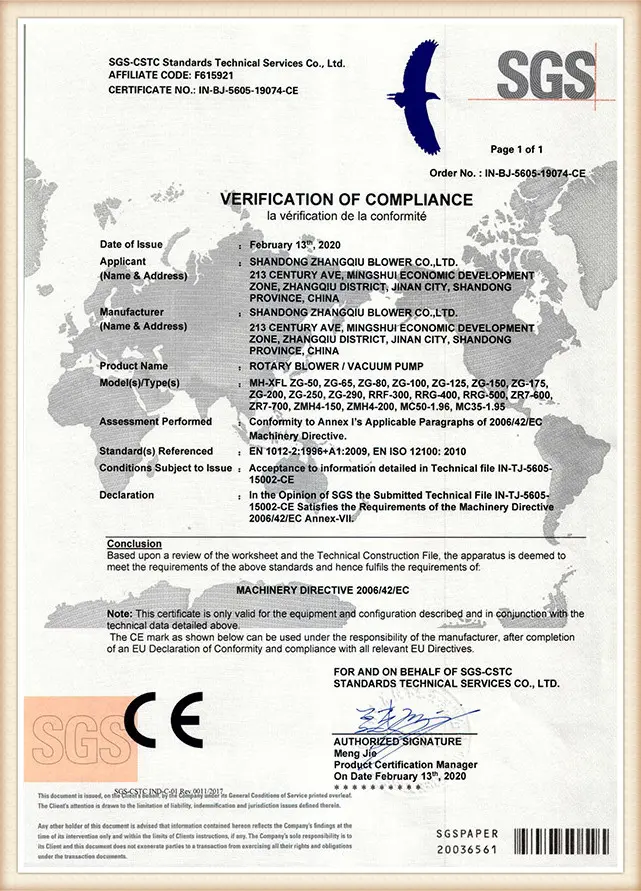
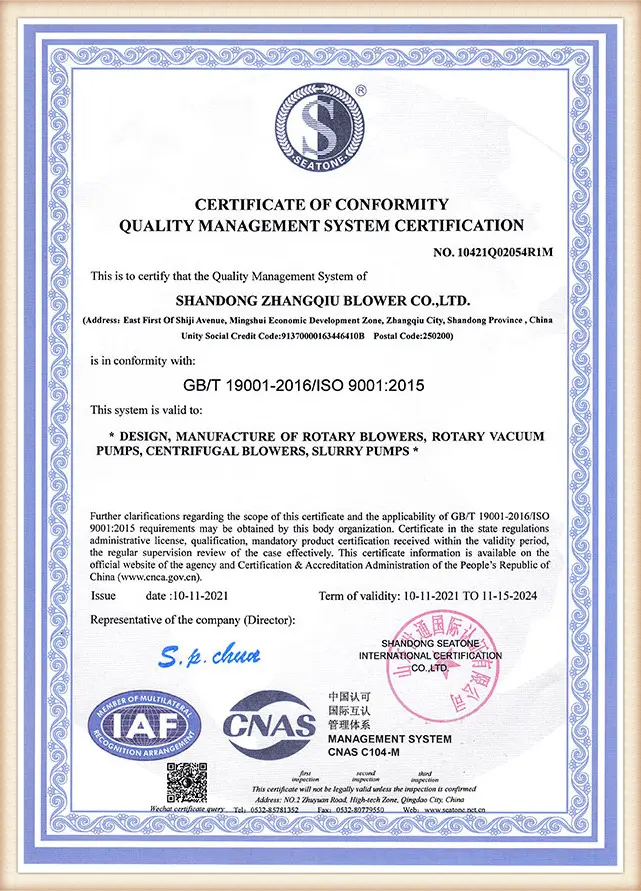
The reliability of our equipment is verified by an extensive range of certifications and authorizations:
Authorized Patents
(Including 5 core Invention Patents)
ISO9001 / ISO14001
Quality & Environmental Systems
CE Compliance
European Union Machinery Directive
Safety Marks
Mining Product & National Safety Standard
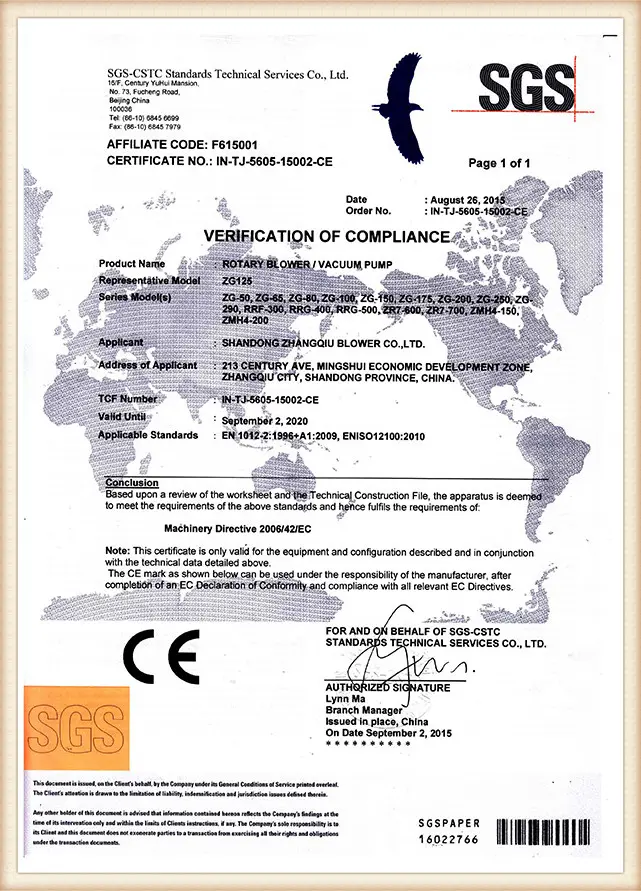
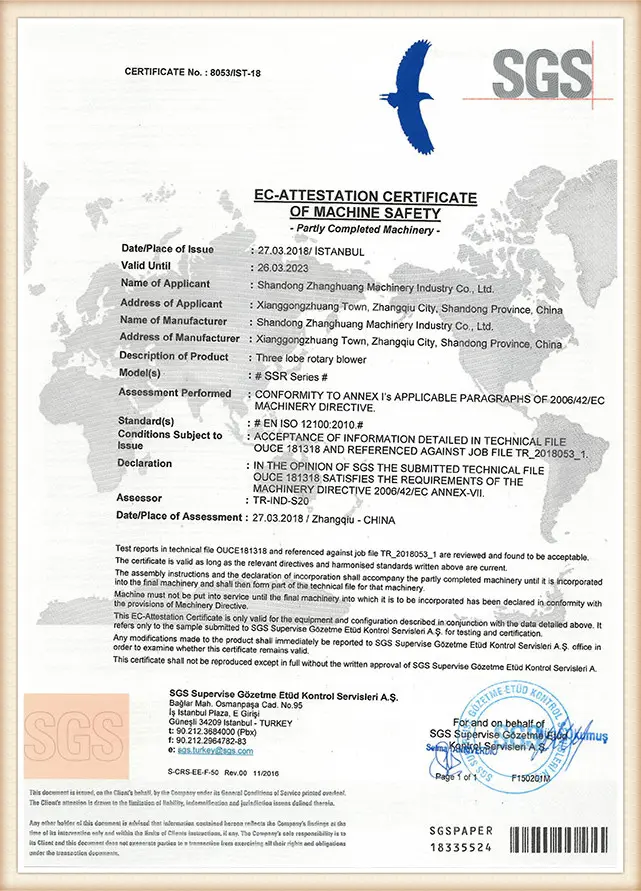
At ZCBC, corporate culture is the soul of our long-term stability and leadership. We firmly believe that “Cohesion produces strength, unity brings glory”. By offering robust Postgraduate Workstations and establishing long-term technological partnerships with premier universities like Tsinghua University, Xi'an Jiaotong University, China University of Mining and Technology, and Shandong University, we continuously cultivate technical leaders and senior engineers.
Our collaborative design teams can provide detailed 3D CAD/CAM drawings within 24 hours of receiving draft system dimensions. Customers globally can coordinate with our USA branch or foreign trade subsidiaries to receive seamless system integrations, complete installations, commissioning procedures, and long-term O&M services.

Find authoritative answers to critical hydraulic questions, system integration challenges, and optimization criteria.
The maximum boiler feed pump pressure is determined by the boiler's design operating pressure, the physical height of the feed line inlet (static head), and the total frictional resistance in the economizer, piping, control valves, and feedwater heaters. Standard design practice requires a margin of 10% to 25% above the maximum boiler drum operating pressure to prevent backflow and maintain positive feed volume control during load transitions.
Cavitation occurs when the local liquid pressure within the pump falls below the vapor pressure of the water. Bubbles form and collapse violently on the impeller surfaces, causing pitting, micro-fracturing, and excessive vibration. It is prevented by ensuring the Net Positive Suction Head Available (NPSHA) exceeds the Net Positive Suction Head Required (NPSHR) by at least 1.5 to 2.0 meters, which can be accomplished by elevating the deaerator tank or utilizing booster pumps.
Single-stage impellers are limited in the amount of pressure head they can safely generate in a single pass without causing extreme impeller velocities. Multistage centrifugal pumps distribute the total head across several consecutive impellers keyed to a single shaft. Each stage increases the kinetic energy and subsequent static pressure, allowing for reliable operation at high discharge pressures without requiring excessive peripheral speed at any single stage.
High thermal ranges demand robust materials to prevent thermal warping and expansion misalignment. Typical metallurgy includes 12% chrome stainless steels (such as CA6NM or ASTM A217 Grade C12), duplex stainless steels, and stellited wear surfaces. For special corrosive or slurry processes adjacent to boiler recovery units, ceramic matrix composites (like the materials used in our high wear-resistance TZJK-TD slurry pumps) offer superior durability and chemical stability.
ZCBC offers comprehensive turnkey engineering capabilities. From initial CAD and 3D modeling within 24 hours of technical input, our experienced engineers manage hydraulic design, manufacture in our ISO-certified facilities, supply necessary spare parts, and perform testing. Through our USA branch and multiple global offices, we oversee onsite installation, commissioning, and long-term operations.
Industrial fans, Roots blowers, and specialized slurry pump replacements designed for maximum uptime.
 Zhangqiu