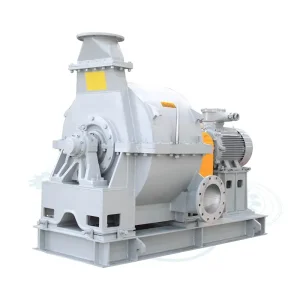
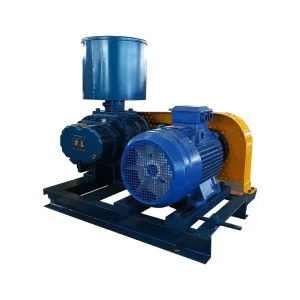
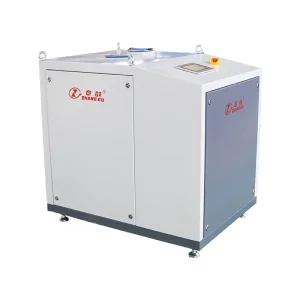
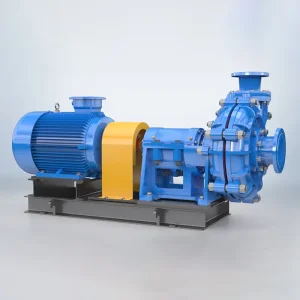
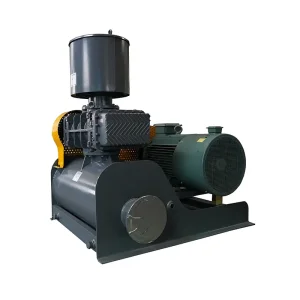
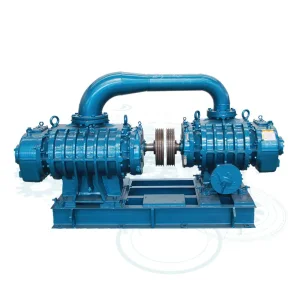
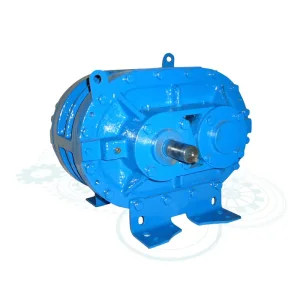
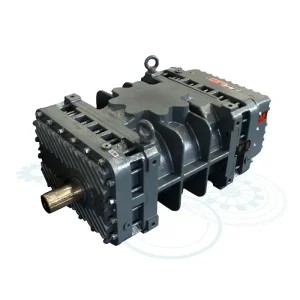
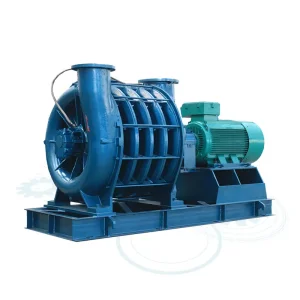
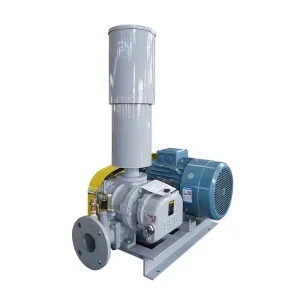
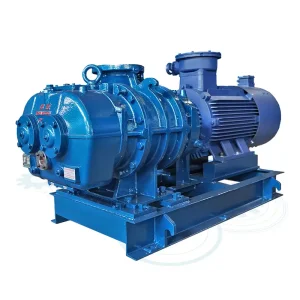
Explore our highly customized power solutions engineered to operate under high pressures, high speeds, and extreme temperatures, ensuring maximum output efficiency.
In high-demand fluid mechanics, the selection of metallurgy determines system longevity, hydraulic efficiency, and operational safety. Bronze circulation pumps represent a vital component in modern commercial heating, municipal potable water circulation, closed-loop HVAC arrays, and marine cooling infrastructures. Unlike cast iron, which is susceptible to oxygenation and rust, or basic stainless steel, which can suffer from crevice corrosion in high-salinity zones, copper-tin alloys (bronze) offer a robust passivation layer. This layer prevents biofilm adhesion and resists aggressive mineral scaling, which is a major factor in efficiency loss over time.
As global energy codes tighten, such as the EU's ErP Directive and the US Department of Energy's (DOE) updated pump efficiency standards, manufacturers are shifting from induction-driven, constant-speed pumps to Electronically Commutated Motor (ECM) systems. Integrating permanent magnet synchronous motors (PMSM) directly with bronze impellers reduces heat generation and minimizes rotor slip. This integration leads to system-wide electricity savings of up to 70% in variable-load commercial loop configurations.
Sourcing agents must evaluate lead-free bronze specifications (e.g., C87800 or C89833 compliant with NSF/ANSI 61 and 372). These materials prevent heavy metal leaching in potable domestic hot water (DHW) loops while maintaining structural integrity under pressures exceeding 15 Bar and operating temperatures up to 110°C.
Ensuring compliance with rigorous global drinking water laws (NSF/ANSI 61) by utilising advanced bismuth-bronze or silicon-bronze alloys.
Precision dynamic balance of bronze impellers prevents localized vapor collapse, reducing wear in high-pressure recirculating lines.
On-board pressure differential sensors regulate frequency in real-time, aligning energy output with instant demand levels.
Commercial procurement dynamics show a shift towards integrated system responsibility. Large mechanical, electrical, and plumbing (MEP) contractors no longer buy bare-shaft pumps from one supplier and external motors or drives from another. The demand is for pre-configured, tested skid mounts with integrated drives that drop into district heating loops or geothermal plant lines with minimal alignment work.
Furthermore, geopolitics and supply chain shocks have made resilience a key sourcing metric. In the North American and European markets, procurement teams evaluate partners based on raw metal price indexing, environmental governance (Scope 1 and 2 emissions in foundry operations), and localized parts availability.
For long-term capital projects, life cycle cost (LCC) analysis is critical. Over a typical 15-year operational span, the initial purchase price of a high-capacity circulation pump accounts for only 10% to 15% of its total cost. The remaining 85% to 90% is consumed by energy bills and maintenance downtime. High-grade bronze casting, matched with optimized volumetric tolerances, prevents wear-induced recirculation loss within the volute casing. This preserves the pump's hydraulic signature over years of operation.
Leveraging advanced automation, smart quality gates, and end-to-end trace systems, China's modern pump manufacturers have evolved from low-cost assembly lines to precision engineering centers. Highlighting this transformation is Shandong Zhangqiu Blower Co., Ltd. (ZCBC). Founded over 50 years ago, ZCBC has expanded from a local champion into a publicly listed powerhouse (Stock Code: 002598) with deep expertise in fluid dynamics and industrial pumping systems.
Spanning a modern 430,000 square meter industrial park, ZCBC operates four specialized manufacturing hubs across Wuxi, Dongguan, Chenzhou, and Gansu. This multi-regional manufacturing layout minimizes regional supply chain risks, ensuring continuous output and timely export delivery to more than 70 countries.
Under Chairman Fang Rungang's leadership, the firm initiated its "Stretching Main Business, New Innovations, and Global Partnerships" strategy, laying the foundation for modern global exports.
ZCBC transitioned into its high-standard, 430,000 m² industrial park, dramatically expanding its CNC machinery footprint and international co-engineering capabilities.
Officially listed on the Shenzhen Stock Exchange (Stock Code: 002598), cementing financial transparency, long-term capital backing, and corporate governance.
Reached annual operating revenues of 1.5 billion yuan and set up four R&D units in Beijing, Shanghai, Shijiazhuang, and Wuxi to pioneer smart fluid solutions.
ZCBC uses state-of-the-art Product Lifecycle Management (PLM) databases, computer-aided manufacturing (CAM) processes, and automated CAT (Computer Aided Testing) loops to verify every hydraulic design. With over 100 sets of advanced machinery—including high-precision five-axis machining centers, CNC machine tools, and coordinate measuring machines (CMM) imported from Germany and Japan—tolerance errors are kept under five microns. This production capacity enables the delivery of customized castings and custom-designed 3D CAD fluid drawings to buyers within 24 hours of enquiry.
Fluid requirements vary significantly by application, necessitating specialized pump configurations:
In hotels and large residential complexes, continuous freshwater recirculation prevents legionella formation and ensures instant hot water at the tap. Standard cast iron pumps would leach rust and ruin water quality. Lead-free bronze pumps provide long-term resistance to corrosion and maintain system sanitization, even under aggressive chlorination schedules.
Geothermal fluids are highly mineralized, presenting chemical challenges to piping systems. Pumping these fluids demands impellers that resist localized corrosion and scale build-up. Silicon-bronze circulation units maintain consistent flow velocities and prevent mineral deposits from narrowing the flow passages.
Marine environments accelerate galvanic corrosion due to high salt concentrations. Systems require robust materials for raw seawater intake and heat exchanger circulation. Bronze offers natural resistance to marine biofouling and prevents crevice corrosion, ensuring reliable cooling loops for critical vessel machinery.
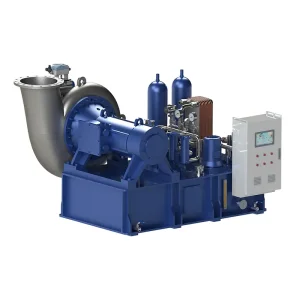
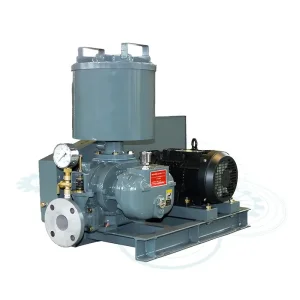
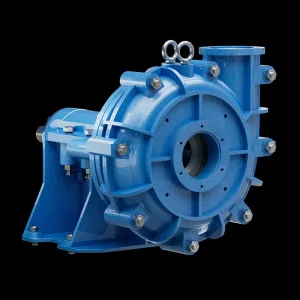
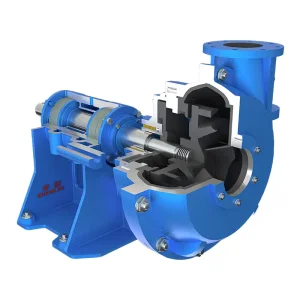
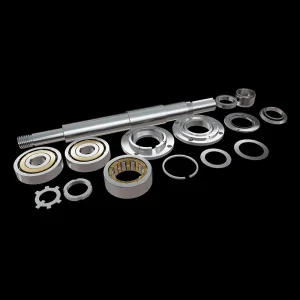
Browse our broader range of heavy-duty slurry pumps, direct-drive turbo blowers, and certified spare parts, engineered to support major mineral processing and water treatment projects.
Our engineering team addresses critical questions regarding the selection, application, and maintenance of bronze circulation pumps for modern industrial systems.
 Zhangqiu