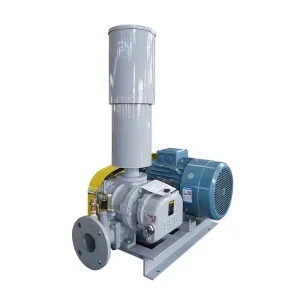
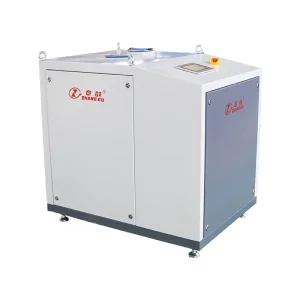
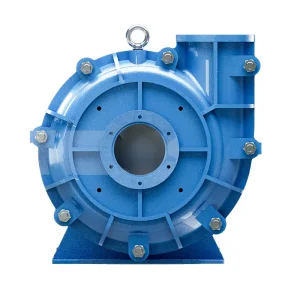
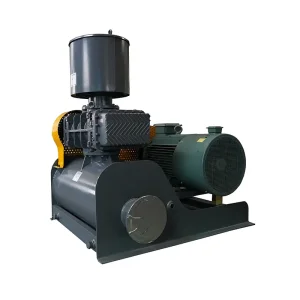
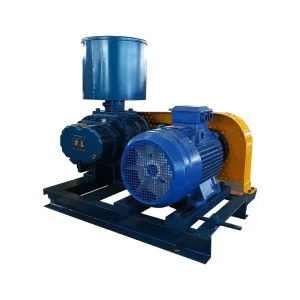
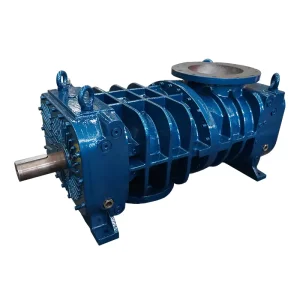
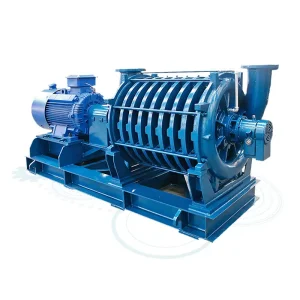
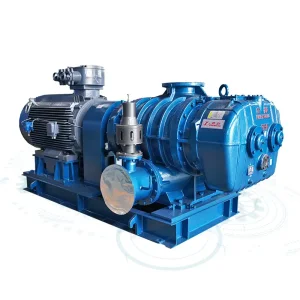
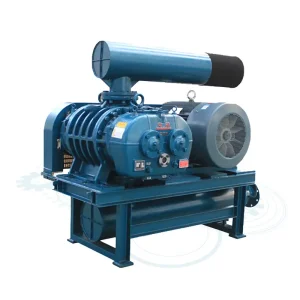
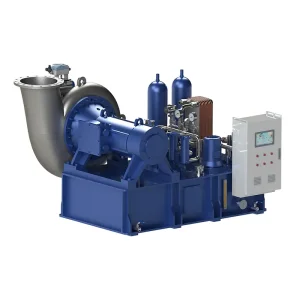
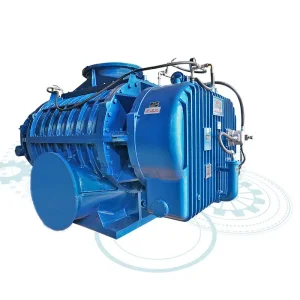
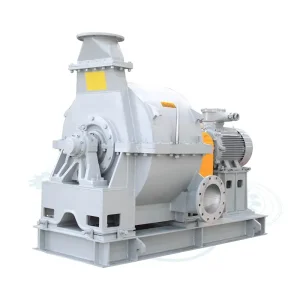
High-performance roots blowers, centrifugal fans, and customized pump technologies for heavy industrial applications.
An engineering whitepaper on optimizing exhaust management, combustion kinetics, and heat extraction efficiency.
In thermal combustion engineering, the induced draft (ID) fan functions as the lungs of the industrial furnace system. Positioned strategically between the boiler/furnace outlet and the exhaust stack, its principal function is to create and maintain negative pressure (static suction draft) within the combustion chamber. This negative pressure compensates for the friction flow resistance of the flue gas passing through combustion chambers, heat exchangers, superheaters, economizers, air preheaters, and pollution control equipment (such as scrubbers or electrostatic precipitators). Without precise, continuous draft control, flue gases cannot exit at optimal velocities, leading to positive pressure blowouts, hazardous gas leakage, incomplete combustion, and catastrophic thermal inefficiency.
Induced draft fans handle highly destructive media: flue gas temperatures ranging from 120°C (248°F) to upwards of 450°C (842°F). This requires high-temperature steel alloys (such as ASTM A242 or specialty nickel-chromium-based alloys) and water-cooled bearing pedestals to prevent thermal distortion. The presence of fly ash, acidic condensation (e.g., sulfuric acid dew point corrosion), and gaseous reactants requires high wear-resistant coatings (like tungsten carbide spray cladding) and hard-faced impeller blades. Thermally stable fan design ensures that structural expansion and contraction do not compromise the tight run-out tolerances between the impeller inlet cone and the fan casing, which is vital for preventing volumetric bypass leakage and aerodynamic stall.
Selecting the optimal induced draft fan involves a careful balance between the boiler's volumetric output flow rate and the required total static pressure. Unlike Forced Draft (FD) fans, which handle ambient, dense air, ID fans must process highly expanded, hot gas volumes with lower density. Using high-efficiency backward-curved or backward-inclined impellers provides static efficiencies of up to 88%, reducing operational power demands. Variable Inlet Guide Vanes (IVG) or Variable Frequency Drives (VFD) are essential for maintaining correct system draft curves under varying furnace load demands, saving up to 40% in motor energy during partial load phases.
Shandong Zhangqiu Blower Co., Ltd. (formerly Shandong Zhangqiu Blower Works) has over 50 years of experience in blower design, engineering, and manufacturing. By establishing two Sino-Japanese Joint-ventures and a USA branch, we became the first enterprise in China's blower industry to build an overseas corporate network. As a leading public enterprise (Stock Code: 002598, listed on the Shenzhen Stock Exchange on July 7, 2011), ZCBC remains the market leader in China's roots blower and industrial fan markets.
Our long-term growth strategy is: "Develop main business, pioneer new fields and innovate, cooperate to be a great company", backed by our core work concept: "Do the best". ZCBC has developed into a modern industrial conglomerate that designs, manufactures, and services a wide range of products including Roots Blowers, Centrifugal Blowers, Industrial Fans, Slurry Pumps, Pneumatic Conveying Systems, Electrical Equipment, and MVR (Mechanical Vapor Recompression) Evaporation Systems.
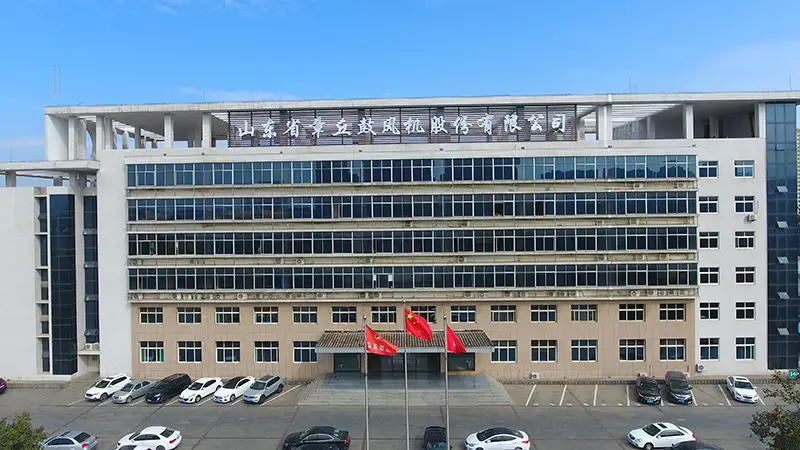
Our commitment to technological innovation, academic collaborations, and high-precision testing facilities.
Our scientific research team is led by senior experts enjoying State Council special allowances, supported by municipal engineering researchers and Jinan "5150" talent project PhDs. We operate a dedicated "postgraduate workstation" and have over 10 global consultants collaborating with institutions like Tsinghua University, Xi'an Jiaotong University, and Shandong University.
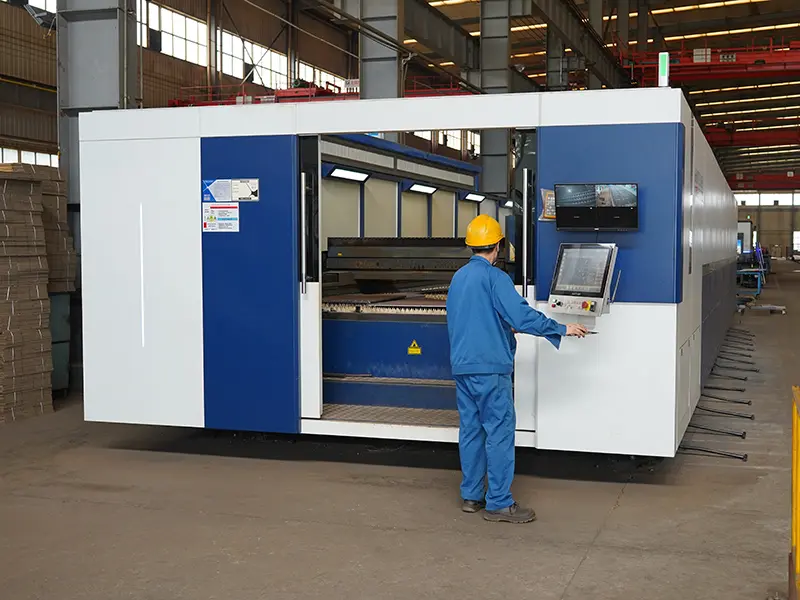
Our workshops feature over 100 sets of advanced processing machinery, including CNC machining centers, five-axis machining centers, high-accuracy three-axis measuring coordinate systems, ultrasonic flaw detectors imported from Japan and Germany, and computerized dynamic balancing machines for impellers up to several meters in diameter.
We use Product Lifecycle Management (PLM) systems, Computer-Aided Manufacturing (CAM), Computer-Aided Process Planning (CAPP), and automated Computer-Aided Testing (CAT). This ensures that every induced draft fan or high-pressure roots blower meets design specifications and tolerances before leaving the factory floor.
High-quality, cost-efficient, and globally compliant industrial fan engineering.
From raw casting and impeller dynamic balancing to finished testing, we handle all production processes in-house to control quality and delivery times.
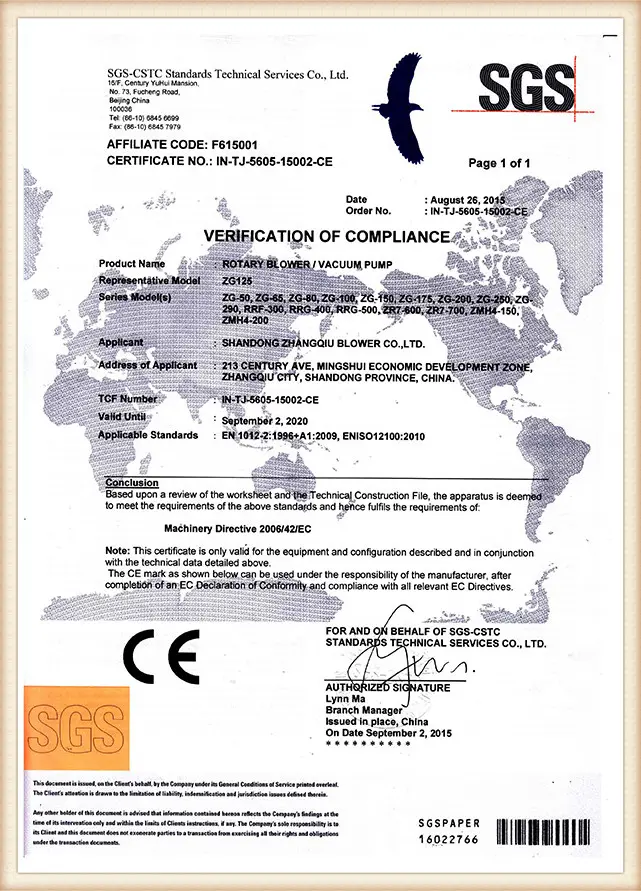
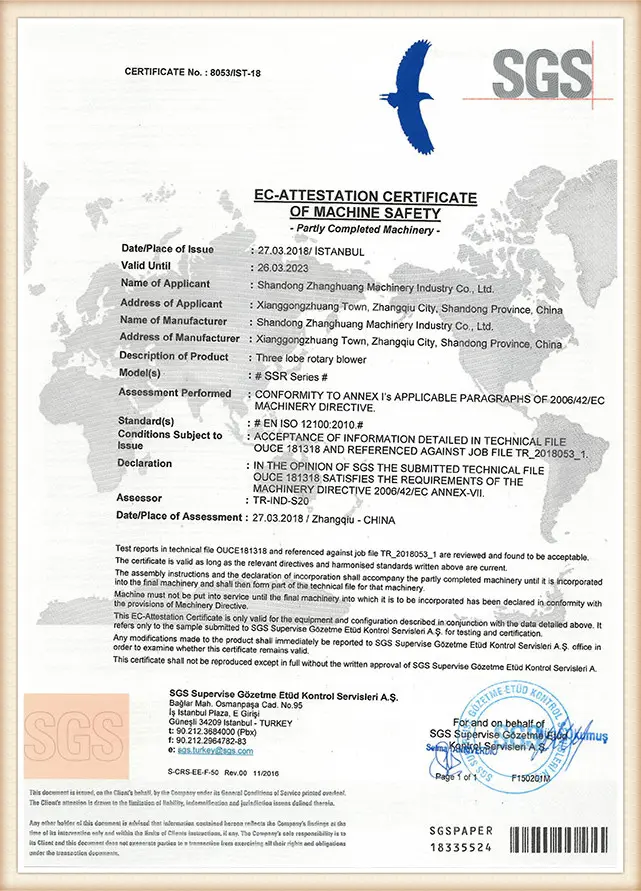
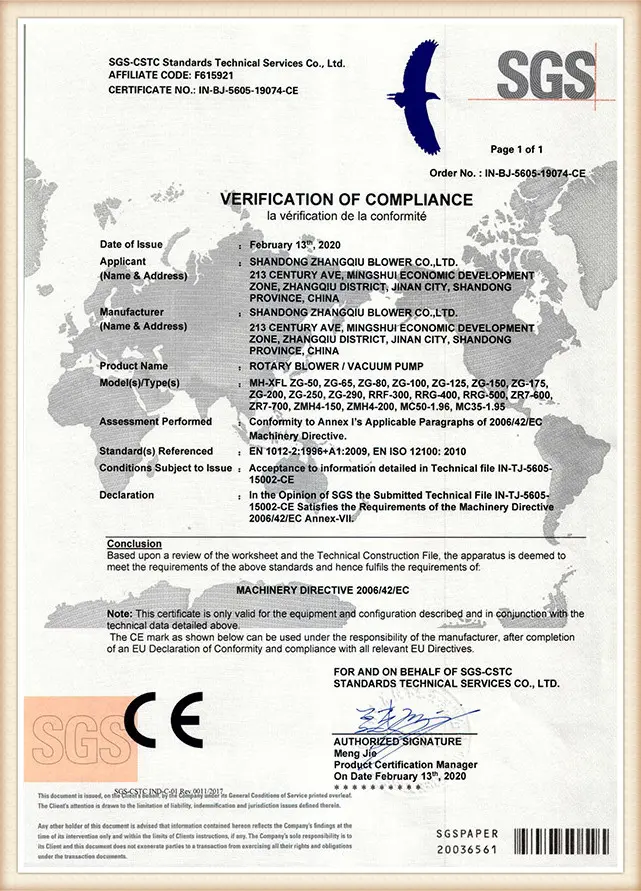
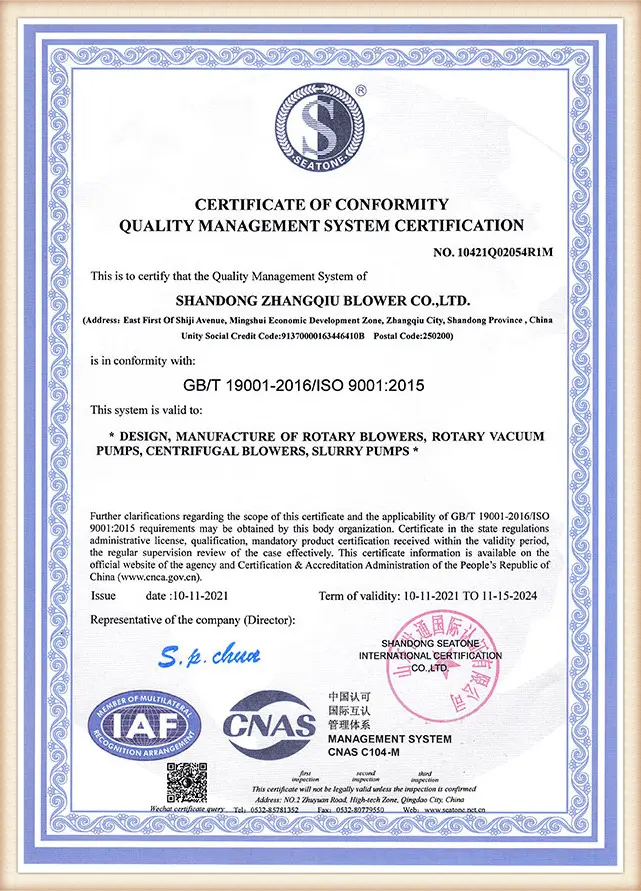
ZCBC is ISO9001, ISO14001, ISO50001, and ISO 10012 certified. Our product lines meet CE, 3C, and Mining Safety standards.
Our design team provides customized 3D models and CFD flow analysis simulations within 24 hours based on your technical specs.
Exporting to over 70 countries—including the US, Germany, and Italy—with technical assistance and parts supply through our global service network.
Customized air handling and process gas configurations across critical sectors.
In large-scale district heating furnaces and biomass-fired power stations, ZCBC's induced draft fans extract hot flue gases from the combustion chamber, pulling them through boilers, soot blowers, and air preheaters. Integrating Variable Frequency Drives (VFD) with the furnace pressure control loop enables automatic adjustment of exhaust gas extraction speed. This keeps the furnace chamber at a slight negative pressure, ensuring fuel-efficient combustion and preventing leakage into the workspace.
Incineration processes generate highly corrosive flue gases containing hydrogen chloride (HCl), sulfur oxides (SOx), and particulate fly ash. ZCBC designs customized ID fans using duplex stainless steels (such as SAF 2205) and wear-resistant coatings. These fans reliably withstand chemical erosion and physical wear, ensuring continuous, 24/7 draft stability for municipal waste incinerators.
Metal smelting generates dust-laden, high-temperature off-gases. ZCBC’s industrial fans are optimized for smelting applications with water-cooled bearing assemblies and vibration monitoring systems. They handle extreme temperature swings without mechanical deformation, helping capture heat and control emissions in blast furnace systems.
ZCBC provides integrated industrial solutions, design, and commissioning for MVR (Mechanical Vapor Recompression) crystallization loops and wastewater treatment projects. We help chemical and zero-liquid-discharge (ZLD) plants optimize water treatment processes, reduce operating costs, and meet environmental compliance standards.
Evidence of our quality standards, research history, and compliance credentials.
ZCBC has developed and patented key technologies in industrial gas handling, including countercurrent cooling, advanced fan noise reduction, anti-stick impeller coatings, two-stage tandem configurations, oil-free grease lubrication, and helical tri-lobe impeller geometries. We hold 69 patents, including 5 invention patents and 2 software copyrights. As a key drafting member of the Chinese National Roots Blower Standards, ZCBC works to ensure reliability and engineering excellence in every product line.

Key technical parameters required to customize and source heavy industrial draft fans.
Procuring an engineered-to-order induced draft fan requires detailed operational parameters to ensure compatibility with your plant's combustion loops. Our engineering team recommends providing the following technical data during the design phase:
Specify flue gas chemical analysis (SOx, NOx, moisture percentage) and ash concentration (mg/Nm³). Since hot gases are less dense than air, our engineers calculate the dynamic density at the fan inlet to size the impeller and motor correctly.
Define the static suction pressure required (usually in Pa or mmH2O) to overcome the resistance of boilers, ductwork, and scrubbers. Specify the design volumetric flow rate (m³/h or CFM) at maximum operating temperature.
Provide normal operating, design, and transient startup temperature peaks. This data determines the fan's thermal expansion clearances, alloy steel selection, and whether water-cooled or oil-lubricated bearings are required.
Specify details about variable frequency drives (VFD) and automation system interfaces (PLC, Modbus, Profibus). This allows us to configure guide vane actuators and sensors to integrate with your combustion control loops.
Answers to technical questions about induced draft fans, operations, and global procurement.
A Forced Draft (FD) fan pushes clean ambient air into the combustion chamber to supply oxygen for combustion. An Induced Draft (ID) fan is placed at the furnace outlet to draw hot exhaust gases out of the furnace, maintaining a negative pressure within the combustion chamber to prevent flue gas from leaking into surrounding plant areas.
We use corrosion-resistant alloys (such as high-grade stainless steels) and wear-resistant coatings (such as tungsten carbide spray cladding) on the impeller blades. This extends the service life of our fans in abrasive environments containing fly ash or acidic flue gases.
Yes. Our engineering team can customize the inlet and outlet transitions, casing direction, and motor mounting arrangements to match the existing dimensions of your current equipment, helping simplify on-site installation.
Our high-temperature fans are engineered to operate continuously in gas environments ranging from 120°C (248°F) up to 450°C (842°F). For higher temperatures, we incorporate specialized heat-dissipating discs, water-cooled shaft cooling, and heat-resistant alloys.
Standard model blowers and fans are typically shipped within 4 to 6 weeks. Customized industrial fan designs with specific metallurgy or complex paint/coating requirements usually require 8 to 12 weeks, including dynamic balancing and performance run testing.
Heavy-duty vacuum systems, turbo aeration blowers, and genuine replacement parts for global process lines.
Connect with our design office to configure customized induced draft fans or roots blowers for your plant operations.
 Zhangqiu