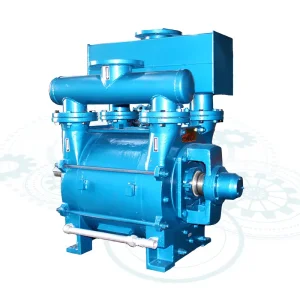
Discover high-capacity air displacement and pumping units certified under rigorous global quality parameters. Tailored to withstand corrosive chemicals and severe heat profiles.
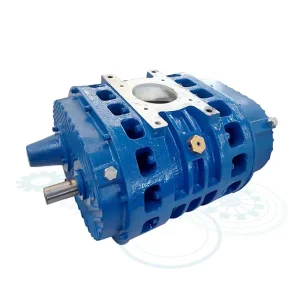
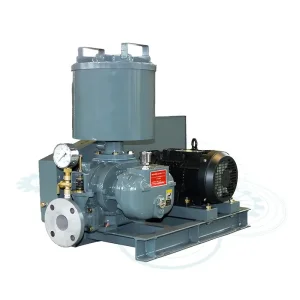
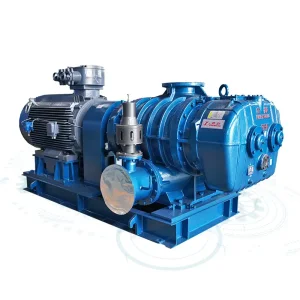
Moving air, gas, or process vapors at elevated temperatures exceeding 150°C (300°F) up to 800°C (1472°F) poses massive physical and chemical challenges. As gas temperature rises, its density drops proportionally, directly affecting volumetric efficiency, pressure output, and mechanical load on thermal blowers. Without precise design measures, extreme heat will lead to thermal expansion misalignment, catastrophic bearing failure, and impeller deformation.
Shandong Zhangqiu Blower Co., Ltd. (ZCBC) tackles these hazards by leveraging 50+ years of high-performance manufacturing history. Modern industrial air processes demand engineered cooling systems, custom metallurgy, and predictive sealing structures. Standard high-temperature configurations integrate external cooling disks, water-cooled bearing chambers, and zero-leakage nitrogen-purged shaft seal mechanisms.
Severe thermal duty blowers are no longer static pieces of hardware. They represent crucial components in modern production lines focusing on decarbonization and smart automation.
Global manufacturers are rapidly adopting Mechanical Vapor Recompression (MVR) crystallization systems. These installations recycle waste heat from steam loops, saving up to 60% in energy compared to traditional multi-effect evaporators. Blowers in these setups handle high-temperature, corrosive water vapors continuously.
Traditional belt-driven blowers undergo heavy friction losses and require frequent alignment maintenance under high heat. Modern procurement demands PMSM direct-drive turbo blowers to ensure optimal energy transfer, compact design, and variable speed operation matching real-time process fluctuation.
With the global push toward green hydrogen production and strict emissions compliance, high-temperature blowers must integrate explosion-proof motors (ATEX/IECEx) and double-acting mechanical gas seals to prevent any hazardous leakage into ambient production environments.
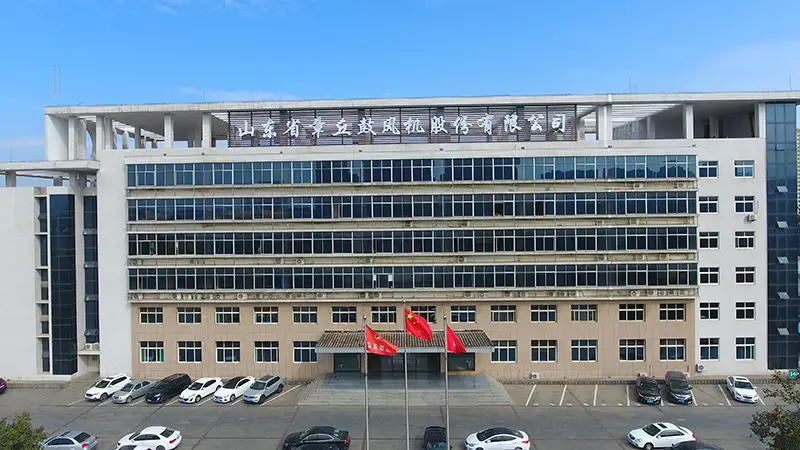
Originally established as Shandong Zhangqiu Blower Works, ZCBC represents a premier benchmark of engineering and production capability in the global blower landscape. Occupying a high-standard, 430,000 m² industrial park since 2005, the corporation achieved a major milestone on July 7, 2011, when it officially listed on the Shenzhen Stock Exchange (Stock Code: 002598).
Through strategic growth, ZCBC has built 4 production hubs (in Wuxi, Dongguan, Chenzhou, and Gansu Jinchang) alongside 4 advanced research and development centers based in Beijing, Shanghai, Shijiazhuang, and Wuxi. By employing experts supported by State Council special allowances and partnering with academic institutions like Tsinghua University and Xi'an Jiaotong University, ZCBC drives technological breakthroughs daily.
Lifecycle management tools and computer-aided testing (CAT) guarantee that clearances are engineered to microscopic precision, preventing thermal friction binding.
Includes CNC five-axis machining centers, high-accuracy three-coordinate measuring instruments, and non-destructive ultrasonic testing facilities imported from Japan and Germany.
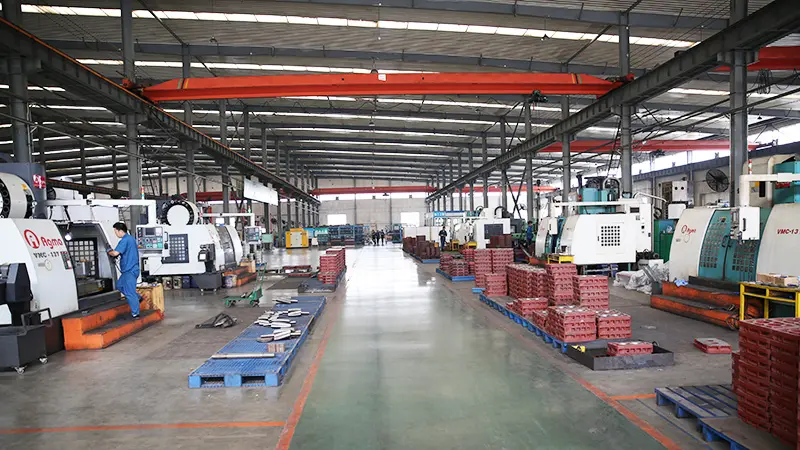
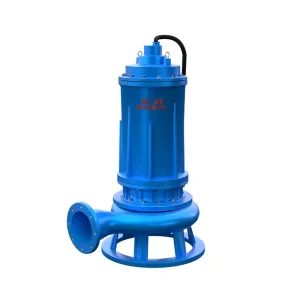
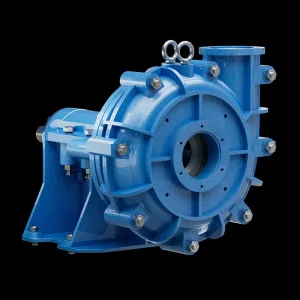
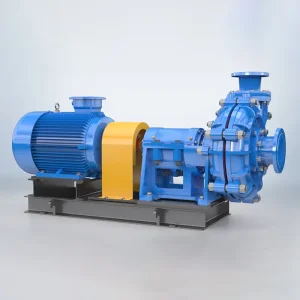
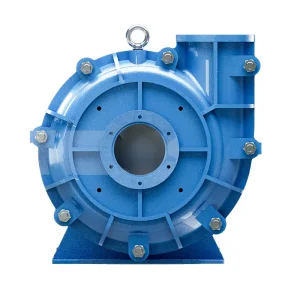
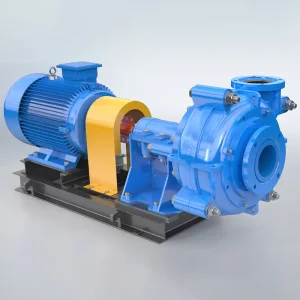
How high-temperature blowers and advanced slurry pump systems operate in heavy-duty utility and industrial processing applications.
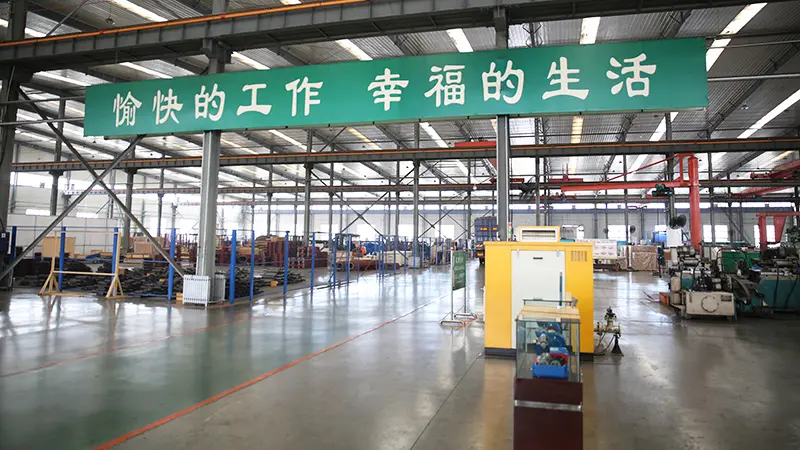
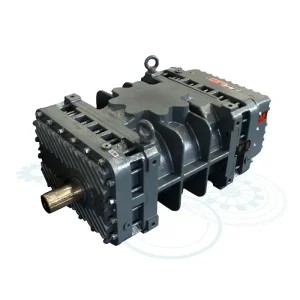
In power plants and metal smelting kilns, blowers must handle hot flue gases loaded with toxic sulfur dioxide and abrasive soot particles. Regular steel blowers disintegrate within weeks under these conditions. ZCBC delivers desulfurization pump solutions paired with high-temperature roots gas systems, featuring corrosion-proof ceramics and high-chromium alloys to combat abrasive erosion.
Conveying hot bulk powders—such as fly ash, cement clinker, or chemical catalysts—requires high-pressure dry air at constant volume. Systems like the TRK6008A Dry Bulk Truck Blower are custom-configured to operate continuously, preventing material moisture condensation or localized overheating within the conveying lines.
Aeration basins consume up to 60% of a wastewater treatment plant's electrical budget. By utilizing highly efficient roots blowers (e.g., the SSR-K Series) and next-gen direct-drive turbo blowers, municipal plants save enormous amounts of energy while delivering optimal dissolved oxygen levels despite warm ambient conditions.
Our commitment to sustainable development, digital integration, and carbon-neutral goals over the next decade.
Full-scale commercial deployment of magnetic levitation blowers for extreme high-temperature loops, eliminating mechanical friction losses and lubricating oils completely.
Integrating vibration, temperature, and torque sensors directly into the cloud. Algorithms predict bearing wear-outs 500 operating hours in advance, avoiding costly emergency shutdown events.
Development of ceramic-metallic composite structural components for blowers running in environments exceeding 900°C, supporting future clean hydrogen furnace applications.
To ensure worry-free integration across different markets, ZCBC has secured a massive portfolio of international safety and environmental certifications. These include ISO9001, ISO14001, ISO50001 (Energy Management), and ISO10012. Our critical blower designs have passed CE, ATEX (explosive atmospheres), 3C, and Mining Safety requirements.
ZCBC has established a dedicated USA subsidiary alongside two Sino-Japanese joint ventures. This framework provides regional distributors and end-users with rapid access to technical engineering teams capable of generating 3D CAD files within 24 hours of receiving custom requests.
Certified energy performance ensures lowest operational costs over equipment lifetime.
Enables safe, sparks-free underground deployment in hazardous mine exhaust operations.
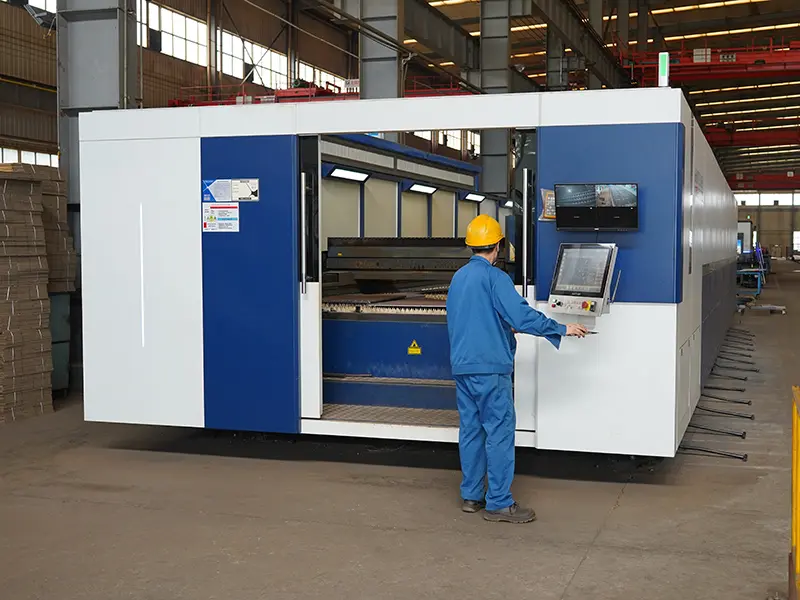
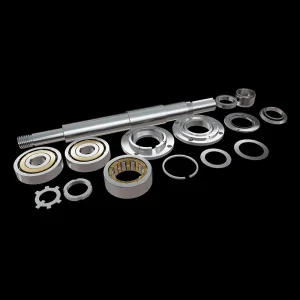
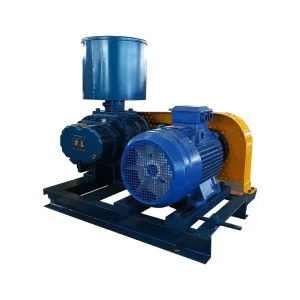
Select from ZCBC's signature industrial blowers, vacuum pumps, and high-strength replacement parts engineered to exceed traditional durability thresholds.
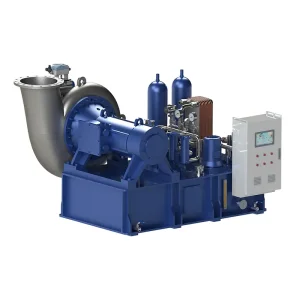
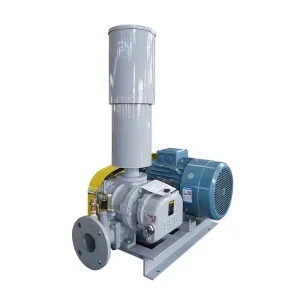
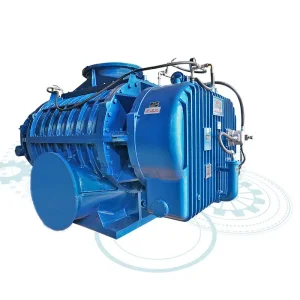
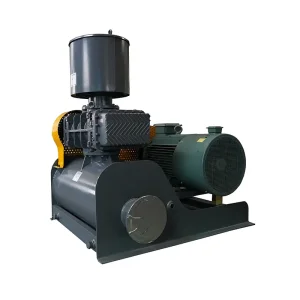
Find direct answers to critical design, operation, and maintenance questions curated by ZCBC's chief engineers.
For temperatures between 300°C and 500°C, stainless steel grades such as SUS304 or SUS316 are standard. However, once temperatures exceed 500°C, structural integrity drops rapidly due to thermal creep. ZCBC implements high-grade heat-resistant steels such as SUS310S, Hastelloy, or Inconel alloys. These materials feature high nickel and chromium fractions, preventing oxidation scaling and maintaining yield strength under severe thermal loading.
The density of gas is inversely proportional to its absolute temperature (Ideal Gas Law). As gas heats up, it becomes less dense, resulting in lower pressure differential output for a constant rotational speed. Consequently, when designing high-temperature blower installations, the blower's volumetric displacement capacity must be sized based on the actual inlet temperature and density, not the standard ambient conditions (STP). The motor power, however, must be designed to handle the cold-start phase when the gas is dense, to prevent overload trips.
Permanent Magnet Synchronous Motors (PMSM) direct drive designs eliminate belt slip, which degrades efficiency and generates ambient heat. They operate with variable frequency drives (VFD) to match production fluctuations dynamically. The lack of pulley bearings and belt maintenance increases the Mean Time Between Failures (MTBF) and allows high-speed impellers to reach efficiency margins above 85%.
To isolate critical bearings from the gas stream's heat, ZCBC implements a combination of design measures: first, a thermal isolation disk (heat dissipation wheel) is mounted on the shaft to shed heat before it reaches the bearing block; second, the bearing housing features integrated cooling fins and can be configured with an active water-jacket cooling loop; third, we utilize specialized synthetic grease or oil lubrication loops rated for high shear and high-temperature environments.
For standard processes, carbon ring seals or multi-stage labyrinth seals are sufficient. However, for toxic, acidic, or explosive gases, we use pressurized double-acting mechanical seals or gas-barrier face seals. Injecting an inert purge gas (typically nitrogen) at a pressure slightly higher than the internal process loop ensures zero process gas escapes to the atmosphere, meeting strict environmental safety regulations.
Absolutely. In mineral processing and MVR evaporator/crystallizer loops, ceramic slurry pumps (such as our TZJK-TD series) operate in tandem with high-temperature vapor compression systems. While the blower compresses steam, the ceramic slurry pump handles highly abrasive, concentrated salt slurries at high temperatures, preventing wear and chemical corrosion that would destroy standard alloy pumps.
ZCBC houses a highly responsive design engineering department. When clients send layout drafts, 3D constraints, or target gas parameters, our team is equipped to generate and share complete CAD modeling and dimensional drawings within 24 hours. This speeds up structural calculations and simplifies integration into customer plant designs.
 Zhangqiu