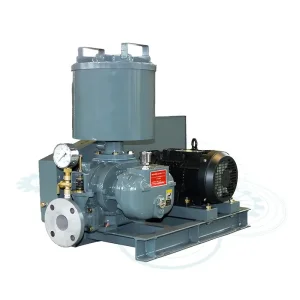
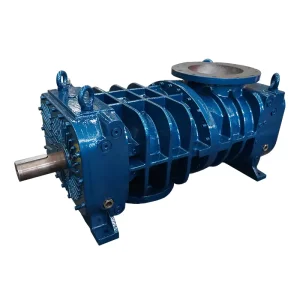
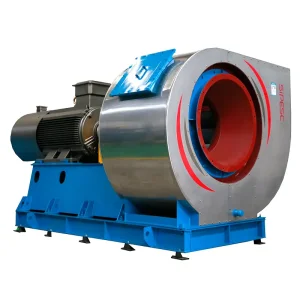
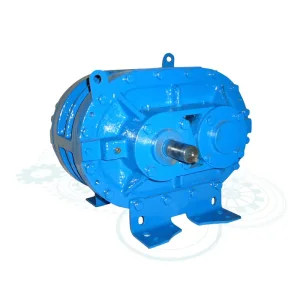
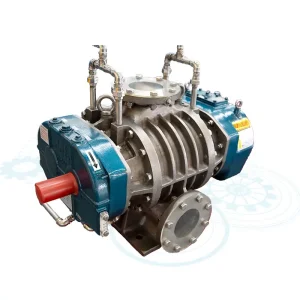
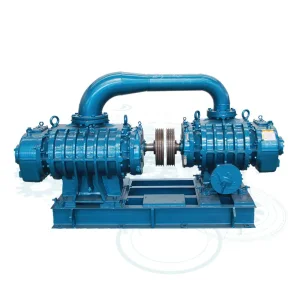
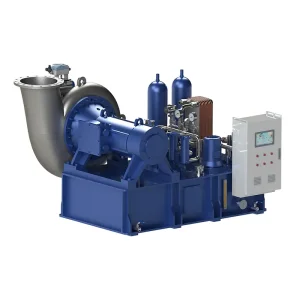
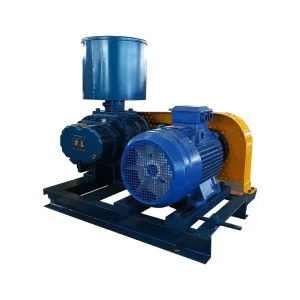
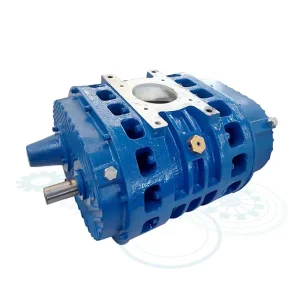
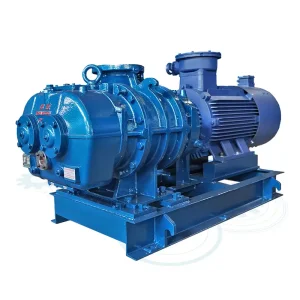
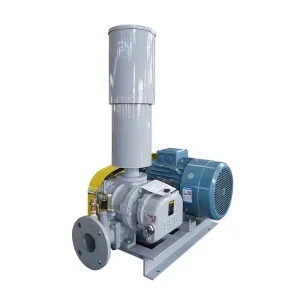
High-performance aerodynamic configurations engineered for heavy-duty material recycling and industrial process circulation.
In high-temperature energy generation, mineral processing, and chemical synthesis, the recirculation of particulate media is a key driver of thermal and volumetric efficiency. Material returning fans function at the heart of these recovery loops, demanding unparalleled structural integrity, aerodynamic design, and erosion resistance.
Shandong Zhangqiu Blower Co., Ltd. (ZCBC) has stood at the forefront of industrial blower manufacturing for over 50 years. With engineering expertise rooted in design precision and wear mitigation, we build heavy-duty centrifugal and roots blowers optimized to act as material returning systems. Our dynamic airflow systems ensure stable pressure and volumetric consistency, even when operating in high-dust, high-temperature, and abrasive environments.
Traditional pneumatic handling systems suffer from accelerated wear along the blade profiles and housings due to the high-velocity impact of particles. ZCBC addresses these failure vectors through advanced computational fluid dynamics (CFD) modeling, hard-facing technology, and customizable internal liners, including ceramic tile arrays and high-chromium carbides. These engineering innovations ensure extended service lifespans and reduced maintenance downtime for processing operations globally.
Material returning fans must maintain a critical minimum transport velocity to prevent settling and saltation in the ductwork. Conversely, excessive velocities cause exponential wear. ZCBC designs incorporate variable frequency drive compatibility and real-time static pressure feedback to dynamically stabilize operating parameters, optimizing efficiency while keeping wear factors within safe tolerances.
Aligning with international decarbonization goals and the transition toward closed-loop manufacturing.
Modern environmental regulations mandate minimal carbon output and high thermal retention. By returning unburnt particulate matter or fly ash to fluidized boilers via closed-loop returning fans, operators achieve near-total combustion efficiency and reduce emissions to target levels.
Handling volatile dust or high-temperature media poses significant dust-explosion and safety hazards. ZCBC's material returning designs utilize spark-resistant construction, advanced shaft seals, and explosion-proof direct-drive configurations certified to meet rigid safety standards.
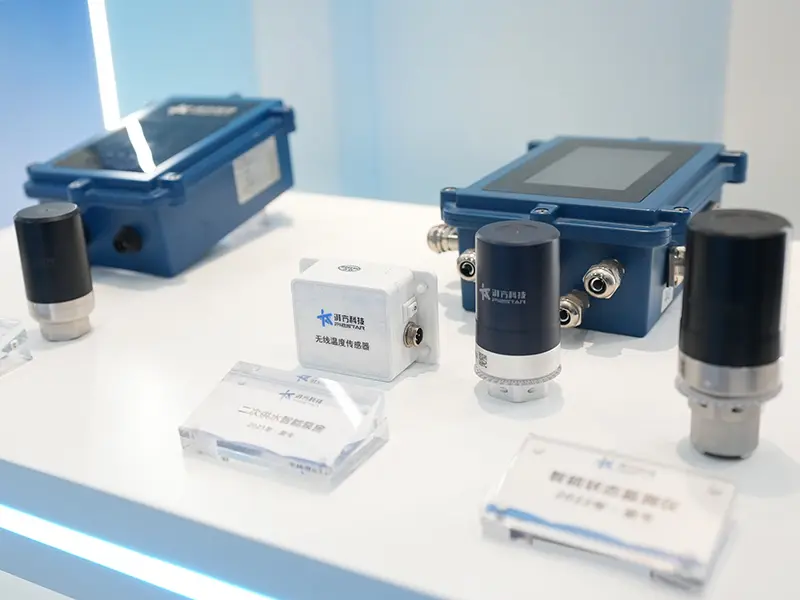
Integrating smart sensor architectures enables real-time acoustic, vibration, and temperature monitoring. Operators receive automated wear alerts before critical threshold failures occur, transitioning operations from reactive fixes to predictive maintenance cycles.
Industry Experience
Export Footprint
Patents & Innovations
Operating Income (2020)
From a state-recognized technology center to global stock exchange listing, ZCBC sets the benchmark for blower engineering.
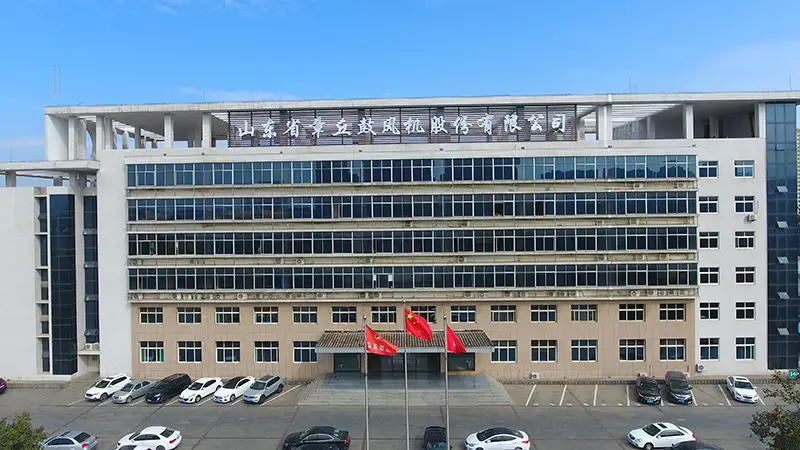
Founded as Shandong Zhangqiu Blower Works, ZCBC has expanded into a modern multi-facility enterprise. In July 2011, we achieved a significant development milestone by listing on the Shenzhen Stock Exchange (Stock Code: 002598). Headquartered in our 430,000 m² high-standard modern industrial park, ZCBC operates 20 holding companies, 4 domestic manufacturing bases (Jiangsu Wuxi, Guangdong Dongguan, Hunan Chenzhou, Gansu Jinchang), and 4 dedicated R&D hubs in Beijing, Shanghai, Shijiazhuang, and Wuxi.
Our technological leadership is driven by a highly specialized scientific research team composed of engineering experts enjoying the State Council's special allowances, municipal academic leaders, and doctoral graduates from Jinan's "5150" talent project. Supported by a "postgraduate workstation," ZCBC collaborates closely with premier academic institutions, including Tsinghua University, Xi'an Jiaotong University, China University of Mining and Technology, and Shandong University, continuously injecting new technological vitality into our products.
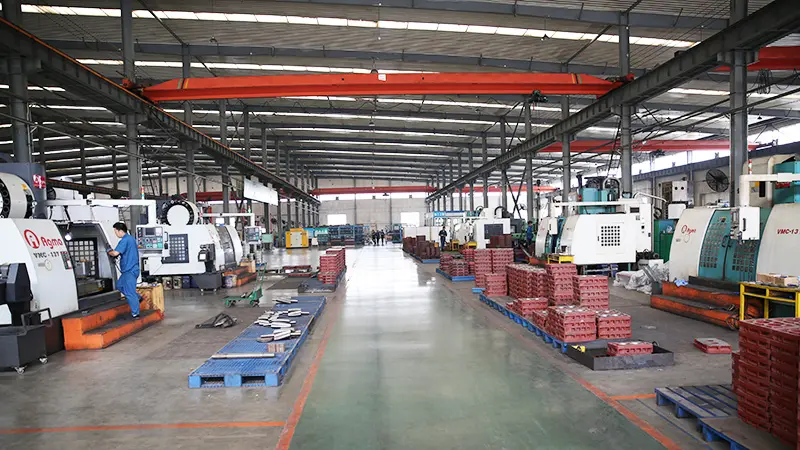
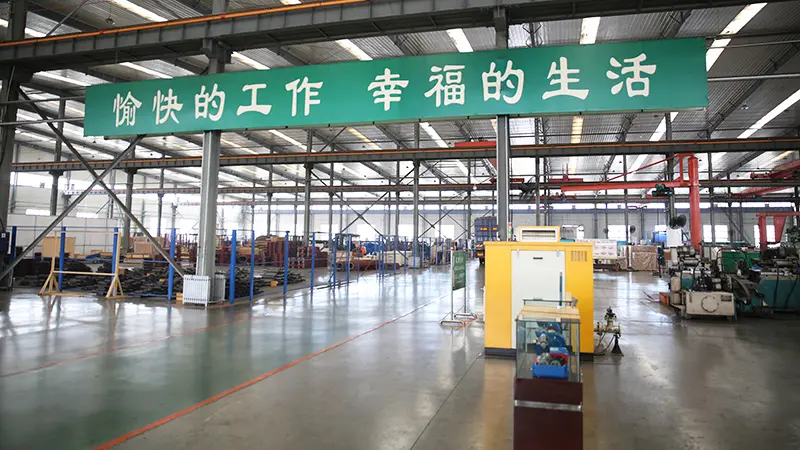
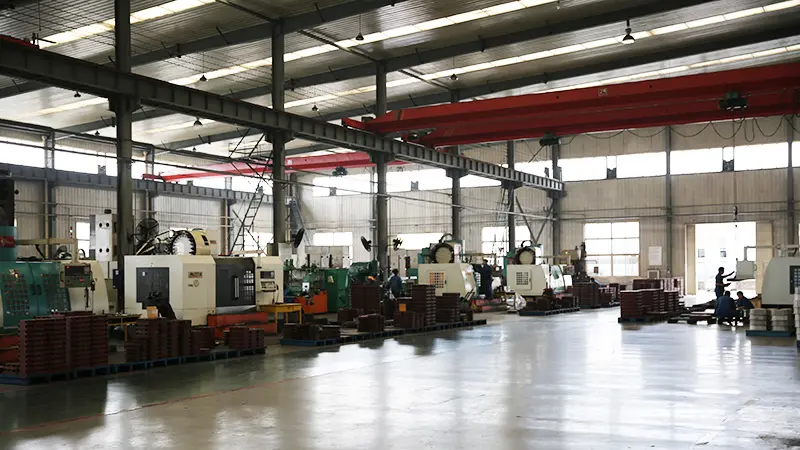
Our design centers utilize the global Product Lifecycle Management (PLM) system, computer-aided process design (CAPP), and computer-aided manufacturing (CAM). Over 100 sets of advanced processing equipment, including CNC machining centers, five-axis machining centers, and coordinate measuring machines, ensure extreme precision.
ZCBC is a third-level enterprise for safety production standardization. We hold ISO9001 (Quality), ISO14001 (Environmental), ISO50001 (Energy), and ISO10012 (Measurement) management certifications. Relevant products carry the Safety Mark for Mining Products, European CE, and China Compulsory Certification (3C).
We have successfully commercialized key technologies, including countercurrent cooling, fan noise reduction, fan anti-sticky wear coatings, dual-stage tandem operations, special compound seals, and twisted-leaf impeller designs, backed by 69 authorized patents.
Proven engineering configurations delivering consistent performance across challenging processing environments.
In thermal power generation, the material returning fan plays a critical role by conveying unburnt carbon fuel and bed materials from the cyclone separator back into the combustion chamber. This continuous recycling process maintains high thermal efficiency, ensures combustion stability, and minimizes carbon content in the fly ash.
In dry-process cement rotary kilns, raw meal and kiln dust must be continuous recirculated to optimize thermal efficiency and preheater utilization. Material returning systems transport these fine abrasives from electrostatic precipitators back into the processing line.
Smelting processes yield gas streams loaded with valuable metal oxides and hazardous compounds. Material returning blowers feed collected particulates back into the smelting furnace to recover valuable minerals and clean the gas stream before stack emission.
In fluidized bed reactors, catalyst particles must be constantly separated from the process stream and returned to the reaction bed. Returning fans must provide reliable pneumatic transport without degrading the catalysts.
Providing engineering support and localized compliance for complex installations around the globe.
To serve our global customer base, ZCBC established an export-focused foreign trade organization and a dedicated branch in the United States. Our systems are engineered and documented to meet local requirements, including ASME pressure vessel codes, API standards for oil and gas installations, ATEX directives for hazardous atmospheres in Europe, and UL/CSA electrical certifications in North America.
We offer comprehensive 24/7 technical support, commissioning assistance, and local inventory storage for wear components. Our CAD and engineering teams provide structural designs, 3D models, and flow simulations within 24 hours of receiving customer specifications, ensuring seamless integration into existing plants.
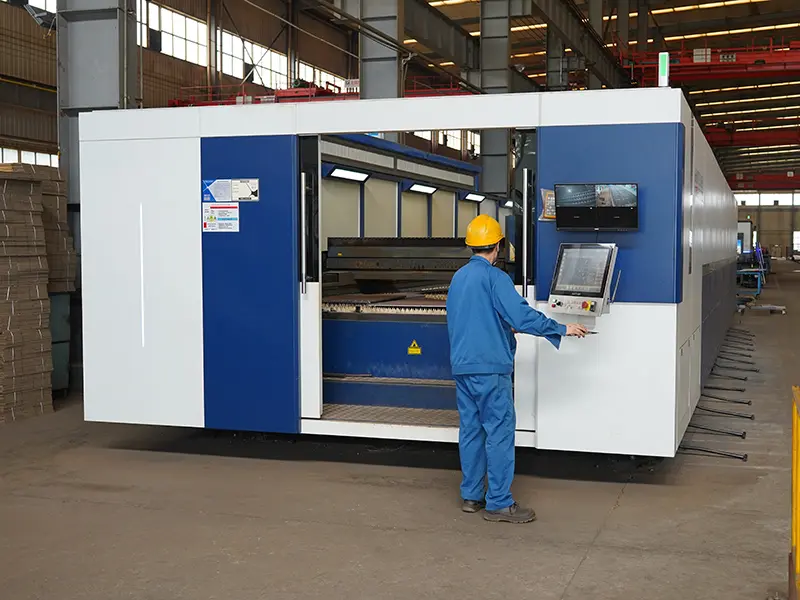
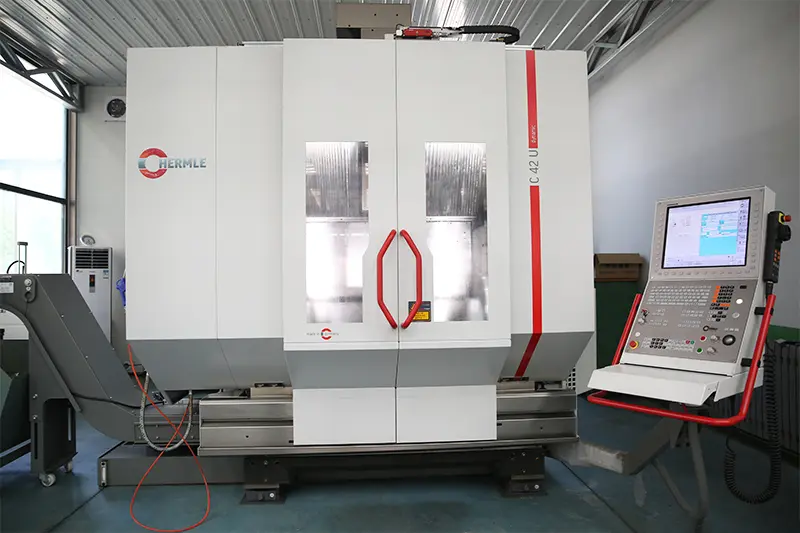
Pioneering the next generation of industrial pneumatic return systems.
Integrating permanent magnet synchronous motor (PMSM) direct-drive systems eliminates the mechanical losses associated with belts or gearboxes. This reduces maintenance requirements while increasing overall drive train efficiency by 5% to 10%.
R&D is focused on applying high-performance coatings, such as tungsten carbide thermal spraying and advanced ceramic composites, to extend impeller life under high temperatures and high-velocity abrasive particulate flows.
Future returning fans will feature integrated IoT modules to stream vibration, temperature, and aerodynamic data to a cloud-based digital twin, enabling automated optimization and predictive wear analysis.
Expert technical answers to common engineering questions regarding material returning fans and industrial blowers.
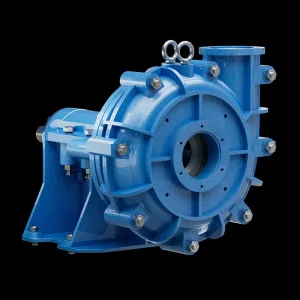
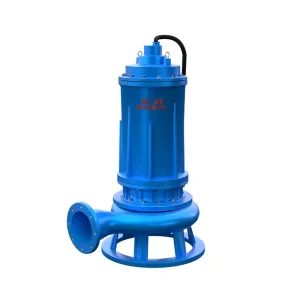
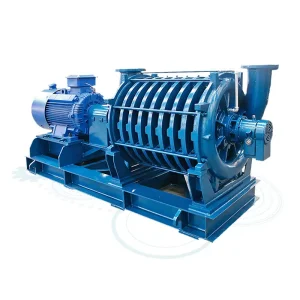
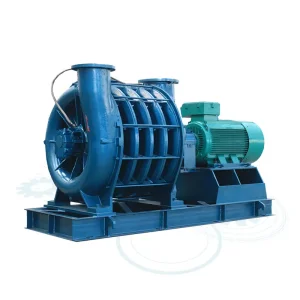
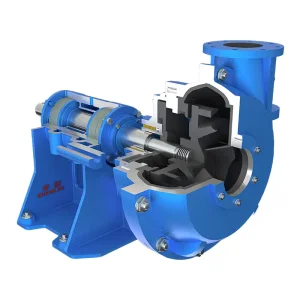
Heavy-duty slurry handling pumps and multistage blowers designed to withstand aggressive wear and demanding process environments.
 Zhangqiu