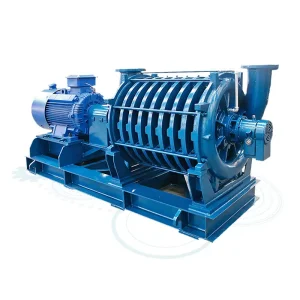
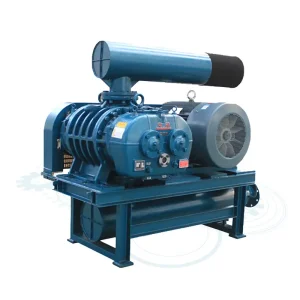
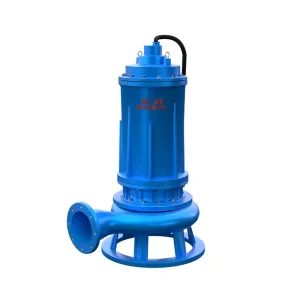
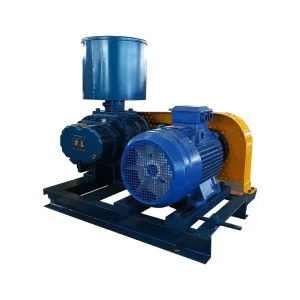
Explore our precision-engineered industrial compressors, slurry pumps, and specialized blowers designed to maintain premium oxygen levels and stable water circulation.
Unveiling the fundamental thermodynamic, environmental, and mechanical factors that define modern high-density aquatic cultivation.
Within Recirculating Aquaculture Systems (RAS) and intensive commercial farming ponds, dissolved oxygen (DO) stands as the singular limiting parameter for biological productivity. Maintaining an optimal DO range of 5.0 to 9.0 mg/L requires highly efficient gas-transfer mechanisms. Our specialized aquaculture aeration blowers provide continuous, micro-bubble diffusion systems that overcome hydrostatic pressure, maximizing oxygen transfer coefficients (KLa) while minimizing thermal disruption of the water column.
Conventional aeration solutions often experience performance degradation when operating in highly saline or biological-waste-dense environments. By using advanced industrial materials and special chemical-resistant coatings, we guarantee stable gas throughput even in challenging brackish aquaculture installations.
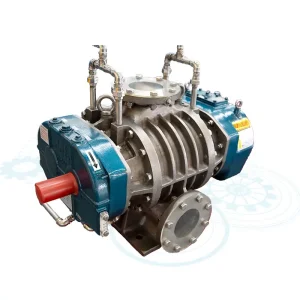
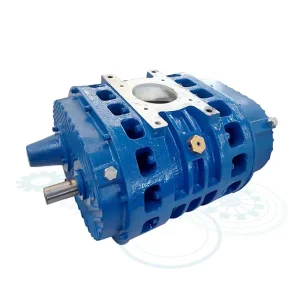
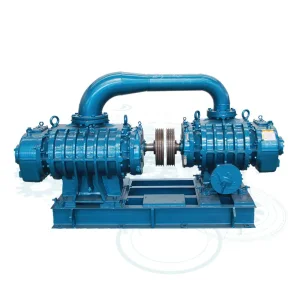
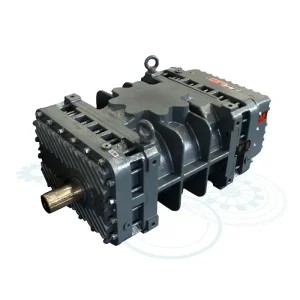
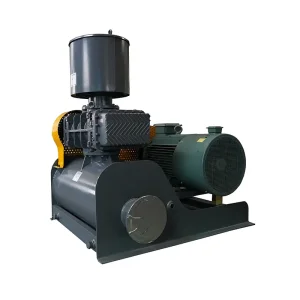
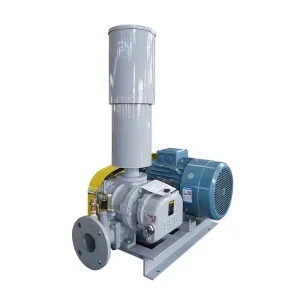
The aquaculture industry is undergoing a massive transition from raw surface paddle wheels to subsurface diffuse aeration. Subsurface aeration systems utilize tri-lobe Roots blowers to compress and push air through vast network installations of micro-perforated aeration tubes. This delivers a uniform cloud of microbubbles, avoiding dead zones where toxic ammonia ($NH_3$) and hydrogen sulfide ($H_2S$) gases would otherwise accumulate.
Additionally, modern systems demand localized flow controllers coupled with Variable Frequency Drives (VFDs). Integrating digital monitoring probes with automated blower speed controls is the key to energy-efficient operation. Our machinery stands at the intersection of automation, high mechanical efficiency, and strict bio-security compliance.
A listed market leader (Stock Code: 002598) driving technological innovations across global aeration, fluid machinery, and process engineering systems.
Formerly known as Shandong Zhangqiu Blower Works, we possess over 50 years of professional blower design and manufacture technology and experience. We set up two Sino-Japanese Joint-ventures and one USA branch, making us the first company in the Chinese blower industry to establish an overseas branch. We are the leading enterprise in the Zhangqiu local industry, and our main product, the Roots Blower, ranks top in market occupancy within the Chinese blower industry. Our strategy: "Develop main business, pioneer new fields and innovate, cooperate to be a great company" with a working concept of "Do the best".
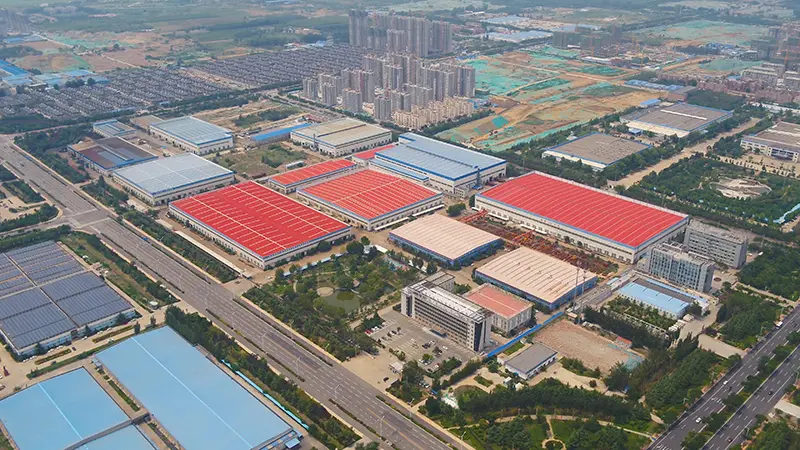
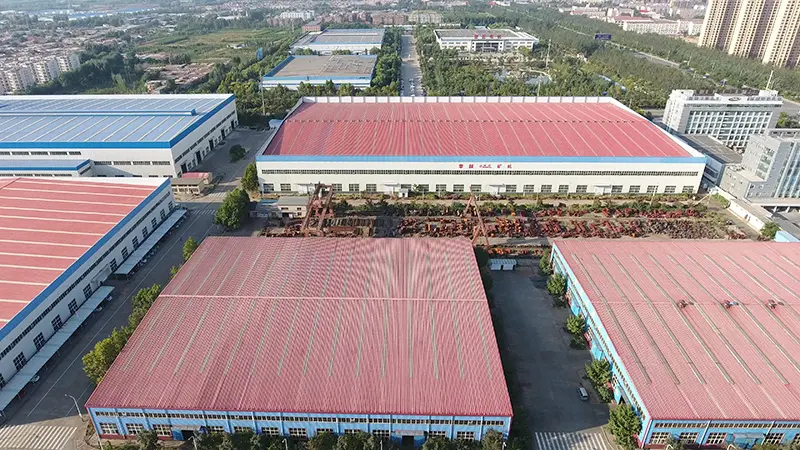
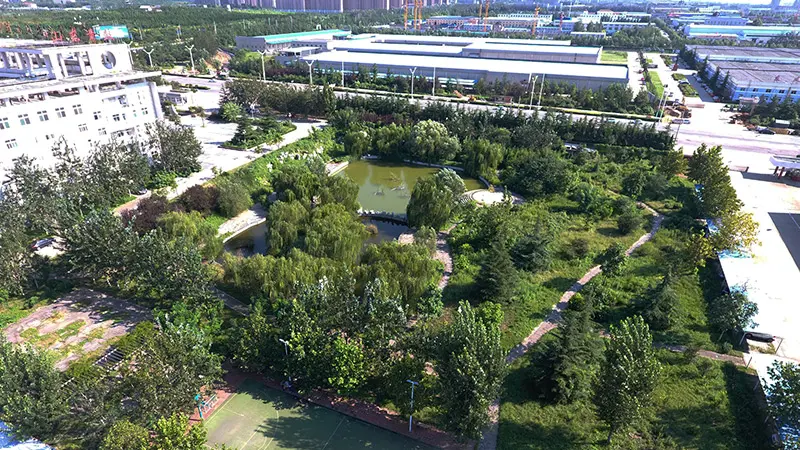
In 2005, we relocated to our high-standard modern industrial park spanning 430,000 square meters. On July 7th, 2011, we were officially listed on the Shenzhen Stock Exchange (Stock Code: 002598). In 2020, we realized an operating income of 1.5 billion yuan and a profit of 150 million yuan. We operate 20 holding companies and run four major manufacturing bases in Jiangsu Wuxi, Guangdong Dongguan, Hunan Chenzhou, and Gansu Jinchang, along with four advanced research and development centers in Beijing, Shanghai, Shijiazhuang, and Wuxi.
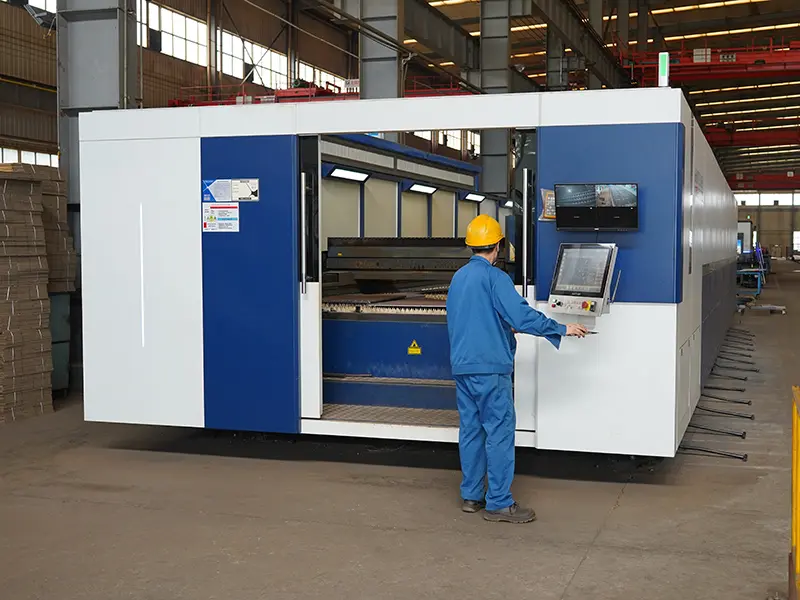
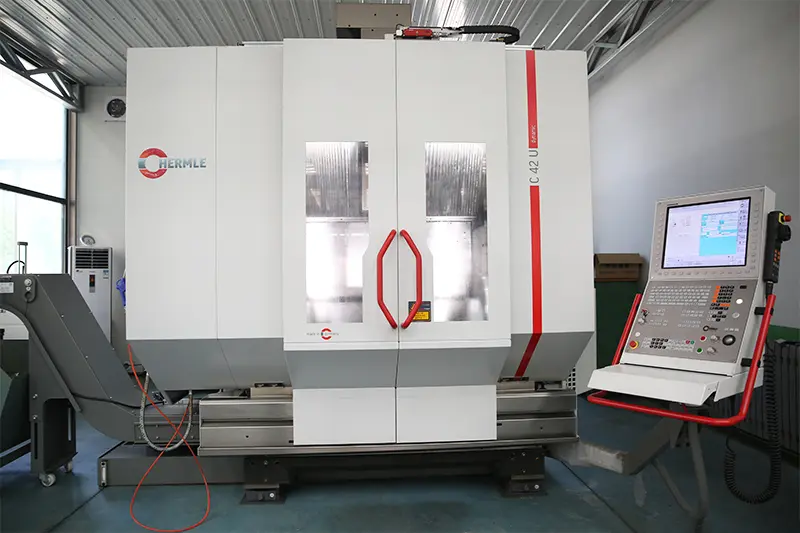
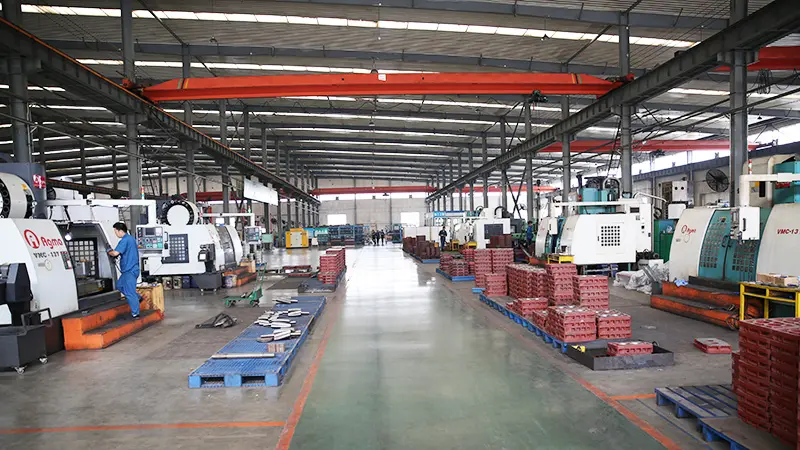
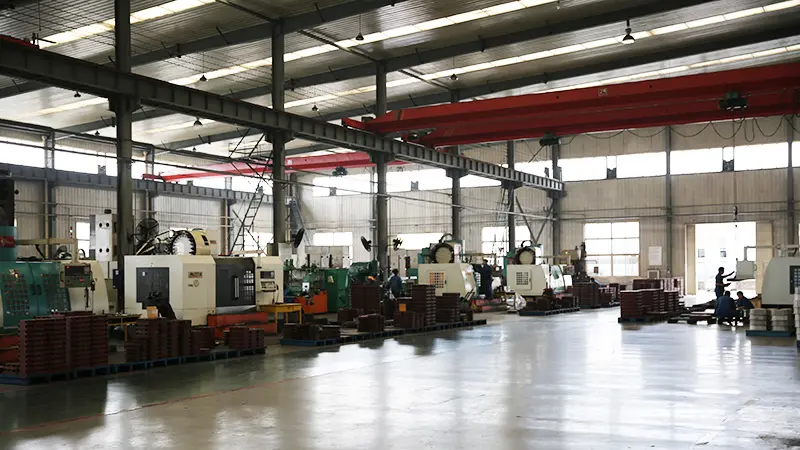
Our research and development processes leverage internationally advanced processing and testing equipment, including 100+ sets of CNC machining centers, five-axis machining centers, three-coordinate measuring instruments, and ultrasonic flaw detectors imported from Japan and Germany. We utilize world-leading PLM, CAM, CAPP, CNC, and CAT software infrastructure to guarantee extreme manufacturing tolerances and short project cycles. Our close academic collaboration with Tsinghua University and Xi'an Jiaotong University provides a solid technical foundation for our future innovations.
Our technology platform has secured 69 authorized patents (including 5 invention patents) and 2 proprietary software copyrights. In terms of systemic environmental and quality control, Shandong Zhangqiu maintains the following operational and standard compliance certifications:
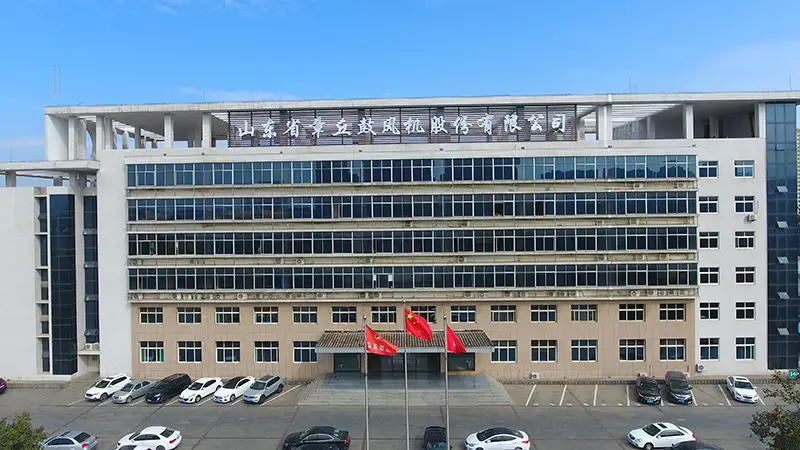
A glimpse inside our modern 430,000 $m^2$ assembly complex and structural labs housing international CNC machinery and precision testing units.
How we assist engineers, municipal procurement offices, and international distributors in streamlining aeration asset acquisition.
With an active corporate branch based in the United States and global trade offices, we support mechanical deliveries to over 70 countries, including the USA, Germany, Italy, Spain, Brazil, and Southeast Asia. We navigate local customs clearance and provide full compliance documentation for trouble-free import processes.
We provide full structural CAD designs and 3D visual mockups within 24 hours of receiving target parameters. This helps consulting engineers confirm flange configurations, physical layouts, and motor setups prior to physical manufacture, reducing engineering lead times.
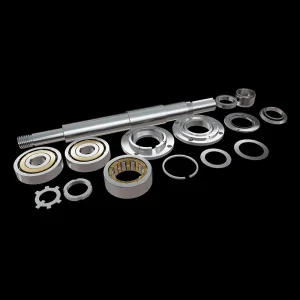
We supply replacement impellers, timing gears, bearings, and mechanical seals for all series, including standard ZZ, ZG, and SSR lines. This helps prevent operational downtime in continuous municipal wastewater and commercial aquaculture systems.
How we integrate eco-friendly structures, smart networks, and advanced thermal systems to support sustainable aquaculture operations.
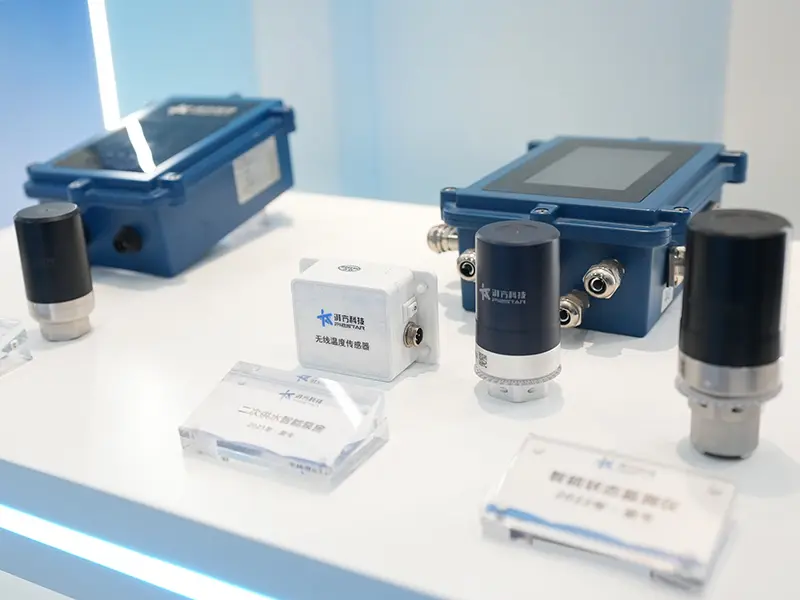
The next generation of aquaculture blowers relies on integrated monitoring systems. By embedding thermal sensors, vibration accelerometers, and inlet pressure sensors into our blowers, operators can track mechanical performance and plan predictive maintenance. These metrics feed directly into automated SCADA networks, adjusting blower speed based on real-time dissolved oxygen levels in the ponds.
Our research and development team is optimizing impeller designs using computational fluid dynamics (CFD). The goal is to reduce internal slip loss and thermal expansion in tri-lobe rotors. This improves volumetric efficiency and prevents air temperature spikes at the discharge flange, helping protect heat-sensitive aquatic environments.
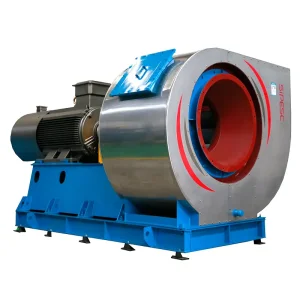
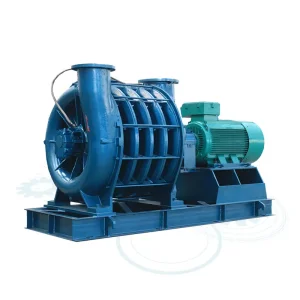
Beyond standard air blowers, we manufacture Mechanical Vapor Recompression (MVR) systems and multi-stage centrifugal blowers. These systems are used in large-scale industrial wastewater treatment, evaporation, concentration, and crystallization plants. By integrating these systems, we help processing plants recycle waste steam and minimize energy consumption.
Expert answers to common technical questions about selecting, operating, and maintaining industrial blowers in aquaculture applications.
Tri-lobe blowers feature impellers with three distinct lobes, which reduce backflow pulses and pressure fluctuations compared to traditional twin-lobe designs. This lower pulse rate minimizes vibration and pipeline fatigue. Crucially, the reduced pulsation also lowers noise levels, which helps minimize noise-induced stress in commercial fish and shrimp species.
Standard industrial compressors may release tiny amounts of aerosolized lubricating oil into the air stream. Over time, this oil can accumulate in diffusion tubes and form a surface film on the water, blocking gas transfer and introducing toxins into the biological food chain. Our SSR, ZZ, and ZG series Roots blowers are designed with physical separation between the oil-lubricated timing gear house and the air chamber, ensuring a clean, oil-free air supply.
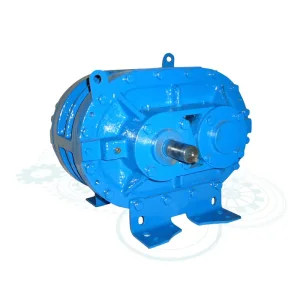
The choice depends on the system's operating pressure and required flow range. Roots blowers are positive displacement machines that deliver a constant volume of air against varying backpressures, making them ideal for deep ponds and extensive tube networks. Multi-stage centrifugal blowers are dynamic machines that are best suited for larger flow volumes and applications requiring smooth, steady pressure control with minimal pulsation.
For saltwater applications, standard cast iron components are vulnerable to corrosion. We offer optional upgrades, including specialized internal coatings (such as nickel-phosphorus plating), stainless steel shafts, and corrosion-resistant seals. We also supply premium electric motors with high IP protection ratings (IP55/IP66) to handle humid, saline conditions.
When designing custom treatment plants or multi-blower systems, engineering teams need exact dimensional data to finalize piping layouts and structural bases. Our R&D department uses PLM and CAPP software to generate 3D models and dimensional CAD files within 24 hours of receiving design specifications. This helps speed up the project approval process and ensures a perfect fit on site.
Explore our secondary line of high-pressure Roots blowers, multi-stage centrifugal blowers, submersible pumps, and OEM replacement parts.
 Zhangqiu