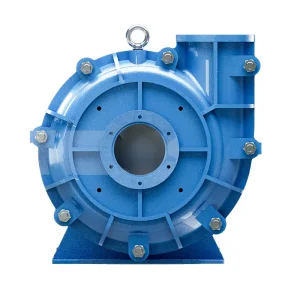
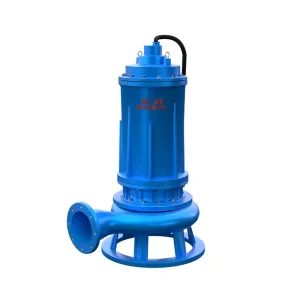
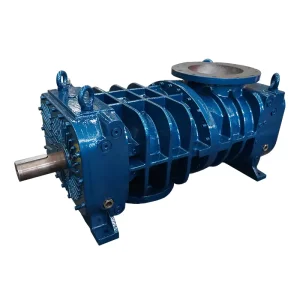
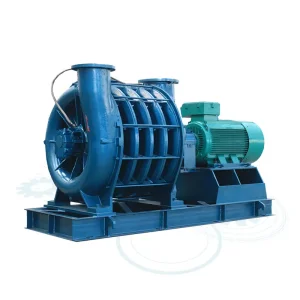
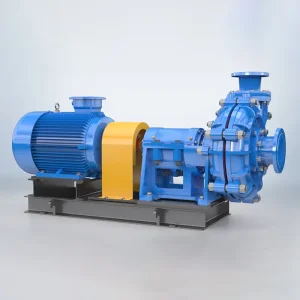
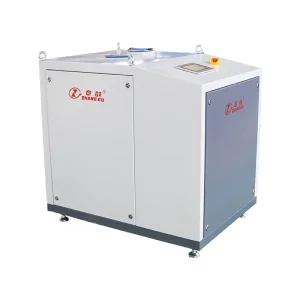
Showcasing high-efficiency industrial blowers, ceramic slurry systems, and custom dynamic machinery developed to leading global quality benchmarks.
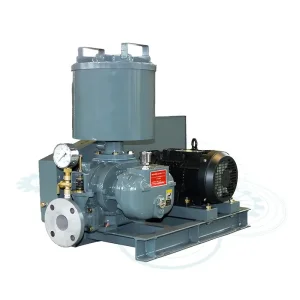
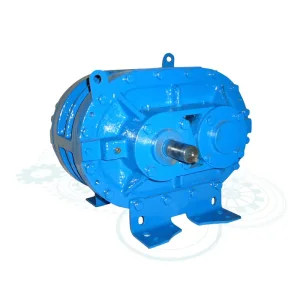
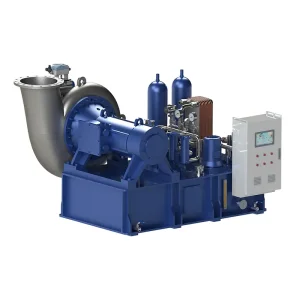
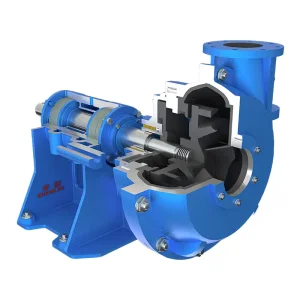
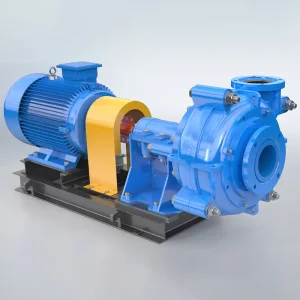
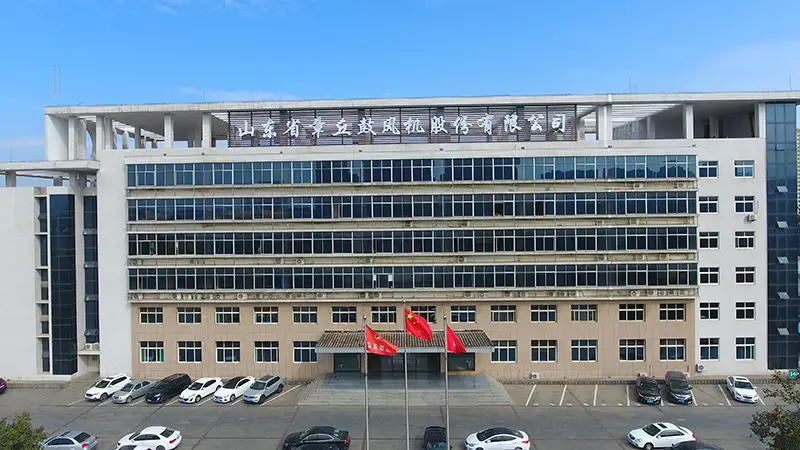
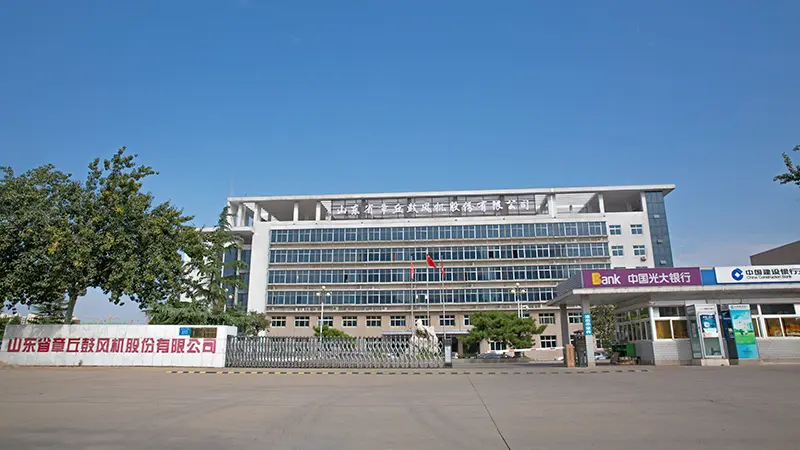
Founded as Shandong Zhangqiu Blower Works, Shandong Zhangqiu Blower Co., Ltd. (ZCBC) has evolved into a premier globally recognized industrial powerhouse. With over five decades of heavy machinery design and manufacturing experience, ZCBC holds a legendary status in the fluid dynamic and pneumatic conveying sectors. As the first company in China's blower industry to establish an overseas branch, ZCBC has built two Sino-Japanese Joint-ventures and a strategic US division, setting global industry benchmarks.
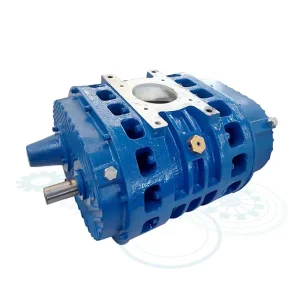
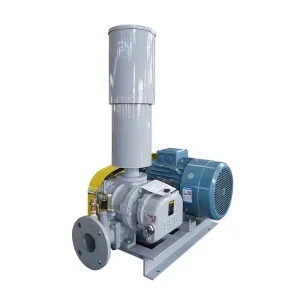
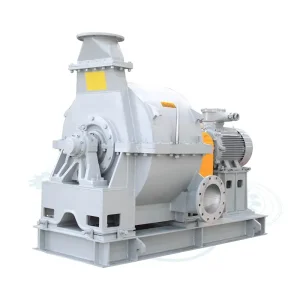
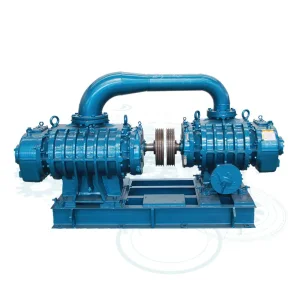
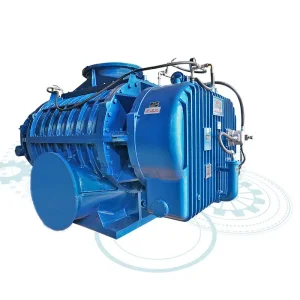
Our core corporate framework is driven by the strategic directive: "Develop main business, pioneer new fields and innovate, cooperate to be a great company". Our daily operations are governed by our uncompromising standard: "Do the best". Today, ZCBC stands as an integrated manufacturer supplying Roots Blowers, Centrifugal Blowers, Heavy-Duty Industrial Pumps, MVR Evaporators, and integrated Wastewater Treatment configurations.
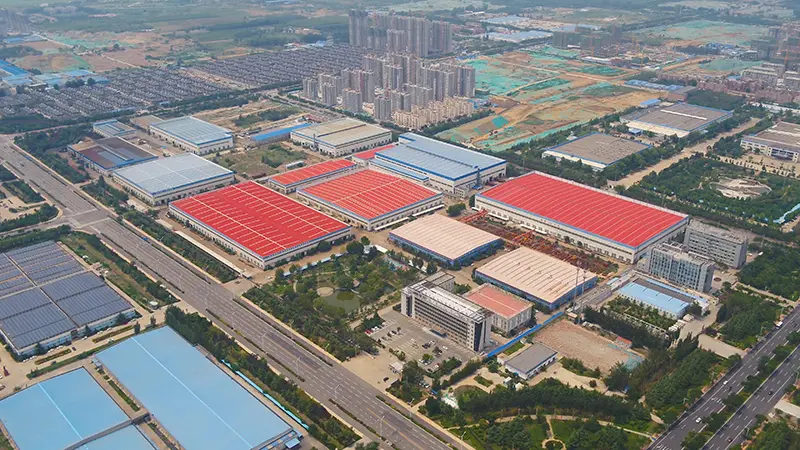
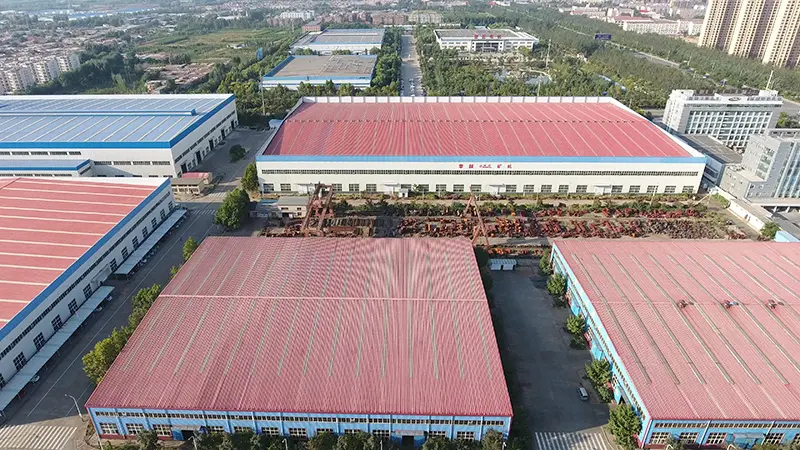
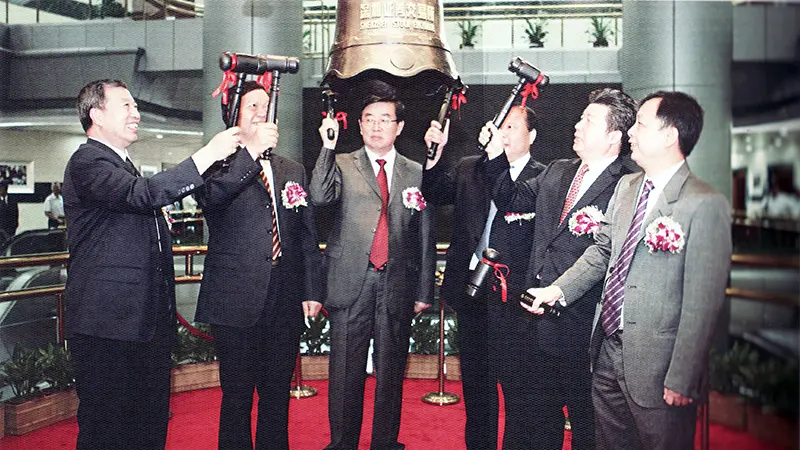
Our growth reached a landmark milestone on July 7th, 2011, when the parent company went public on the Shenzhen Stock Exchange (Stock Code: 002598). By 2020, Zhang Drum group realized an annual operating income of 1.5 billion yuan and a profit of 150 million yuan. Holding over 20 specialized subsidiaries, ZCBC operates advanced manufacturing bases in Wuxi, Dongguan, Chenzhou, and Jinchang, with specialized R&D centers in Beijing, Shanghai, Shijiazhuang, and Wuxi.
Analyzing hydrodynamic principles, structural configurations, and operational parameters for high-temperature and high-pressure steam power loops.
Featuring modular stage designs, segment-type multistage centrifugal pumps are ideal for subcritical steam generation. Each added stage incorporates an impeller and diffuser ring enclosed by outer tie rods, offering highly customizable pressure headers.
Specifically built for supercritical and ultra-supercritical power plants operating above 25 MPa. The inner bundle assembly is housed within a heavy-wall forged outer barrel, offering maximum containment safety and thermal shock resilience.
Designed for ease of maintenance in medium-pressure facilities. The casing is split horizontally along the shaft centerline, allowing rapid rotor assembly removal and maintenance without disconnecting main suction or discharge pipelines.
In thermal power generation and heavy-duty petrochemical processing, the Boiler Feed Water Pump (BFWP) serves as the heart of the Rankine cycle. Operating under high pressures and elevated temperatures, this critical component continuously drives pressurized water into the steam drum or once-through boiler sections. Due to the thermodynamic parameters of modern thermal systems, selecting the appropriate BFWP type directly impacts a plant's thermal efficiency, operational uptime, and safety margin.
From an engineering standpoint, boiler feed water is not typical ambient fluid. It is treated, deaerated water held at temperatures ranging from 120°C to well over 220°C. At these temperatures, the vapor pressure of water rises exponentially, presenting severe challenges related to cavitation, erosion-corrosion, and mechanical seal integrity. Underestimating fluid dynamics or thermal expansion in these systems can lead to catastrophic component failure, resulting in unscheduled outages that cost utility operators hundreds of thousands of dollars per day.
Industrial boiler systems demand diverse operational profiles. To support decision-making, it is essential to categorize the three primary boiler feed pump types based on mechanical configurations and operating limits:
| Pump Type | Max Pressure Range | Max Temperature Range | Primary Applications | Key Structural Benefit |
|---|---|---|---|---|
| Segmental Ring (Ring-Section) | Up to 140 bar | 180°C | Industrial Boilers, Cogeneration Plants | Modular construction, simple capacity scaling |
| Axially Split Multistage | Up to 120 bar | 200°C | Medium Utilities, Refineries | Split casing allows in-situ rotor inspections |
| Double-Casing Barrel | Over 350 bar | Up to 450°C | Supercritical Power Plants, Waste-to-Energy | Dual-barrier design with superior thermal shock safety |
The Segmental Ring Section Pump consists of individual stage chambers clamped together by long-tension tie bolts. It is a highly cost-effective option for medium-pressure utilities. However, during rapid startup or shutdown sequences, uneven thermal expansion between the tie rods and the stage castings can compromise the sealing joints, leading to high-pressure hot water leakage.
For critical baseload applications, the Double-Casing Barrel Pump (often complying with API 610 Type BB5 standards) is the industry standard. Featuring an inner cartridge sliding inside a forged barrel casing, this design ensures that high-pressure feed water is contained within a redundant structural envelope. The symmetric profile of the outer barrel distributes thermal stresses evenly, preventing casing distortion during thermal shocks or rapid unit ramp-ups.
As fluids travel through multiple impeller stages, the cumulative discharge pressure generates immense axial forces directed back toward the suction end. In high-energy feed pumps, these axial forces can reach several tons, requiring active hydraulic balancing systems.
Engineers utilize two primary methods for axial balancing: Balance Discs and Balance Pistons. The balance disc operates dynamically, automatically adjusting its axial clearance to counteract thrust variations. While highly efficient, the contact faces of the balance disc are susceptible to wear during low-flow or dry-run startup conditions. Conversely, the balance piston relies on a fixed-diameter bushing that manages axial load and is paired with a heavy-duty thrust bearing. Understanding the system's operational duty cycle—such as cycling load vs. constant base load—is critical for selecting the appropriate balancing system.
Using CA15 (12% Cr) or super duplex alloys prevents erosion-corrosion caused by high-velocity deaerated feed water.
Mechanical seals with API Piping Plan 23 or Plan 54 cooling loops prevent flash-vaporization at the seal faces.
Deploying a low-speed booster pump upstream raises the NPSHa, preventing main high-speed pump cavitation.
Procuring high-pressure boiler feed pumps requires rigorous engineering evaluations. EPC contractors and plant managers must look beyond capital cost and evaluate the Total Cost of Ownership (TCO). Key procurement specifications include:
A boiler feed pump is part of a larger thermodynamic system. To optimize performance, modern plants are moving toward integrated, skid-mounted solutions that combine feed water pumps, deaerators, piping manifolds, and automation control panels on a single chassis.
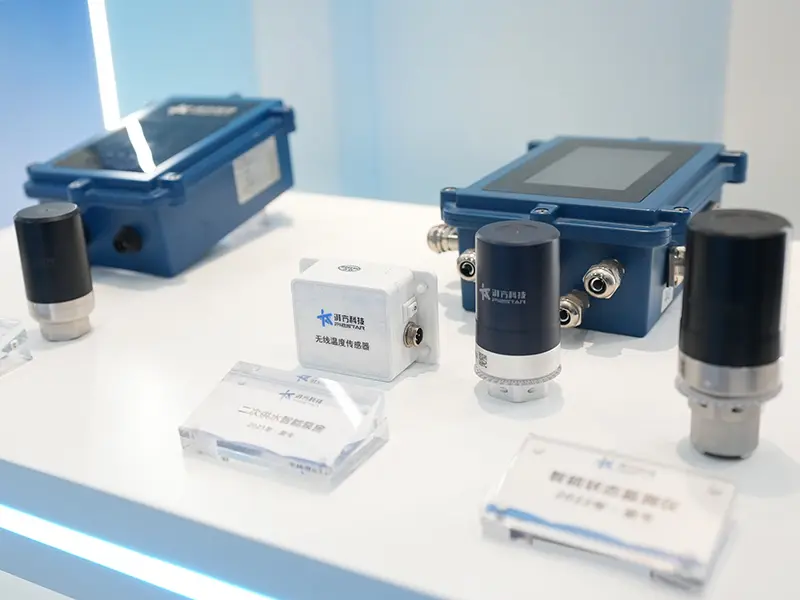
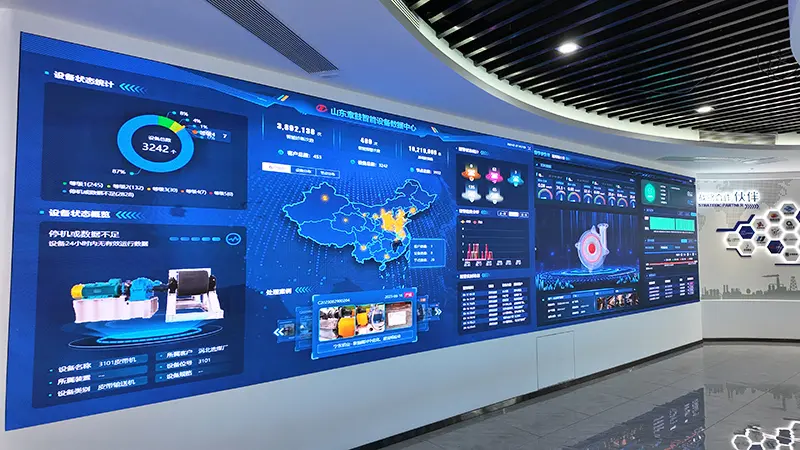
Additionally, incorporating smart sensors that monitor real-time vibration, bearing temperatures, and leakage rates allows operators to transition from reactive maintenance to predictive maintenance. Modern AI algorithms analyze high-frequency vibration data, identifying impeller wear or alignment anomalies weeks before a physical failure occurs.
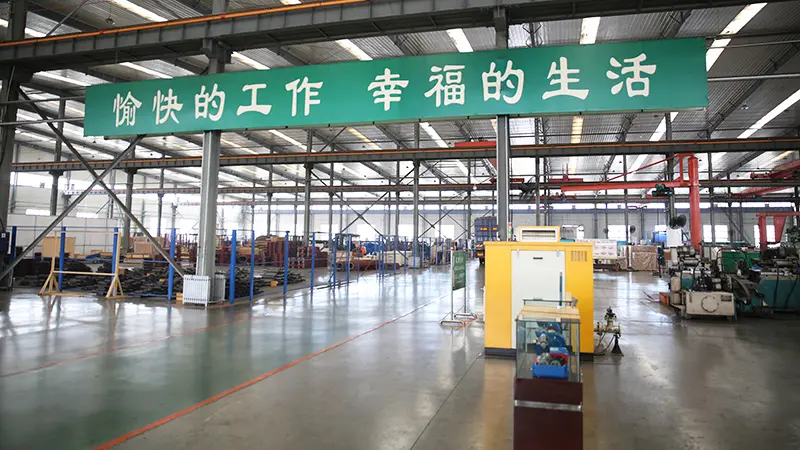
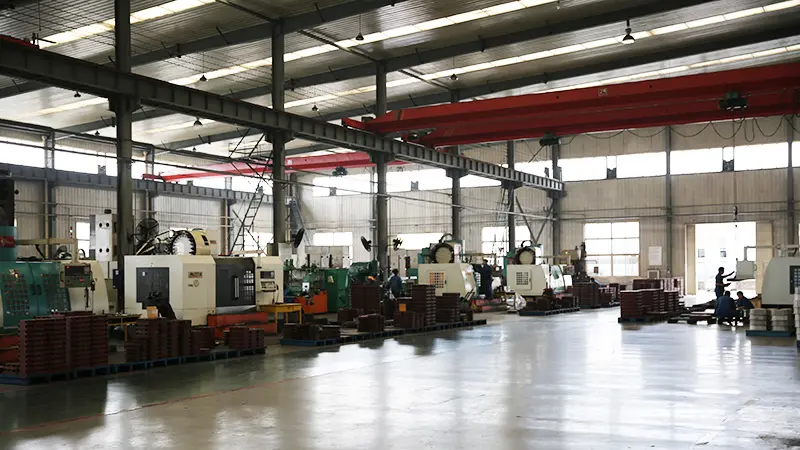
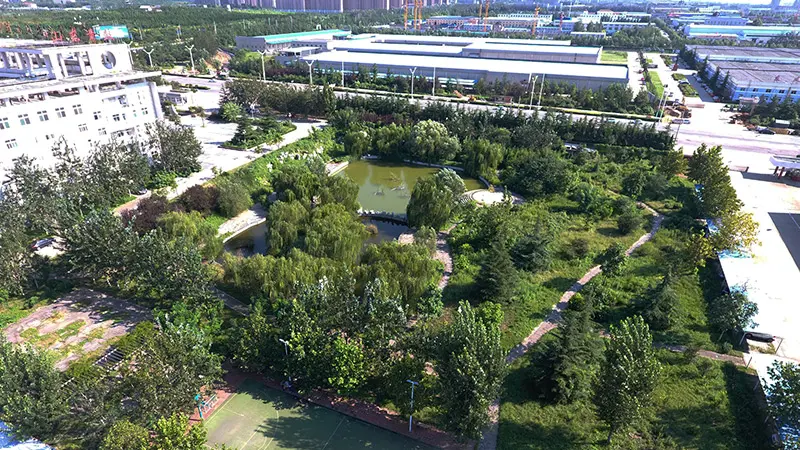
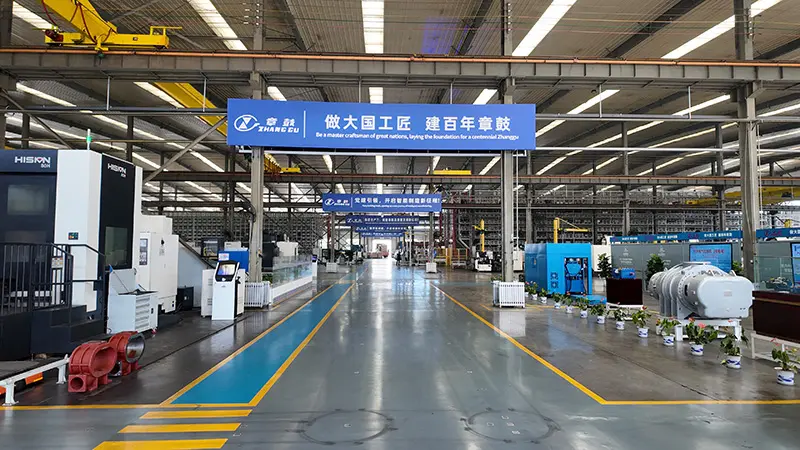
Behind our high-performance industrial designs stands a sophisticated infrastructure of R&D centers, postgraduate workstations, and advanced manufacturing platforms.
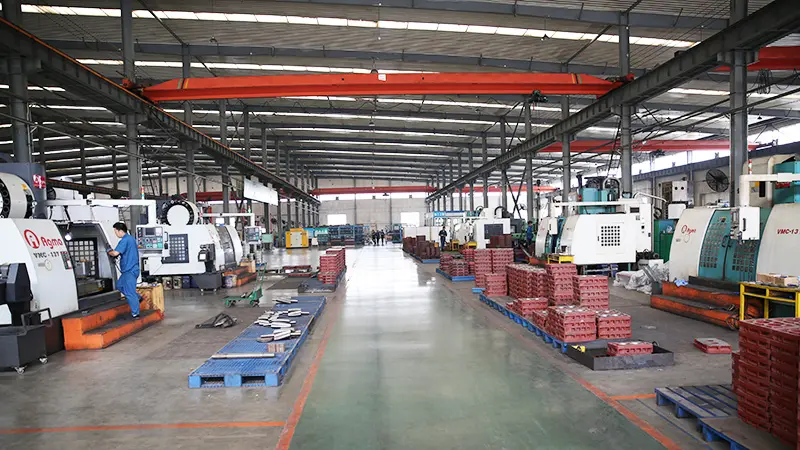
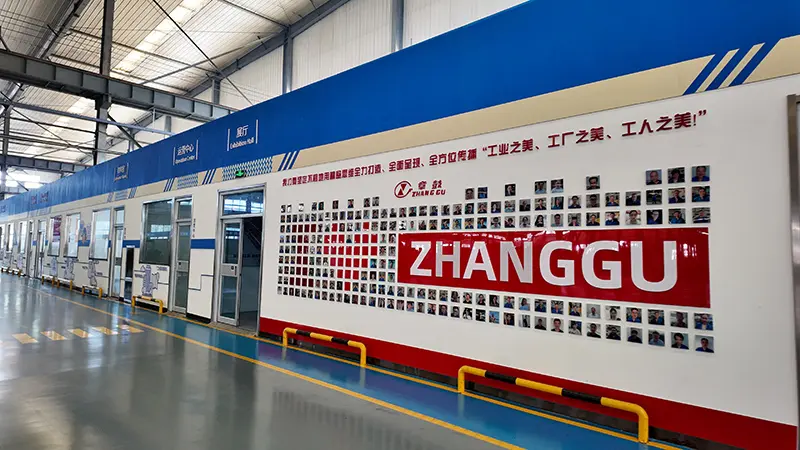
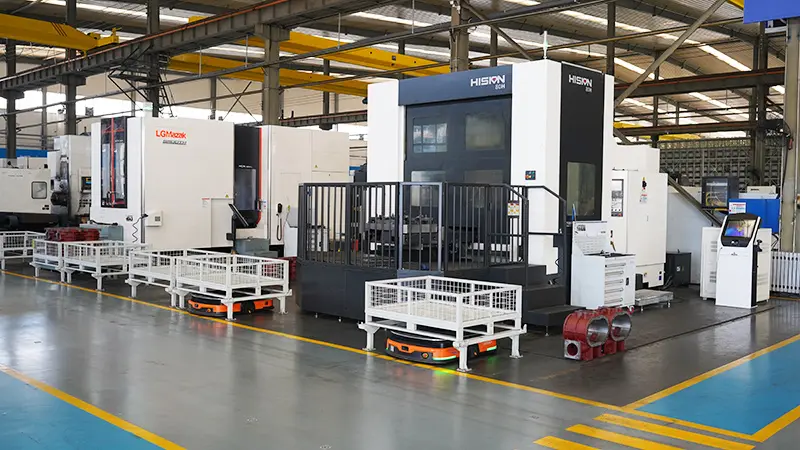
Shandong Zhangqiu Blower Co., Ltd. (ZCBC) is equipped with advanced processing and testing facilities that lead the domestic machinery industry. Our production floors feature nearly 100 sets of high-precision equipment, including CNC machining centers, five-axis machining centers, three-axis coordinate measuring machines, and ultrasonic flaw detectors imported from Japan and Germany.
We utilize a Product Lifecycle Management (PLM) system, Computer-Aided Manufacturing (CAM), Computer-Aided Process Planning (CAPP), and Computer-Aided Testing (CAT) to optimize our manufacturing pipelines, shorten design-to-delivery cycles, and ensure tight tolerance margins.
Our engineering team includes researchers receiving State Council special allowances, senior technical experts, and PhDs recruited through key talent initiatives. ZCBC hosts an active postgraduate workstation and maintains close R&D partnerships with Tsinghua University, Xi'an Jiaotong University, China University of Mining and Technology, and Shandong University, ensuring our fluid dynamics technology remains at the forefront of the industry.
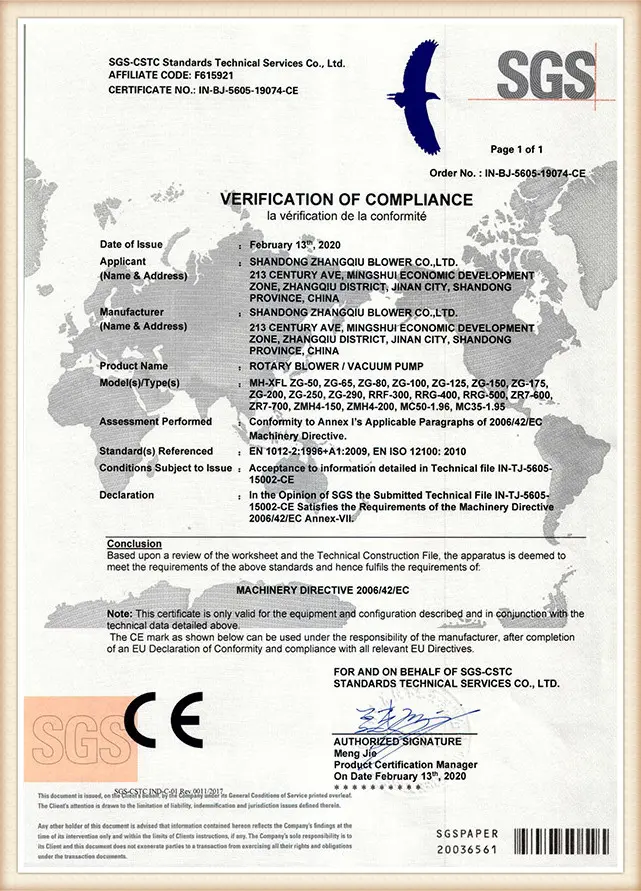
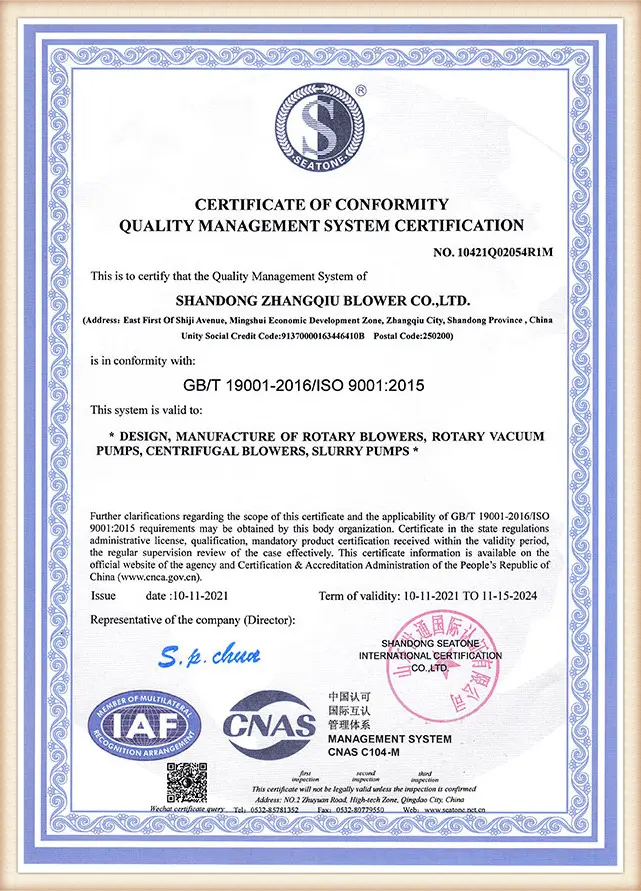

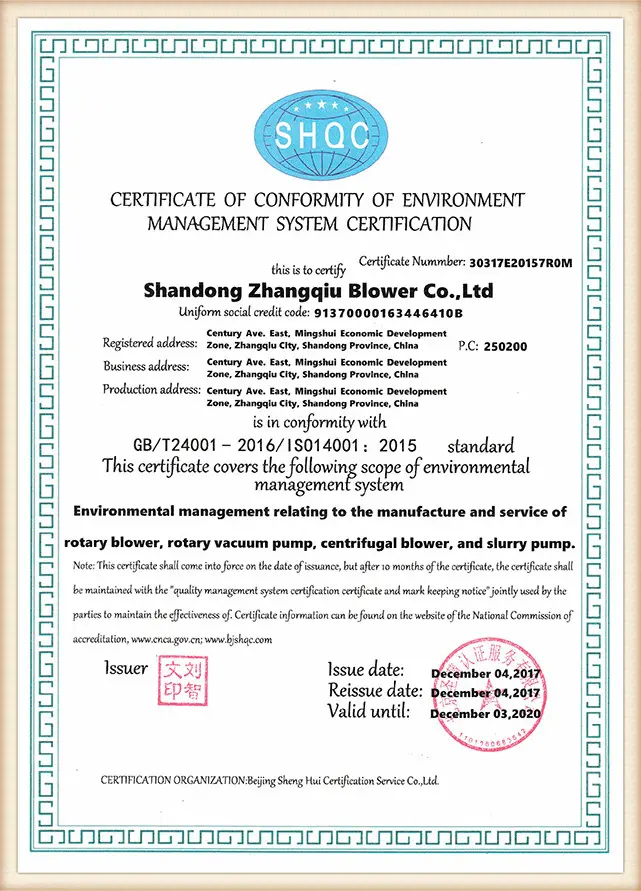
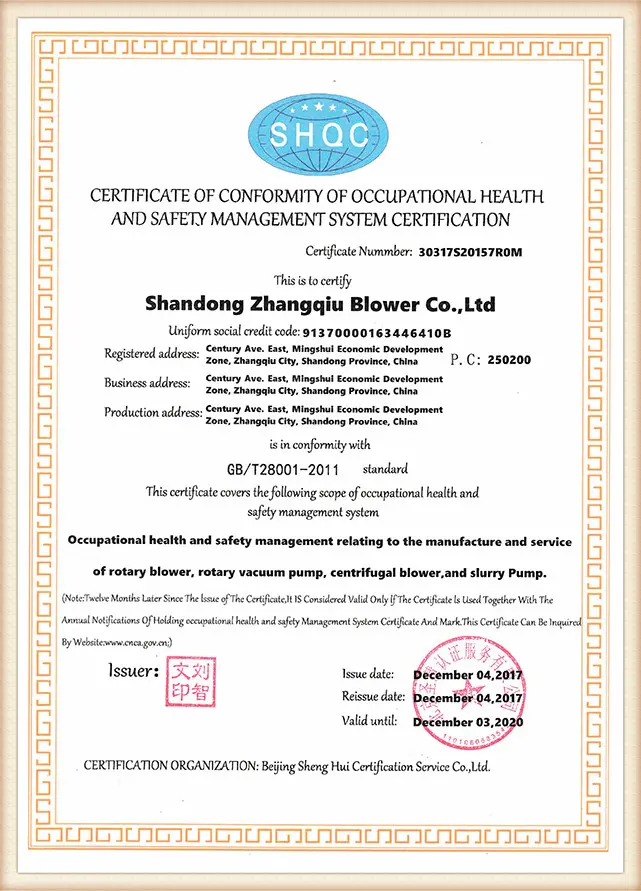
Strategic milestones mapping the future of boiler feed water systems, advanced fluid dynamics, and carbon-neutral industrial operations.
Deploying machine learning models to analyze vibration, thermal, and dynamic pressure frequencies, enabling predictive maintenance that reduces downtime.
Using 3D metal printing to fabricate complex impeller geometries, improving hydraulic efficiency by 2.5% and reducing cavitation erosion.
Testing non-metallic, self-lubricating wear rings to prevent pump seizure during transient dry-running conditions.
Get professional insights into boiler feed water pump configurations, engineering standards, and maintenance requirements.
Our products are exported to the US, Germany, Italy, and over 70 countries and regions worldwide, backed by localized support and joint-venture service hubs.
From system design and installation to custom CAD drawings within 24 hours, our engineering teams provide complete support for your fluid handling projects.
In addition to blowers and pumps, we design and manufacture MVR evaporation systems, pneumatic conveying machinery, and complete water treatment plants.

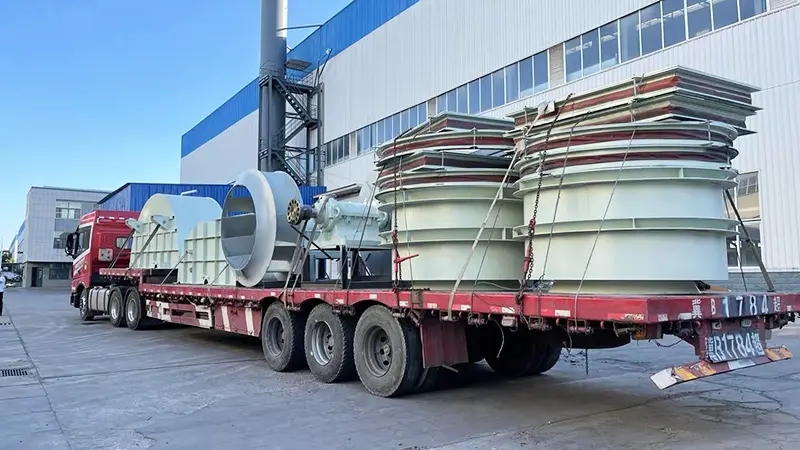
Engineered for durability and low maintenance under harsh operating conditions.
 Zhangqiu