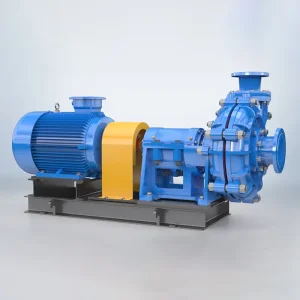
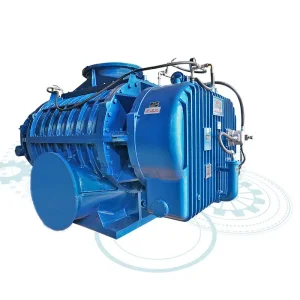
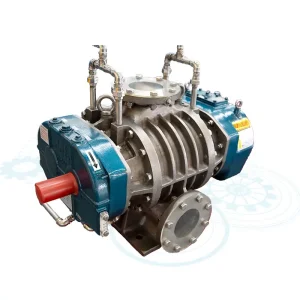
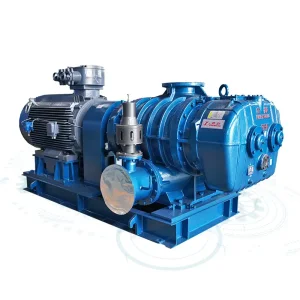
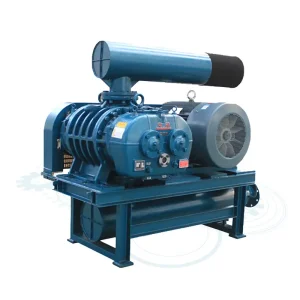
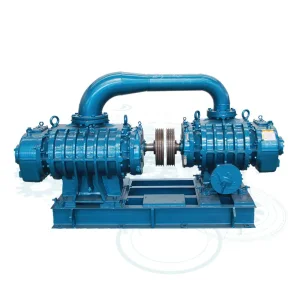
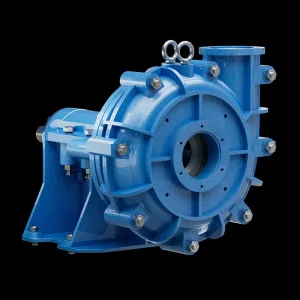
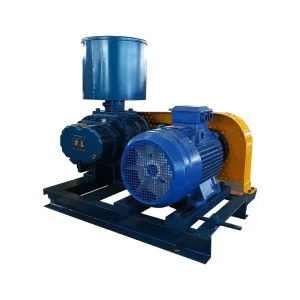
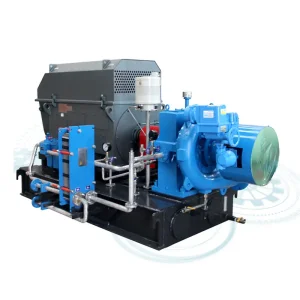
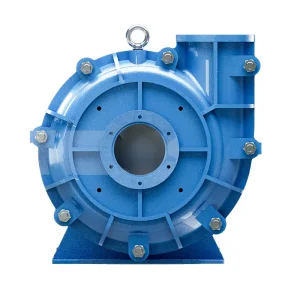
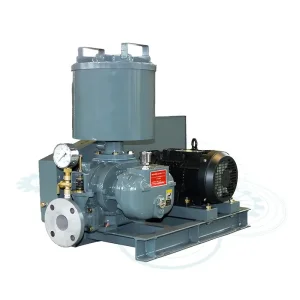
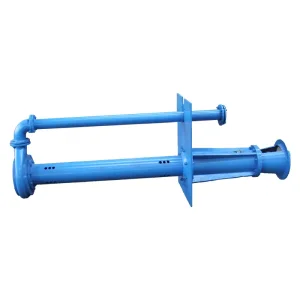
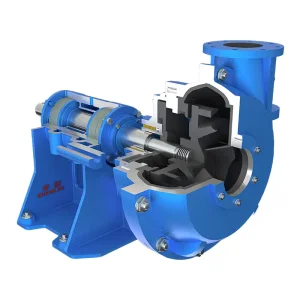
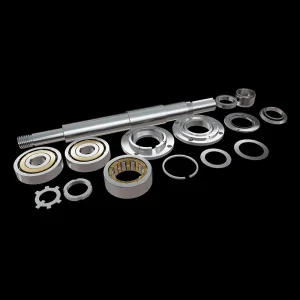
Explore our comprehensive portfolio of high-efficiency blowers, vacuum systems, slurry pumps, and specialized industrial components designed for extreme operational environments.
In the contemporary heavy industrial landscape, the efficiency of fluid machinery acts as a major determinant of operational sustainability and bottom-line viability. Industrial centrifugal blowers—often termed the lungs of heavy industry—are critical systems for generating high-volume, low-to-medium-pressure process air. From heavy municipal wastewater aeration to flue gas desulfurization, pneumatic conveying, and industrial evaporation processes, these blowers govern system-wide efficiency metrics.
As governments worldwide enforce strict decarbonization frameworks (such as the EU Green Deal and global net-zero declarations), the demand for high-efficiency, multi-stage and high-speed centrifugal systems has escalated. Traditional, non-optimized systems are rapidly being phased out in favor of aerodynamically superior alternatives. Finding the right export partner—one that bridges cutting-edge research, advanced manufacturing, and strong supply chains—is a vital decision for global procurement managers.
Globally, the centrifugal blower market is experiencing a profound transition. Historically, heavy duty applications relied on standard displacement systems or low-speed centrifugal models, which required significant maintenance and lacked wide operating ranges. Today, modern industrial growth in regions like Europe, North America, and developing Asian economies requires blowers that can adapt to variable load configurations without surging or wasting energy.
In municipal waste management, aeration tanks demand constant yet variable airflow to sustain microbial digestion. In the chemical and mining sectors, the handling of corrosive, toxic, or abrasive gases demands advanced metallurgical treatments, specialized mechanical seals, and wear-resistant coatings. This diversity of application scenario demands that modern exporters possess the engineering flexibility to build bespoke solutions rather than relying purely on off-the-shelf catalog models.
Maximizing polytropic efficiency through backward-curved impeller designs and optimized diffuser vanes to reduce energy consumption by up to 20% compared to legacy blowers.
Engineered carbon ring, labyrinth, and mechanical sealing technologies prevent leakages of toxic, explosive, or corrosive chemical processes.
Heavy-duty cast iron casings and precision-balanced rotors guarantee vibrations stay well below ISO 10816 standards, ensuring mechanical longevity.
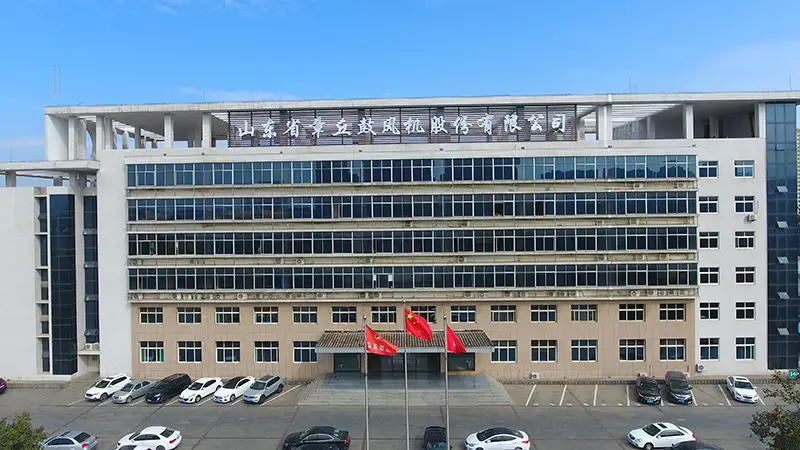
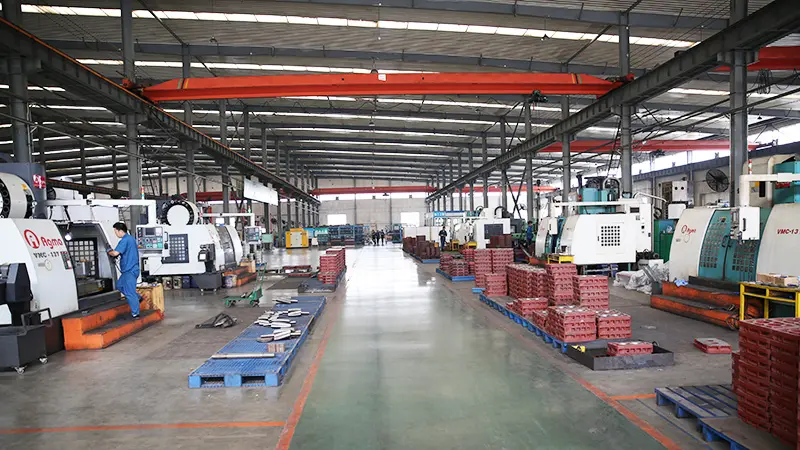
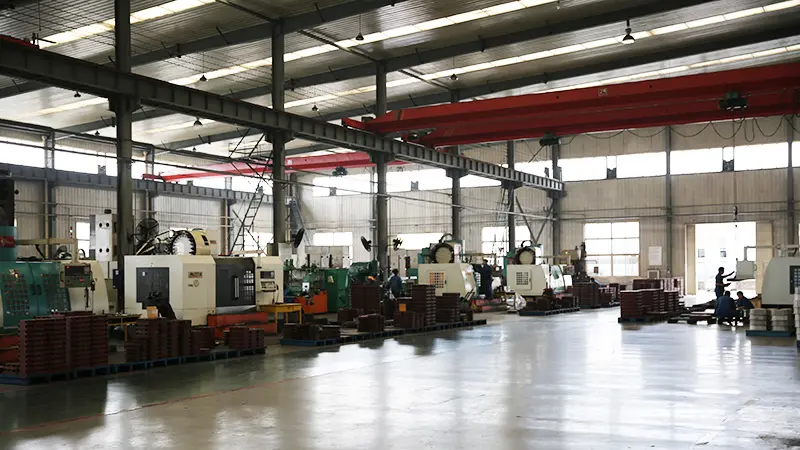
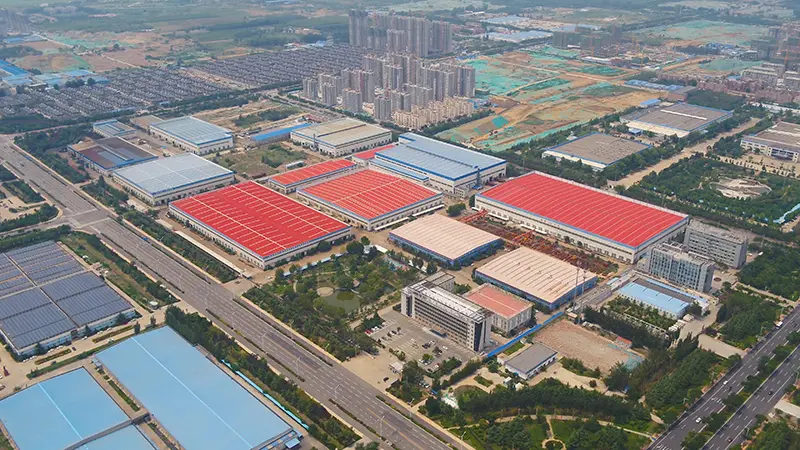
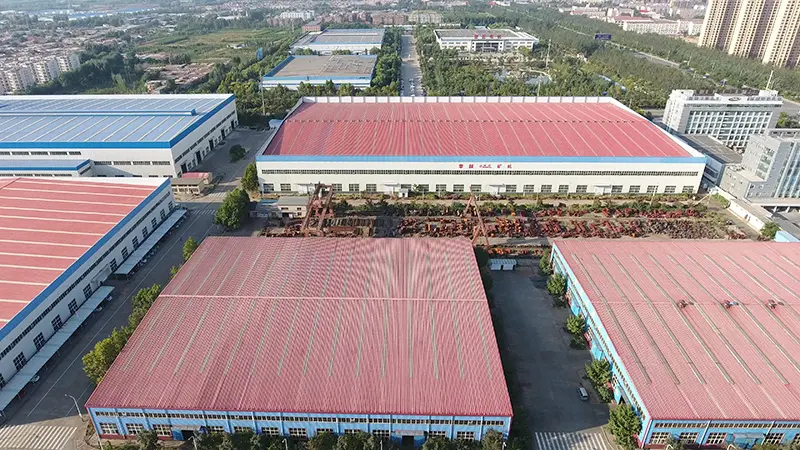
In the global market, Chinese blower manufacturers—particularly those with institutional history—have evolved from regional fabricators into global R&D pioneers. The structural advantages offered by leading Chinese enterprises, such as Shandong Zhangqiu Blower Co., Ltd. (ZCBC), are built on extensive vertical integration. ZCBC operates a massive 430,000 m² high-standard modern industrial park, bringing together casting, machining, assembly, testing, and service within one ecosystem.
This scale translates to exceptional manufacturing efficiency and cost optimization:
Industrial blower demands vary significantly by region and site layout. Modern centrifugal systems must adapt seamlessly to these localized needs:
Wastewater Treatment (Municipal & Industrial): Aeration consumes up to 60% of a water treatment plant's total energy. Using multi-stage centrifugal blowers with variable frequency drives (VFD) allows plant managers to scale air delivery in real time, matching dissolved oxygen levels with biological demand and dramatically lowering electricity usage.
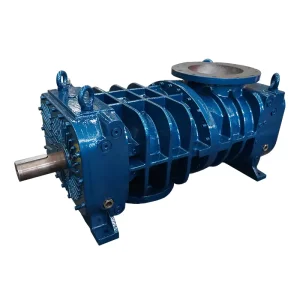
Mechanical Vapor Recompression (MVR): In chemical processing, dairy concentration, and zero-liquid-discharge (ZLD) systems, centrifugal steam compressors are used to recycle latent heat. Our premium VR Series Steam Roots Compressors and heavy centrifugal systems compress low-pressure waste steam, raising its temperature for reuse in thermal evaporation, saving significant boiler fuels.
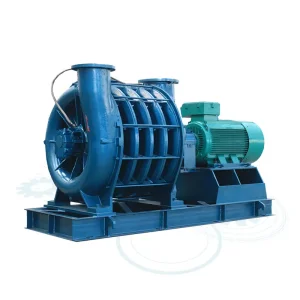
Pneumatic Conveying: Handling dry bulk solids (cement, grain, fly ash, plastic pellets) requires stable, high-capacity air streams. Heavy-duty multistage centrifugal blowers provide the continuous volumetric flow necessary to prevent line clogging and material stagnation across long pipeline runs.
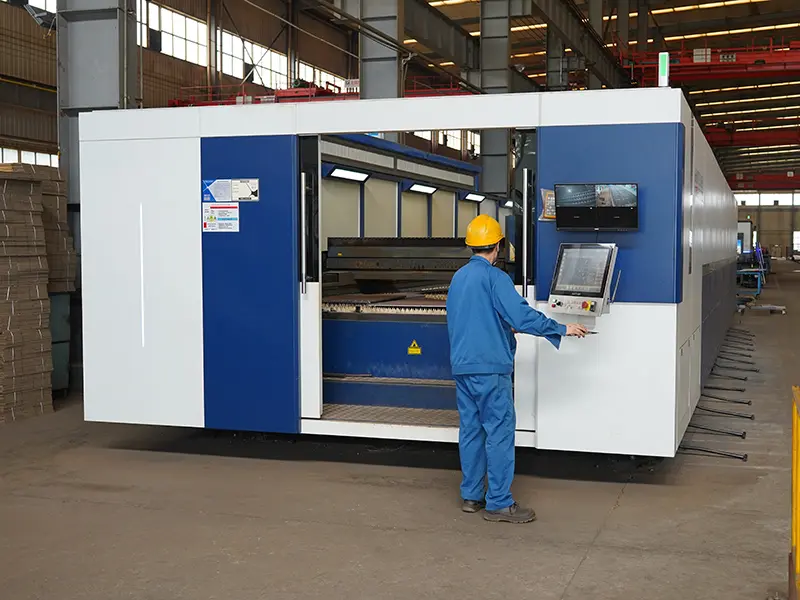
Shandong Zhangqiu Blower Co., Ltd. combines half a century of manufacturing pedigree with contemporary digital toolchains. Utilizing Product Lifecycle Management (PLM) and Computer-Aided Manufacturing (CAM) systems, our engineering team converts custom application requirements into highly precise CAD/CAM files within 24 hours. We offer complete 3D modeling and performance verification before a single metal component is cast.
Our structural and thermodynamic testing facilities are equipped with digital testing loops (CAT systems) to simulate extreme temperatures, varying air densities, and variable speed dynamics. This guarantees that when a blower lands at a site in North America, Europe, or the Middle East, its performance matches the design specification exactly.
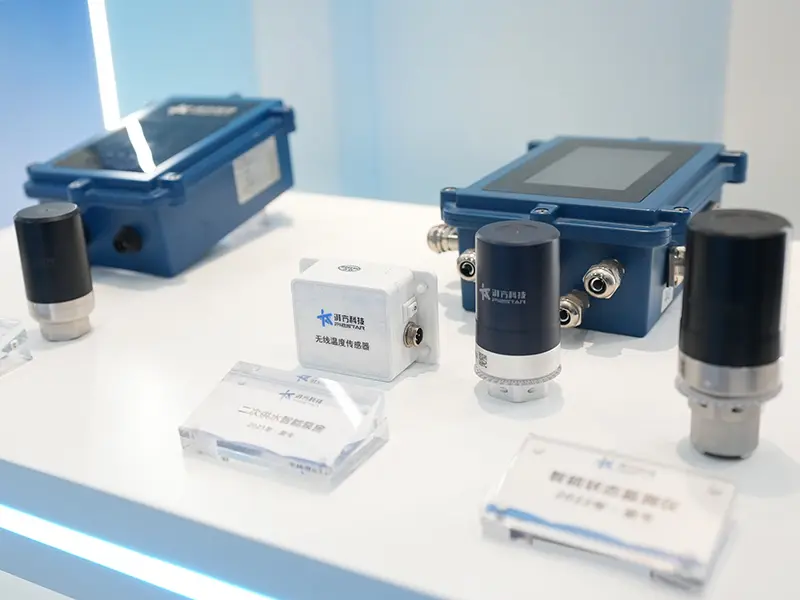
The next frontier for industrial air-handling equipment is smart integration. In partnership with digital service providers, we are actively implementing industrial IoT sensors on our centrifugal blower configurations. These sensors continuously track vibration levels, bearing temperatures, motor load, and pressure spikes.
By passing this data through predictive analytics engines, industrial plants can shift from reactive maintenance to predictive maintenance. This allows teams to identify potential bearing wear or motor imbalances weeks before a critical shutdown, preventing costly production halts and ensuring optimal equipment health throughout its 20+ year lifespan.
Additionally, modern systems are optimized to work with renewable energy grids, where supply can fluctuate. Variable speed, aerodynamic blowers are uniquely suited to adjust operating speeds dynamically without entering surge zones, allowing processing plants to align their heavy electrical loads with cheap, abundant solar or wind energy cycles.
When sourcing industrial centrifugal blowers internationally, look past unit cost to evaluate long-term Total Cost of Ownership (TCO). Procurement managers should focus on three core areas:

In-depth insights into selection, performance, and maintenance for engineering teams and procurement specialists.
Further explore our full line of specialized blowers, slurry pumps, and engineered systems, built to meet stringent ISO and CE standards globally.
 Zhangqiu