Explore our cutting-edge dynamic engineering solutions built for long-term heavy duty performance.
Understanding the severe abrasive and chemical realities that challenge modern mineral processing systems worldwide.
Across the global mineral processing landscape—from the copper concentration plants of Chile to the remote gold flotation circuits of Western Australia and South Africa—the efficient transportation of slurry is the heartbeat of production. Slurry handling is inherently violent. Highly concentrated mixtures of hard minerals, corrosive chemicals, and acidic carrier fluids cause rapid mechanical wear, hydraulic degradation, and catastrophic downtime when standard piping or pumping alloys fail.
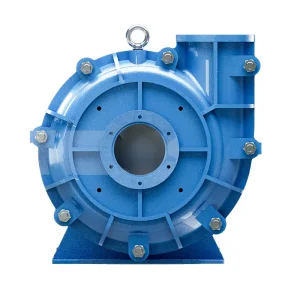
Typically, traditional metallic pumps constructed with high-chrome irons (such as Cr27) withstand coarse particle shearing but fall short when handling finer, highly corrosive mineral matrices. In these demanding conditions, rubber-lined slurry pumps have emerged as the industry benchmark. Because rubber is an elastomer, it absorbs kinetic impact by deforming under particle collision and immediately releasing the energy without micro-fracturing. By utilizing targeted elastomer compounds, mining operations, tailing systems, and desulfurization plants can achieve multi-fold extensions in operational lifecycles, ensuring environmental compliance and cost efficiency.
Unlike rigid metals that erode under direct impact angle wear, high-grade rubber deforms elastically, mitigating the kinetic energy of slurry particulates.
In low pH chemical slurries, acid eats away the oxide protective layer of metals. Natural and synthetic rubbers are immune to acid-base corrosion, maintaining mechanical seal integrity.
By preventing catastrophic casing wear and cutting impeller replacement cycles, rubber-lined pumps reduce operational costs by up to 40% compared to high-alloy alternatives.
Selecting the optimal wear protection medium based on particle characteristics, pH scale, and mechanical velocities.
To understand why rubber linings outperform metal alloys in specific processing paths, engineers must evaluate the particle dynamics within the pump chamber. In applications where the particle size of the suspended solids is relatively fine (typically under 6mm or 0.25 inches) and the impact velocity is moderate, specialized natural rubber compositions offer unmatched elasticity. High-velocity solid particles strike the rubber surfaces and bounce off, conserving the integrity of the underlying pump casing.
| Operational Metric | Natural Rubber Linings (ZCBC Premium) | High-Chrome Metal Alloys (Cr27 / Cr30) | Silicon Carbide Ceramic Linings (TZJK-TD) |
|---|---|---|---|
| Max Particle Size Limit | Fine to Medium particles (< 6-8mm) | Coarse particles and heavy gravel (> 15mm) | Medium abrasives with low impact risk |
| Chemical (pH) Resistance | Excellent (pH 2 to pH 13) | Poor to moderate in acidic media | Superb across all pH ranges |
| Impact Toughness | Outstanding (Deforms and absorbs shock) | Brittle under extreme shock loading | Extremely fragile to heavy mechanical shocks |
| Maximum Operating Temp | Up to 75°C (167°F) for natural elastomer | Elevated temperatures beyond 200°C | Excellent thermal capacity up to 150°C+ |
| Dry Run Tolerance | Extremely poor (Heat build-up melts elastomer) | Poor (Thermal shock cracks alloy) | Extremely poor (Destroys ceramic layer) |
Analyzing how engineering modifications fit into regional geological settings and plant architectures.
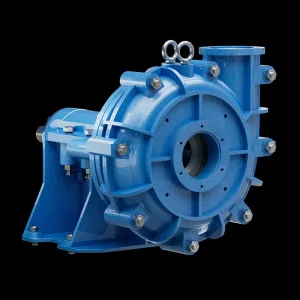
In flotation recovery lines, slurries are characterized by fine-grained particles mixed with aggressive flotation reagents (xanthates, frothers, and sulfuric acid to modify pH levels). Standard metal liners erode rapidly due to the corrosion-wear synergy. The ZCBC Rubber-Lined Slurry Pump uses custom natural rubber compound linings (comparable to premium Linatex formulations) which stand up to these reagents while maintaining wear resistance under intense recirculation dynamics.
Power plants that run coal-fired generation require absolute scrubber reliability. Limestone slurry—which scrubs sulfur dioxide gas from exhaust fumes—is abrasive and acidic. The FGD pumps must run continuously to prevent environmental violations. Our rubber-lined pumps utilize specialized Chloroprene or EPDM compounds to resist gas-absorption acidities while circulating heavy limestone slurries around the absorber tower, maintaining system uptime.
For sand washing facilities, high-silica sand particles wear down standard components through sliding abrasion. With fine quartz sand transport, rubber impellers and side liners deform slightly as the particle slides, allowing the particle to glide over the elastomer surface without chipping or peeling the material. This ensures clean, consistent sand separation and maximum uptime for gravel washing plants.
Phosphatic fertilizer and chemical plants deal with highly acidic phosphoric or sulfuric acid slurries containing gypsum crystals. This combination of abrasive crystals and corrosive carrier acids degrades unprotected metallic pumps. ZCBC's synthetic rubber liners, customized to counter chemical corrosion, protect the structural casing from deterioration, eliminating safety hazards and environmental contamination.
Developing advanced materials, dynamic simulation platforms, and smart predictive diagnostics.
By embedding nano-scale reinforced fibers and carbon matrices, our chemical engineering team is increasing structural cut-and-tear thresholds, allowing rubber components to handle coarse materials up to 12mm.
Integrating wear-resistant ceramic plates within an elastic rubber vulcanized matrix. This hybrid structure, seen in our TZJK-TD series, delivers chemical resistance and wear performance in critical installations.
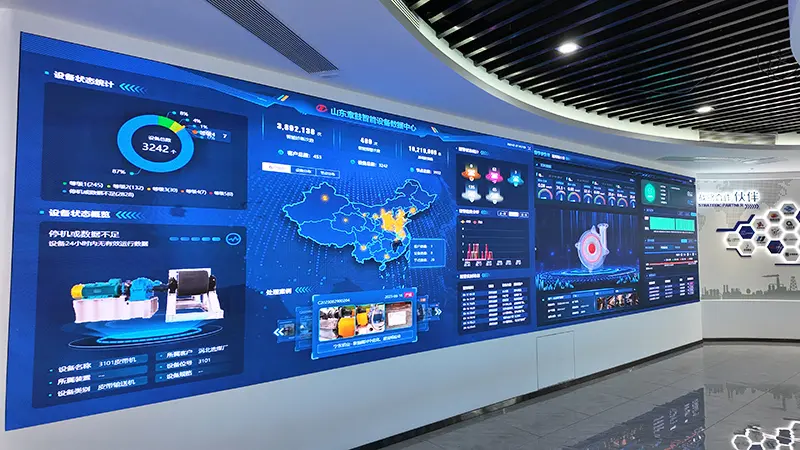
Deploying micro-wear sensors inside the liner, sending real-time data on liner wear to SCADA networks. Operators can schedule maintenance before liner failure, protecting the pump casing.
A half-century of mechanical engineering leadership, global distribution, and stock market reliability.
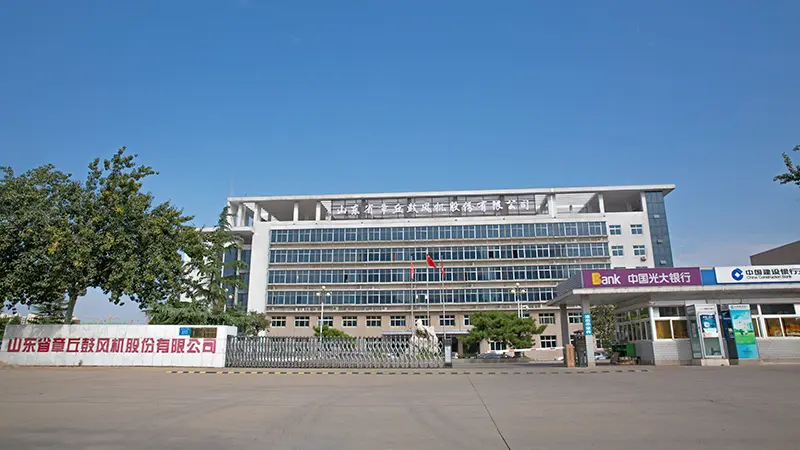
Shandong Zhangqiu Blower Co., Ltd. (formerly known as Shandong Zhangqiu Blower Works) is a trusted name in the global industrial machinery market. With over 50 years of blower and pump design, engineering, and manufacturing experience, ZCBC is a leader in heavy duty air and liquid handling technology.
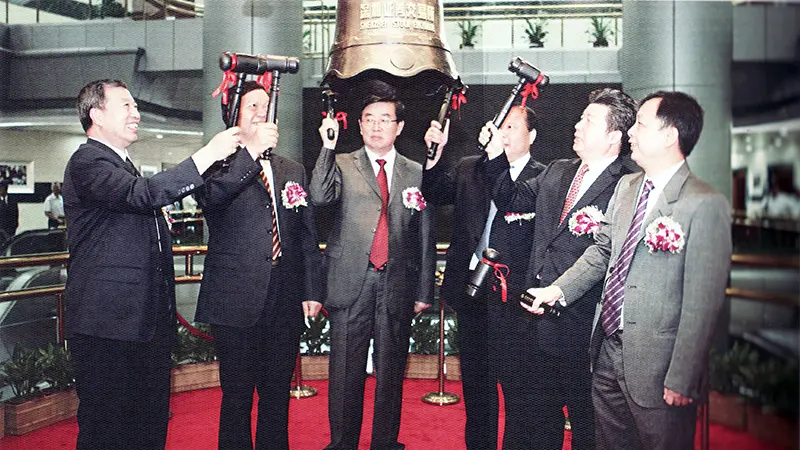
Our company set up two Sino-Japanese Joint-ventures and one USA branch, becoming the first enterprise in China's blower industry to establish an overseas branch. On July 7th, 2011, ZCBC officially listed on the Shenzhen Stock Exchange (Stock Code: 002598), demonstrating our financial health, engineering capabilities, and corporate transparency.
In 2020, our parent company realized an operating income of 1.5 billion yuan and a profit of 150 million yuan (including Zhang Drum and its holding companies). ZCBC manages 20 holding companies and has set up four modern manufacturing bases in Wuxi (Jiangsu), Dongguan (Guangdong), Chenzhou (Hunan), and Jinchang (Gansu), along with R&D centers in Beijing, Shanghai, Shijiazhuang, and Wuxi.
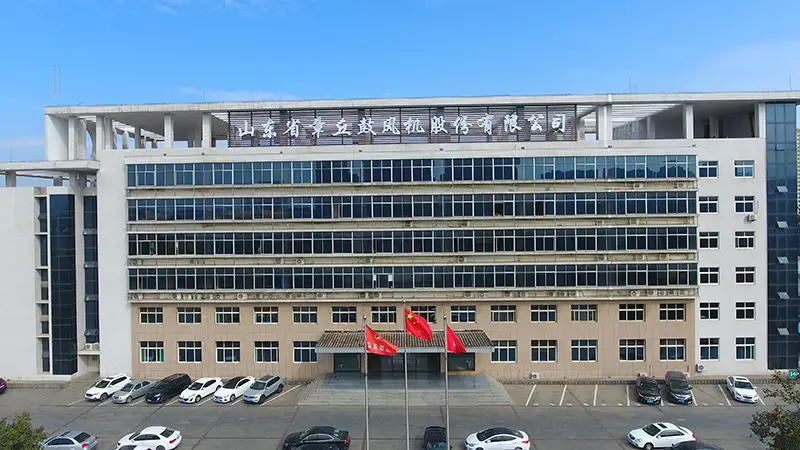
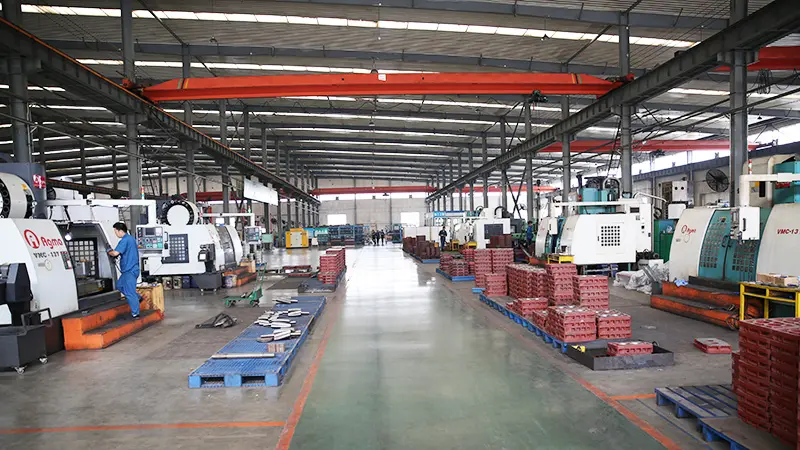
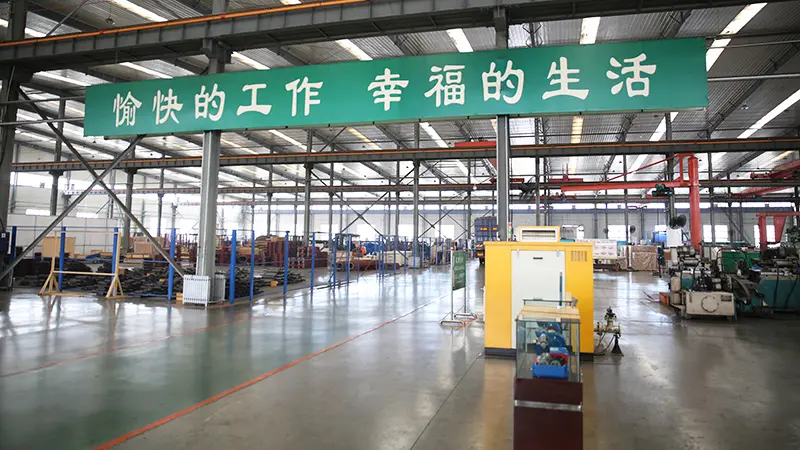
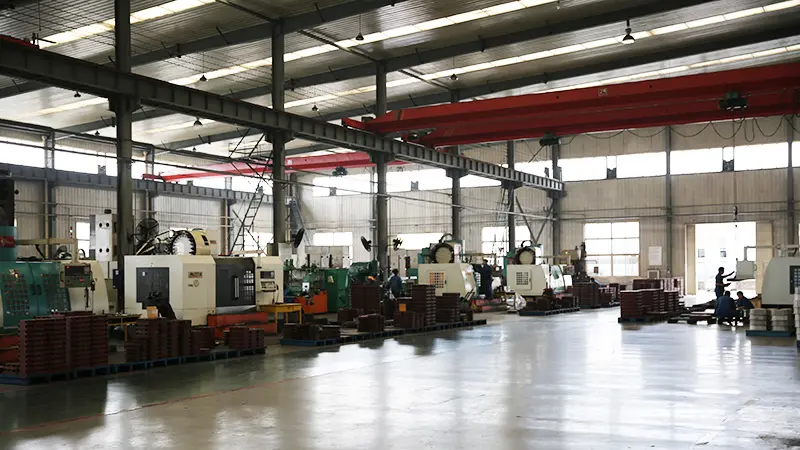
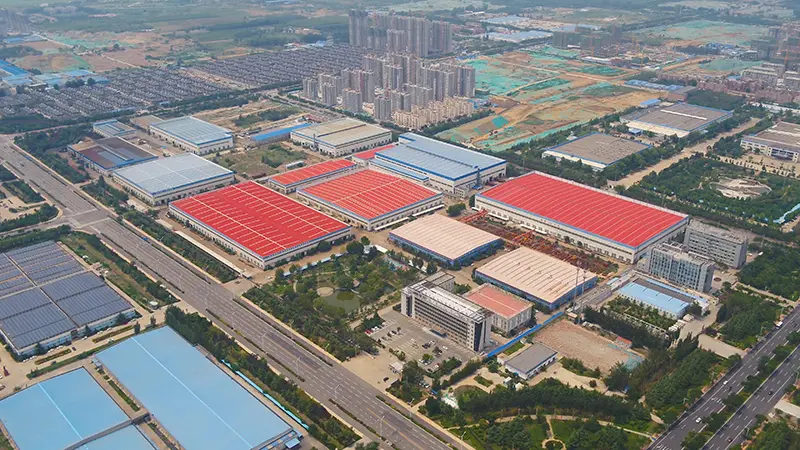
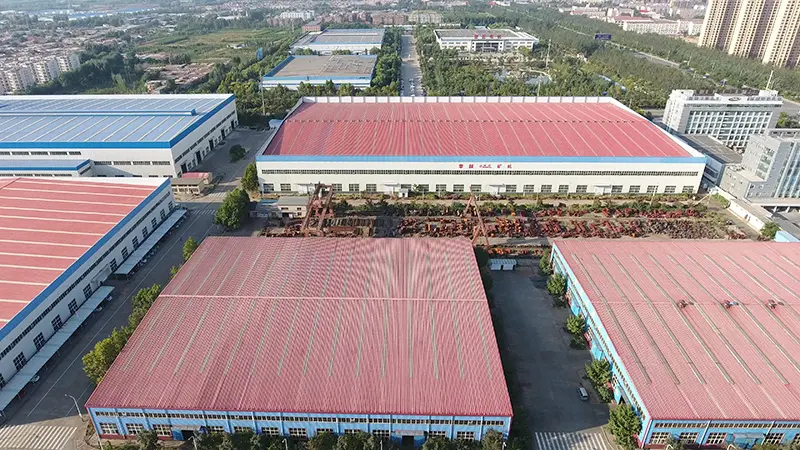
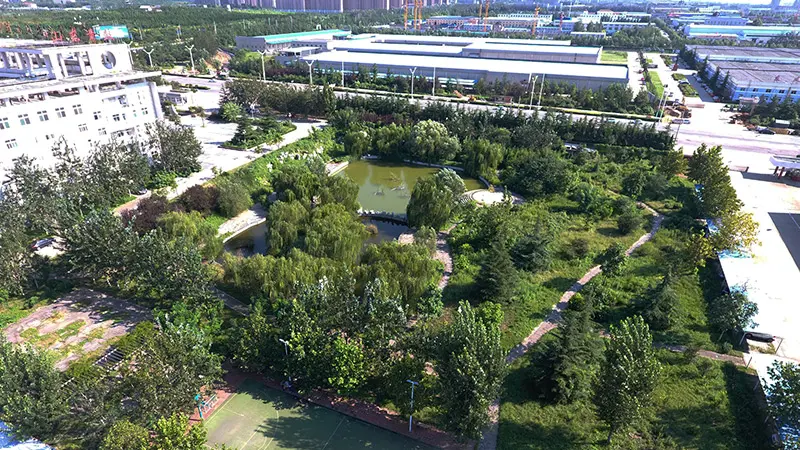
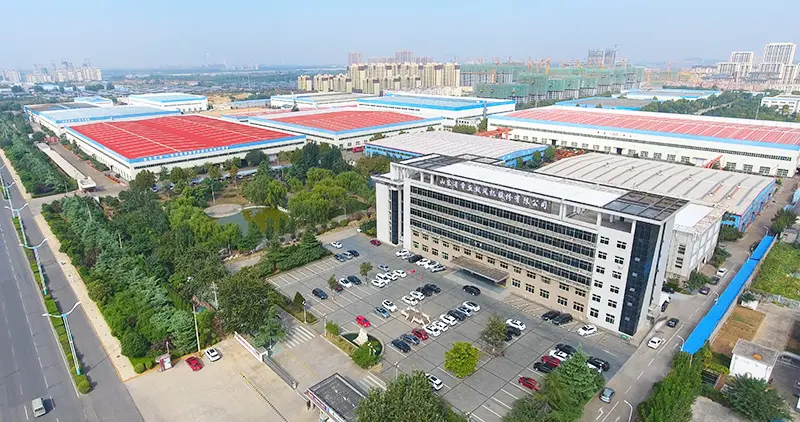
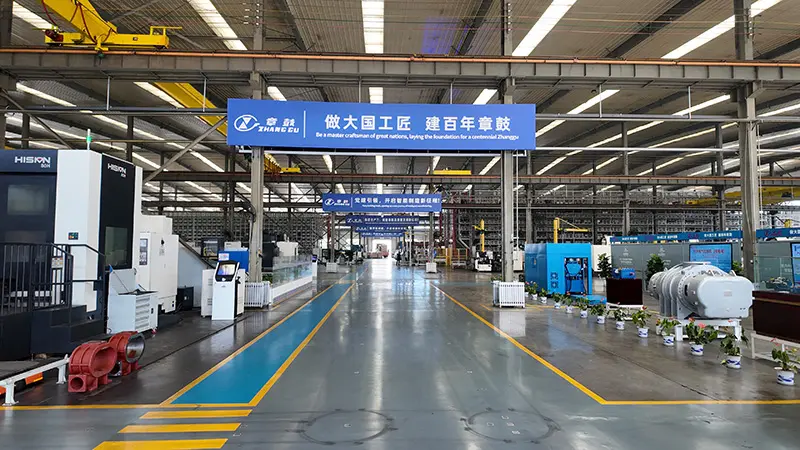
In 2005, ZCBC relocated to a modern, high-standard industrial park covering 430,000 square meters. This facility supports advanced machining, automated rubber vulcanization ovens, physical laboratory testing, and final QA verification. Our research is backed by partnerships with institutions like Tsinghua University, Xi'an Jiaotong University, China University of Mining and Technology, and Shandong University.
Utilizing high-end processing, testing equipment, and international standard certification.
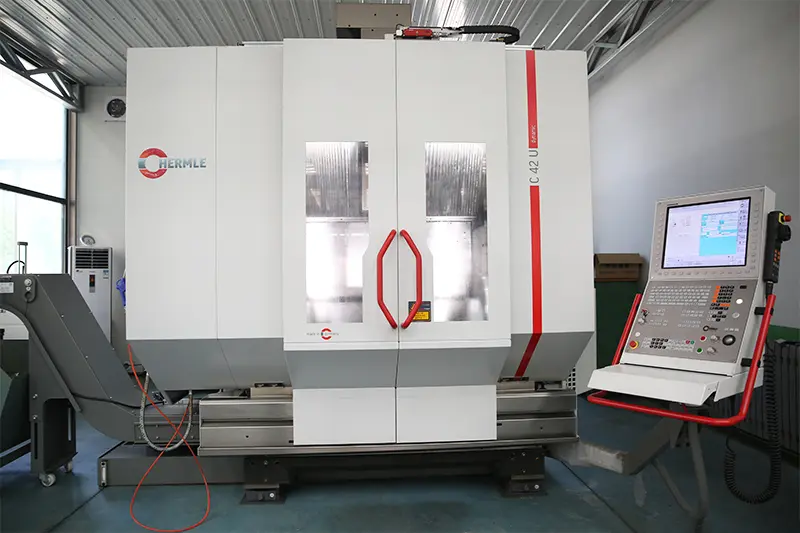
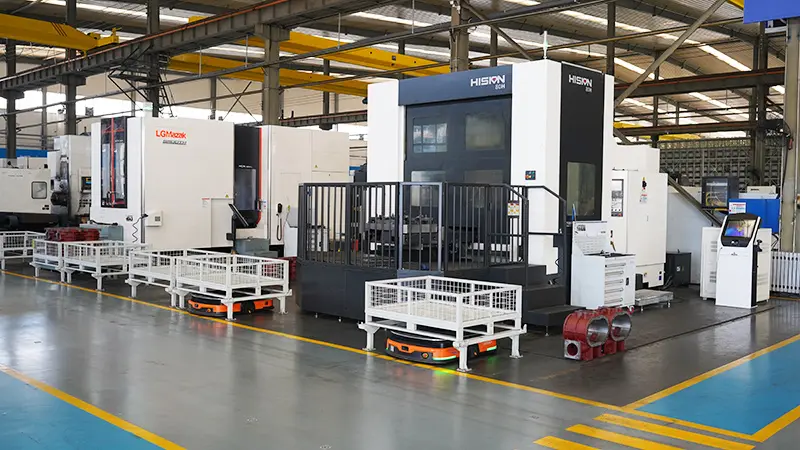
ZCBC is equipped with nearly 100 sets of advanced processing and testing equipment, including CNC machining centers, five-axis machining centers, three-axis measuring instruments, and ultrasonic flaw detectors imported from Japan and Germany, ensuring high manufacturing precision.
The company has secured 69 authorized patents (including 5 invention patents) and 2 copyrights. Key innovations include countercurrent cooling, fan noise reduction, fan anti-sticky wear, and special pressure sealing designs.
We employ Product Lifecycle Management (PLM), Computer-Aided Manufacturing (CAM), Computer-Aided Process Design (CAPP), and Computer-Aided Testing (CAT) systems to accelerate R&D cycles and deliver consistent build quality.
ISO9001 Quality System, ISO14001 Environmental Management System, ISO50001 Energy Management System, ISO10012 Measurement Management System, CE certification, and the Safety Mark for Mining Products.

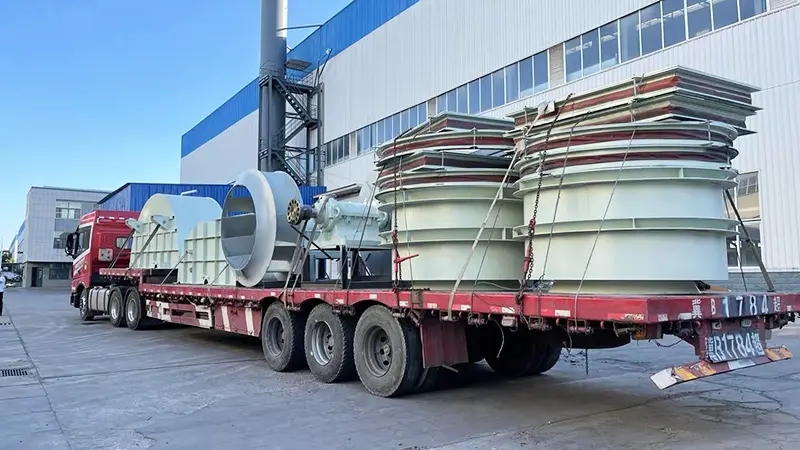
How ZCBC guarantees reliable engineering execution, replacement logistics, and direct support on six continents.
Our design team provides customized 3D CAD models and pump room layout plans within 24 hours of receiving site requirements, matching your piping configurations.
We maintain regional inventories of rubber liners, impellers, and throatbushes to ensure parts are delivered quickly to mining locations in Australia, Chile, and the USA.
All units comply with global mine-safety certifications, pressure testing requirements, and CE directives, ensuring smooth integration into operations worldwide.
Expert engineering insights on rubber-lined pumps, wear optimization, and operational efficiency.
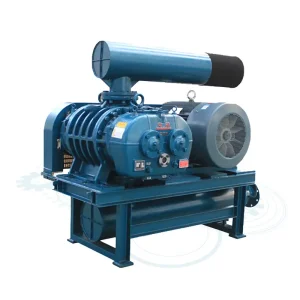
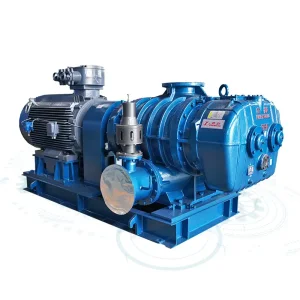
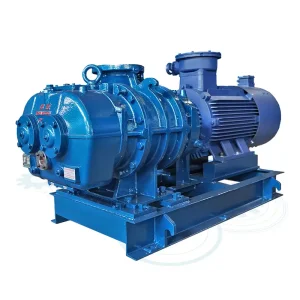
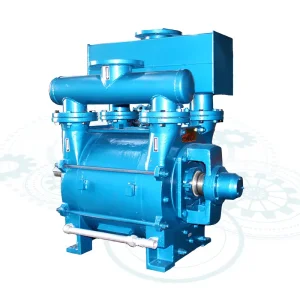
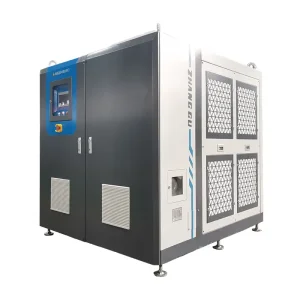
Complete your facility's layout with our range of vacuum systems, roots blowers, and high-efficiency turbo blowers.
 Zhangqiu