 Zhangqiu
1 / 5
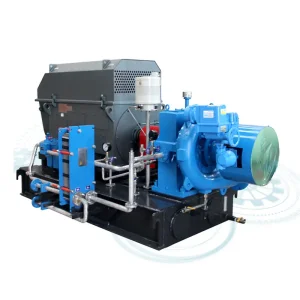
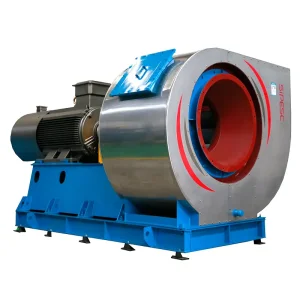
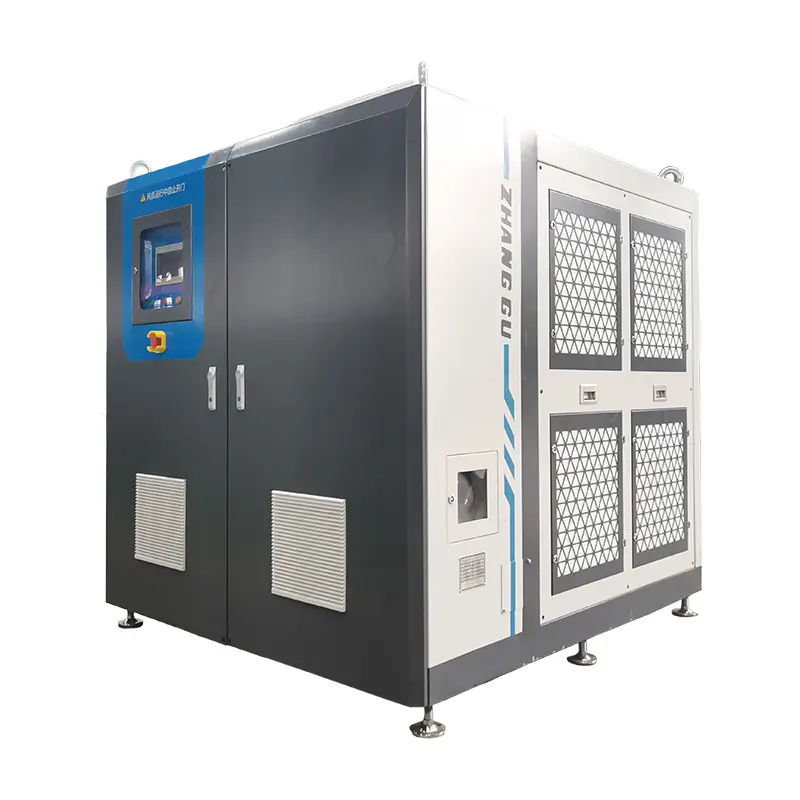
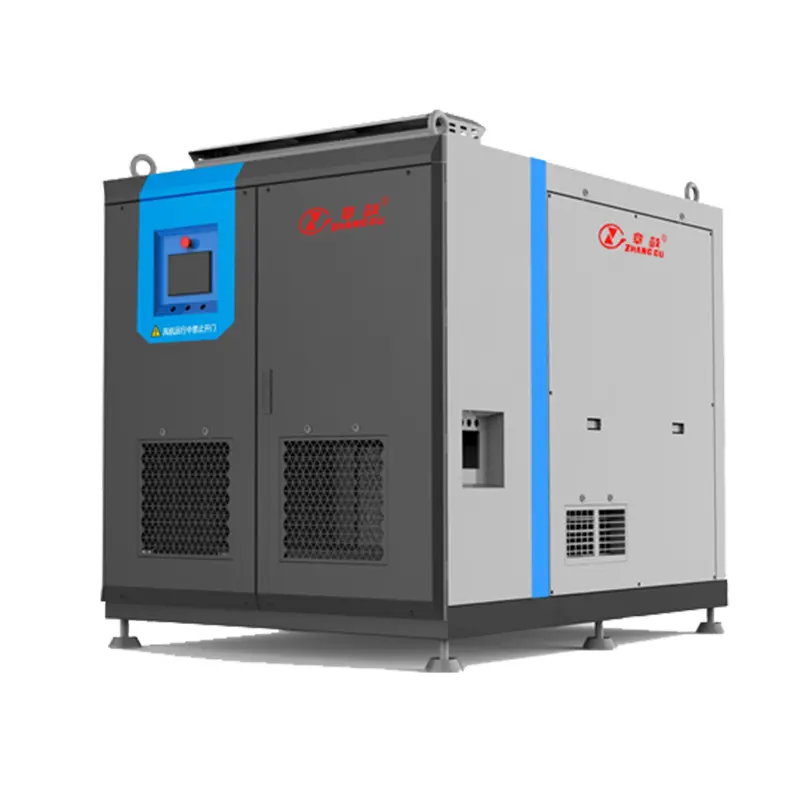
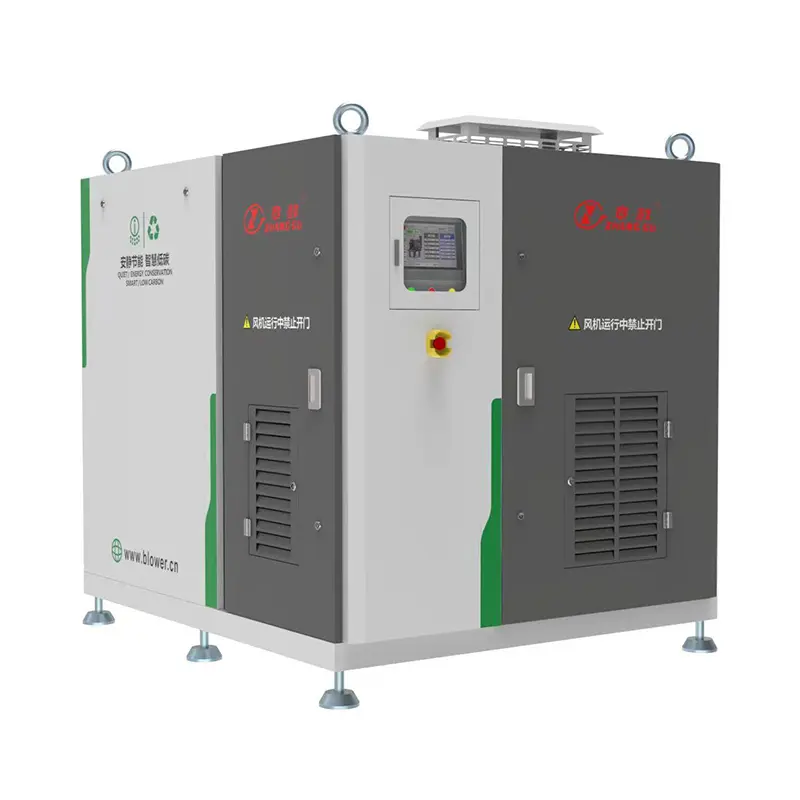
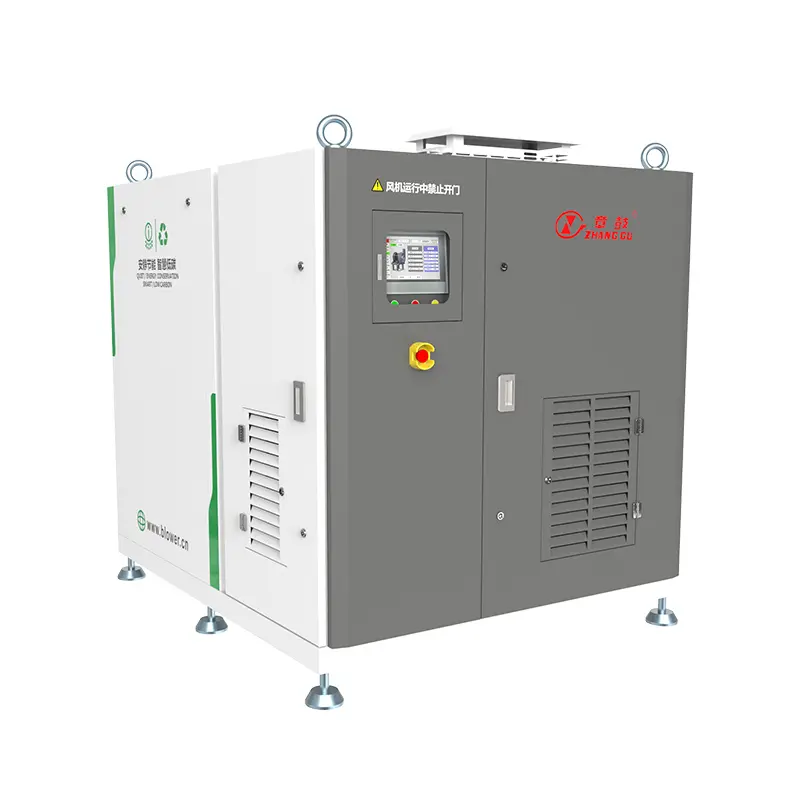
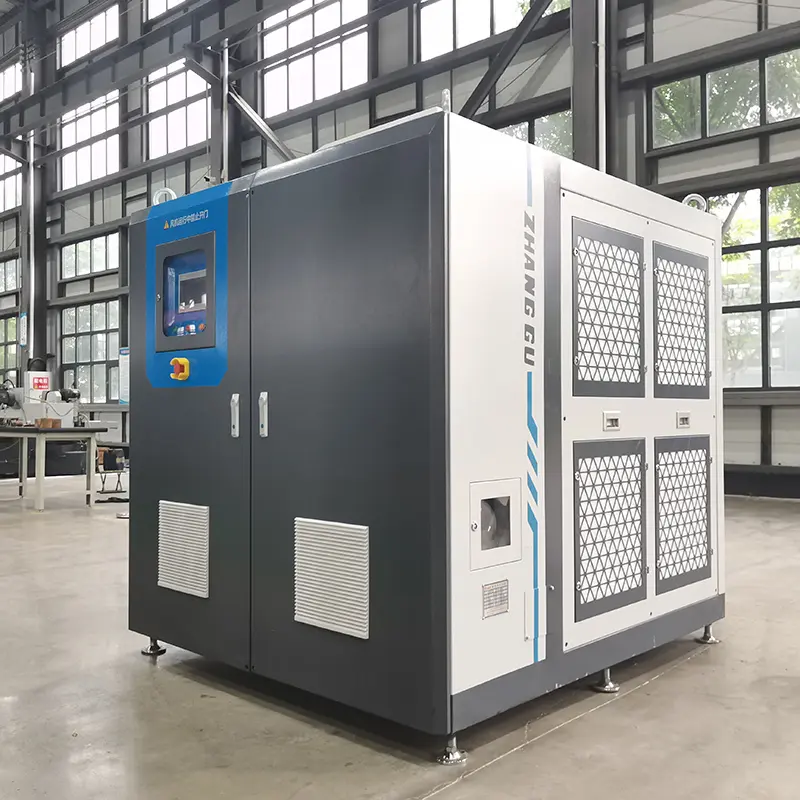
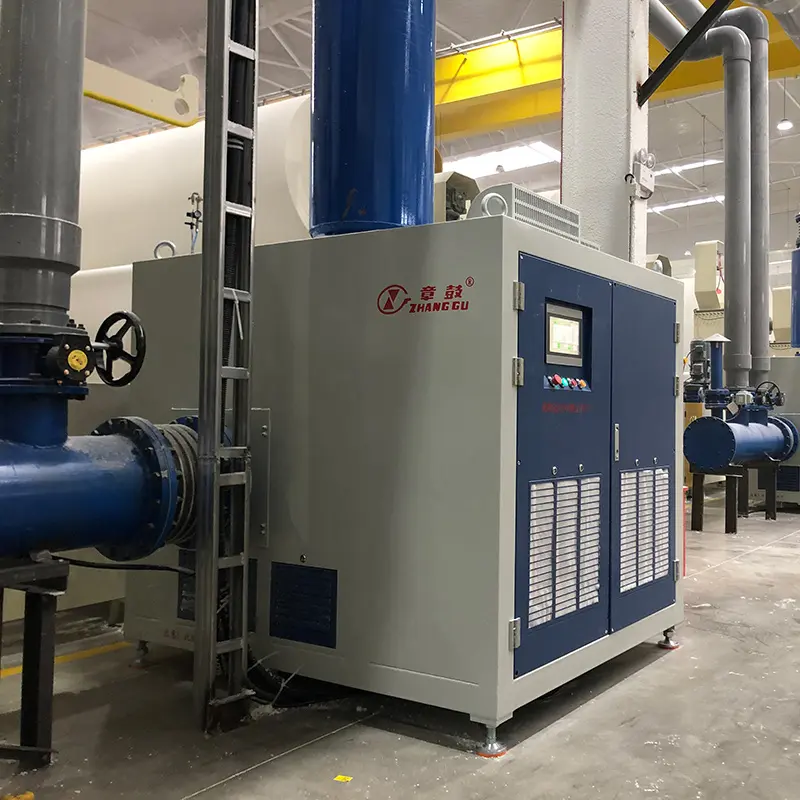
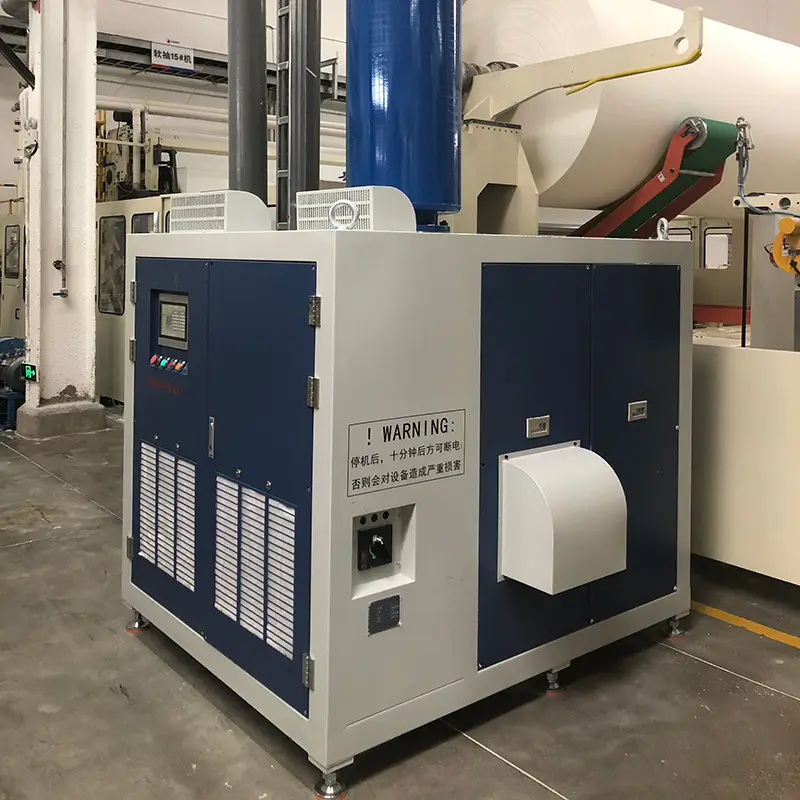
By utilizing magnetic levitation, the blower eliminates friction, resulting in improved efficiency, lower maintenance, and extended operational life. This technology offers enhanced performance and energy savings compared to traditional bearing-based systems.
The magnetic suspension allows the blower to operate with minimal vibration and noise, making it perfect for environments where low acoustic emissions are critical, such as in laboratories, cleanrooms, and data centers.
This blower is optimized for low energy consumption, reducing operational costs without compromising performance. It is ideal for industries seeking sustainable solutions without sacrificing power.
The magnetic suspension system ensures precise rotor alignment and stable operation, resulting in consistent airflow and high-pressure output.
The absence of mechanical bearings leads to less wear and lower maintenance requirements, ultimately reducing downtime and lowering operational costs over the long term.
| Parameter | Value Range |
|---|---|
| Flow Rate | 1 – 250 m³/min |
| Pressure Rise | Up to 100 kPa |
| Rotor Speed | Up to 35,000 RPM |
| Suspension Type | Active Magnetic Levitation |
| Power Supply | Electric Motor |
| Noise Level | Below 60 dB(A) |
| Power Consumption | Low Energy |
Essential for cleanroom ventilation, cooling, and dust control in semiconductor production, where precise airflow and low contamination are paramount.
Used in aeration systems, wastewater treatment, and biological filtration, where clean, consistent airflow is required for optimal process control.
Provides efficient airflow in HVAC systems, particularly in environments that require silent operation such as hospitals, commercial buildings, and research facilities.
Ideal for high-efficiency pneumatic conveying, drying systems, and dust extraction, where consistent, low-vibration performance is critical.
Offers high-efficiency ventilation in sensitive environments, ensuring precise air control and reducing contamination risk in research and industrial labs.
Designed to optimize energy consumption, saving on operational costs.
Magnetic suspension technology significantly reduces vibration and noise, ensuring silent operation.
The lack of mechanical bearings reduces wear, lowering maintenance needs and downtime.
The blower’s energy-efficient design supports green initiatives and sustainability goals.
With precise rotor control, it delivers consistent airflow and high pressure in demanding applications.
Q1: How does magnetic suspension technology benefit the centrifugal blower?
A1: By using magnetic levitation, the blower completely eliminates mechanical friction. This leads to higher operational efficiency, reduced maintenance, minimized wear and tear, and a significantly extended product lifespan compared to blowers with traditional bearings.
Q2: What is the noise level of the Magnetic Suspension Centrifugal Blower during operation?
A2: The blower operates with exceptionally low noise levels, staying below 60 dB(A). The magnetic suspension design ensures minimal vibration, making it ideal for noise-sensitive environments like laboratories and hospitals.
Q3: What are the typical flow rate and rotor speed ranges?
A3: The blower features a flow rate range of 1 to 250 m³/min, a pressure rise of up to 100 kPa, and can reach a high-precision rotor speed of up to 35,000 RPM powered by an electric motor.
Q4: In which environments is this blower commonly used?
A4: Common applications include cleanroom ventilation in semiconductor manufacturing, aeration systems in water treatment, commercial HVAC air conditioning, industrial pneumatic conveying, and sensitive laboratory environments.
Q5: Why is the maintenance requirement for this blower so low?
A5: Since there are no contact bearings in the active magnetic levitation system, mechanical wear is virtually non-existent. This drastically reduces the need for regular maintenance, lowers downtime, and optimizes long-term operational costs.
Q6: Is this centrifugal blower energy-efficient?
A6: Yes, the blower is specifically designed to optimize energy consumption. By reducing friction loss and incorporating precise active magnetic control, it helps businesses support sustainability goals and cut energy costs.