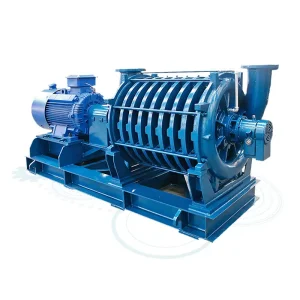
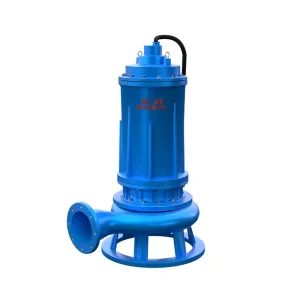
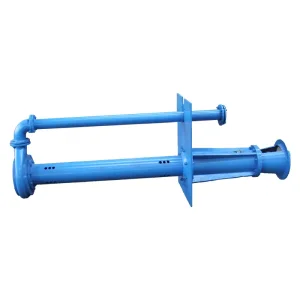
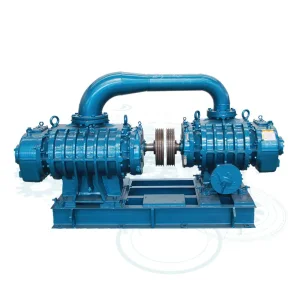
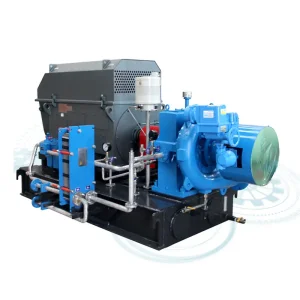
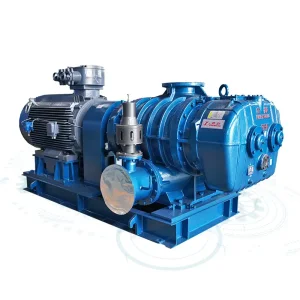
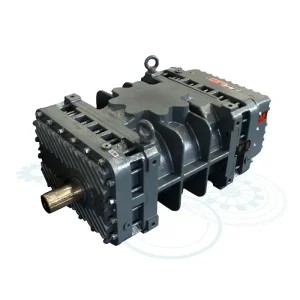
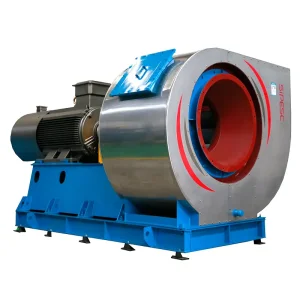
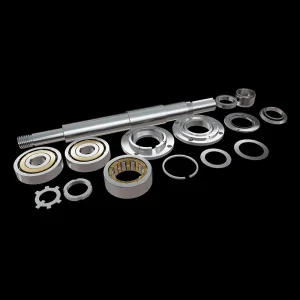
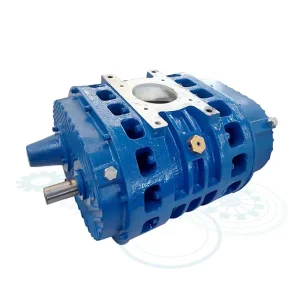
Engineered to prevent electrostatic discharge and mechanical friction ignition. Discover our high-performance product lineup optimized for chemical processing, wastewater, and explosive gas ventilation.
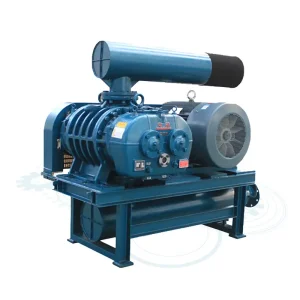
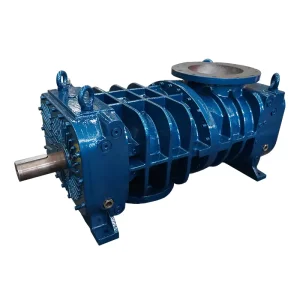
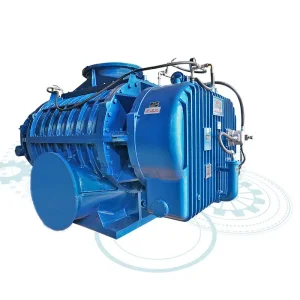
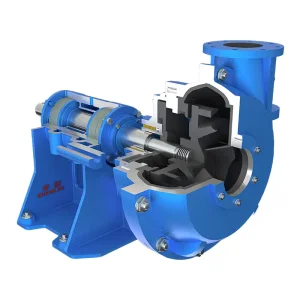
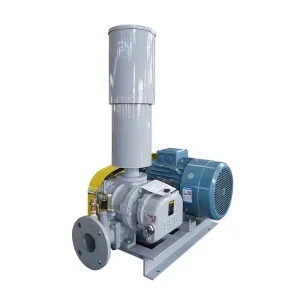
Minimizing explosion risks and ensuring plant safety alignment with ATEX and AMCA 99 spark resistant classifications.
In modern industrial ventilation, spark-resistant fans and blowers are critical safeguards rather than optional upgrades. These components are specifically engineered to eliminate mechanical friction sparks and electrostatic discharges that can trigger catastrophic explosions in hazardous settings. These spaces typically hold volatile vapors, explosive dusts, or highly flammable chemical agents. With rapid industrialization, expansion in chemical processing, and stricter international safety regulations (like ATEX in Europe and OSHA/NFPA in North America), the global demand for spark-resistant equipment is rising steadily.
Technological compliance lies at the heart of this market. Design standards like the **AMCA 99-10 (Association of Movement and Control Association)** classifications specify three major types of spark-resistant construction:
"Global petrochemical investments, mining ventures, and hazardous dry bulk material processes are driving the demand for specialized, spark-resistant ventilation. Safe operation is the foundation of modern chemical and environmental processing."
Over 50 years of design, manufacturing, and global export excellence in heavy-duty gas movement systems.
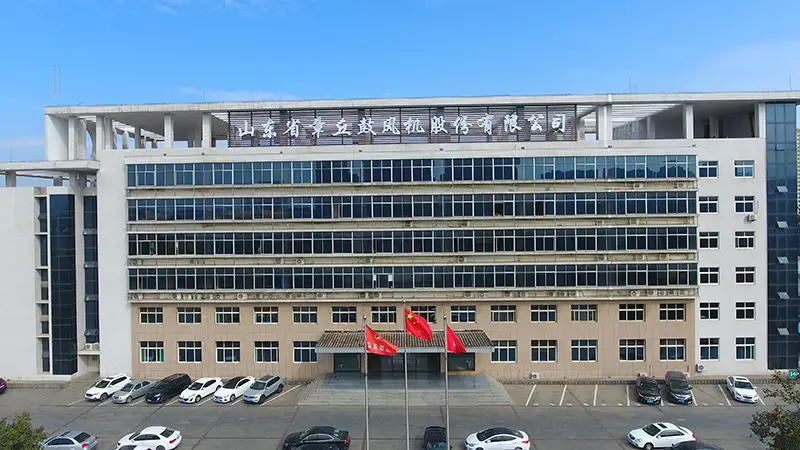
Shandong Zhangqiu Blower Co., Ltd. (formerly known as Shandong Zhangqiu Blower Works) is a public company (Shenzhen Stock Exchange Center, Stock Code: 002598) with over 50 years of dedication to blower design, testing, and manufacturing technology. As a prominent manufacturer, ZCBC (Zhang Drum) has established two Sino-Japanese Joint-ventures and a USA branch, marking us as the first Chinese enterprise in the blower industry to expand with overseas branches. We lead the Zhangqiu local industrial cluster, and our core Roots Blower line consistently leads domestic market share.
Our overall corporate strategy is defined by: "Develop main business, pioneer new fields and innovate, cooperate to be a great company", guided by our core standard of "Do the best". ZCBC operates as a modern integrated enterprise focusing on design, production, and sales. Our product range includes Roots Blowers, Centrifugal Blowers, Industrial Fans, Slurry Pumps, Pneumatic Conveying Systems, Electrical Equipment, and MVR Evaporation, Concentration, and Crystallization systems.
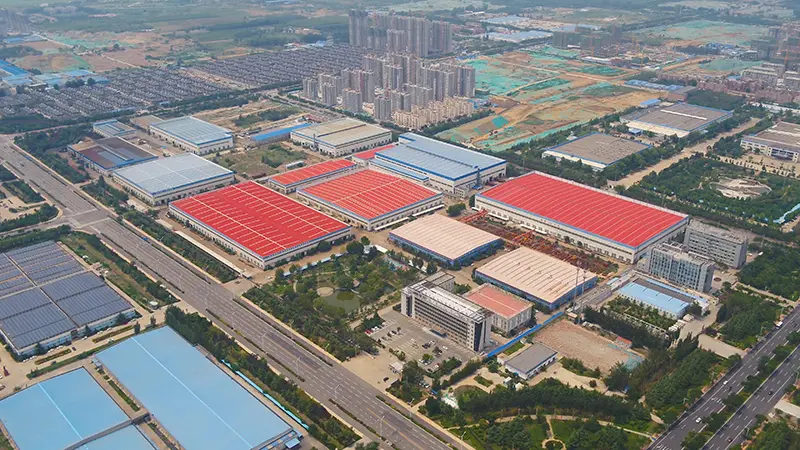
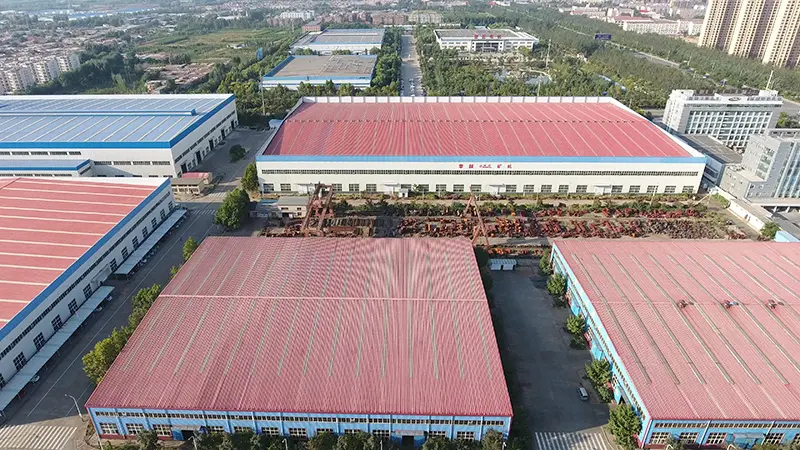
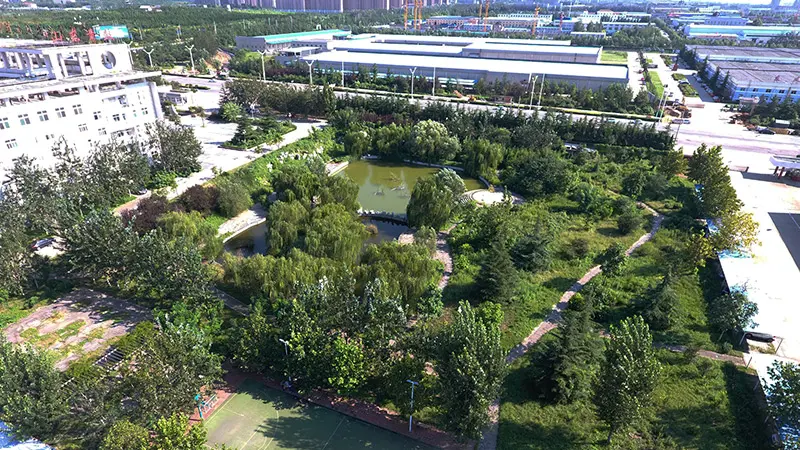
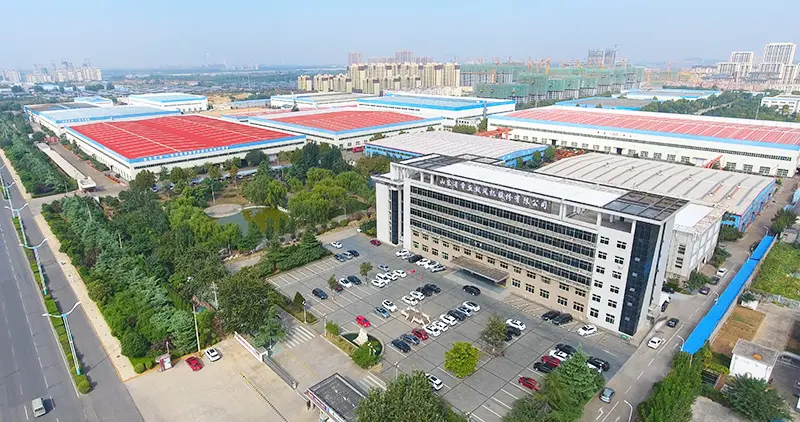
In 2005, ZCBC relocated to a modern industrial park spanning 430,000 m². Equipped with advanced facilities and offices, this complex supports extensive international collaboration and manufacturing scaling. In 2020, our parent company achieved operating income of 1.5 billion yuan with a profit of 150 million yuan.
Today, Zhang Drum operates 20 holding companies and runs four production bases in Wuxi, Dongguan, Chenzhou, and Jinchang, supported by four state-of-the-art research and development centers in Beijing, Shanghai, Shijiazhuang, and Wuxi.
Years of Blower Design & Manufacturing Experience
Yuan Operating Income Achieved in 2020
Authorized Patents (inc. 5 Invention Patents)
Countries and Regions Exported Globally
Exploring the next generation of explosion-proof systems, advanced anti-static materials, and smart monitoring.
Traditional non-ferrous construction uses basic aluminum impellers. Our technical roadmap focuses on introducing highly conductive carbon fiber composite blends and engineered brass alloys. These materials maintain rigidity under high speeds while dispersing static charges.
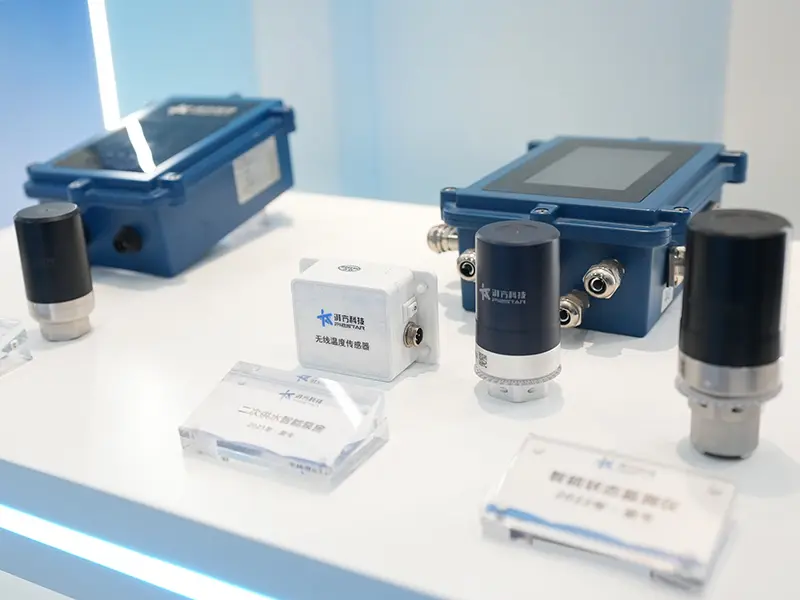
To prevent mechanical contact between rotating and stationary parts, future iterations integrate non-contact optical sensors and vibration diagnostic systems. This allows real-time monitoring of impeller clearance and shaft alignment, preventing friction risks before they occur.
Moving away from v-belts (which can generate static heat), our future designs prioritize permanent magnet synchronous motors (PMSM) paired with direct-drive shafts. This removes friction-prone transmission parts and aligns with energy efficiency targets.
ZCBC's state-of-the-art laboratory testing, high-precision CAD validation, and international quality certifications.
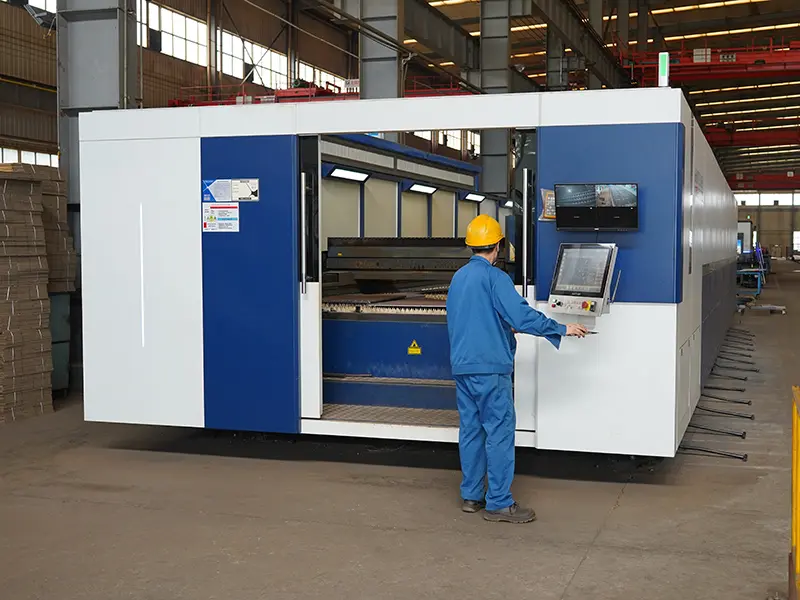
ZCBC has established a robust scientific research team composed of experts receiving special allowances from the State Council, senior engineering researchers, and technical talent introduced through city initiatives. Supported by a "postgraduate workstation" and close collaboration with institutions like Tsinghua University, Xi'an Jiaotong University, and Shandong University, our design group delivers rapid 3D CAD modeling and performance calculations within 24 hours.
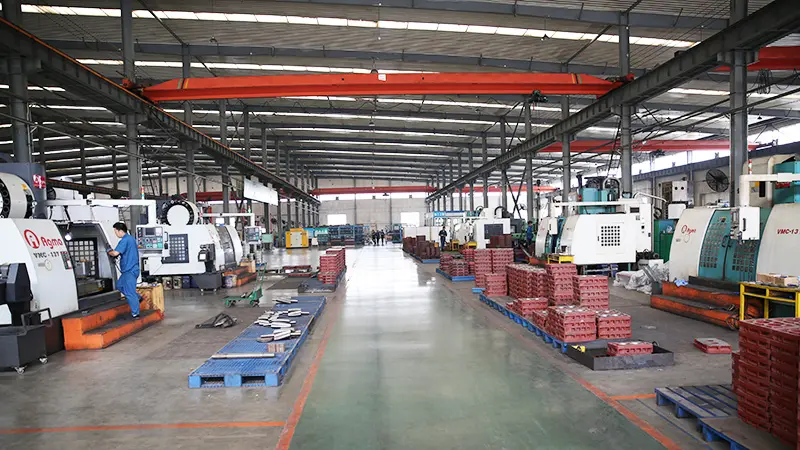
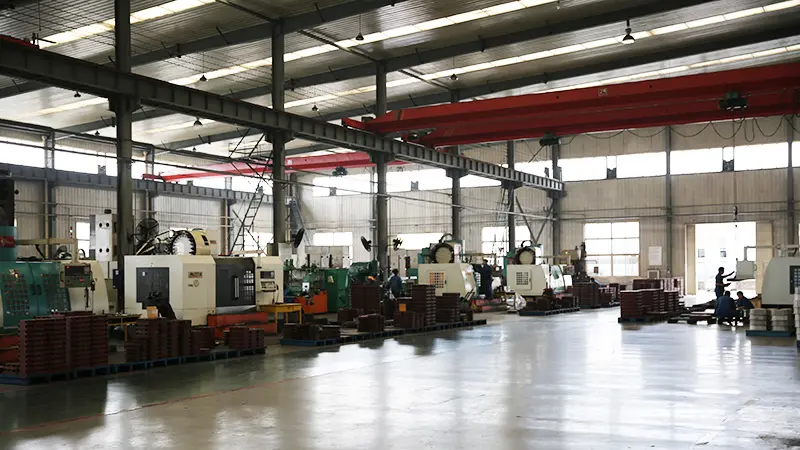
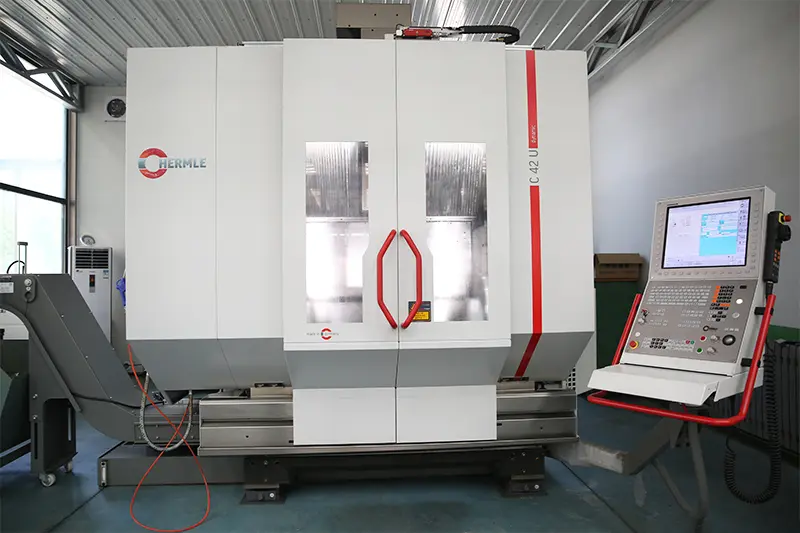
To support this innovation, ZCBC maintains a high-precision testing center equipped with nearly 100 sets of advanced machinery. This includes imported CNC machining centers, five-axis machining centers, three-axis coordinate measuring instruments, and ultrasonic flaw detectors from Japan and Germany. We utilize Product Lifecycle Management (PLM), Computer-Aided Manufacturing (CAM), and Computer-Aided Process Planning (CAPP) systems to optimize production accuracy.
Our quality management is backed by ISO9001, ISO14001, ISO50001 (Energy Management), and ISO10012 (Measurement) certifications. Relevant products carry the Safety Mark for Mining Products, European CE Certification, and mandatory 3C Certification.
Custom engineered configurations designed for volatile gases, abrasive slurry processing, and dry bulk materials.
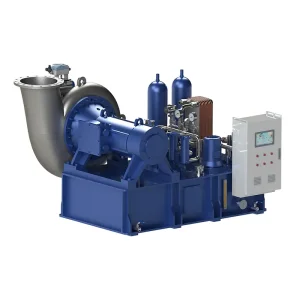
In refining plants, volatile organic compounds (VOCs) and hydrogen gases demand reliable spark protection. ZCBC provides AMCA Type A and Type B spark-resistant centrifugal blowers, combined with explosion-proof motors, to manage process gas loops safely.
Digester systems generate highly explosive methane gas mixed with moisture and hydrogen sulfide. Our custom-sealed Roots blowers and vacuum pumps prevent internal friction contact, offering corrosion resistance alongside spark protection.
Moving combustible materials like coal dust or agricultural grain requires explosion-proof safety margins. Our heavy-duty roots packages and truck blowers are designed to handle continuous materials without creating static discharge.
Wet desulfurization systems combine abrasive, corrosive slurry with warm gas streams. Using corrosion-resistant alloys, ZCBC provides slurry pumps and aeration blowers to keep power plants operating safely under harsh conditions.
Fostering team cohesion, technological innovation, and a long-term safety focus.
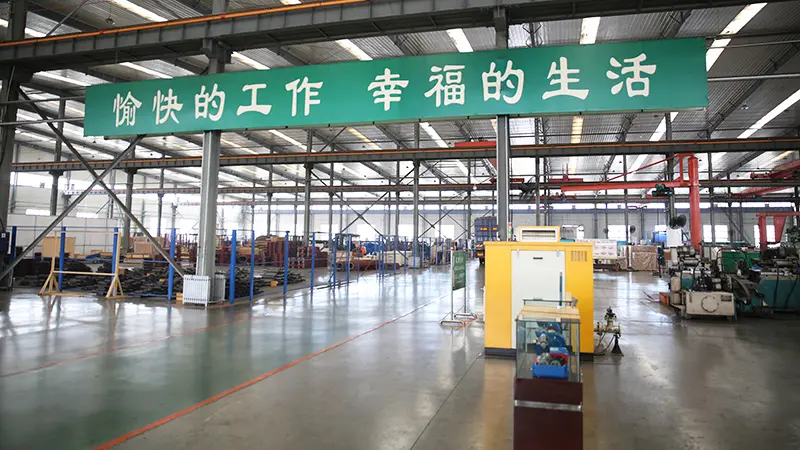
At ZCBC, corporate culture forms the foundation of our operational safety and engineering standards. We believe that "Cohesion produces strength, unity brings glory." Our teams are dedicated to continuous technical improvement and active self-assessment.
Under the guidance of Chairman Fang Rungang, the leadership team established a diversified development strategy that expands our core blowers while investing in water treatment, environmental systems, and advanced machinery. Our work culture of "Do the best" means integrating specialized talent, advanced production, and prompt global service.
We prioritize a supportive work environment that values technical expertise. By offering professional development and clear incentives, ZCBC fosters a collaborative workspace that keeps engineering precision at the forefront of our business.
Get professional answers to common questions about spark-resistant systems, safety compliance, and installation standards.
Heavy-duty solutions built for wastewater treatment, dry bulk transport, and industrial vacuum applications.
Discuss your project specifications with our technical staff. We export to over 70 countries and provide design assistance within 24 hours.
To support changing demands in international markets, Shandong Zhangqiu Blower Co., Ltd. operates a dedicated foreign trade company along with our U.S. branch office. Our products are exported to over 70 countries and regions, including the United States, Germany, Italy, Spain, and dynamic industrial hubs across Asia.
Guided by industrial standards and market reforms, ZCBC continues to expand its core business platform into intelligent manufacturing, wastewater treatment, and advanced materials engineering. Our design and technical teams stand ready to deliver customized configuration diagrams and calculations to meet your target specifications.
Company Name: Shandong Zhangqiu Blower Co., Ltd. (ZCBC)
Address: High-Standard Modern Industrial Park, Zhangqiu, Jinan City, Shandong Province, China
Design Turnaround: 3D CAD models and layout recommendations delivered within 24 hours.
 Zhangqiu