 Zhangqiu
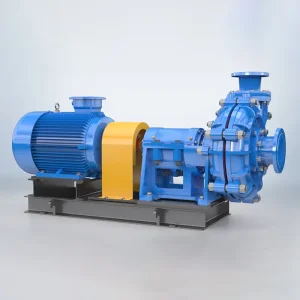
The Materials Science: Why Ceramic-Coated Slurry Pumps Outperform Metal Alloys
A deep comparative breakdown of engineering polymers, high-chrome iron, and structural silicon carbide (SiC) in aggressive abrasive wear environments.
Cavitation & Micro-Abrasive Resistance
Traditional high-chrome iron (Cr27) relies on chromium carbides for wear resistance, but in high-velocity slurries with micro-particles, the softer matrix is washed away, leading to early failure. Our specialized Silicon Carbide (SiC) ceramic coatings achieve a Mohs hardness of 9.5, protecting the underlying wet parts from premature degradation.
Complete Chemical Inertness (pH 0-14)
Corrosive chemicals act as catalysts for wear in mining tailings and chemical processing. Traditional metal pumps experience rapid combined corrosion-abrasion cycles. Ceramic-coated wet ends do not react with acid or alkaline carriers, presenting a robust shield across the entire chemical spectrum.
Exceptional Thermal Stability
With an extremely low thermal expansion coefficient, our ceramic-coated impellers and liners withstand rapid process temperature swings without cracking, peeling, or losing adhesion. This offers an optimal operational threshold of up to 180°C under continuous duty.
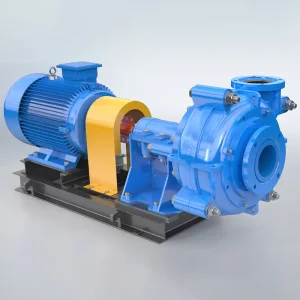
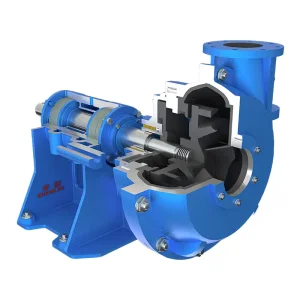
In the heavy processing industries, slurry pump downtime is one of the highest contributors to unexpected maintenance costs. By integrating highly wear-resistant technical ceramic layers into industrial pump casings and impellers, operators can expect a dramatic extension in life-cycles. This advancement is particularly crucial for mineral processing operations where high concentration tailings quickly erode standard metallurgical alloys. Through structured molecular bonding, ceramic coatings form an impenetrable barrier that resists the physical impingement of abrasive sands, iron ores, and gold tailings.