Premium Chinese engineered solutions optimizing fluid flow and gas displacement across mineral processing networks.
Advanced engineering insights into handling highly abrasive, high-density mining suspensions.
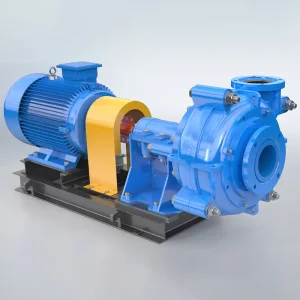
In modern coal preparation plants (CPPs), the transportation of coal slurry is one of the most mechanically demanding processes. Coal washing slurry consists of water mixed with crushed coal particles, clay, sand, silica, and pyrite. This mixture exhibits non-Newtonian flow behaviors, specifically behaving as a Bingham plastic or pseudo-plastic fluid depending on concentration levels. The presence of hard minerals like quartz and pyrite induces severe abrasive and erosive wear on pump wet-end components, including impellers, volute liners, and throatbushes.
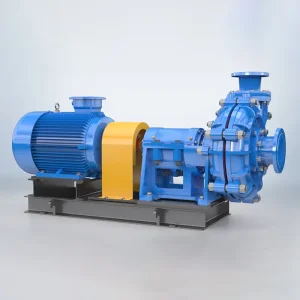
To design an effective coal washing slurry pump, manufacturers must balance hydraulic efficiency with wear life. Standard centrifugal pumps fail within weeks under these conditions. Specialised slurry pumps require thick cross-section wear parts made from high-chrome alloys (typically ASTM A532 Class III Type A with 25% to 30% chromium content) or advanced structural ceramics such as reaction-bonded silicon carbide (SiSiC). Hydraulic optimization using CFD (Computational Fluid Dynamics) is vital to minimize localized high-velocity turbulence, which is the primary driver of rapid erosive wear patterns.
For efficient operation, the operating speed of the pump must be tailored to the slurry's solid concentration by weight (Cw):
How industrial cluster scale and manufacturing innovation enable premium-grade, cost-effective machinery.
In the global procurement landscape, sourcing "cheap" slurry pumps does not mean sacrificing quality. Chinese manufacturing hubs, particularly in regions like Shandong, leverage massive economies of scale, integrated material supply chains, and advanced automated casting techniques to produce world-class slurry pumps at a fraction of Western CAPEX costs.
From raw iron ore processing and high-chrome alloy smelting to precision casting, heat treatment, and final dynamic balancing—all production phases occur within a single industrial cluster. This reduces logistics overhead and ensures strict quality control across every production stage.
Utilizing Lost Foam Casting (LFC) and automated resin sand molding lines, Chinese factories produce pump parts with exceptional dimensional accuracy and smooth surface finishes. This significantly improves hydraulic efficiency and minimizes wear-inducing fluid shear.
China leads the development of industrial silicon carbide (SiC) slurry pump linings. These composite pumps offer up to 4 times the service life of high-chrome alloys in corrosive, acidic media, delivering a massive reduction in Total Cost of Ownership (TCO).
The shift toward digital integration, wear-life prediction, and sustainability in mineral processing.
The global mining and coal washing sectors are undergoing major transformations. Environmental sustainability, energy conservation, and digital asset tracking are reshaping operations. To remain competitive, modern slurry pumps must adapt to these trends:
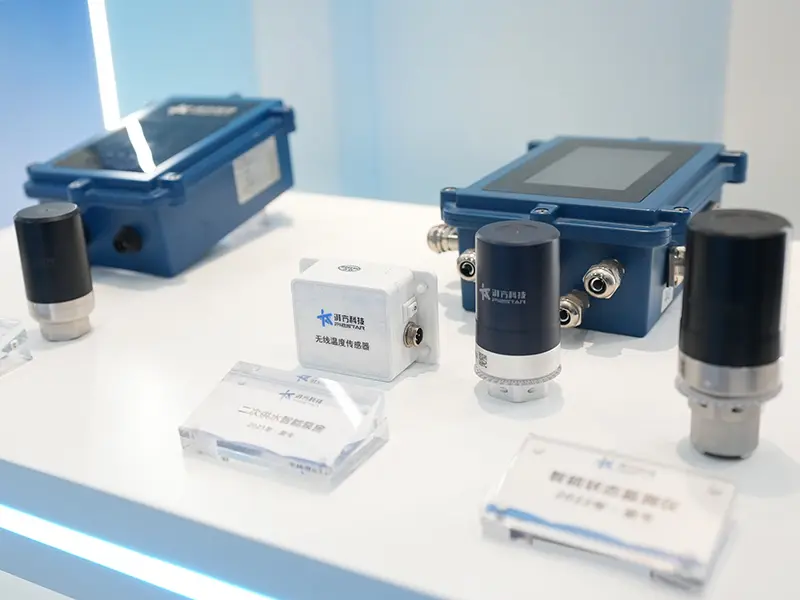
Predictive Maintenance via Smart Sensors: Integrating vibration and temperature sensors into the bearing assemblies allows plant managers to detect anomalies before a catastrophic shaft or impeller failure occurs. This data-driven strategy reduces unplanned downtime, which can cost mineral plants thousands of dollars per hour.
Carbon-Neutral Fluid Dynamics: With rising industrial electricity costs, minimizing energy losses within the pump is critical. Optimized volute geometry and custom-trimmed impellers ensure the pump operates close to its Best Efficiency Point (BEP), cutting energy consumption by up to 15-20% compared to legacy installations.
Where heavy-duty slurry pumps serve as the critical baseline infrastructure in the washing cycle.
Coal preparation requires distinct pumping operations, each demanding specific pump designs and configurations:
Demands high head pressures to inject the coal-magnetite slurry into the washing cyclones. Impellers must withstand high impact from large particle sizes (up to 50mm) without fracturing.
Deals with highly concentrated, thick clays and fine tailings. Viscous losses require heavy-duty torque pumps running at lower shaft speeds to avoid cavitation issues.
Requires a pump that can operate across a wide performance curve. Starting at high flow/low head during the filling phase, it must transition to low flow/high pressure during the cake consolidation phase.
System-wide design considerations to lower operating expenditures and boost overall efficiency.
Purchasing a pump is only one part of the equation. Maximizing operational efficiency requires a macro-level approach to the entire piping and fluid delivery system. Slurry pipeline layout design must avoid low-velocity settling zones while keeping velocities below the threshold that triggers accelerated abrasive pipe wear.
Shandong Zhangqiu Blower Co., Ltd. (ZCBC) offers complete plant packages. By integrating industrial blowers, slurry pumps, and automated pneumatic conveying systems into unified mineral-processing lines, we ensure balanced pressures, optimized electrical draw, and reduced wear across the process loop. This end-to-end integration simplifies maintenance coordination and eliminates cross-vendor compatibility issues.
Key criteria for procurement managers comparing international manufacturers.
When selecting a slurry pump manufacturer, purchasing managers often look beyond initial capital costs (CAPEX) to prioritize operational uptime and spare parts availability. Below is the procurement evaluation matrix for evaluating low-cost, high-reliability manufacturers:
A Premier Publicly Traded Industrial Equipment Manufacturer with Over 50 Years of Engineering History
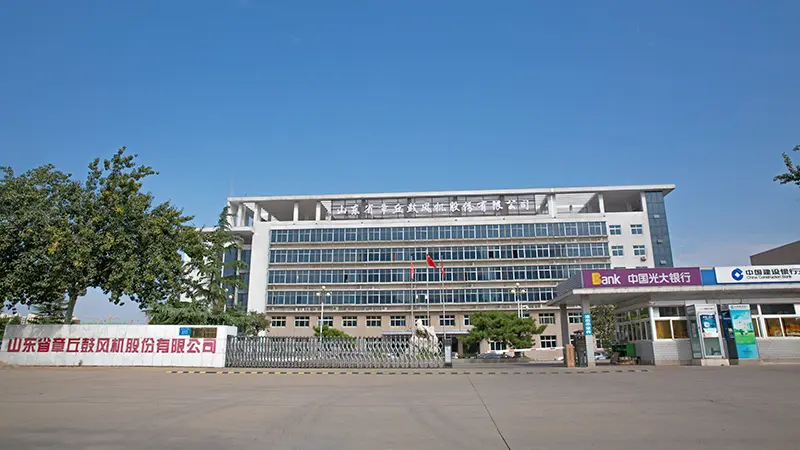
Shandong Zhangqiu Blower Co., Ltd. (formerly Shandong Zhangqiu Blower Works) is a globally recognized manufacturer with over 50 years of blower design and manufacturing experience. Established in China's industrial heartland, ZCBC has expanded to run two Sino-Japanese joint ventures and a US branch—making it the first company in China's blower industry to establish an overseas presence. The company is a key player in the sector, and its flagship Roots Blowers consistently hold the top market share ranking in China.
Guided by our overall strategy: "Develop main business, pioneer new fields and innovate, cooperate to be a great company" and working concept: "Do the best", ZCBC has evolved into a modern manufacturer. We integrate design, manufacturing, and sales across several key product areas: Roots Blowers, Centrifugal Blowers, Industrial Fans, Slurry & Industrial Pumps, Pneumatic Conveying Systems, Electrical Equipment, and complete MVR Evaporation, Concentration, and Crystallization packages.
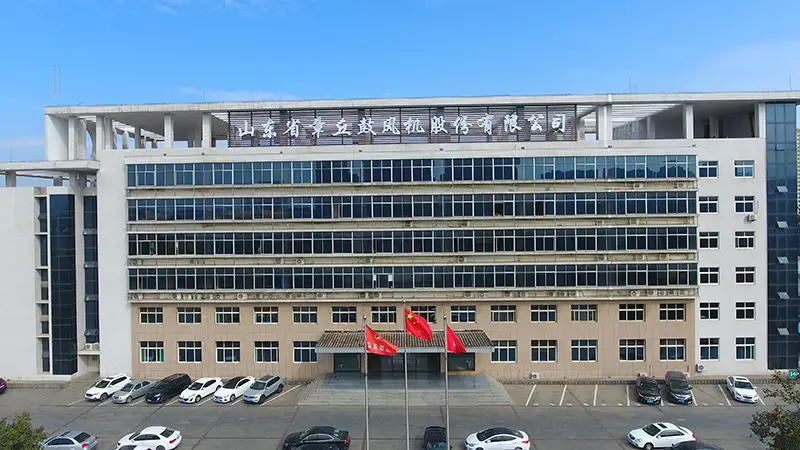
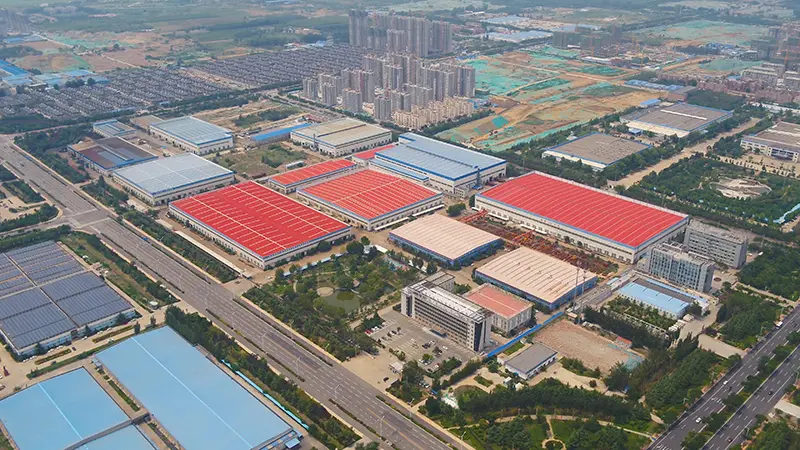
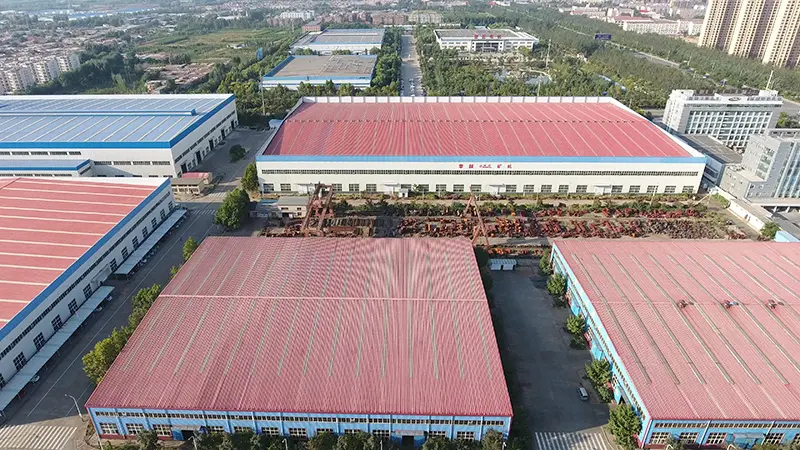
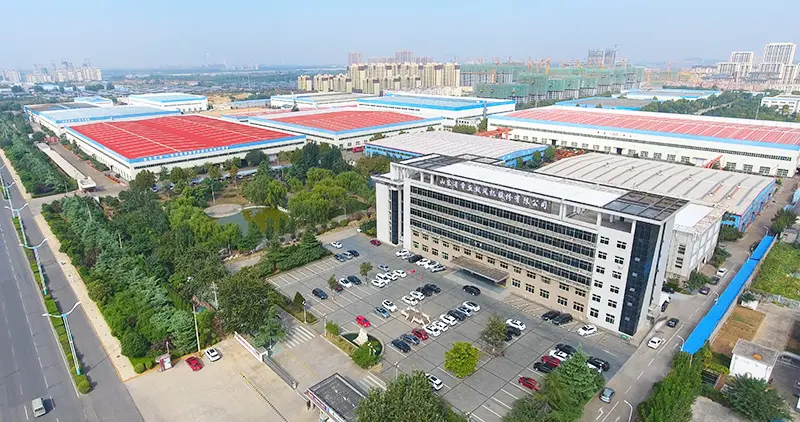
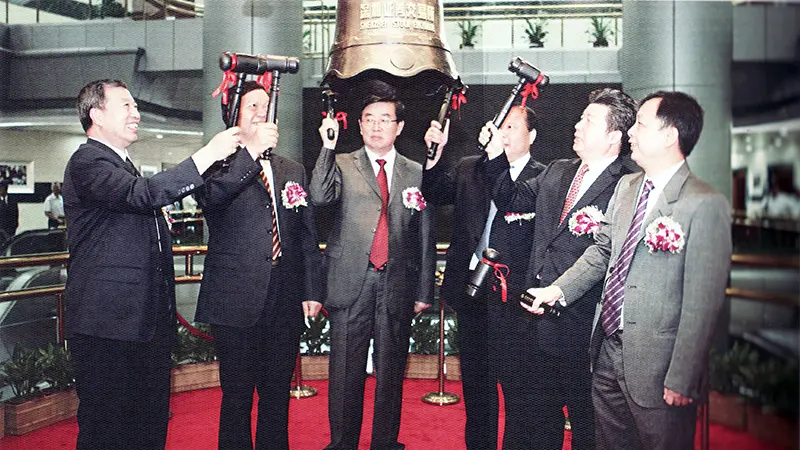
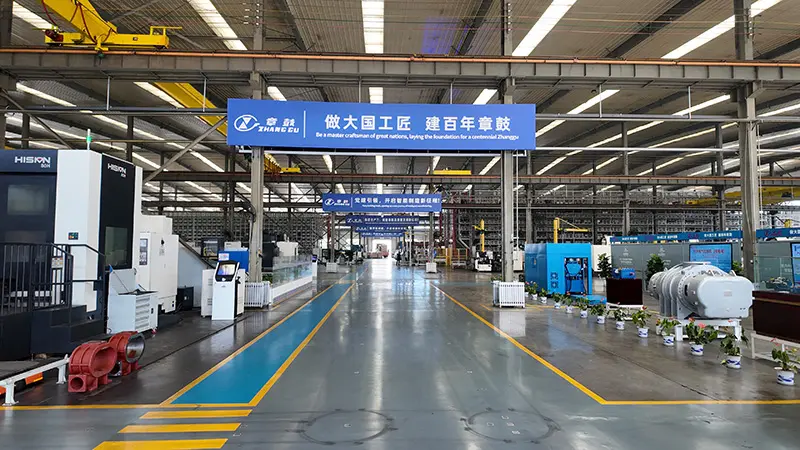
In 2005, ZCBC relocated to a modern industrial park. Spanning 430,000 square meters, this facility features production workshops and advanced R&D machinery, providing the capacity needed for large-scale production and international partnerships. On July 7th, 2011, ZCBC was listed on the Shenzhen Stock Exchange (Stock Code: 002598), representing a major milestone in our corporate history.
By 2020, our parent company achieved an annual operating revenue of 1.5 billion yuan and a profit of 150 million yuan. We operate 20 holding companies and run four major manufacturing bases in Wuxi (Jiangsu), Dongguan (Guangdong), Chenzhou (Hunan), and Jinchang (Gansu). These sites are supported by dedicated research and development centers in Beijing, Shanghai, Shijiazhuang, and Wuxi.
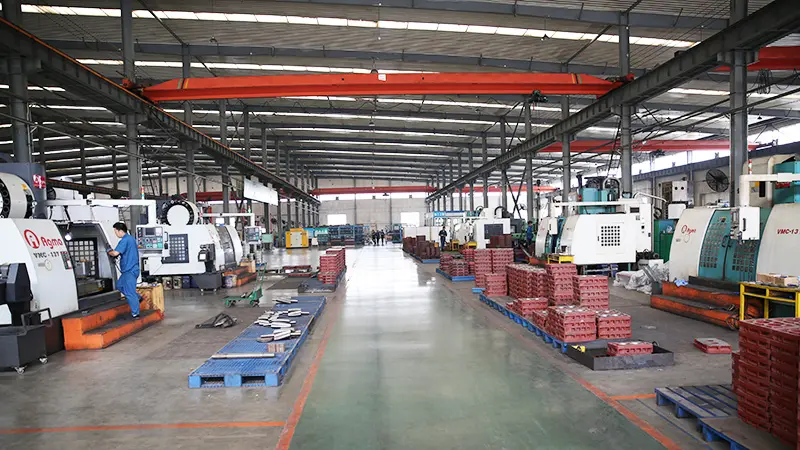
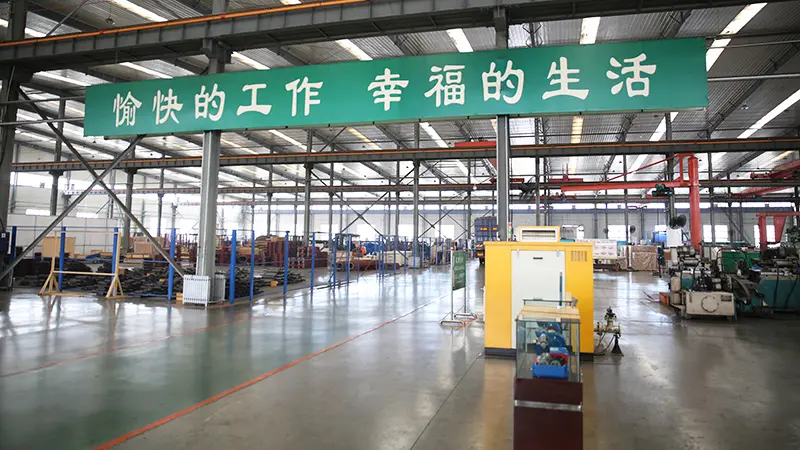
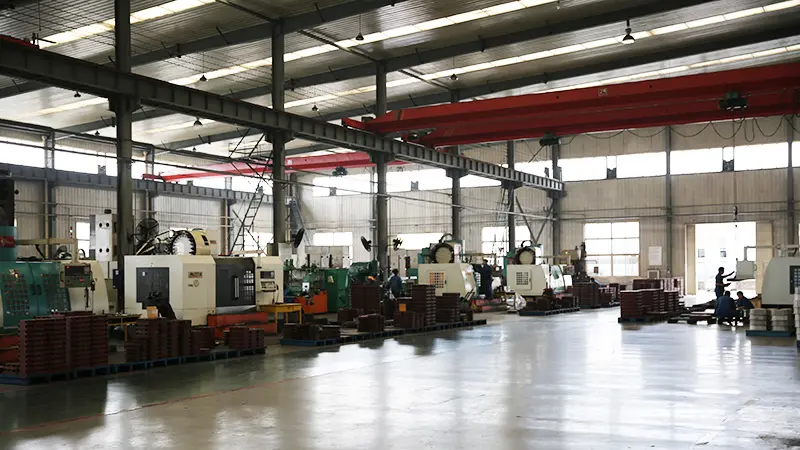

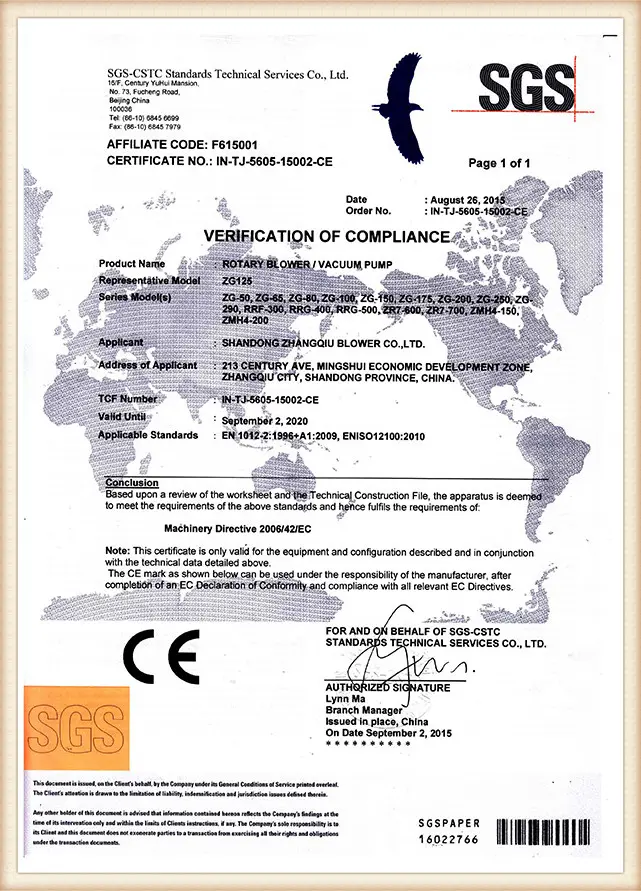
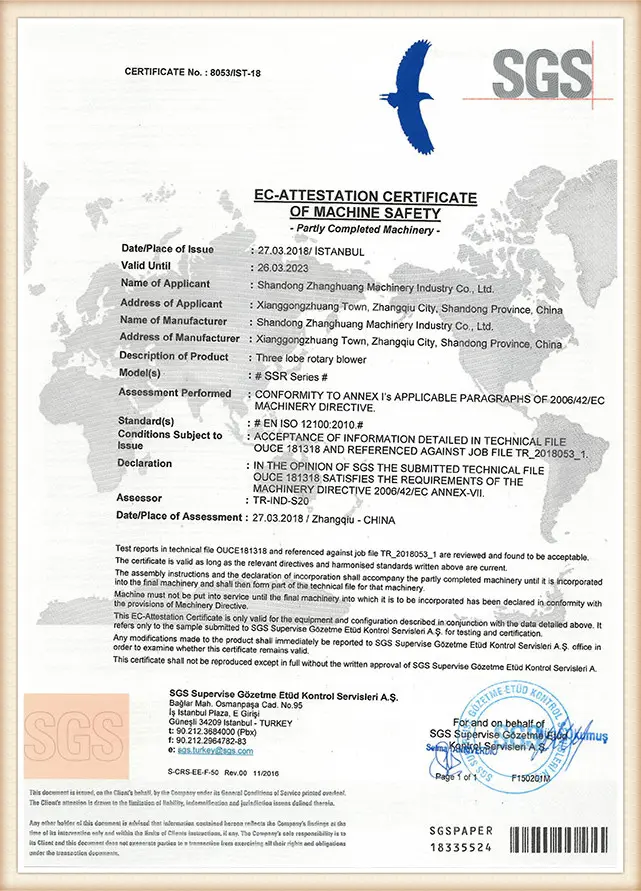
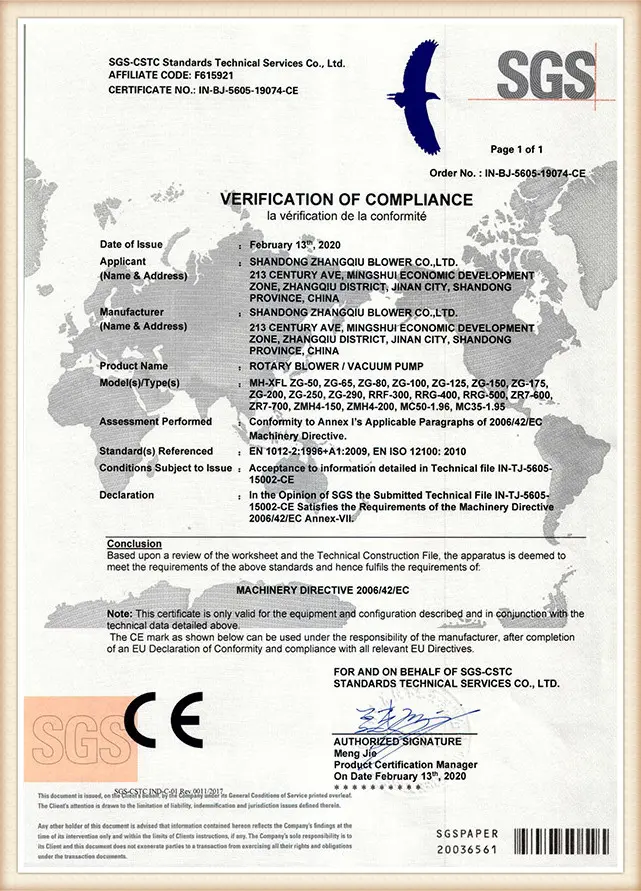
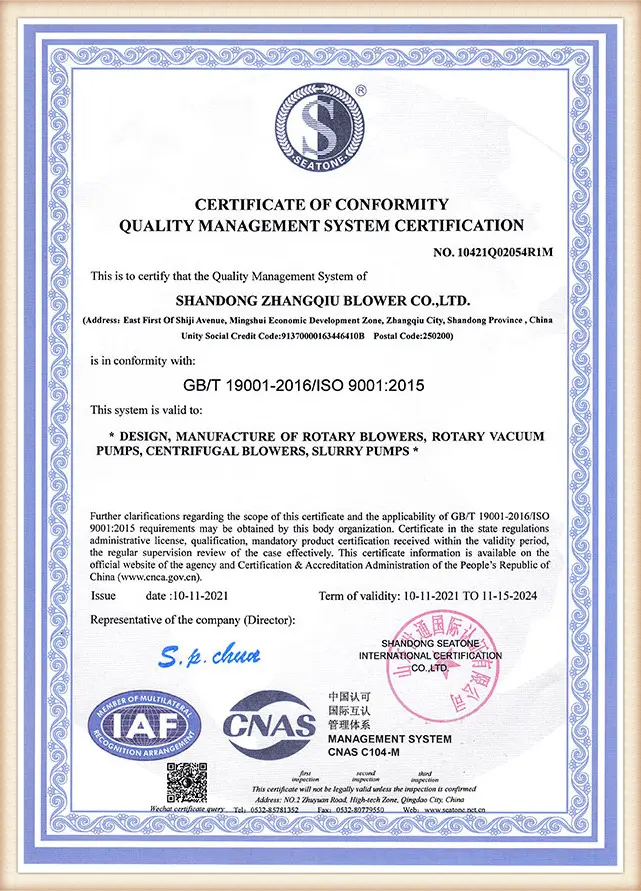

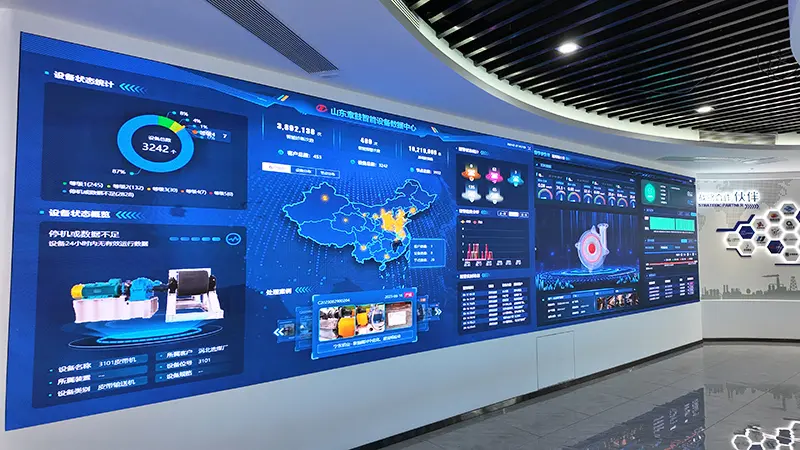
ZCBC is the vice president unit of the Fan Branch of the China General Machinery Industry Association and a key drafting unit for China's national Roots Blower standards. The company holds 69 patents, including 5 invention patents and 2 software copyrights. Our technical developments cover countercurrent cooling, fan noise reduction, wear-resistant impellers, two-stage tandem systems, dynamic fan intelligence, and specialized mechanical seals.
We maintain a rigorous quality assurance program with certifications including ISO9001 (Quality Management), ISO14001 (Environmental Management), ISO50001 (Energy Management), and ISO10012 (Measurement Management). Our industrial products carry CE, 3C, and Chinese Mining Safety Marks, ensuring compliance with international project specifications.
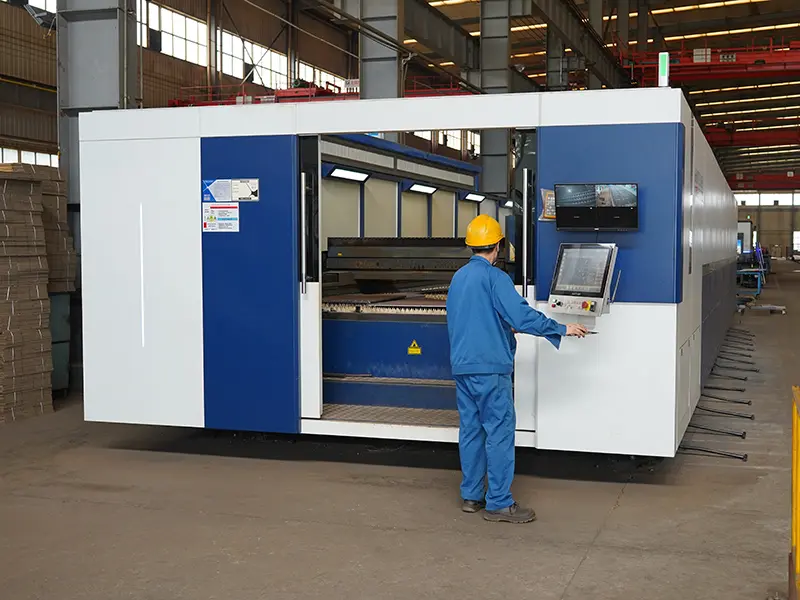
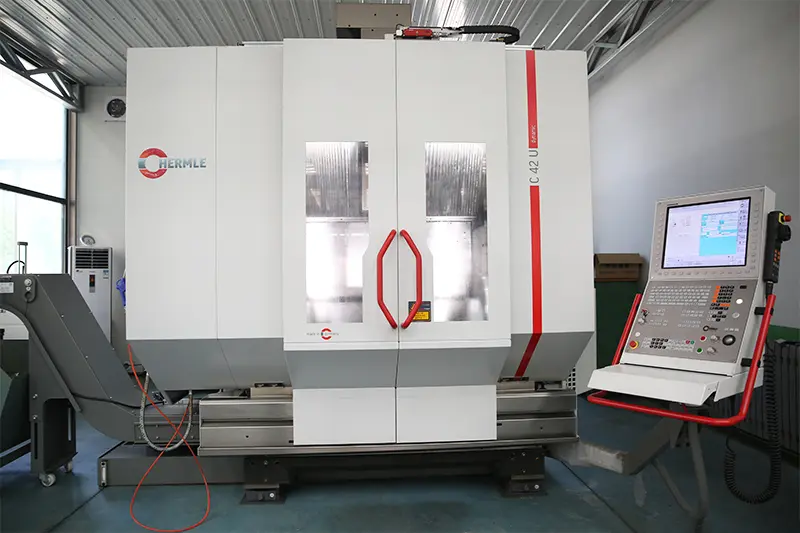
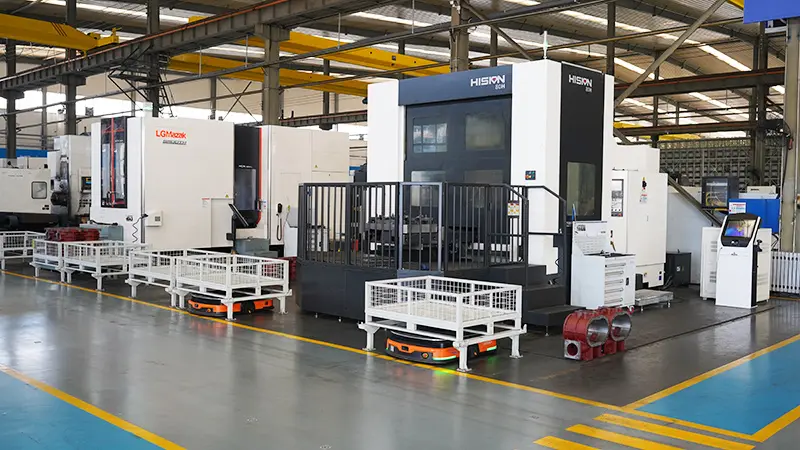
ZCBC operates advanced testing and processing equipment, including CNC machining centers, five-axis machining centers, three-coordinate measuring instruments, and ultrasonic flaw detection units imported from Japan and Germany. These facilities enable precision metal machining for slurry pumps and high-speed blower shafts.
Our engineering design workflow is integrated via Product Lifecycle Management (PLM), Computer-Aided Process Planning (CAPP), Computer-Aided Manufacturing (CAM), and Computer-Aided Testing (CAT) software. This technology streamlines design processes, allowing us to generate 3D CAD/CAM models and process configurations within 24 hours of receiving a client's specifications.
Under the leadership of Chairman Fang Rungang, ZCBC implements a people-oriented management philosophy. We partner with academic institutions, including Tsinghua University, Xi'an Jiaotong University, the China University of Mining and Technology, and Shandong University. These partnerships support a research team that includes senior engineers, doctoral researchers, and technical specialists receiving State Council allowances.
This academic network and technical foundation support our product innovation, enabling ZCBC to export equipment to over 70 countries and regions, including the United States, Germany, and Italy.

Expert technical answers to common queries regarding coal washing slurry pumps.
High-chromium alloys (specifically ASTM A532 containing 25% to 30% Cr) form hard chromium carbides within their microstructure during heat treatment. These carbides provide excellent resistance to the micro-cutting and scraping actions of abrasive quartz, pyrite, and coal fines, which would rapidly erode standard cast iron or mild steel.
Slurry impellers are subject to uneven wear. Dynamic balancing of the impeller assembly prior to installation minimizes radial shaft vibration. Lower vibration levels prevent premature bearing failure, reduce dynamic fatigue on the mechanical shaft seals, and ensure uniform fluid pressure across the volute chamber.
Ceramic-lined pumps (using reaction-bonded silicon carbide or SiSiC) are ideal for applications containing fine, highly abrasive solids combined with corrosive liquids (pH < 4 or pH > 10). While brittle under heavy impact from large rocks, ceramics offer up to 3 to 4 times the service life of high-chrome alloys in fine-particle flotation circuits and tailings disposal lines.
We offer three main shaft sealing arrangements: 1) Expeller (Dynamic) Seals: Uses an auxiliary impeller to create pressure that prevents slurry from escaping, requiring no sealing water. 2) Gland Packing: Classic, reliable seal requiring constant clean water flush. 3) Mechanical Seals: Completely sealed design for leak-free operations, ideal for toxic or environmental containment.
Heavy industrial roots compressors, multi-stage vacuum pumps, and specialized wear-resistant pumping solutions.
 Zhangqiu