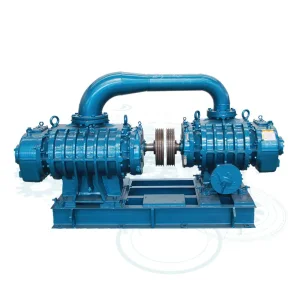
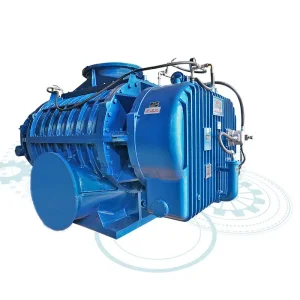
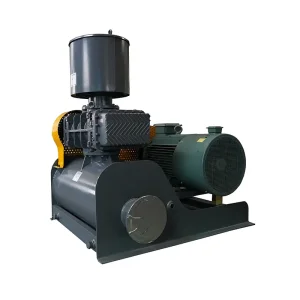
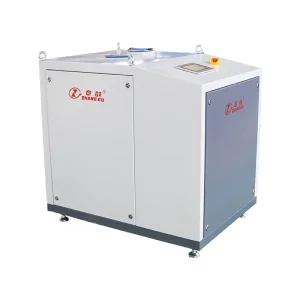
Explore our high-performance industrial blower and pump collection designed for robust, continuous operations in mining, wastewater treatment, and chemical processing.
In heavy industrial processing, transport of abrasive and corrosive multi-phase mixtures is a critical operational bottleneck. The term "Cheap" in the context of advanced engineering does not imply compromised quality; rather, it refers to lowered Total Cost of Ownership (TCO), optimized Capital Expenditure (CAPEX), and maximized Operational Expenditure (OPEX) efficiency. Modern electric slurry pumps serve as the workhorses of mining operations, mineral dressing plants, coal processing facilities, power utility FGD systems, and deep-sea dredging operations.
This whitepaper details how structural configuration, material optimization, and hydraulic design coalesce to deliver ultra-reliable, wear-resistant, and cost-efficient pumping systems. Through strict evaluation of fluid dynamics, impeller profile geometry, and metallurgical composition, manufacturers are transforming how abrasive slurry is handled globally.
By employing computational fluid dynamics (CFD) modeling, impeller velocity profiles are optimized to minimize localized turbulence and impact wear. Slower rotational speeds combined with larger impeller diameters maintain identical head and flow targets while reducing linear velocity, scaling down wear rate by an exponent of three.
Modern silicon carbide (SiC) and specialized structural ceramic formulations (such as in the TZJK-TD series) showcase extreme micro-hardness (~2200 HV). This provides exceptional erosion resistance against sharp quartz particles, outperforming high-chrome alloys in highly acidic environments (pH < 4).
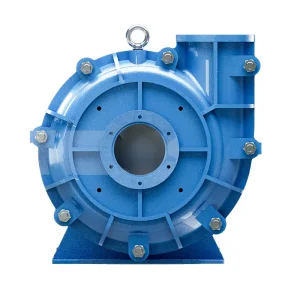
For fine particles (<1mm) and high heads, natural rubber, neoprene, and polyurethane liners act as resilient barriers that absorb the kinetic impact of solid suspensions. The dynamic rebound of elastomers drastically mitigates erosive wear compared to stiff, unyielding metallic surfaces.
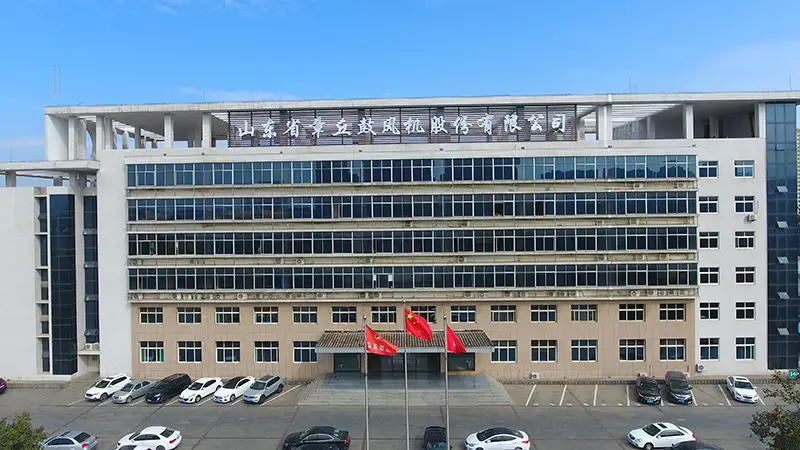
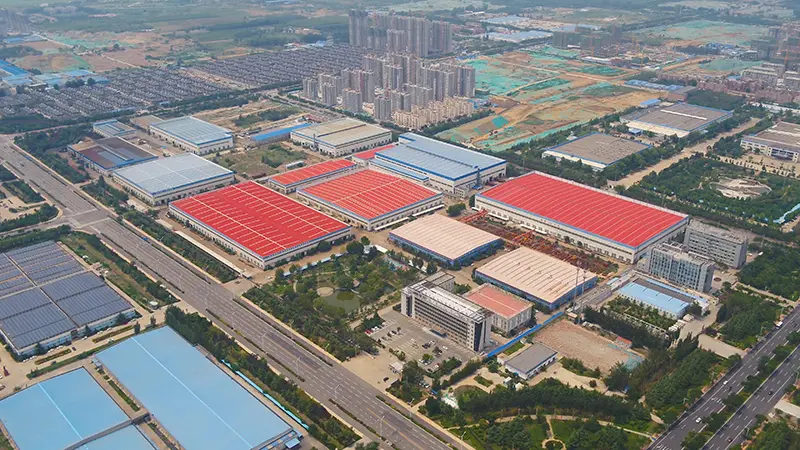
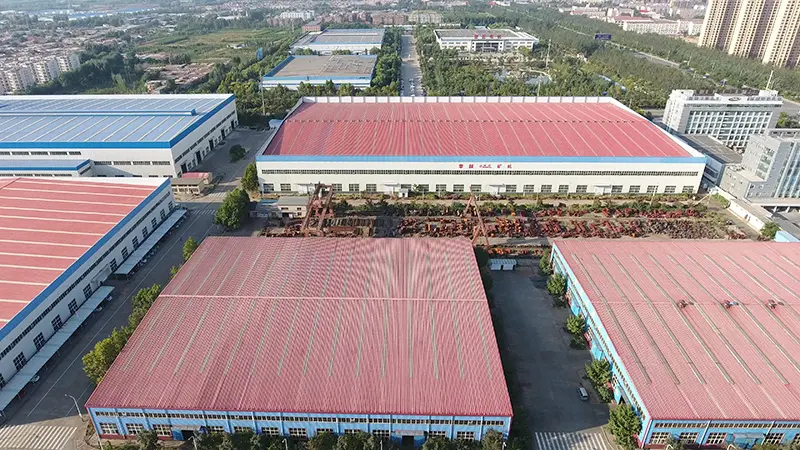
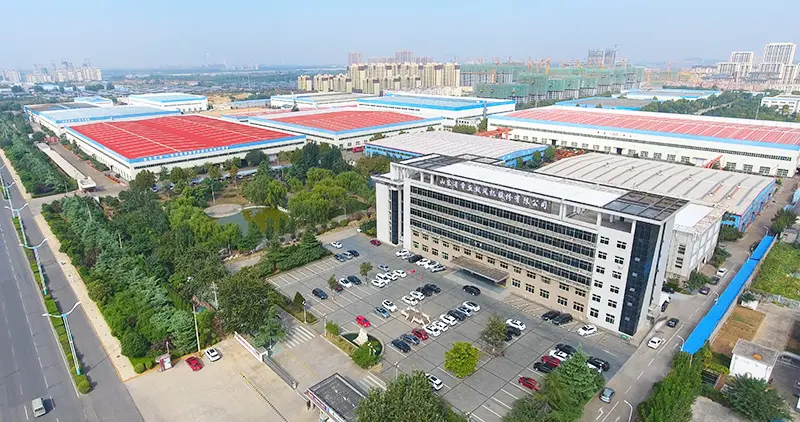
Why do international procurement managers look to Chinese manufacturers like Shandong Zhangqiu Blower Co., Ltd. (ZCBC)? The answer lies in the deep supply chain consolidation, advanced industrial clustering, and rapid scale execution that Chinese facilities possess. ZCBC's 430,000 m² state-of-the-art modern industrial park provides the scale required to implement cutting-edge thermodynamic and hydraulic research into high-volume manufacturing.
Key strategic advantages include:
Shandong Zhangqiu Blower Co., Ltd. (formerly Shandong Zhangqiu Blower Works) has established itself as an industrial pillar with more than 50 years of design, manufacturing, and diagnostic field experience. In 2011, ZCBC achieved a public listing on the Shenzhen Stock Exchange (Stock Code: 002598), representing an important milestone in corporate governance and capital expansion. As a leading unit drafting national standards for Roots blowers and related fluid machinery in China, the company's influence is global.
ZCBC operates multiple state-of-the-art facilities across Jiangsu Wuxi, Guangdong Dongguan, Hunan Chenzhou, and Gansu Jinchang, supported by dedicated R&D hubs in Beijing, Shanghai, Shijiazhuang, and Wuxi. This vast geographic presence allows for prompt local engineering assistance and rapid response to complex project demands.
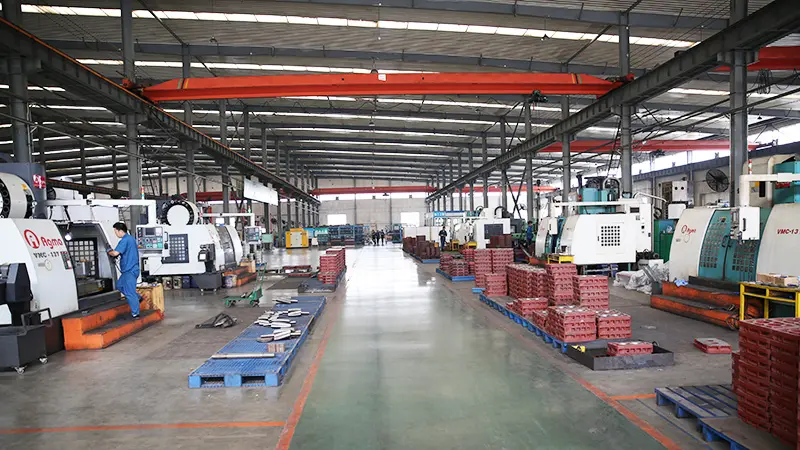
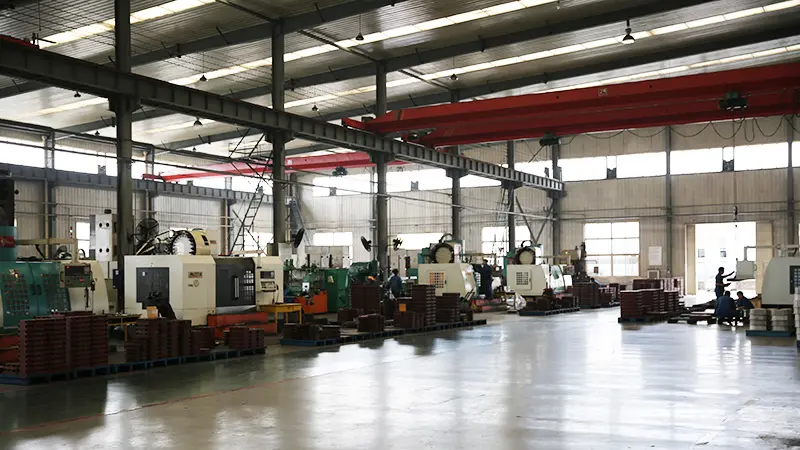
ZCBC's processing centers contain over 100 sets of imported precision equipment, including CNC machining centers, five-axis machining centers, three-axis coordinates measuring instruments, and ultrasonic non-destructive testing tools from Japan and Germany. The integration of PLM (Product Lifecycle Management), CAD, CAPP, CAM, and CAT systems ensures that every custom pump or blower operates at maximum mechanical efficiency.

Industrial pumps operate within complex systemic boundaries. ZCBC designs complete, optimized liquid-solid handling systems tailored to specific industrial sectors:
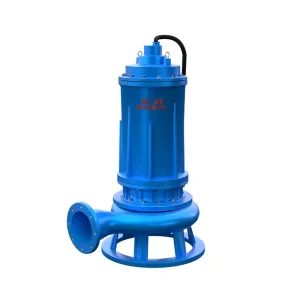
Handling dense minerals requires heavy duty, wear-resistant liners. Our pumps handle flotation feed, tailing disposal, and underflow slurries. For highly abrasive ores, the integration of ZJQ submerged slurry pumps minimizes pump house footprint while providing stable performance in deep pits.
Thermal power utility scrubbers demand massive flow rates of abrasive limestone slurry. Advanced high-chrome alloy impellers resist both chemical attack and impact wear from suspended gypsum crystals, ensuring 24/7 continuous operation.
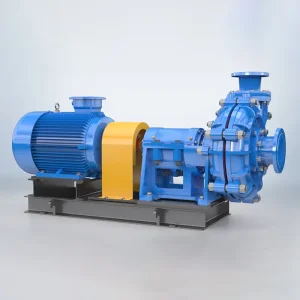
Highly acidic slurry quickly erodes traditional metallic components. ZCBC’s specialized ceramic slurry pumps (such as the TZJK-TD series) utilize silicon carbide linings to withstand chemical corrosion while preserving dimensional accuracy over time.
| Application Category | Primary Fluid Medium | Solids Concentration (Wt. %) | Recommended Material Matrix |
|---|---|---|---|
| Coal Wash Plants | Magnetite Suspension, Fine Coal Waste | 35% - 55% | High-Chrome Alloy (27% Cr) |
| Gold & Iron Ore Milling | Coarse Tailings slurry, Mill discharge | 45% - 70% | Ceramic Lining / Ultra-High Chrome |
| Flotation Circuitry | Frothy slurry, Fine flotation tails | 20% - 40% | Foam Slurry Pump / Natural Rubber |
| Acid Leaching Systems | Acidified ore pulp with corrosive medium | 10% - 30% | Advanced Ceramics (SiC / Alumina) |
Purchasing agents seeking robust slurry pumps must look beyond purchase price to identify critical performance metrics. Factors like shaft deflection, bearing housing cooling capacity, and sealing methods heavily influence long-term operational costs.
A pump's sealing mechanism is its primary point of failure. ZCBC offers three primary seal styles:
With global pressure to reduce carbon footprints, energy consumption is a key metric. By using IE3 and IE4 efficiency electric motors, ZCBC ensures that mechanical energy is converted directly into hydraulic power with minimal heat losses. Combining these motors with Variable Frequency Drives (VFDs) allows real-time flow adjustment, reducing energy consumption by up to 30% during low-demand periods.
Ceramics, such as silicon carbide, exhibit much higher hardness compared to metals (2200 HV vs 800 HV). This hardness prevents micro-cutting and plowing from sharp mineral grains. Additionally, ceramics are inert to chemical oxidation, preventing simultaneous corrosive-wear degradation in acidic or basic slurries.
As slurry density and solids concentration rise, the apparent dynamic viscosity of the mixture increases, causing derating of the pump's head and capacity. Motor sizing must account for these increased frictional losses and startup torque requirements, ensuring the motor has sufficient power reserve to prevent overloading during high-solid conditions.
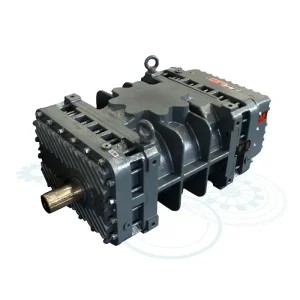
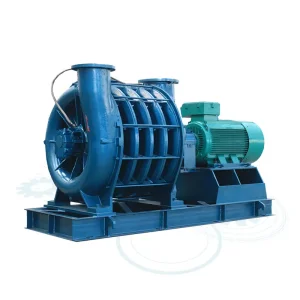
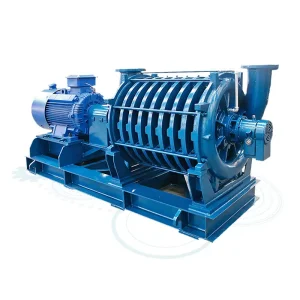
Yes, Roots blowers (such as our high-strength MB series or multi-stage centrifugal blowers) are critical in aeration and agitation applications. They supply compressed air to maintain solids suspension in slurry tanks, and provide the high-volume air streams needed for flotation columns and pneumatic cake discharge filters.
Net Positive Suction Head required (NPSHr) defines the threshold below which pump cavitation occurs. If cavitation bubbles form, their collapse damages the impeller and housing. Cavitation is accelerated in thick slurries, making accurate hydraulic calculations essential for selecting appropriate suction piping and pump elevation.
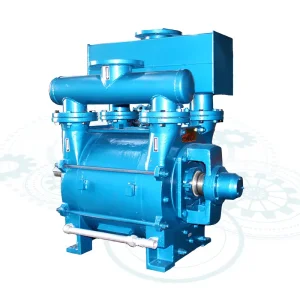
Complete your industrial setup with our heavy-duty process blowers, multi-stage exhausters, vacuum pumps, and high-efficiency ceramic slurry systems.
 Zhangqiu