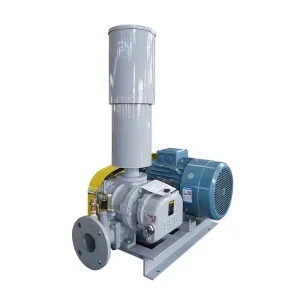
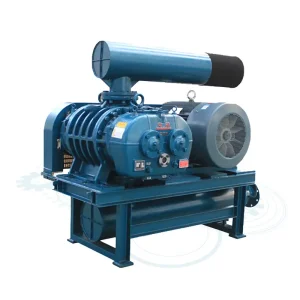
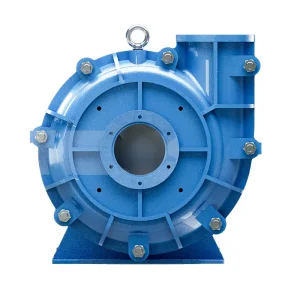
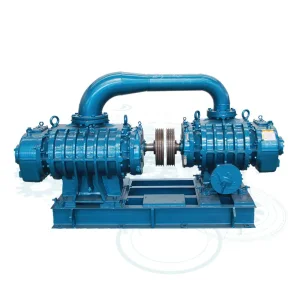
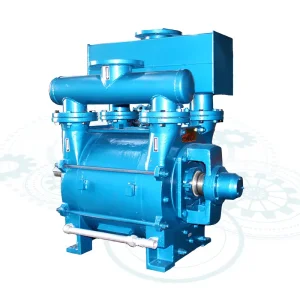
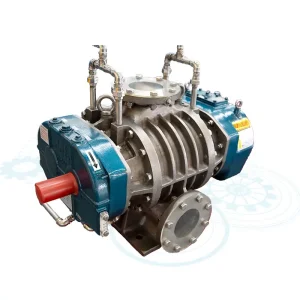
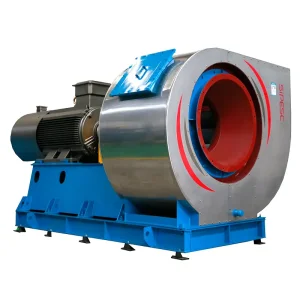
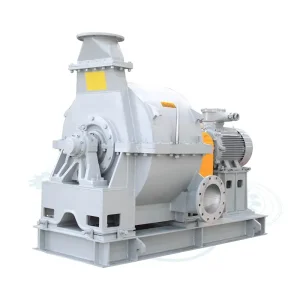
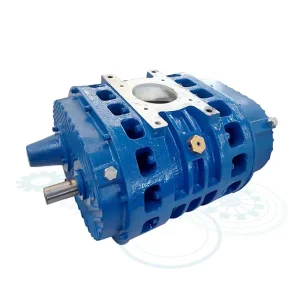
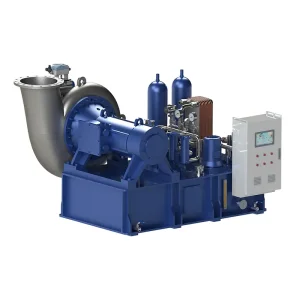
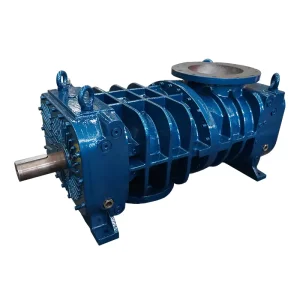
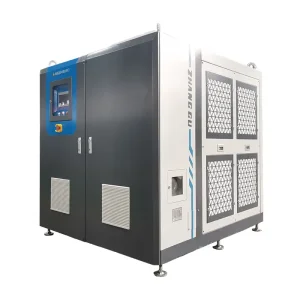
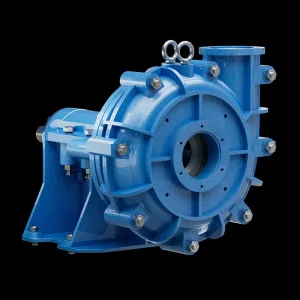
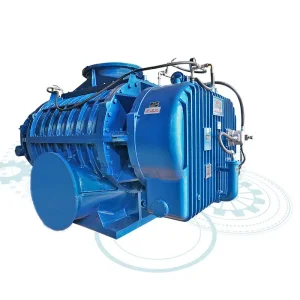
Discover our flagship range of anti-abrasive ceramic slurry pumps, energy-efficient roots blowers, and high-vacuum air handling systems engineered for severe industrial applications.
Heavy industries, including metal extraction, coal preparation, mineral dressing, and desulfurization plants, operate under some of the most punishing fluid processing conditions on earth. High-viscosity abrasive slurries wear down mechanical assemblies, causing unexpected component failures that lead to expensive, unplanned system downtime.
By integrating telemetry systems, modern Remote Monitoring Slurry Pumps transition from traditional reactive maintenance to real-time predictive analytics. Operators can now measure dynamic performance variables continuously, preventing critical blockages and bearing wear before they occur.
This digitalization strategy is key to minimizing the Total Cost of Ownership (TCO). While the initial capital expenditure of standard high-alloy pumps can be high, remote-monitoring ceramic slurry pumps offer a cost-effective solution. By reducing manual inspection costs and extending run-times between service intervals, these units deliver significant operational savings over their lifecycle.
Combining advanced materials science with IoT technology is essential for reliable mineral processing. Silicon carbide (SiC) ceramics provide the wear and corrosion resistance needed to handle aggressive slurries, outperforming standard high-chrome alloys in highly acidic or alkaline conditions.
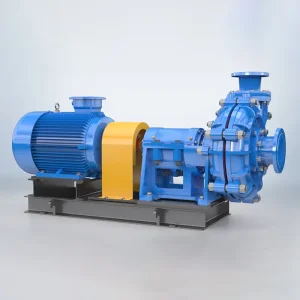
Our TZJK-TD Ceramic Slurry Pumps feature a silicon carbide lining with a Mohs hardness score second only to diamond. This structure provides extreme resistance to particle impingement, significantly extending the life of key wet-end parts like impellers, volutes, and throatbushes.
These units are equipped with thermal RTDs, triaxial accelerometer pods, and ultrasonic flowmeters. These sensors monitor bearing temperature, impeller vibration, and flow rate fluctuations, feeding data directly to cloud platforms for real-time analysis.
Using advanced CFD analysis, the hydraulic design of the pump reduces internal turbulence and recirculating flows. This optimization decreases localized wear rates, minimizes energy consumption, and improves overall pumping efficiency.
For procurement departments in major mining operations, heavy manufacturing plants, and chemical processing facilities, buying decisions are driven by Total Cost of Ownership (TCO) and equipment reliability rather than purchase price alone.
In large mineral dressing lines, an unexpected slurry pump failure can cost upwards of $50,000 per hour in lost throughput. A remote monitoring setup allows operators to spot early wear signs (like vibration anomalies or bearing temperature spikes) and schedule repairs during planned maintenance shutdowns, avoiding costly emergency stops.
Stocking high-value replacement impellers and volutes ties up significant working capital. Our cloud-integrated monitoring system tracks component wear, allowing procurement teams to adopt a just-in-time inventory strategy for critical spares.
Over a standard 5-year operational lifecycle, energy and maintenance costs account for more than 75% of a slurry pump's total cost. By upgrading to remote-monitored ceramic pumps, plants can typically reduce energy consumption by up to 8% and maintenance labor costs by 40%.
Industrial operations require integrated system solutions. By pairing remote monitoring slurry pumps with industrial blowers, vacuum systems, and MVR evaporators, plants can optimize fluid dynamics across their entire workflow.
Flotation cells require precise, steady aeration and reliable tailings transportation. Combining our SSR Roots Blowers with TZJK-TD Ceramic Slurry Pumps ensures continuous, stable chemical conditioning and wear-resistant tailings management.
Desulfurization circuits handle abrasive limestone slurries containing corrosive chlorides. Our specialized TZJ Slurry Pumps are built with high-alloy casings and advanced seals to resist corrosion, keeping scrubber loops running reliably.
Zero Liquid Discharge (ZLD) systems rely on continuous evaporation and sludge transport. By integrating VR Series Steam Roots Compressors with remote monitoring slurry pumps, treatment facilities can maintain stable thermal balances and manage high-solids output efficiently.
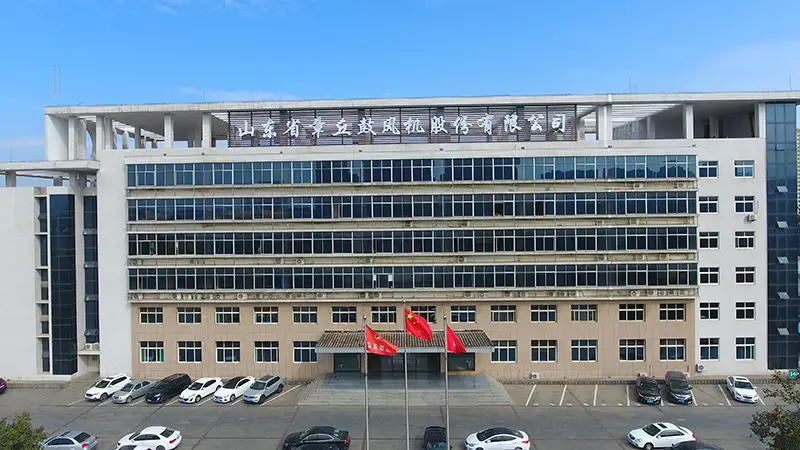
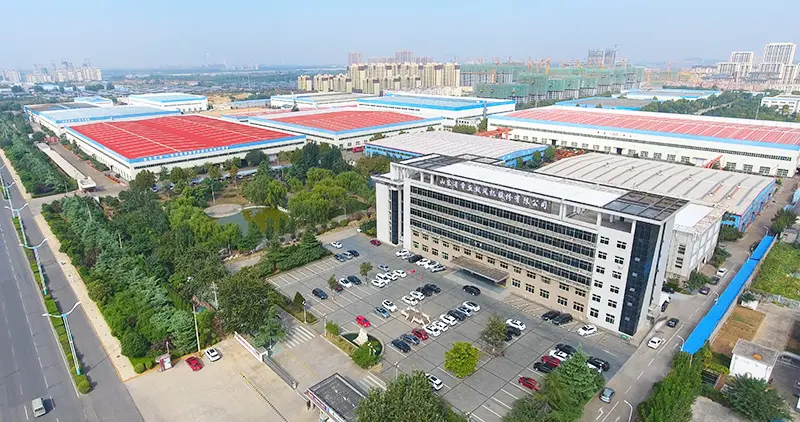
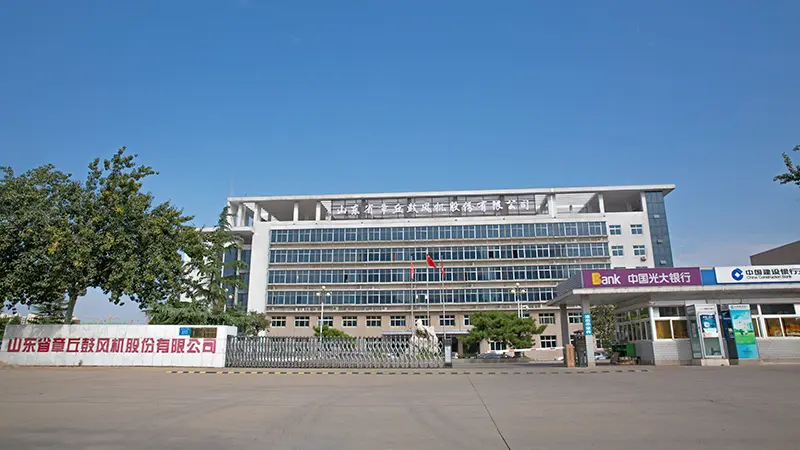
Established in 1968, Shandong Zhangqiu Blower Co., Ltd. (ZCBC) has grown into a key manufacturer of heavy-duty air handling and industrial fluid transport systems in China. As a publicly listed company on the Shenzhen Stock Exchange (Stock Code: 002598), ZCBC combines structural engineering expertise with modern smart manufacturing systems.
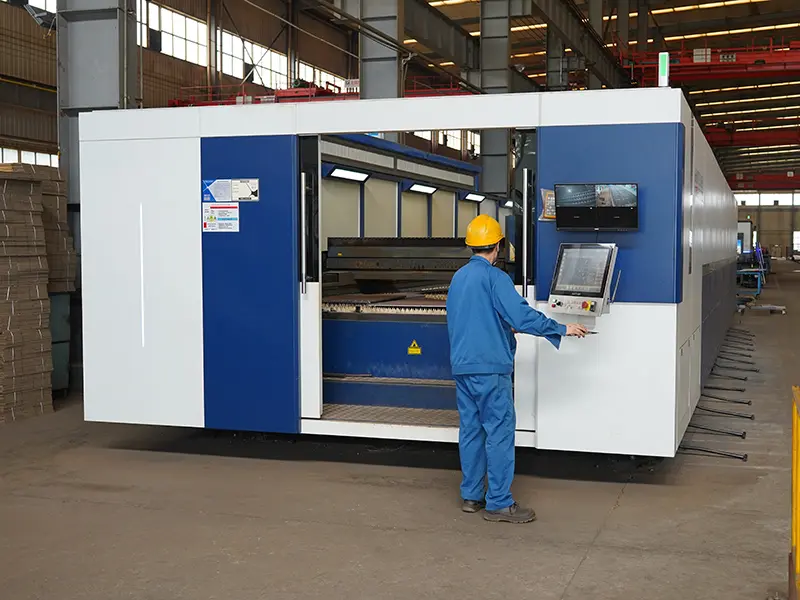
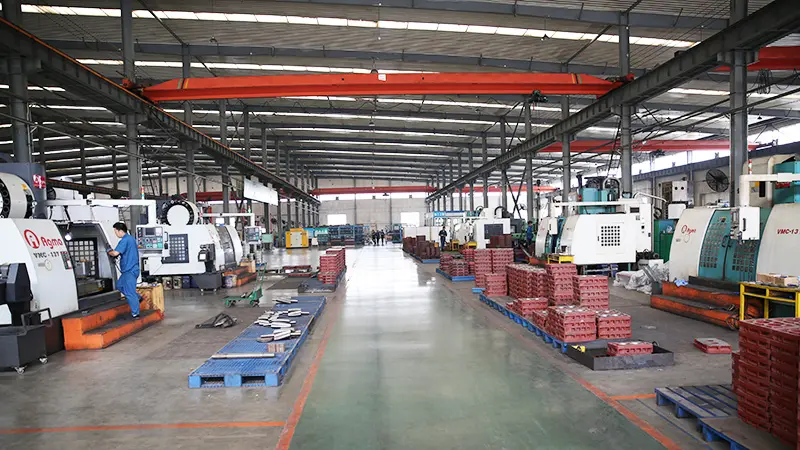
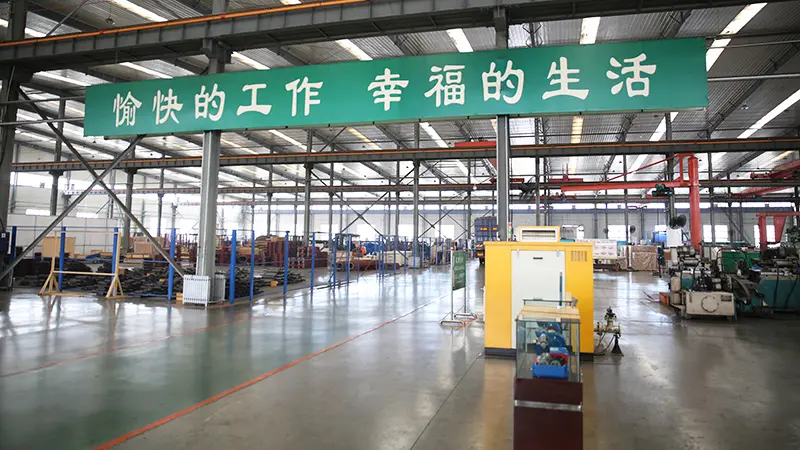
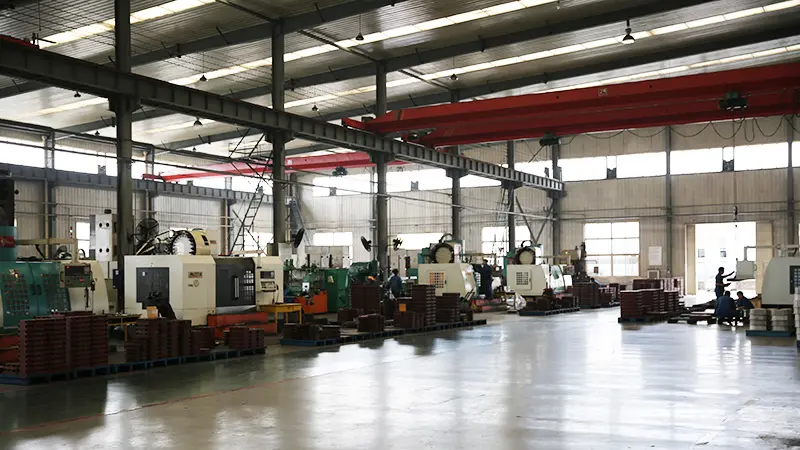
Operating from our modern 430,000 m² industrial park, ZCBC houses advanced design, testing, and production facilities. Our manufacturing lines feature high-precision equipment, including five-axis CNC machining centers, high-capacity dynamic balancing rigs, and advanced three-dimensional coordinate measuring machines. These tools allow us to build heavy-duty industrial blowers and pump casings that meet strict global engineering tolerances.
ZCBC's design teams utilize Product Lifecycle Management (PLM) and Computer-Aided Process Planning (CAPP) systems. This digital setup enables us to quickly design, simulate, and manufacture custom impellers and pump wear liners, providing tailored equipment solutions for our global partners.
At ZCBC, we run a dedicated post-graduate research workstation in collaboration with top engineering universities, including Tsinghua University, Xi'an Jiaotong University, and Shandong University. Our R&D team includes senior engineers and industry experts focused on improving pump wear resistance, optimizing fluid mechanics, and refining noise control technologies.
These academic and industry partnerships help us continuously innovate, ensuring our products meet the changing needs of the global market.
Modern industrial systems require reliable data and connectivity. Our technical roadmap focuses on integrating advanced sensing, edge processing, and cloud diagnostics directly into the pumping system.
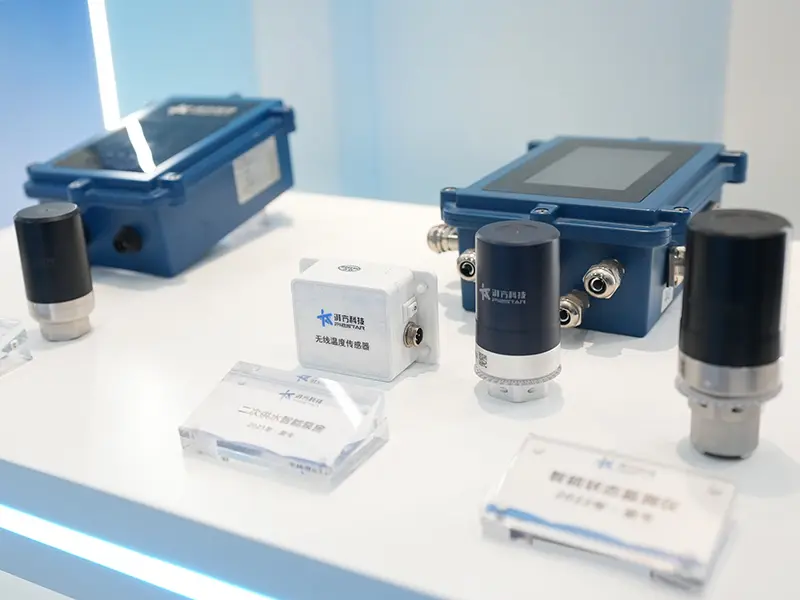
We install vibration transmitters on bearing housings, pressure transducers on the suction and discharge flanges, and RTD temperature sensors inside the oil reservoirs. These sensors capture high-frequency performance data directly from the pump.
An on-site, IP66-rated edge computing gateway processes the sensor data. The gateway filters high-frequency noise and analyzes vibration trends locally, allowing the system to flag potential issues instantly without relying on continuous cloud access.
The gateway sends structured data via OPC-UA, Modbus, or cellular links to a centralized cloud platform. Here, predictive algorithms analyze the data against historical wear profiles, helping operators optimize maintenance schedules and extend component life.
Deploying heavy machinery globally requires strict adherence to international quality standards, local safety regulations, and responsive technical support networks.
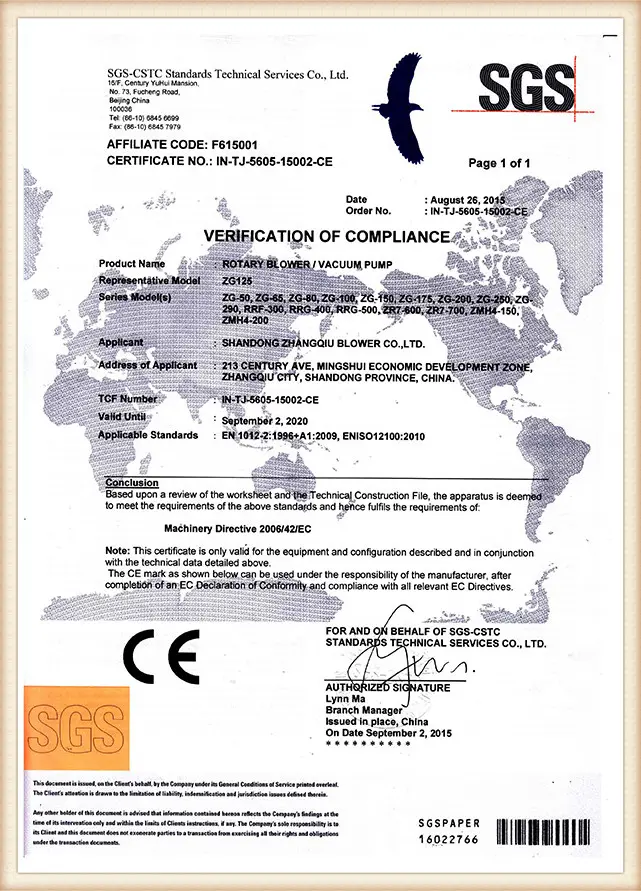
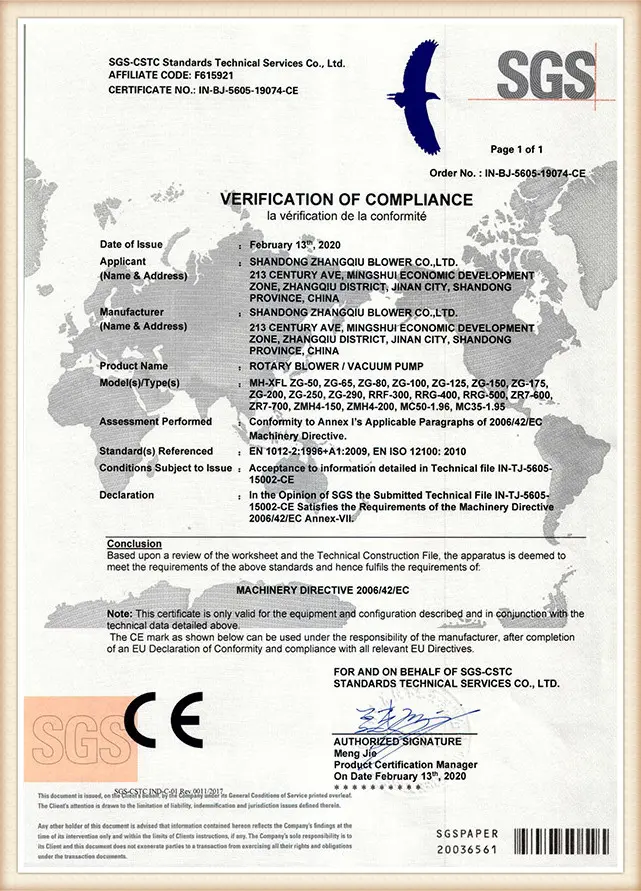
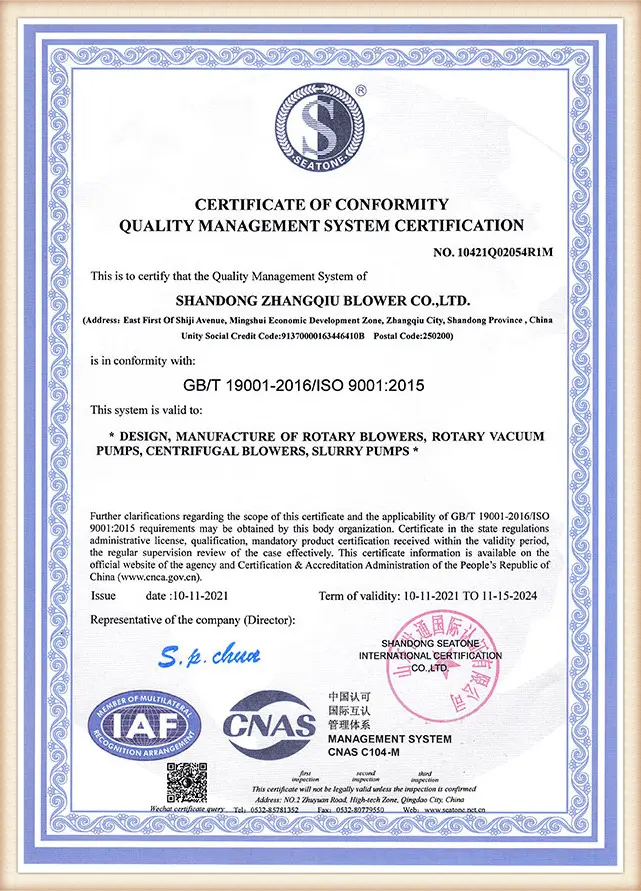
ZCBC's design and manufacturing systems are certified to key international standards, including ISO 9001 (Quality Management), ISO 14001 (Environmental Management), ISO 50001 (Energy Management), and ISO 10012 (Measurement Management). Our product lines carry CE and mining safety certifications, ensuring compliance with global regulatory frameworks.
With a dedicated branch in the United States and partnership networks spanning over 70 countries, ZCBC provides local technical support and parts availability. Our field service teams are available to assist with installation, system startup, and ongoing performance optimization.

Common technical questions regarding the installation, maintenance, and operation of remote-monitoring slurry pumps in heavy industrial environments.
Quality control is critical at every stage of production. From raw material inspection to final dynamic load testing, we verify that all equipment meets specified performance tolerances.
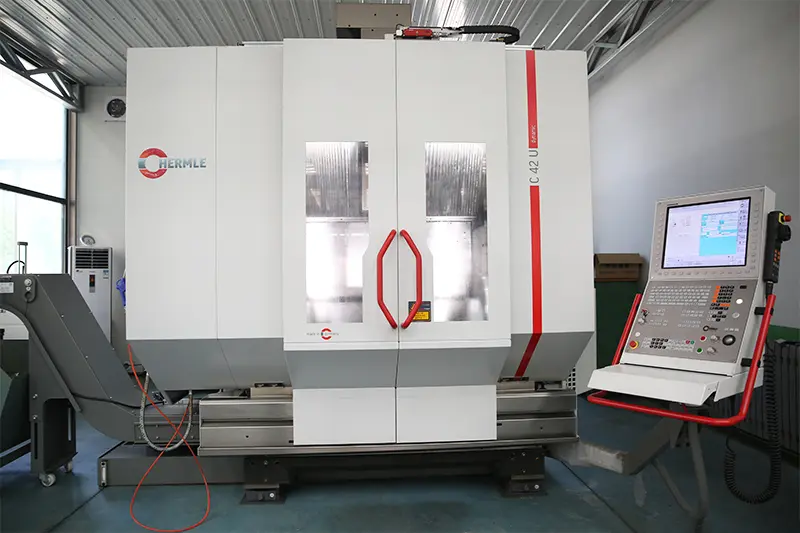
Using multi-axis CNC machines to achieve tight tolerances on rotating elements and impeller assemblies.
Subjecting cast parts to non-destructive testing (NDT), ultrasonic testing, and dye penetrant testing to ensure structural integrity.
Balancing impellers dynamically to reduce operating vibration, protect bearings, and extend pump service life.
Explore our range of dry bulk truck blowers, direct-drive turbo blowers, magnetic suspension systems, and additional ceramic slurry pumps designed to support comprehensive industrial operations.
 Zhangqiu