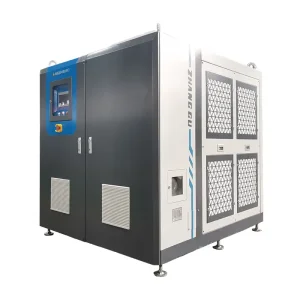
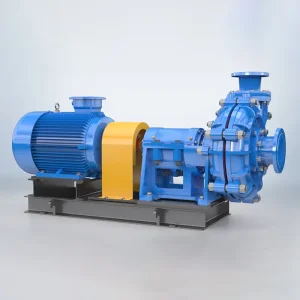
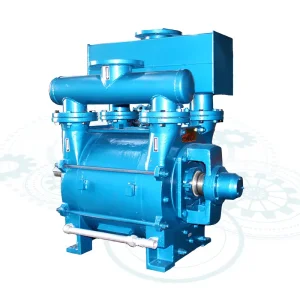
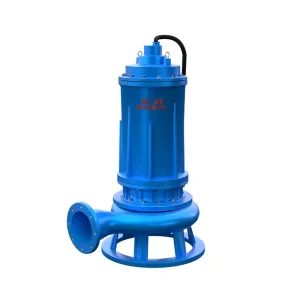
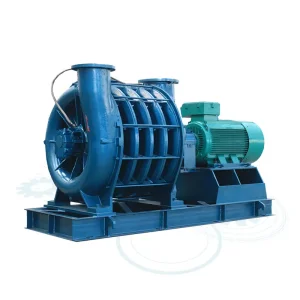
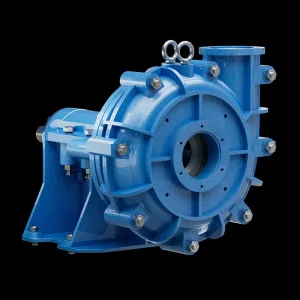
Premium fluid machinery systems engineered for optimal energy efficiency and severe operational durability.
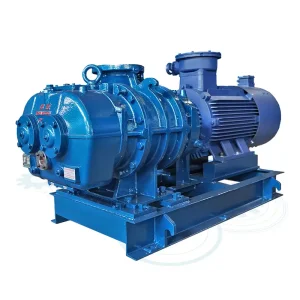
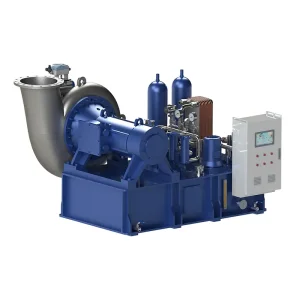
Why procurement teams prioritize flexible transmission mechanisms over direct-coupled configurations in heavy industry.
In B2B industrial procurement, searching for "cheap" mechanical components does not imply settling for inferior quality. Instead, it signifies optimizing the Total Cost of Ownership (TCO). V-belt driven pump systems present a perfect equilibrium of low capital expense (CAPEX) and reduced maintenance costs (OPEX).
Unlike direct-coupled drives that require perfect dynamic alignment and complex variable frequency control to change operation speeds, V-belt drives offer speed flexibility simply by changing the pulley ratio. This fundamental mechanical advantage makes them highly desired in slurry transfer, mining, wastewater aeration, and heavy industrial chemical processing.
Moreover, V-belts act as mechanical shock absorbers. In high-viscosity or solids-carrying pump operations (such as slurry pumping), sudden motor overload or shaft torque spikes can catastrophic damage direct drives. A V-belt drive absorbs these shock loads through transient slippage, saving both the electric motor and pump rotor from catastrophic shear failure.
A structured engineering breakdown to assist plant operations managers in selecting the appropriate drive architecture.
V-belt drives allow mechanical engineers to fine-tune pump speeds by swapping out the pulleys (sheaves). This permits operators to precisely balance pump pressure and volume outputs against system demands without purchasing expensive, delicate variable frequency drives (VFDs) which are prone to electrical failure in hot, humid, or dusty plant environments.
Direct-coupled systems demand laser alignment accuracy within fractions of a millimeter to prevent early bearing damage. V-belt drives can easily tolerate small angular and parallel shaft misalignments. The flexible elastomeric compound of modern industrial belts actively dampens structural motor and pump vibrations, extending bearing life significantly.
When a direct coupling fails, it often leads to shaft galling and pump casing damage. In contrast, if a V-belt wears out, replacement is inexpensive and takes minutes using basic hand tools. This ensures low maintenance costs, minimum process downtime, and eliminates the need for highly specialized mechanical technicians on-site.
Analyzing critical sectors where mechanical resiliency and cost efficiency are non-negotiable.
In mineral processing facilities (such as those in Australia, Chile, and Northern China), pumps handle high concentration slurries containing abrasive quartz, sand, or copper ore. Direct-drive setups face immediate shaft damage when slurry solids briefly jam the pump impeller. Belt drives prevent motor damage by safely slipping under instantaneous peak loads.
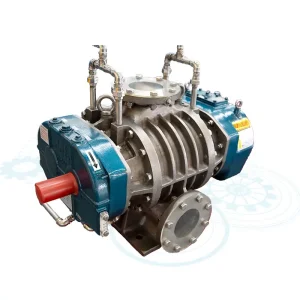
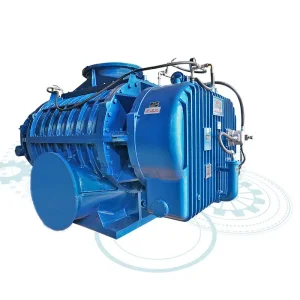
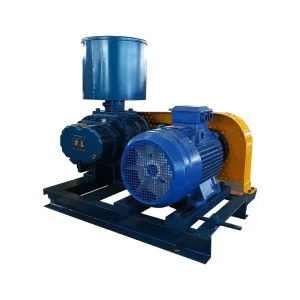
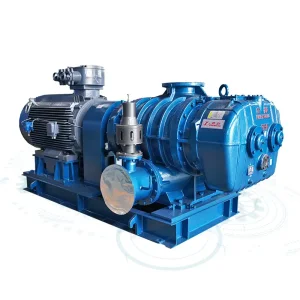
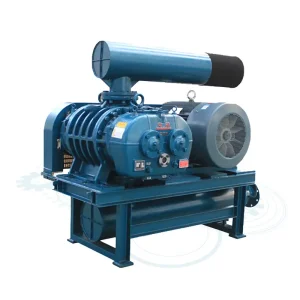
Wastewater treatment plants operate continuous duty cycles. Roots blowers and pumps driven by V-belts offer the long-term reliability required for continuous aeration basins. Operators can easily adapt blower output to changing seasonal aeration demands by replacing the pulley ratios, ensuring the plant meets local environmental regulations without wasting electrical power.
In chemical manufacturing plants, isolated pump motor layouts are necessary to prevent corrosive fumes from directly affecting the drive motor. V-belt drives permit placing the motor at a physical distance or elevated height above the pump head, ensuring the motor remains isolated from chemical splashes, leaks, or corrosive vapors.
Years of Engineering Heritage
Modern Manufacturing Park
Annual Revenue (RMB)
Exporting Countries & Regions
How Shandong Zhangqiu Blower Co., Ltd. (ZCBC) achieves global cost leadership without sacrificing precision engineering.
Formerly known as Shandong Zhangqiu Blower Works, ZCBC is a listed corporation on the Shenzhen Stock Exchange (Stock Code: 002598) with over 50 years of experience in heavy industrial blower and pump design. As a drafting unit of China's national Roots Blower standards, we have built a manufacturing infrastructure that guarantees high production speed, extreme quality control, and competitive direct-to-factory pricing.
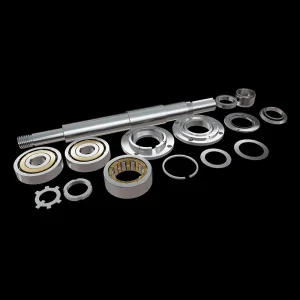
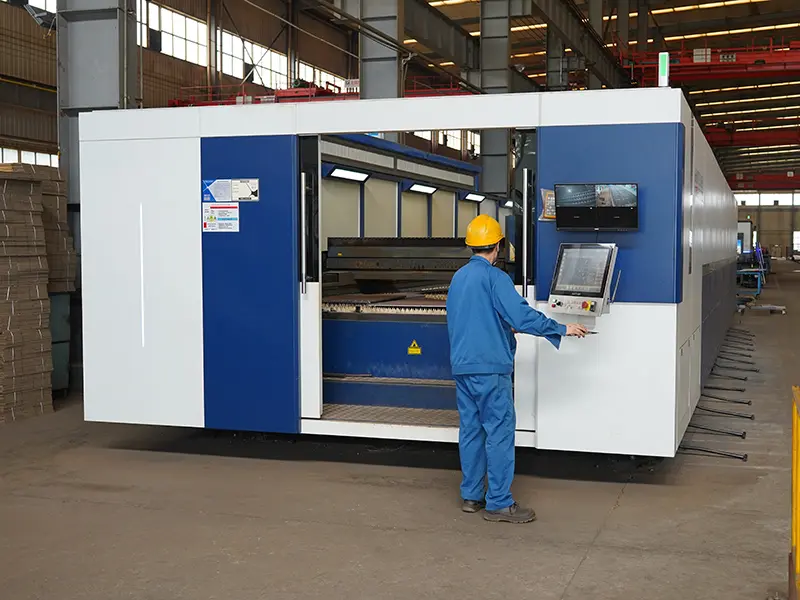
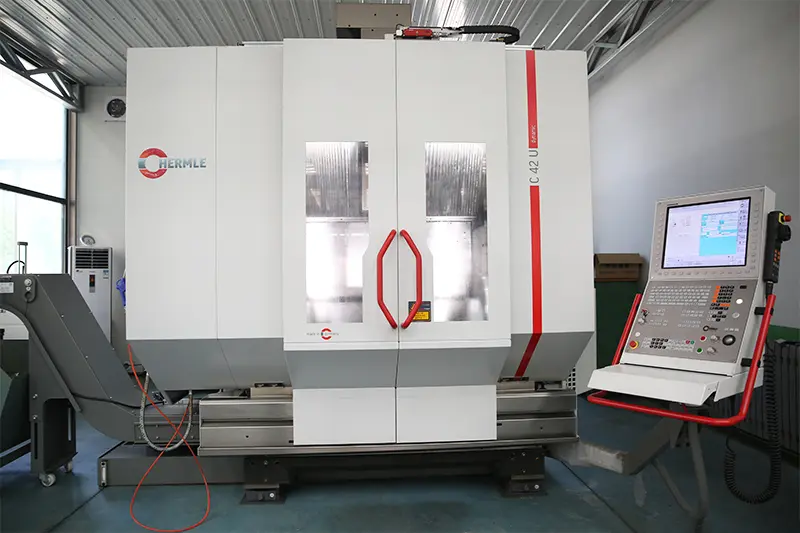
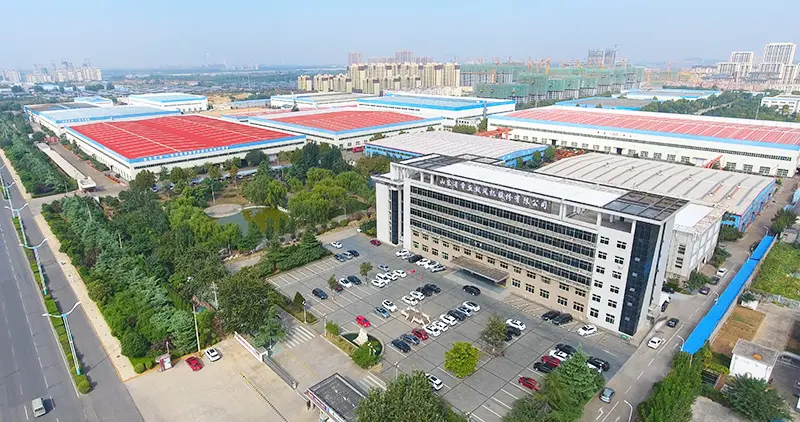
Our massive 430,000 m² industrial park in Shandong features Japanese and German imported CNC machining centers, five-axis machining lines, three-coordinate coordinate measuring instruments, and advanced dynamic balancing stations. This state-of-the-art tooling allows us to produce high-precision pump rotors, casings, and drive components with minimum lead times.
ZCBC runs joint ventures with leading Japanese machinery brands and maintains a direct corporate branch in the USA. We have built four manufacturing centers across China (Jiangsu Wuxi, Guangdong Dongguan, Hunan Chenzhou, Gansu Jinchang) alongside four dedicated R&D hubs in Beijing, Shanghai, Shijiazhuang, and Wuxi. This network ensures an uninterrupted supply of raw materials and immediate spare parts distribution for partners globally.
Our engineering team utilizes Product Lifecycle Management (PLM), Computer-Aided Process Planning (CAPP), and Computer-Aided Testing (CAT) to optimize every pump configuration. We provide rapid 3D CAD drawing turnarounds within 24 hours, ensuring custom customer specs translate seamlessly to the production floor.
The transition from traditional mechanical setups to smart, IoT-enabled fluid drive systems.
Integrating heat-resistant EPDM and carbon-tensile cord structures. This reduces belt stretch by 60% and increases thermal resistance, allowing belt-driven pumps to operate reliably in high-temperature chemical environments without losing belt tension.
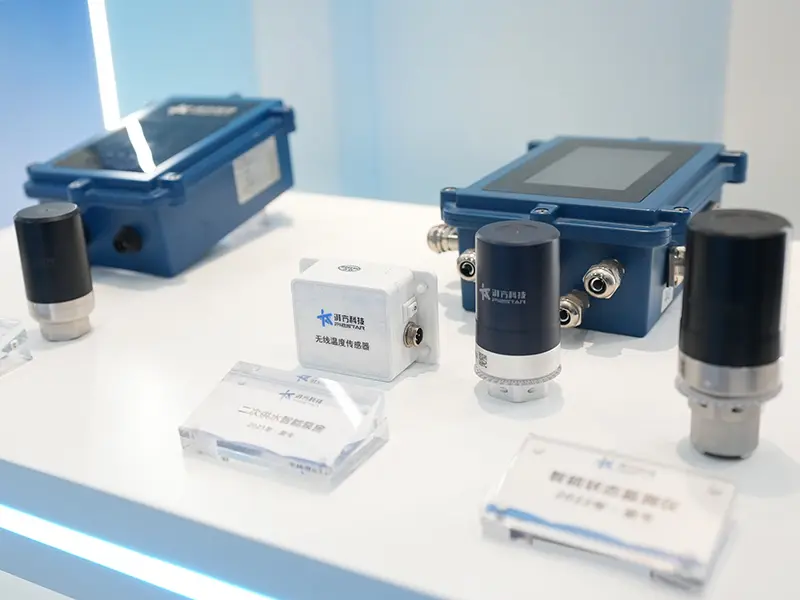
Developing optical and acoustic belt monitoring sensors. These low-cost sensors detect belt wear, tension drops, and micro-slippage in real-time, sending predictive maintenance alerts to operators before drive failure occurs.
Widespread transition to wedge profiles (SPC, SPB, SPA). These profiles optimize power transmission efficiency (reaching up to 97%), narrowing the efficiency gap between V-belt drives and direct-coupled assemblies.
Delivering certified fluid machinery across continents with guaranteed localization support.
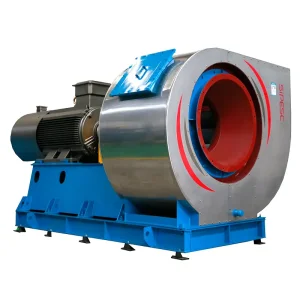
Every industrial pump, centrifugal fan, and Roots blower shipped from our facilities is certified to international standards. ZCBC is fully certified under ISO9001 (Quality Management), ISO14001 (Environmental), ISO50001 (Energy Management), and ISO10012 (Measurement Management) systems. Additionally, our products carry the European CE mark, China Compulsory Certification (3C), and mining safety certifications.
To support global supply chains, we have established direct trade routes to over 70 countries, including the United States, Germany, Italy, and Southeast Asia. Our US branch and local distribution partners offer regional support, custom package design, and rapid spare parts dispatch.
Whether you need custom 3D CAD design packages, slurry pump wet-end spare parts, or complete turnkey wastewater aeration systems, our engineers provide complete support from installation to commissioning.
Addressing the core technical questions asked by procurement officers and maintenance engineers.
Premature belt wear is usually caused by incorrect tension, pulley misalignment, or environmental contamination (such as oil or abrasive dust). To fix this, use laser alignment tools, protect the belt drive with a ventilated metal guard, and ensure regular checks with a tension gauge.
While direct drives have slightly less mechanical power loss (approx. 1-2%), modern narrow V-belts (SPC/SPB profiles) operate at up to 97% efficiency. The cost-saving flexibility of mechanical speed adjustments and reduced motor stress often outweighs this minor difference in efficiency.
We use advanced coordinate measuring machines (CMM), ultrasonic flaw detectors, and dynamic balancing machines. Every casting is tested for leaks and mechanical defects to ensure reliable performance under continuous load.
Yes. Our engineering department can supply custom 3D CAD files within 24 hours based on customer drawings. We also manufacture replacement components and spare parts for all major industrial pump configurations.
It allows operators to adjust blower speed to match fluctuating aeration needs by simply changing the belt pulley size. This eliminates the need for expensive VFD systems, which can be sensitive to voltage drops and harsh weather conditions.
ZCBC uses standard ISO and metric pulley profiles. This means replacement belts and pulleys can be sourced locally in almost any country, keeping maintenance downtime to a minimum.
Explore our complete line of industrial air-handling, vacuum processing, and heavy-duty slurry pumping equipment.
 Zhangqiu