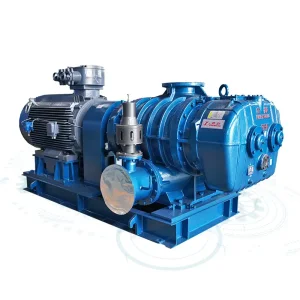
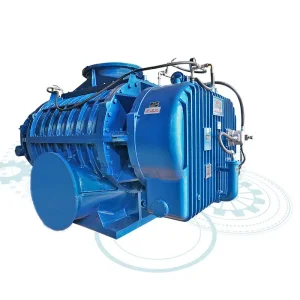
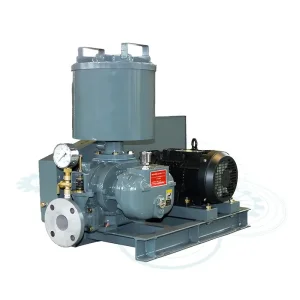
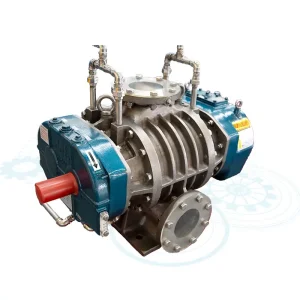
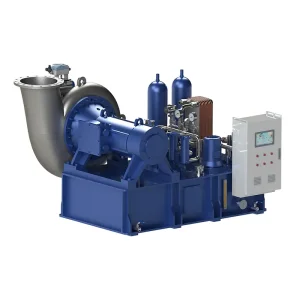
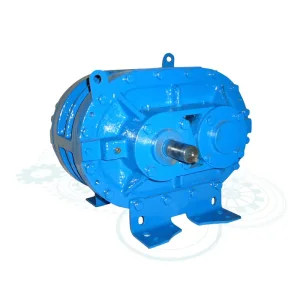
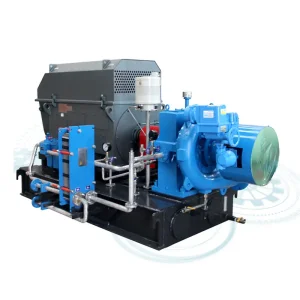
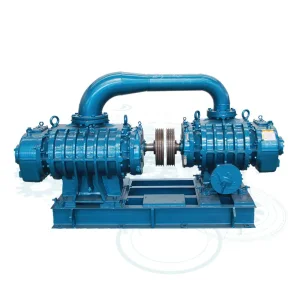
In thermal power plants, industrial process heating, and large-scale manufacturing facilities, the boiler remains the beating heart of energy production. For a boiler to perform at peak thermodynamic efficiency, combustion dynamics must be carefully managed. This is where the concept of Fungsi Secondary Air Fan Pada Boiler becomes a core parameter of system engineering.
While the Primary Air Fan (PAF) is responsible for fluidizing, transporting, and initiating the initial combustion of the fuel (such as pulverized coal, biomass casing, or refuse-derived fuel), the Secondary Air Fan (SAF) provides high-velocity secondary combustion air directly to the post-combustion zone. The primary goal is simple yet mathematically complex: to achieve complete combustion, mitigate nitrogen oxide (NOx) emissions, and optimize the overall thermal output of the furnace.
Thermodynamic Insight: Without appropriate secondary air distribution, fuel particles fail to find sufficient oxygen within their localized micro-environments inside the furnace chamber, resulting in carbon-in-ash waste (incomplete combustion) and highly toxic emissions profile.
Deeply analyzing the fluid dynamics inside a utility boiler reveals the following essential roles of the secondary air fan:
In rapid growth regions such as Southeast Asia—particularly in Indonesia, Vietnam, and Thailand—the term "Fungsi Secondary Air Fan Pada Boiler" represents a crucial engineering topic in thermal plants. The regional industrial landscape relies heavily on diverse fuel types, ranging from traditional bituminous coal to palm oil waste (palm kernel shell - PKS, empty fruit bunches - EFB) and agricultural biomass residue.
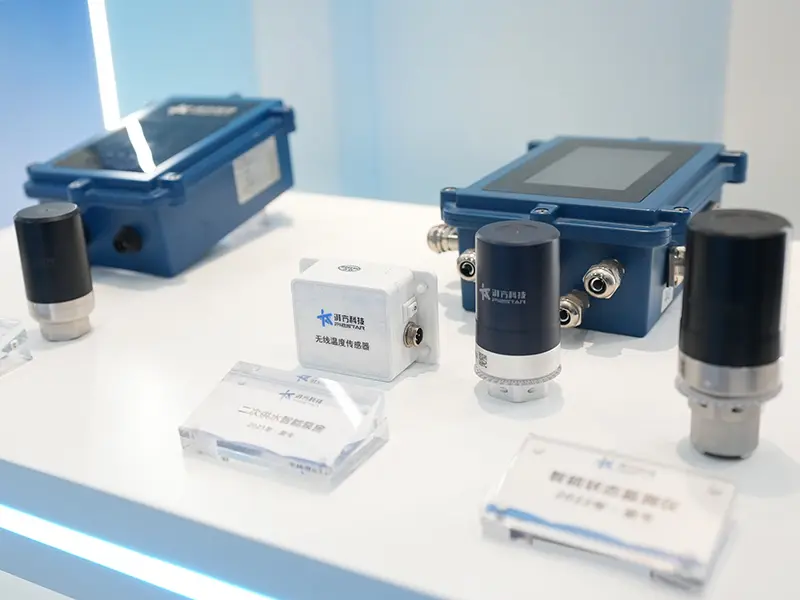
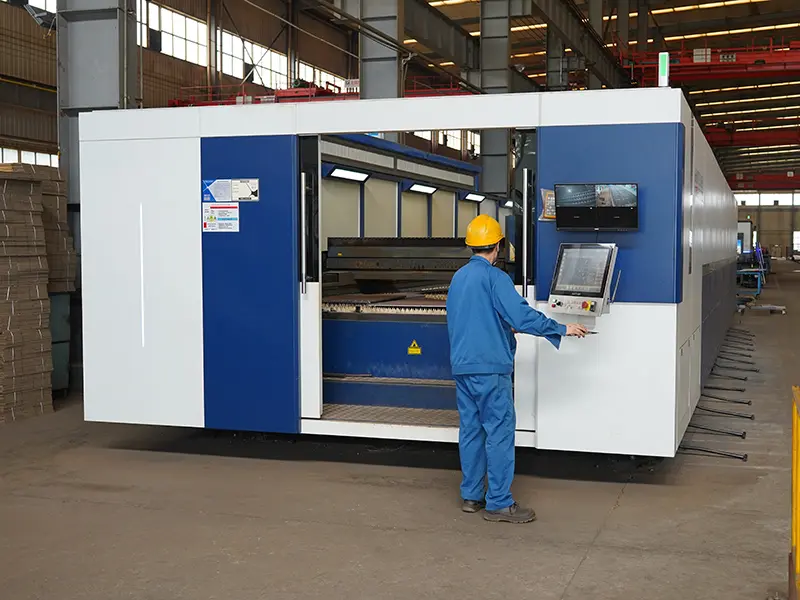
In Indonesian Palm Oil Mills, for instance, boiler systems combust fibrous shell waste. This fuel has highly variable moisture content. An optimized secondary air fan system is critical here to dynamically balance the air-to-fuel ratio, allowing the boiler to handle wet fuels without losing pressure or producing heavy black smoke. As a premier manufacturer and supplier, Shandong Zhangqiu Blower Co., Ltd. customizes fan static pressure, impeller geometry, and corrosion-resistant alloys to meet the exact requirements of these harsh local fuel compositions.
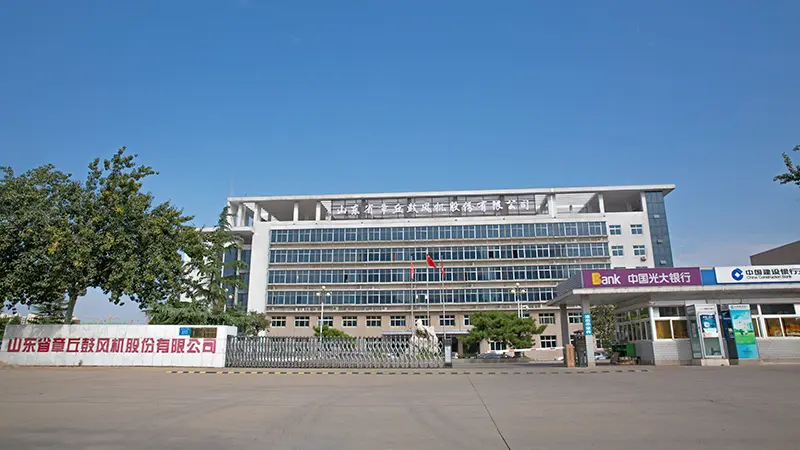
Shandong Zhangqiu Blower Co., Ltd. (formerly Shandong Zhangqiu Blower Works) holds a rich history of over 50 years in blower and fan engineering.
As the first company in China's blower industry to establish an overseas branch (in the USA) and form two Sino-Japanese joint ventures, ZCBC has solidified its position as a global leader in high-performance fluid machinery.
China General Machinery Industry Association Fan Branch Vice President Unit. Standard drafter of National Roots Blower Standards.
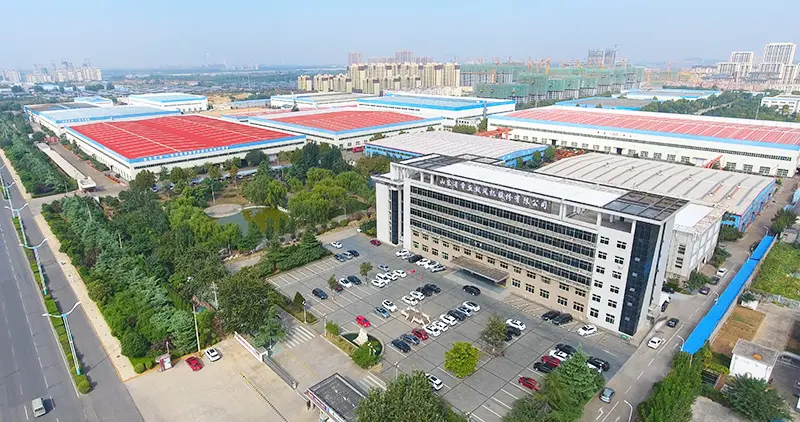
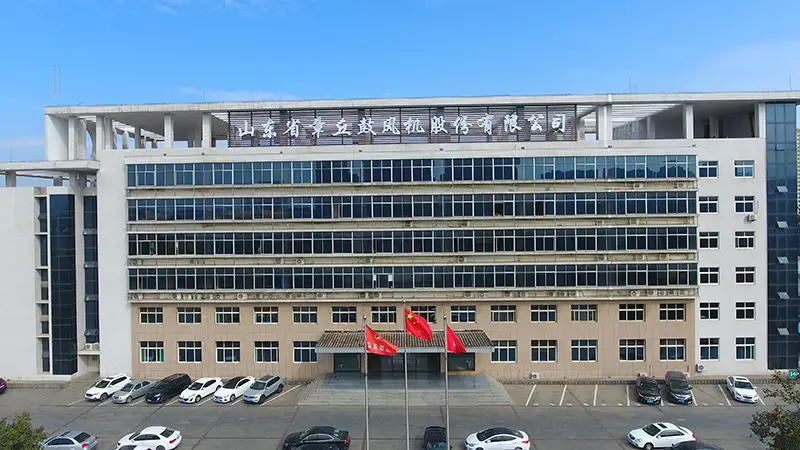
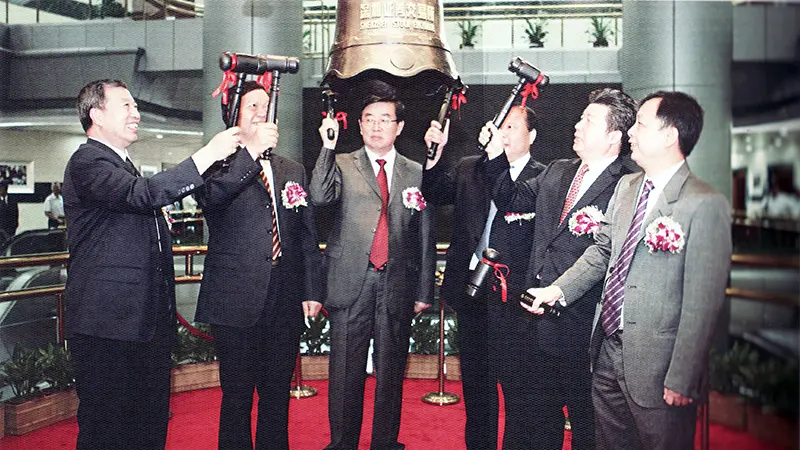
Shandong Zhangqiu Blower Co., Ltd. (ZCBC) is a publicly listed enterprise on the Shenzhen Stock Exchange (Stock Code: 002598). ZCBC stands at the forefront of China's air handling and industrial machinery sectors. We integrate product design, advanced mechanical manufacturing, material science, and global distribution.
In 2020, our parent company achieved an annual operating income of 1.5 billion yuan with a profit of 150 million yuan. Currently, ZCBC operates 20 holding companies and four modern manufacturing bases across Jiangsu Wuxi, Guangdong Dongguan, Hunan Chenzhou, and Gansu Jinchang. Our dedication to innovation is driven by four dedicated research and development centers in Beijing, Shanghai, Shijiazhuang, and Wuxi.
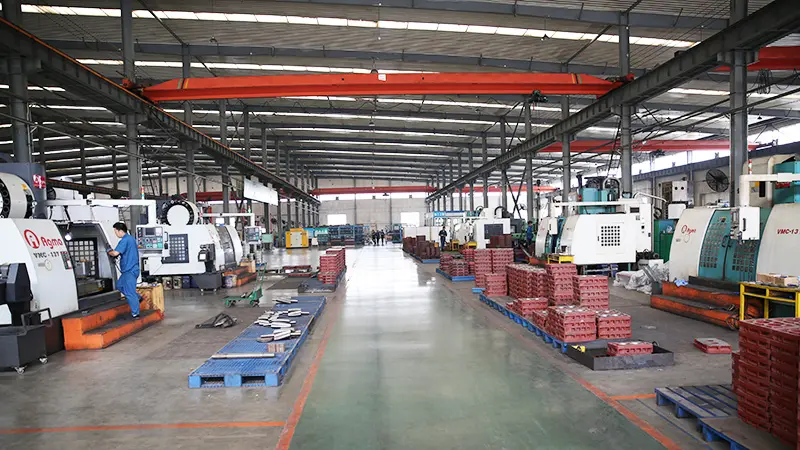
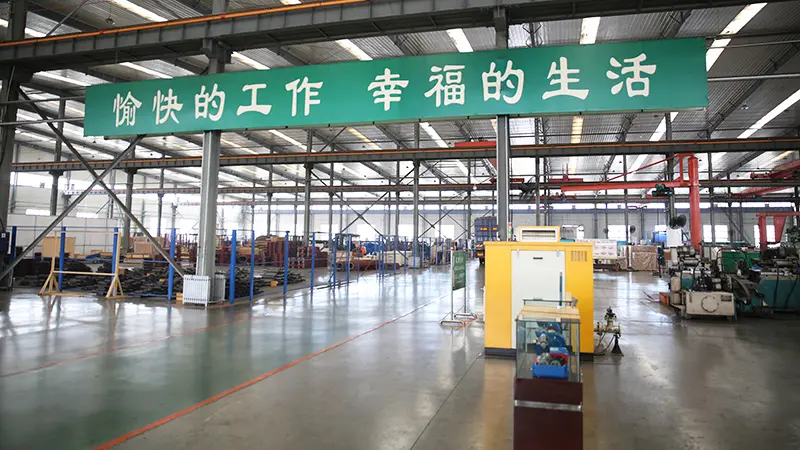
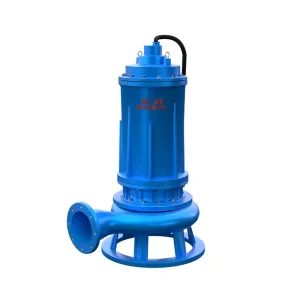
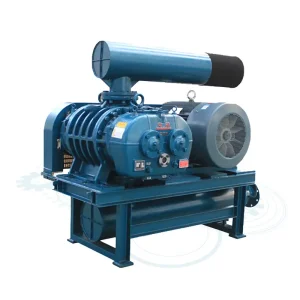
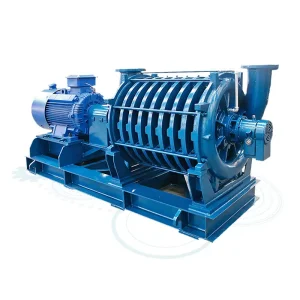
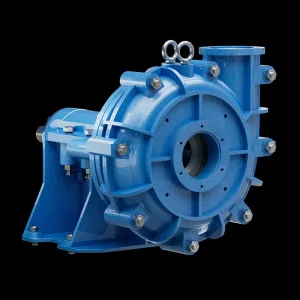
Our main business spans high-efficiency Roots blowers, multi-stage centrifugal blowers, single-stage high-speed centrifugal blowers, industrial pumps (slurry pumps, desulfurization pumps), pneumatic conveying systems, and environmental water treatment systems (MVR evaporation systems). By continuously applying aerospace-grade fluid dynamics simulation models to boiler draft fans, we supply custom-engineered Secondary Air Fans that guarantee optimal reliability under continuous 24/7 operating loads.
As global heavy industry shifts toward carbon neutrality and smart factory frameworks, secondary air fans must evolve beyond basic mechanical units. The future of thermal energy systems relies on digitized, variable, and ultra-high-efficiency fluid control.
Traditional secondary air fans regulate air flow using outlet dampers, wasting immense amounts of kinetic energy. By utilizing Permanent Magnet Synchronous Motors (PMSM) coupled with dynamic variable frequency drives (VFD), modern boiler fans adjust output down to 0.1Hz frequency increments. This matches the instant combustion requirements of the furnace, reducing electrical auxiliary consumption by up to 30%.
Boiler secondary air fans operate in environments exposed to heat radiation and ambient fine particulate matter. Using computational fluid dynamics (CFD) modeling, our engineers design impellers with specialized backward-curved blades. We apply thermal-sprayed tungsten carbide (WC) coatings or ceramic cladding to maximize erosion resistance and dynamic balance lifespan.
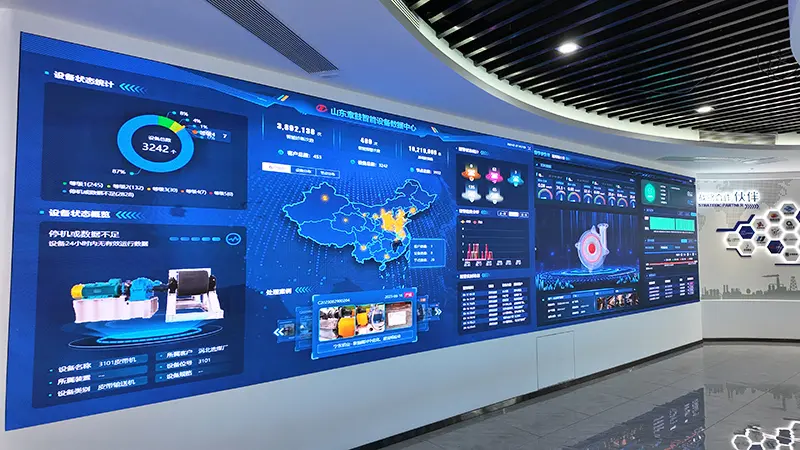
By embedding vibration sensors, temperature probes, and pressure transducers in the fan bearings and casings, our systems stream real-time data to a central cloud controller. AI algorithms analyze these operational signatures, predicting bearing wear or balance degradation weeks before physical faults occur, ensuring zero unplanned boiler shutdowns.
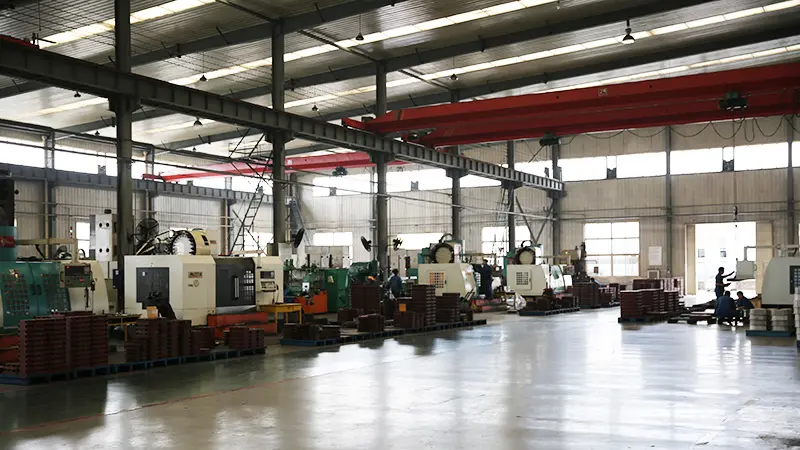
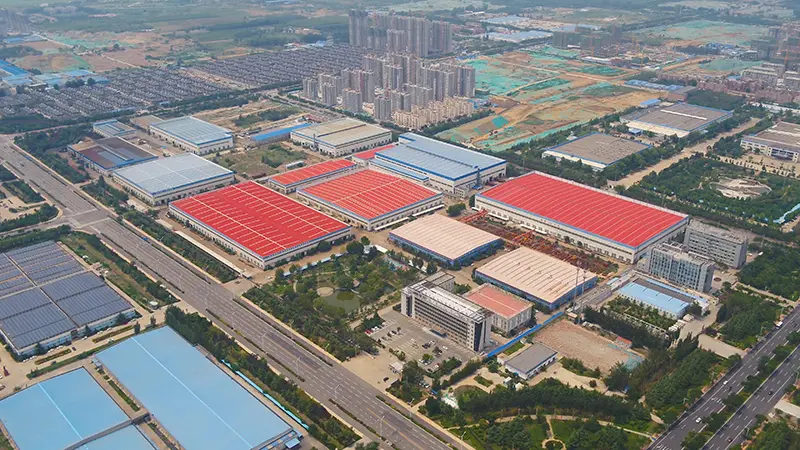
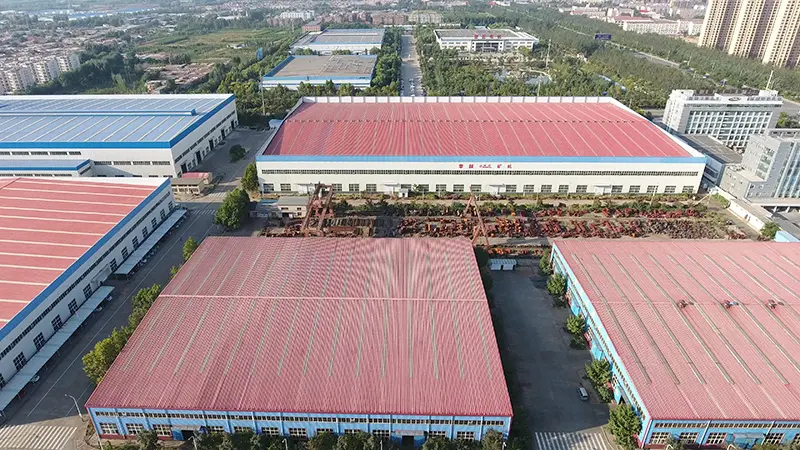
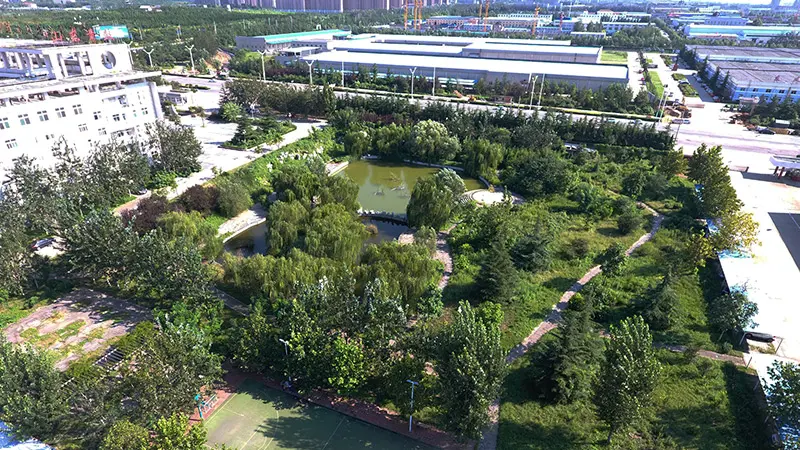
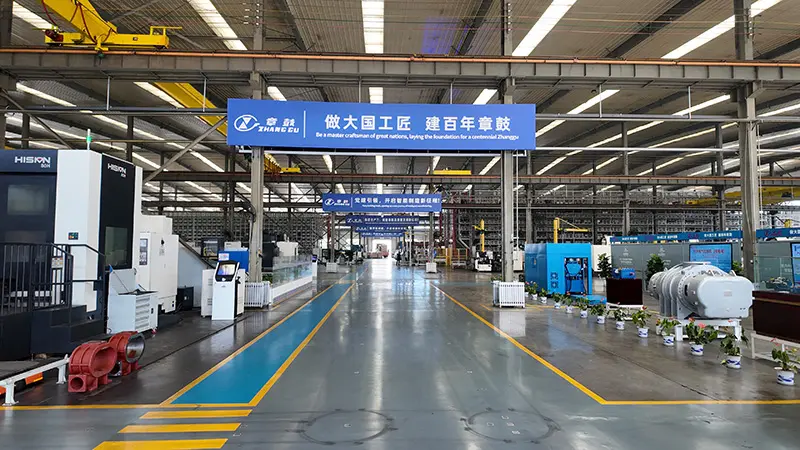
A major advantage of sourcing secondary air fans and industrial blowers from Shandong Zhangqiu Blower is the integration of our robust manufacturing supply chain. We maintain total quality control over every stage of production, from raw casting and precision machining to final testing and coating.
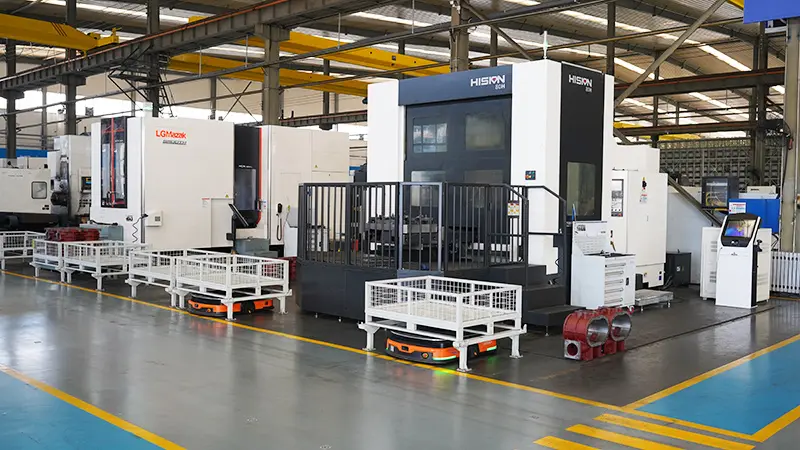
Our facilities feature top-tier production equipment, including five-axis machining centers, high-capacity CNC lathes, three-axis coordinate measuring machines, and ultrasonic testing equipment. We leverage Product Lifecycle Management (PLM) and Computer-Aided Manufacturing (CAM) to ensure all fan tolerances meet aerospace standards. By integrating design, manufacturing, and testing within a unified system, we consistently reduce production lead times by 20% compared to Western competitors.
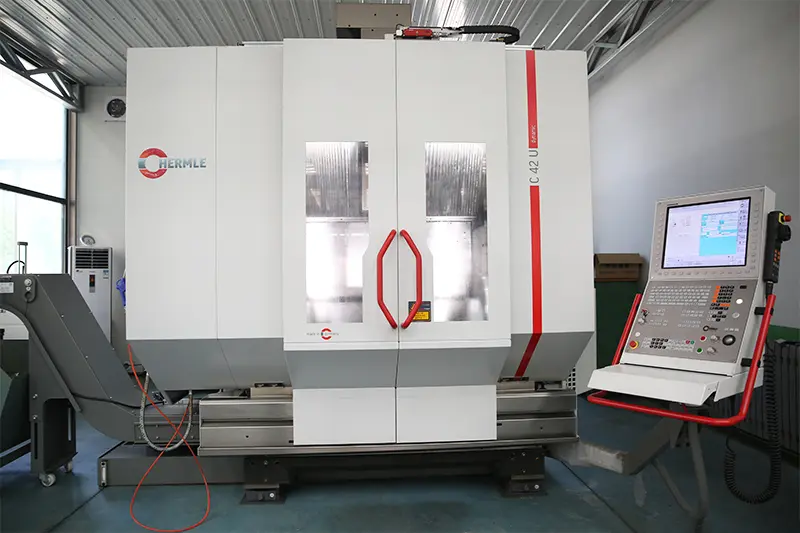
Furthermore, ZCBC is a certified standard drafting unit for national Roots blower specifications. This authoritative position means we can customize and scale production dynamically. Whether you require a single high-temperature secondary air fan for an expansion project or a full set of auxiliary boiler fans for a utility plant, our resilient supply chain ensures on-time delivery and reliable quality.
Operating heavy-duty rotating machinery inside a boiler house demands strict adherence to international safety, environmental, and engineering standards. Our facility is a third-level enterprise for safety production standardization. We hold active certifications across the world's most demanding quality management frameworks:
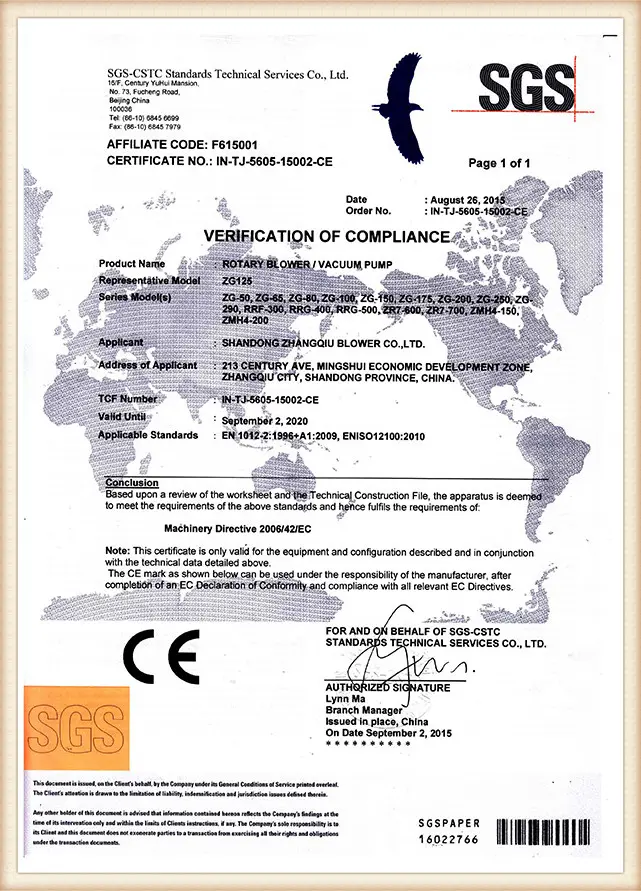
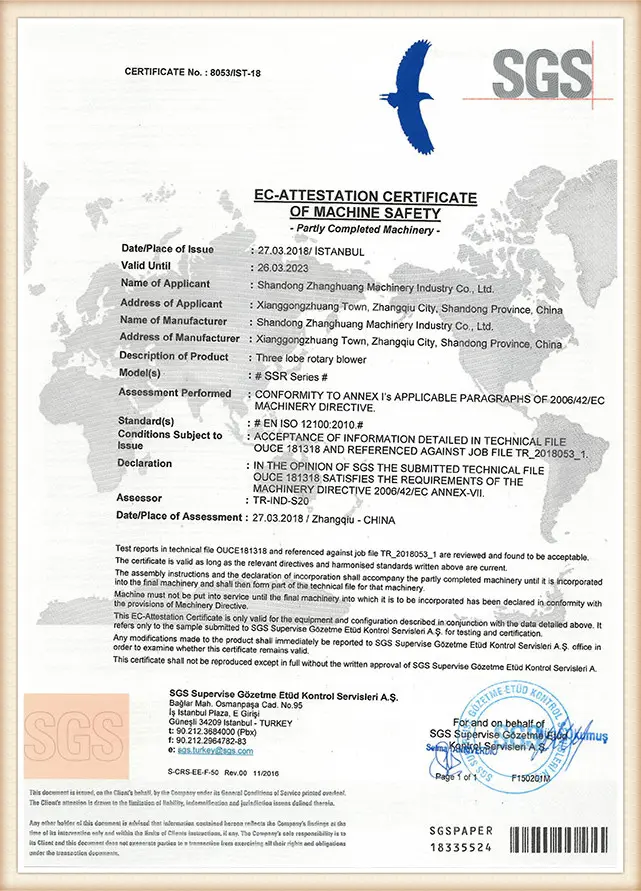
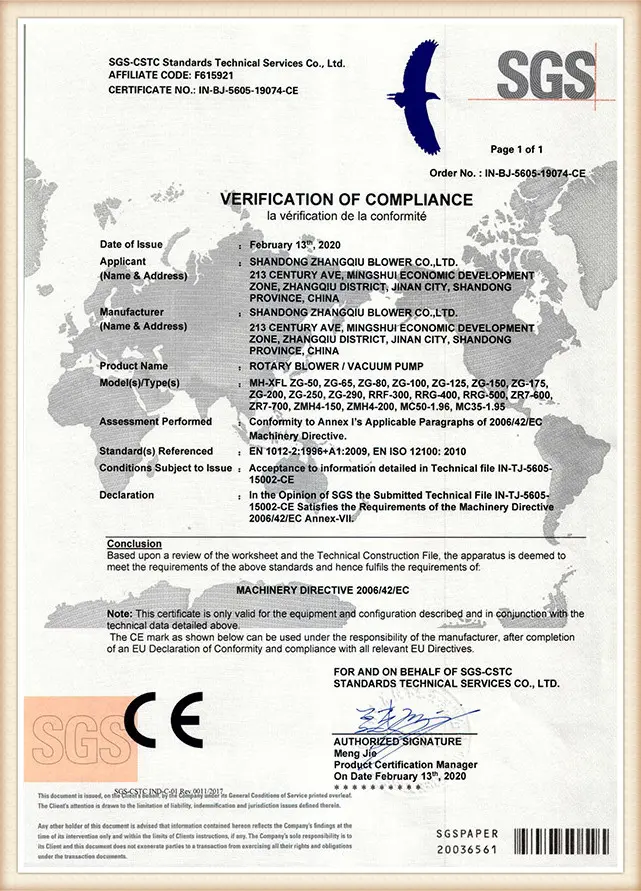
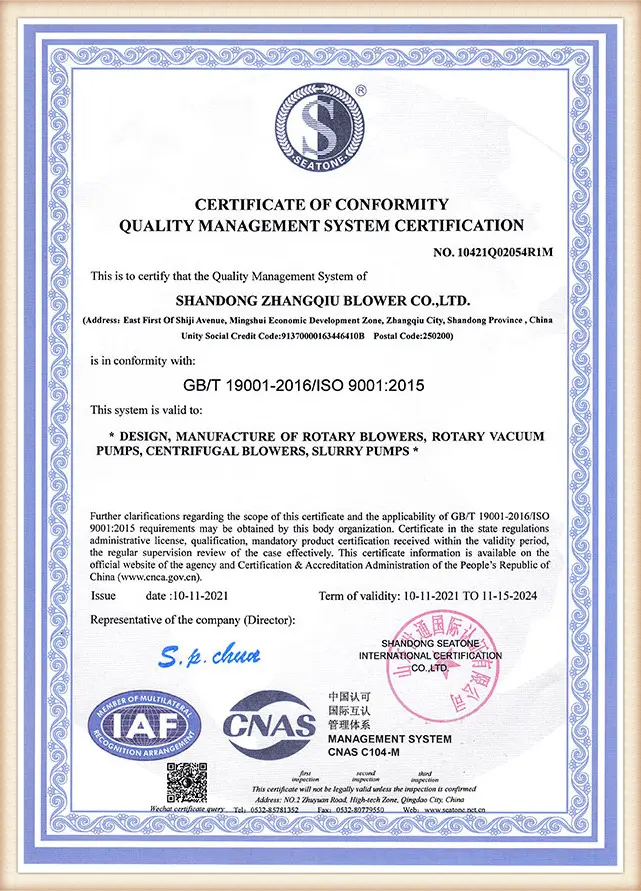

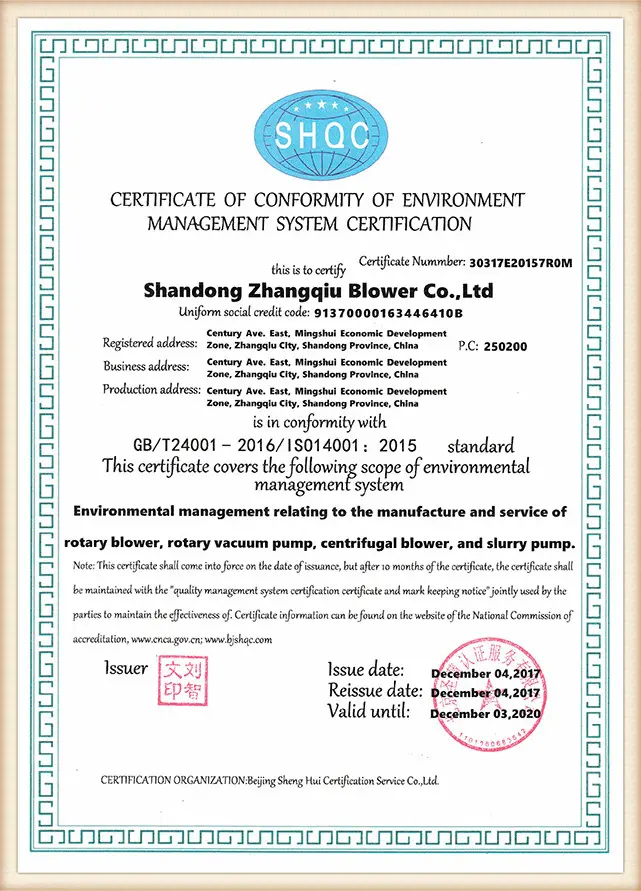
ZCBC systems have successfully passed ISO9001 Quality Management, ISO14001 Environmental Management, ISO50001 Energy Management, and ISO10012 Measurement Management system audits. Our products also hold CE certification, the Mining Safety Mark, and standard 3C certifications. This compliance profile ensures our fans can be integrated into industrial boiler projects in the EU, the US, Southeast Asia, and Central Asia without additional regulatory friction.
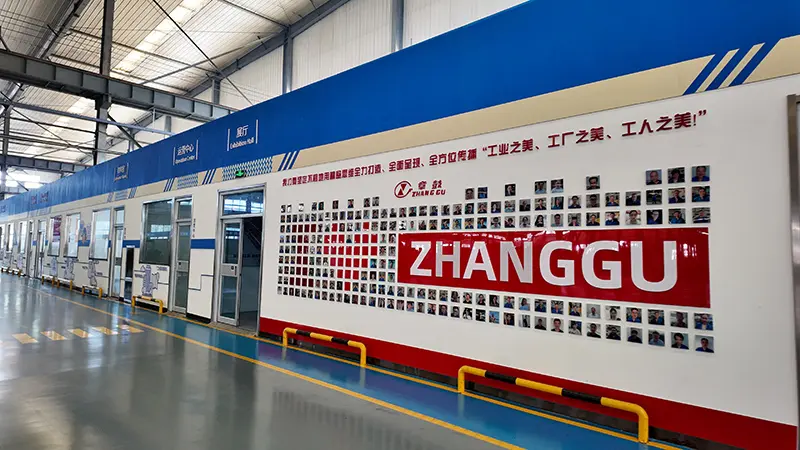
At Shandong Zhangqiu Blower Co., Ltd., we believe corporate culture is the ultimate foundation of quality control. Under our core concept of "Do the best," our workforce operates within a people-oriented management framework. We support our engineers with a specialized postgraduate workstation, state-level technical centers, and active academic research partnerships with Tsinghua University and Xi'an Jiaotong University.
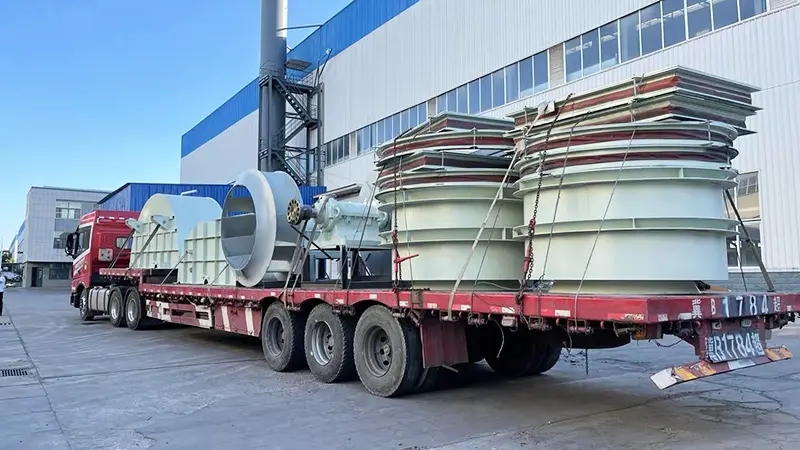
With a dedicated foreign trade corporation and our US branch office, we bridge geographical gaps for our clients. We export our machinery to more than 70 countries, providing engineering support and spare parts availability worldwide. Our goal remains: delivering cutting-edge, energy-efficient fluid machines that optimize power generation, chemical, and waste management industries globally.

 Zhangqiu