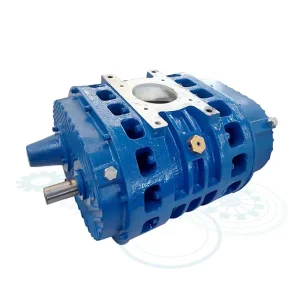
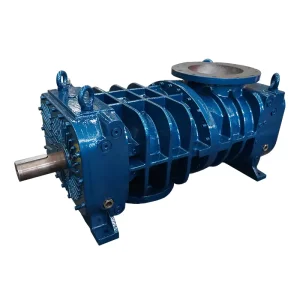
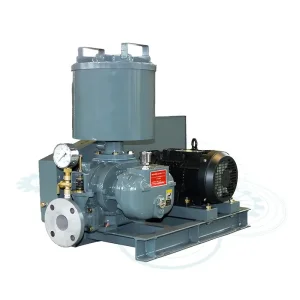
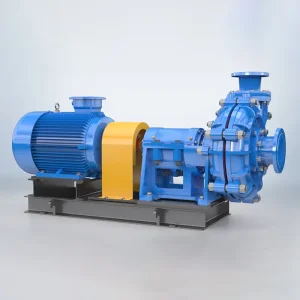
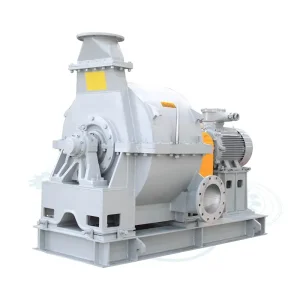
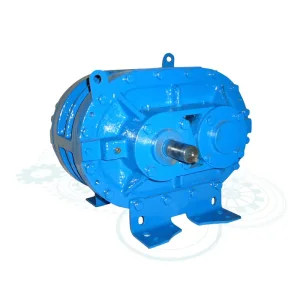
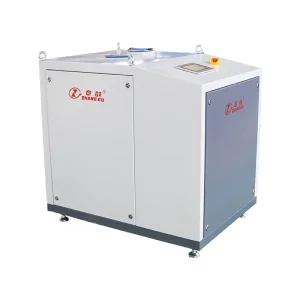
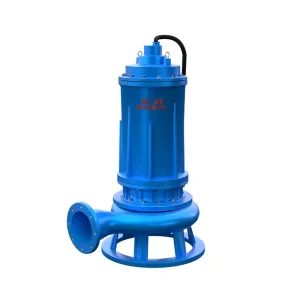
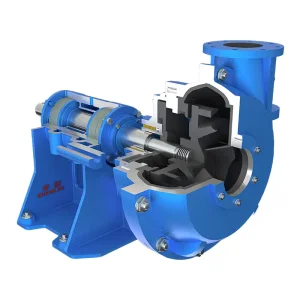
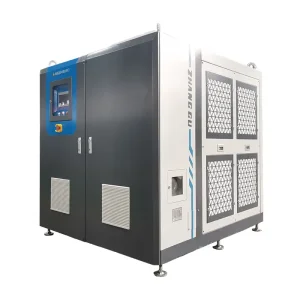
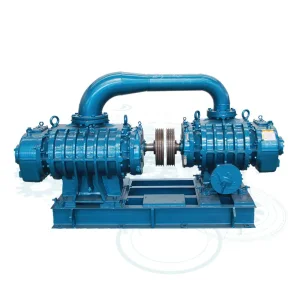
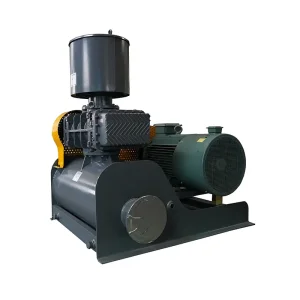
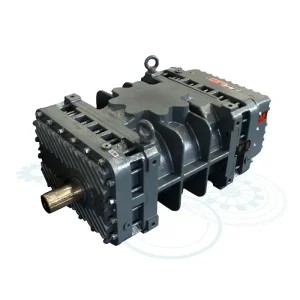
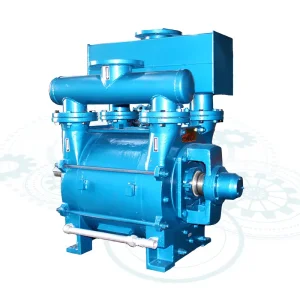
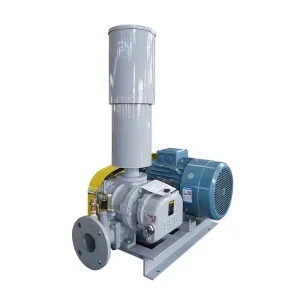
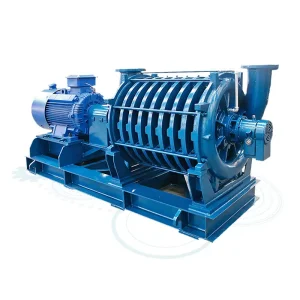
Engineered for extreme performance, thermal vapor recycling, and aggressive slurry transport. Select from our top-tier catalog trusted across global process industries.
Amid accelerating global climate legislation and strict environmental audits, energy-intensive processes like industrial wastewater evaporation, desulfurization, crystallization, and material concentration are undergoing a major shift. Mechanical Vapor Recompression (MVR) stands at the center of this revolution.
MVR systems reduce thermal energy needs by recycling latent heat, offering a sustainable alternative to traditional multi-effect evaporators. Companies utilizing MVR can lower carbon emission profiles by up to 80%, satisfying ESG reporting metrics and global compliance benchmarks.
Regulatory authorities in North America, the EU, and APAC are mandating strict ZLD standards. Mechanical Vapor Recompression turns complex wastewater into pure distillate and solid salt crystals, protecting natural water sources and reclaiming critical minerals.
Unlike thermal steam systems, MVR relies primarily on electricity to run high-efficiency vapor compressors. This yields significant savings, especially when integrated with renewable energy grids, transforming wastewater streams into clean water and usable byproducts.
At its core, MVR operates as a heat pump, taking secondary steam generated from the evaporator and boosting its pressure, temperature, and enthalpy using a mechanical compressor.
By feeding compressed vapor back into the system to heat the boiling liquor, MVR eliminates the need for fresh boiler steam during steady-state operations. The primary driver of system efficiency is the vapor compressor—typically a specialized roots blower or high-speed centrifugal turbo compressor.
Shandong Zhangqiu Blower Co., Ltd. (ZCBC) uses over five decades of aerodynamic engineering experience to design high-ratio steam compressors. These systems are optimized for maximum polytropic efficiency, preventing premature condensation damage and managing corrosive gases with advanced metallurgical options like Duplex 2205, Hastelloy, and titanium coatings.
Key system metrics include: Coefficient of Performance (COP) values from 10 to 20, specific power consumption levels under 20-30 kWh/m³ of water evaporated, and a design life exceeding 20 years.
• Thermal Efficiency: MEE relies on fresh steam cascades. MVR recycles over 95% of latent heat, lowering primary thermal fuel needs near zero.
• Cooling Water: MVR uses the incoming feed to condense the compressed vapor, eliminating the need for large cooling towers.
• Footprint: Single-effect MVR setups often require less space than 4- or 5-effect thermal evaporator columns.
• Control: Integrated PLC/SCADA units track pressure differences, boiling point elevation (BPE), and compressor speeds for stable operation.
| Evaluation Parameter | Mechanical Vapor Recompression (MVR) | 4-Effect Evaporator (MEE) | Direct Thermal Desalination |
|---|---|---|---|
| Steam Consumption (per ton evaporation) | 0 kg (Steady-state operation) | 250 - 300 kg | 700 - 900 kg |
| Electricity Consumption (per ton) | 15 - 28 kWh (Compressor driven) | 2 - 4 kWh | 4 - 6 kWh |
| Cooling Water Demand | Minimal (For vent condenser only) | High (Requires dedicated cooling towers) | Very High |
| Typical COP range | 10 - 22 | 3.2 - 3.8 | 0.9 - 1.2 |
| Primary OpEx Driver | Electrical Energy costs | Coal, Gas or Industrial steam supply | High-pressure primary thermal fuel |
A public listed industrial pioneer (Stock Code: 002598) with over 50 years of design, manufacturing, and global operational experience.
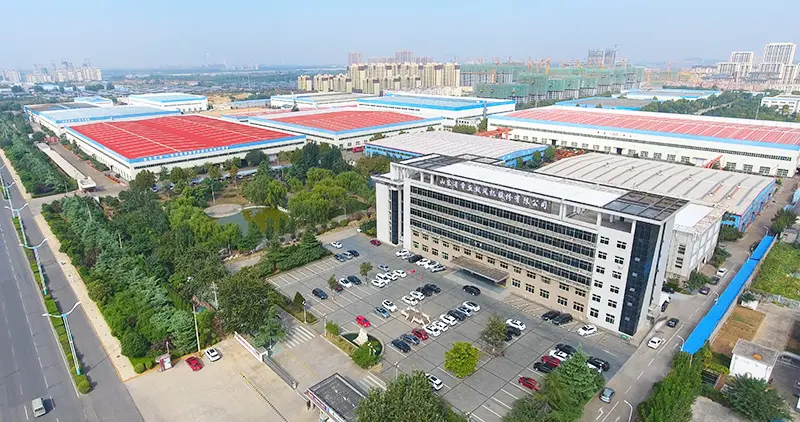
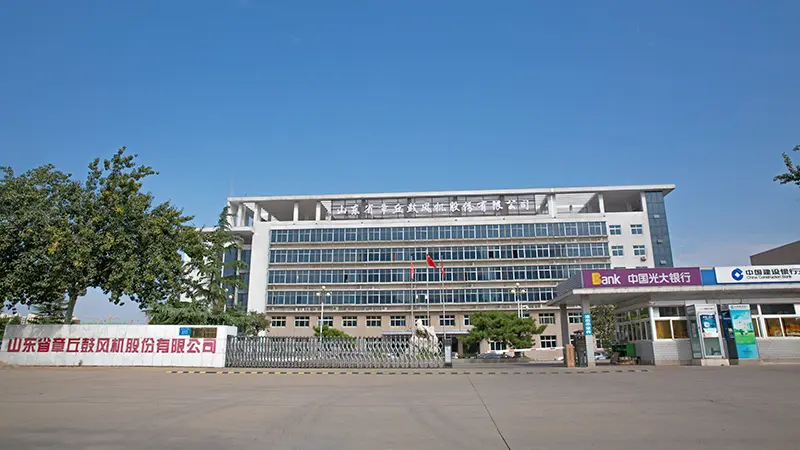
ZCBC (formerly known as Shandong Zhangqiu Blower Works) stands as a leading enterprise in the blower industry. By pioneering new technologies and expanding globally, ZCBC became the first company in China's blower sector to establish oversea branches, including two Sino-Japanese Joint-ventures and a dedicated United States division.
Established in 1997, our leadership team formulated a long-term development strategy: "Develop main business, pioneer new fields and innovate, cooperate to be a great company". Driven by the core working concept of "Do the best", ZCBC operates a state-of-the-art industrial park.
We run four modern manufacturing bases in Jiangsu Wuxi, Guangdong Dongguan, Hunan Chenzhou, and Gansu Jinchang, supported by four research and development centers in Beijing, Shanghai, Shijiazhuang, and Wuxi. ZCBC manages 20 holding companies, providing design, manufacturing, sales, and field services for Roots blowers, centrifugal blowers, pneumatic conveying systems, and complete MVR evaporation packages.
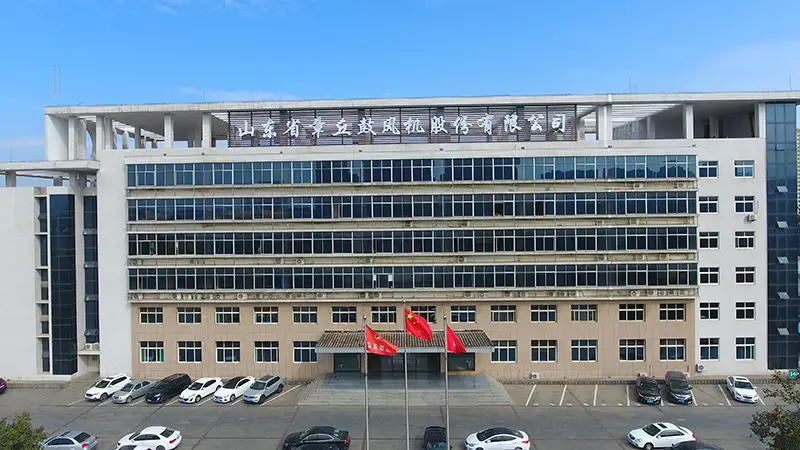
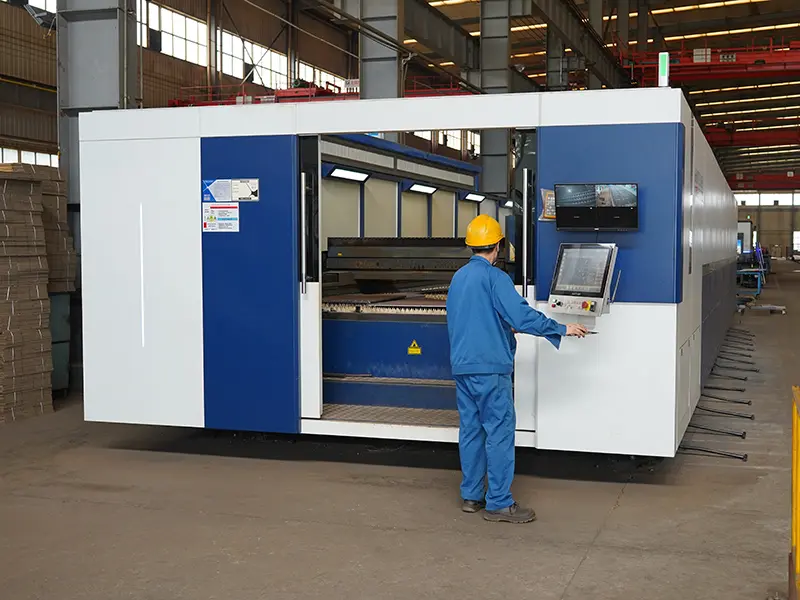
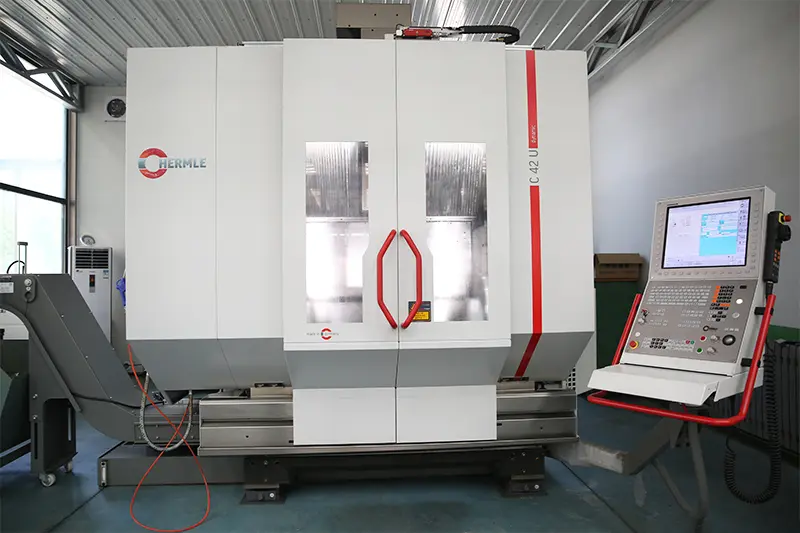
Our engineering capabilities are backed by advanced software, processing equipment, and testing facilities.
Our facilities include CNC machining centers, five-axis machining centers, and three-coordinate measuring instruments imported from Japan and Germany. Systems like PLM (Product Life Cycle Management) and CAM/CAPP streamline the design and manufacturing cycle.
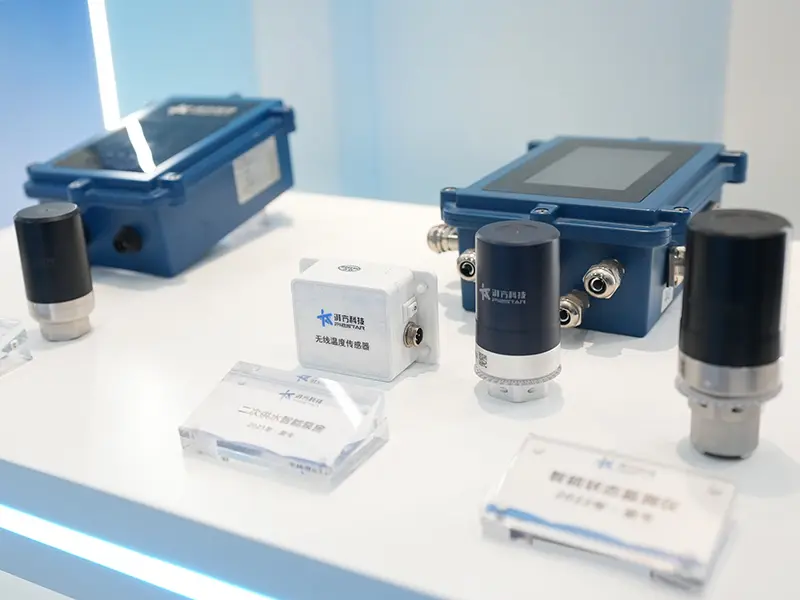
ZCBC holds 69 authorized patents (including 5 invention patents) and 2 copyrights. Key innovations include countercurrent cooling, fan noise reduction, wear-resistant designs, two-stage tandem configurations, smart monitoring, and specialized seals.
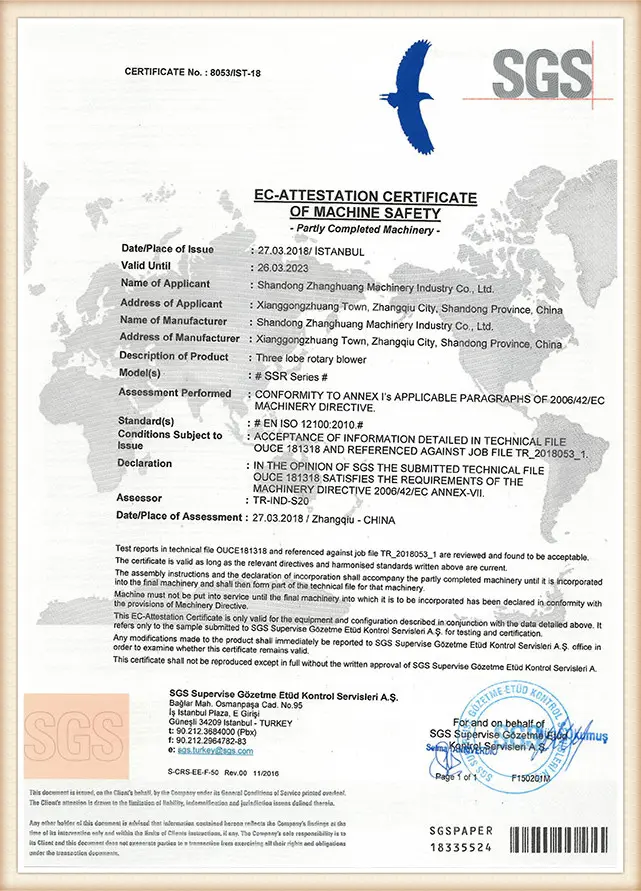
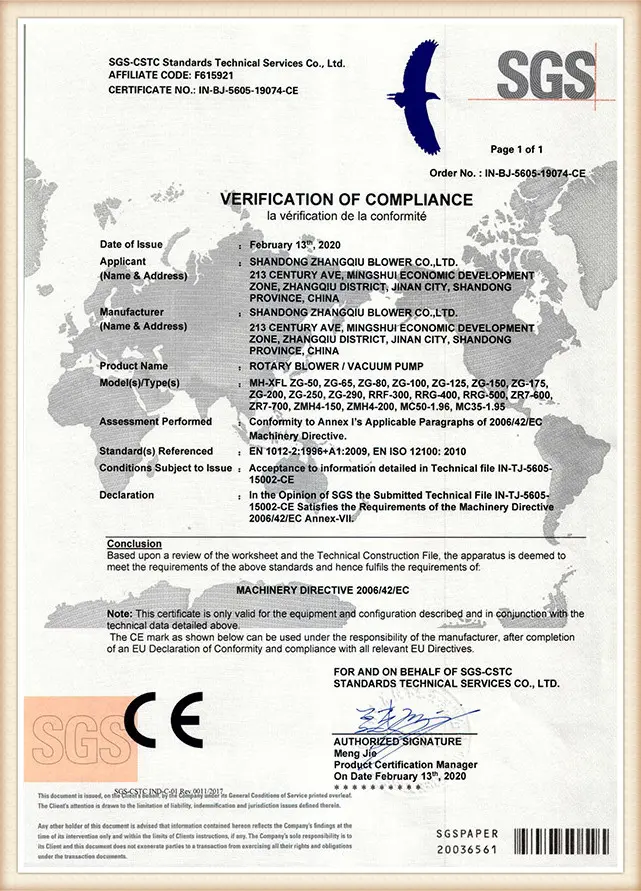
Our processes are certified to ISO9001 (Quality), ISO14001 (Environmental), ISO50001 (Energy Management), and ISO10012 (Measurement). Products carry CE, 3C, and Mining Product Safety certifications to meet global standards.
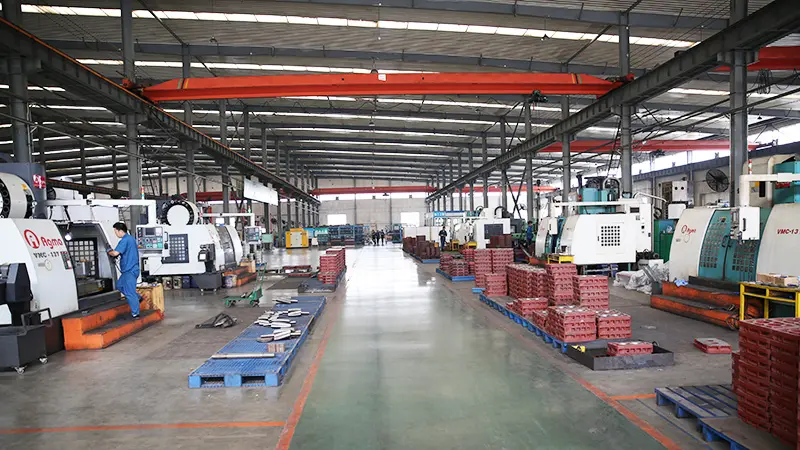
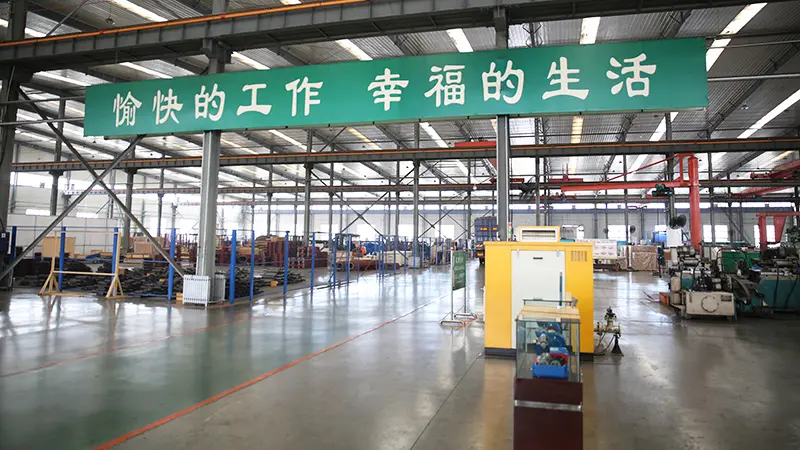
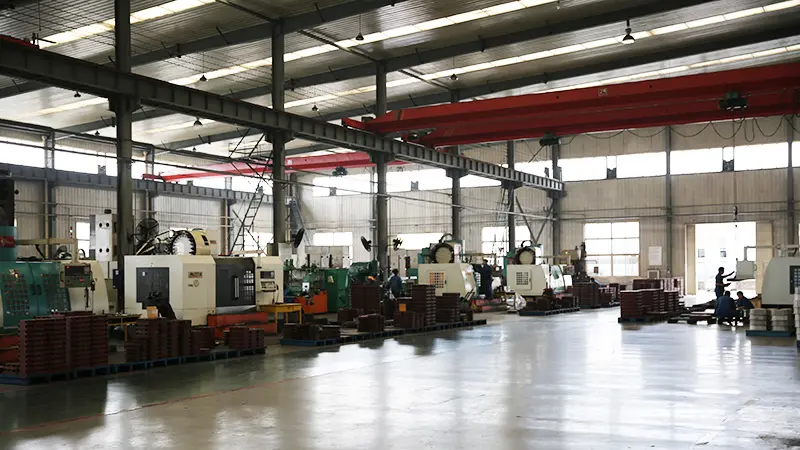
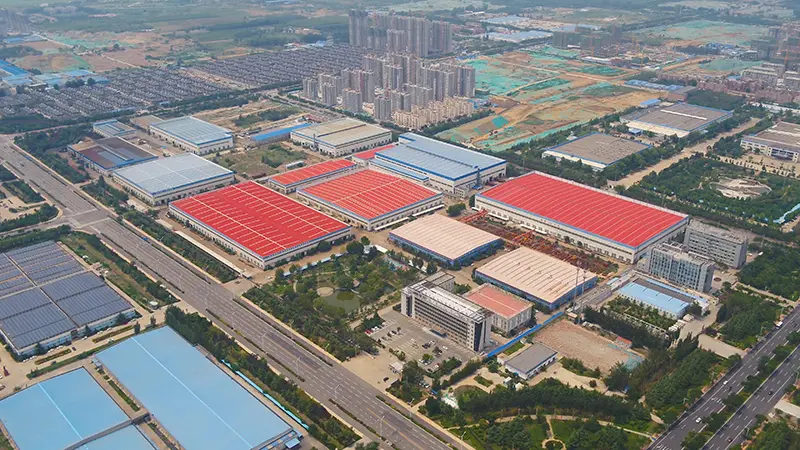
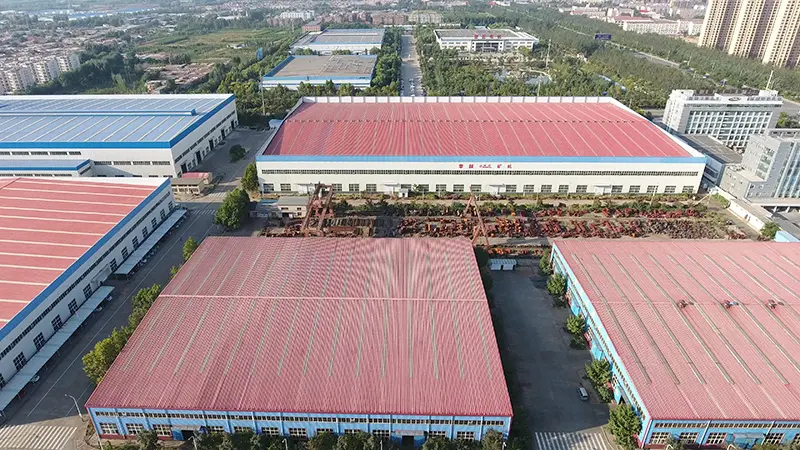
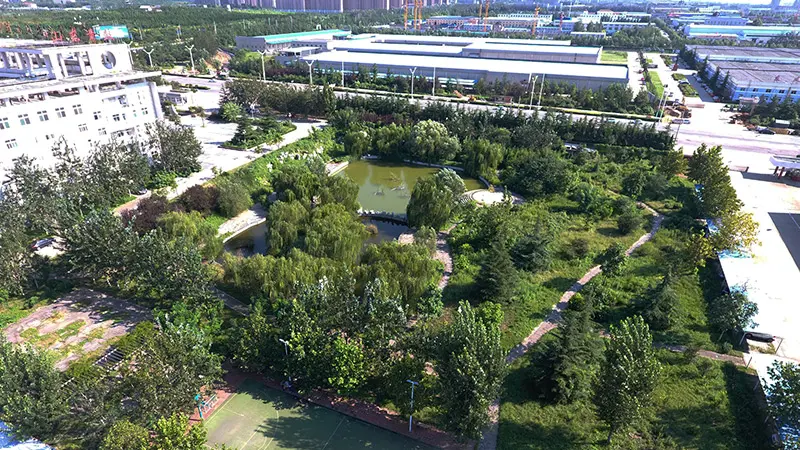
ZCBC helps engineering, procurement, and construction (EPC) contractors design, source, and commission systems worldwide.
Our design teams deliver 3D drawings and preliminary structural CAD files within 24 hours of receiving draft concepts or feed data sheets. This enables quick project integration, piping design, and civil construction alignment.
With a branch office in the United States and partnerships in Germany, Italy, and over 70 other countries, ZCBC provides localized logistics, commissioning support, and operational maintenance (O&M).
Every product batch is verified by independent third parties, offering complete materials traceability and test reports before dispatch.
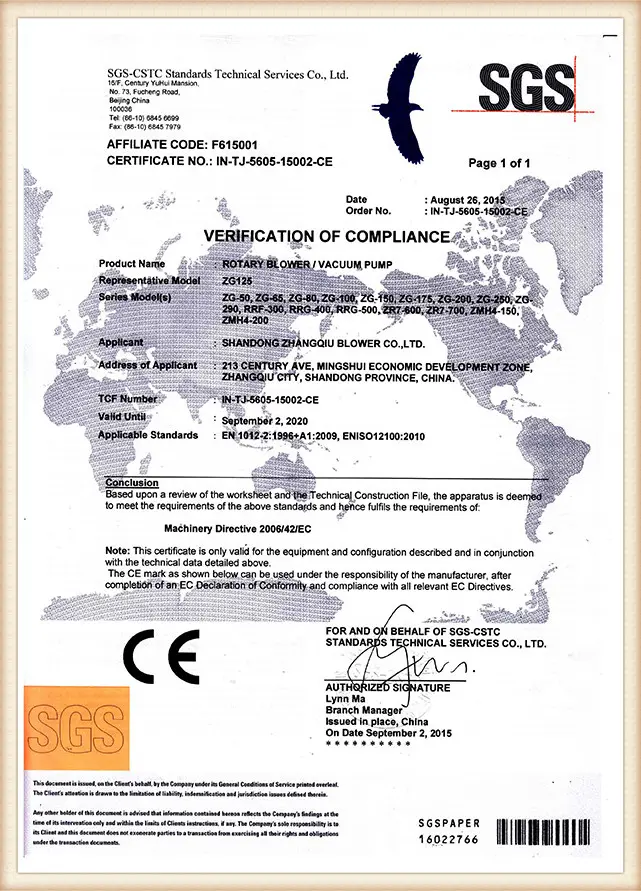
"Cohesion produces strength, unity brings glory." ZCBC values scientific talent through targeted development frameworks. Our R&D division is composed of experts receiving State Council special allowances, senior engineering researchers, and doctoral specialists.
We manage a dedicated "Postgraduate Workstation" and collaborate with institutions like Tsinghua University, Xi'an Jiaotong University, China University of Mining and Technology, and Shandong University. This research network supports our product innovation pipeline, from initial aerodynamics design to field deployment.
Our core leadership focuses on providing a stable, safety-conscious work environment. Respecting and developing talent is a strategic priority for ZCBC's long-term growth.
Technical answers for project managers, design engineers, and procurement directors.
Explore our full line of industrial blowers, vacuum pumps, and specialized slurry handlers designed for heavy-duty process applications.
 Zhangqiu