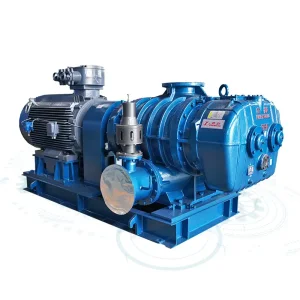
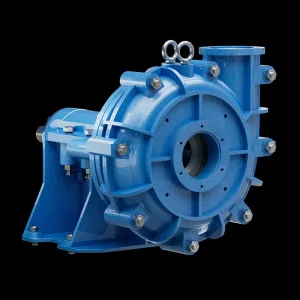
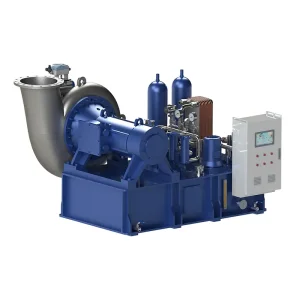
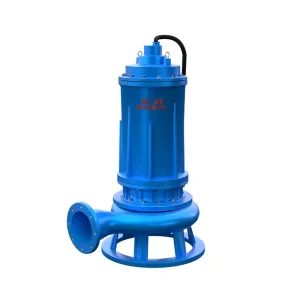
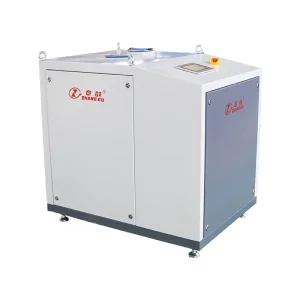
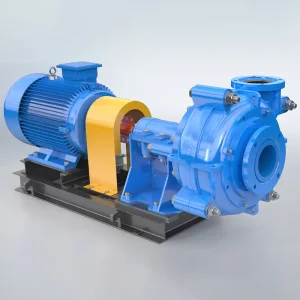
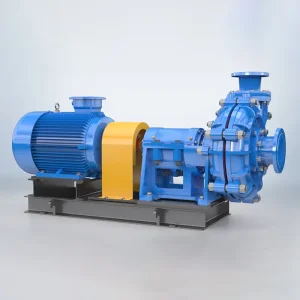
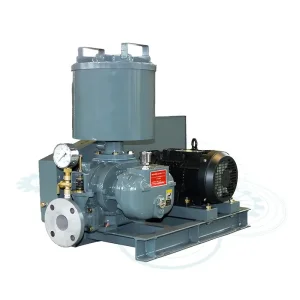
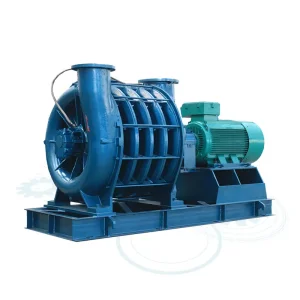
Industrial blowers, heavy-duty slurry pumps, and rotating equipment engineered for hazardous gas handling and liquid circulation systems.
In the modern energy generation sector, nuclear power plants (NPPs) represent the cornerstone of carbon-free, baseload electricity production. Within these facilities, compressors and blowers serve as critical safety-related and process-supporting assets. From the handling of radioactive waste gases to containment sweeping, hydrogen mitigation, and chemical volume control systems, the operational criteria for nuclear-grade compressors are exceptionally severe.
Unlike conventional industrial applications, nuclear power compressor manufacturers must design machines that withstand intense radiation exposure, potential seismic activities, and extreme design-basis accident scenarios (such as Loss of Coolant Accidents - LOCA). The global commercial landscape for these highly engineered systems is governed by strict compliance codes, including ASME Section III Class 1, 2, and 3, RCC-M, and NQA-1 quality assurance requirements. Consequently, only a select cohort of global engineering firms possess the manufacturing capability, quality control frameworks, and performance testing rigs necessary to service this elite segment.
With massive grids requiring high operational availability, any unplanned shutdown of a nuclear generation unit can cost utilities millions of dollars daily. Hence, heavy industrial blowers and pump auxiliary systems must achieve over 99.99% operational uptime.
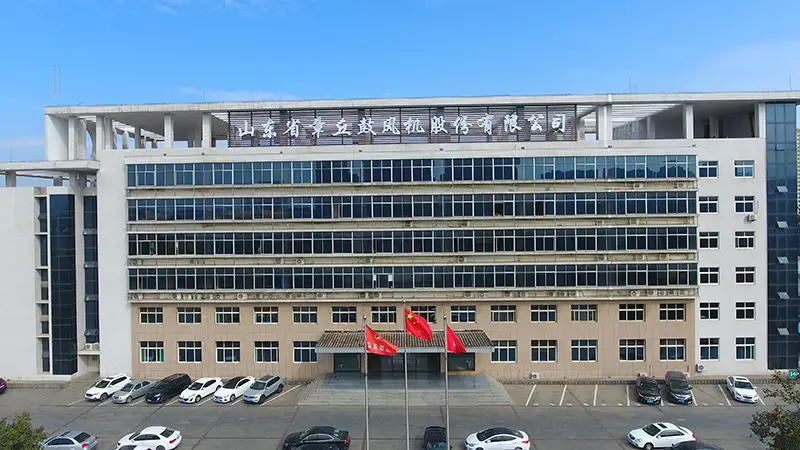
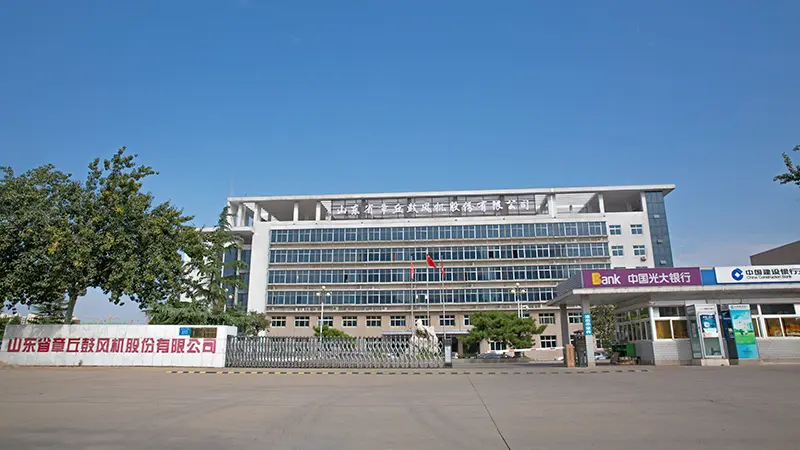
Shandong Zhangqiu Blower Co., Ltd. (ZCBC) - Engineering excellence since 1968
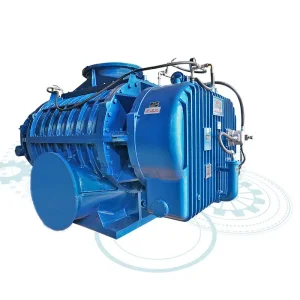
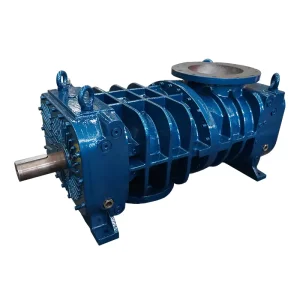
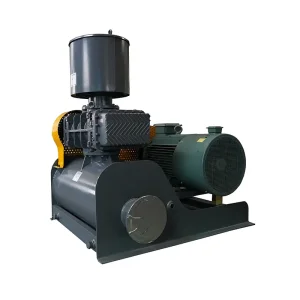
Originally established as the Shandong Zhangqiu Blower Works, ZCBC has emerged as the premier Chinese manufacturer of heavy-duty gas compression and fluid handling equipment. Boasting over 50 years of dedicated design and manufacturing expertise, the company operates two Sino-Japanese Joint-ventures and a specialized subsidiary in the USA, marking it as the first company in China's blower industry to establish an overseas branch. ZCBC is the dominant force in the domestic market, where its market occupancy for Roots Blowers regularly ranks first in the industry.
Under the strategic vision: "Develop main business, pioneer new fields and innovate, cooperate to be a great company" and guided by the performance standard "Do the best", ZCBC is a modern enterprise integrating design, testing, manufacturing, and technical support. Our comprehensive product portfolio spans Roots blowers, centrifugal blowers, ventilation fans, heavy-duty industrial pumps, pneumatic conveying packages, advanced electrical equipment, and complex MVR (Mechanical Vapor Recompression) crystallization systems designed for process safety.
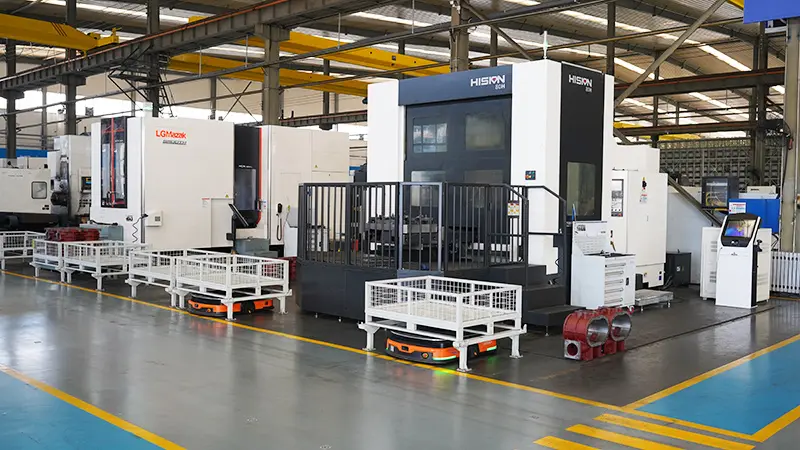
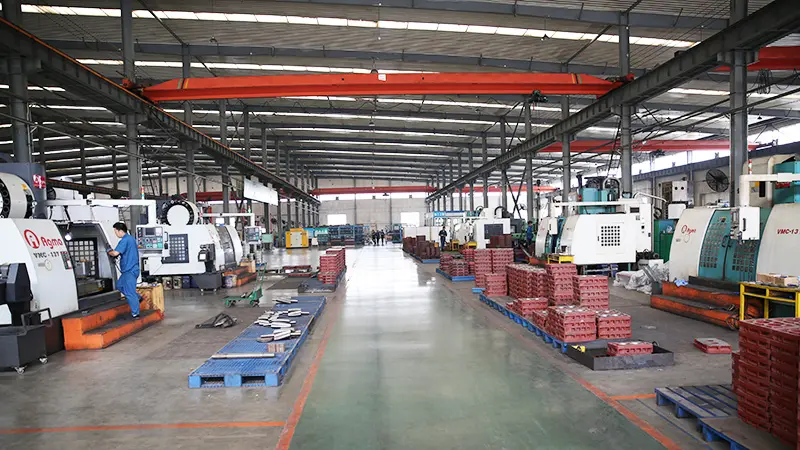
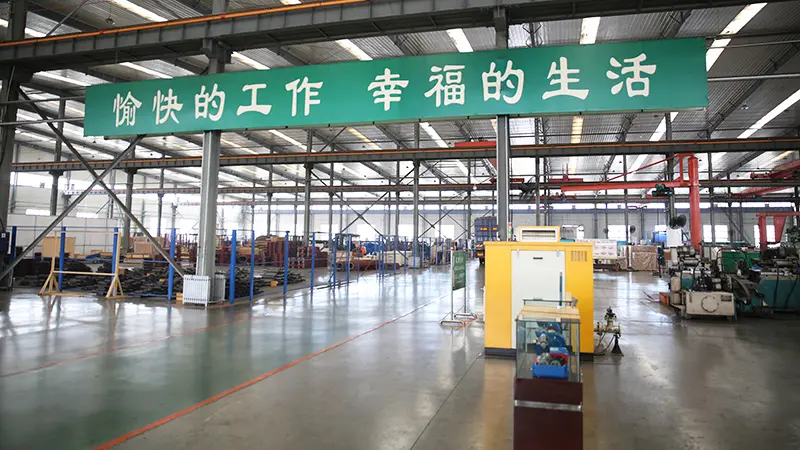
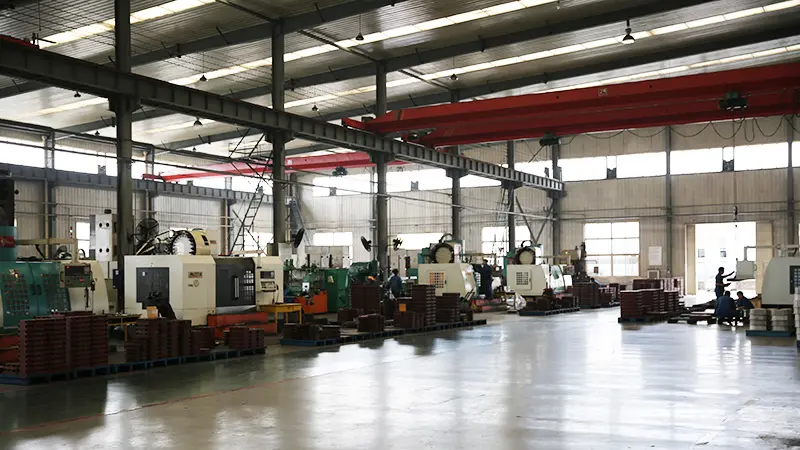
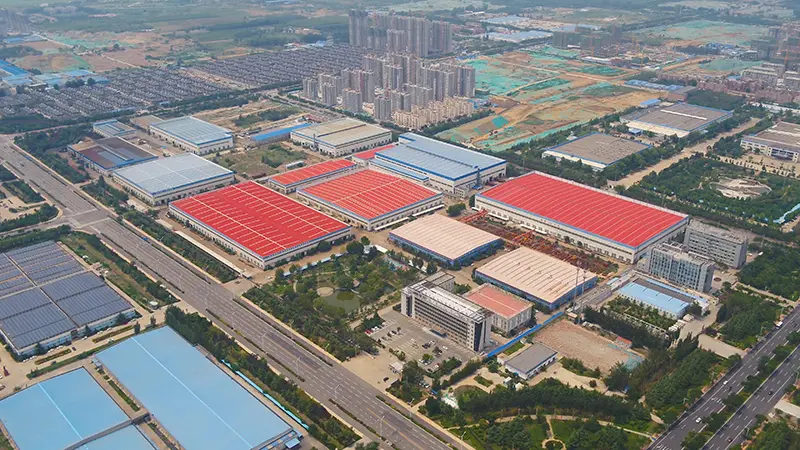
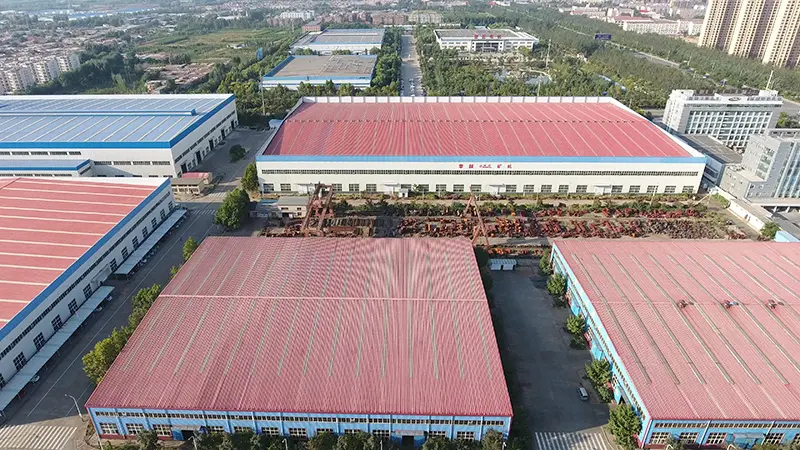
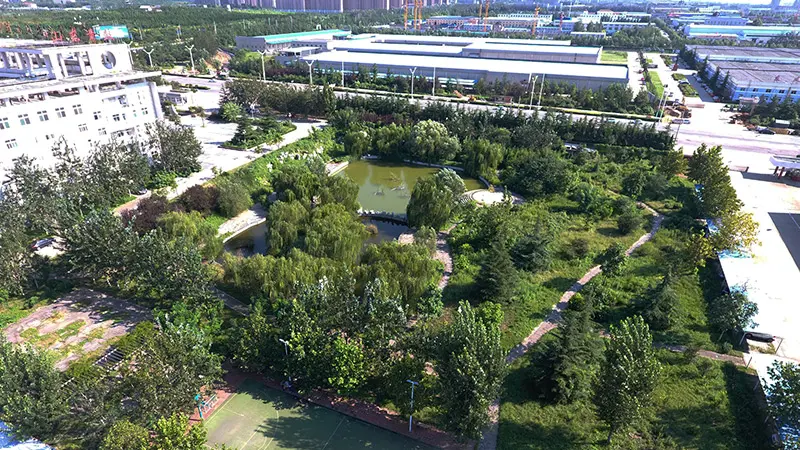
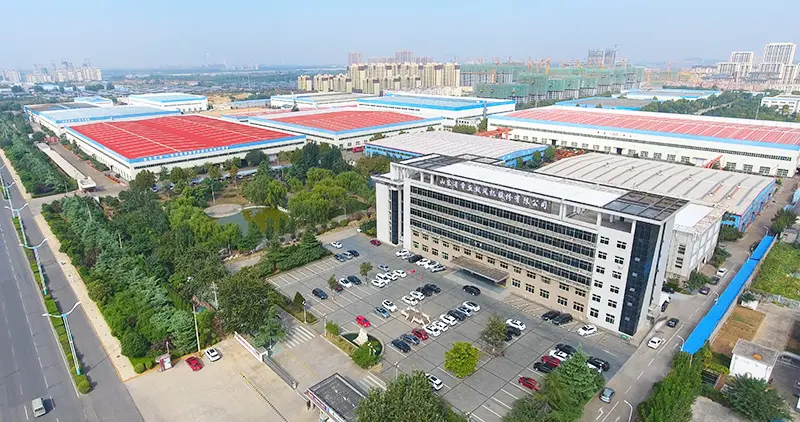
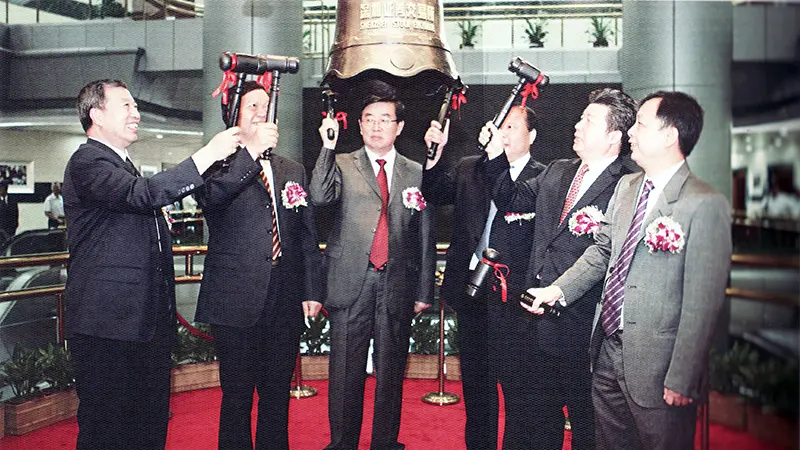
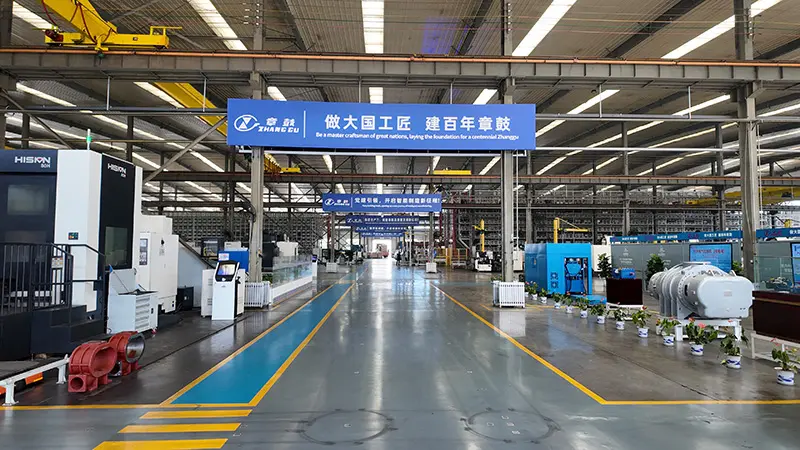
In 2005, the company relocated to a newly constructed high-standard modern industrial park. Spanning 430,000 square meters, this facility provides the high-precision machining centers and testing infrastructure necessary to execute complex global engineering partnerships. Listing on the Shenzhen Stock Exchange (Stock Code: 002598) in July 2011 marked a milestone in corporate governance and capitalization.
By 2020, parent company operations generated over 1.5 billion yuan in operating income and 150 million yuan in profit. With 20 holding companies, four major manufacturing bases across Wuxi (Jiangsu), Dongguan (Guangdong), Chenzhou (Hunan), and Jinchang (Gansu), and four specialized R&D centers in Beijing, Shanghai, Shijiazhuang, and Wuxi, ZCBC maintains a robust network capable of supporting demanding nuclear, petrochemical, and power generation clients worldwide.
Advanced engineering design methodologies ensuring long-term wear resistance and hermetic sealing.
Nuclear-grade blowers must process gases containing abrasive dust or radioactive particulates. Our patented countercurrent cooling, anti-sticking surfaces, and proprietary wear-resistant coating technologies prevent dynamic imbalance on rotary impellers, extending component life in toxic environments.
To eliminate dangerous leakages of gaseous radioactive isotopes (such as Xenon, Krypton, or tritium-contaminated air), ZCBC designs multi-stage carbon ring seals, mechanical labyrinth seals, and pressurized dry gas seal arrangements ensuring positive containment of zero emission.
High gas flow velocities generate significant noise and mechanical vibration. ZCBC utilizes advanced noise reduction housings, tri-lobe twisted impellers, and built-in reflection-absorption silencers to restrict structural vibrations, protecting piping networks from stress fatigue.
How ZCBC blowers and compressors integrate with critical nuclear safety and water purification systems.
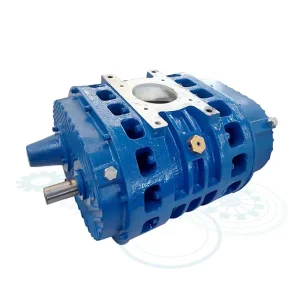
In pressurized water reactors, gaseous radioactive waste is continuously generated in the primary coolant loop. These gases must be stripped, compressed, and transferred to decay tanks or active carbon delay beds. ZCBC's Roots Blowers (like the RR Series and high-pressure ZG series) provide stable, oil-free vacuum extraction and low-maintenance pressure transmission. This ensures that no auxiliary grease contaminates the processing lines, keeping radwaste gas treatment loops highly secure.
Radioactive wastewater cannot be discharged without total purification. ZCBC's MVR Evaporation, Concentration, and Crystallization systems process wastewater using highly efficient centrifugal and Roots blowers. By compressing secondary steam, the system recycles latent heat, minimizing energy consumption while segregating contaminants into highly concentrated residues for safe packaging and storage.
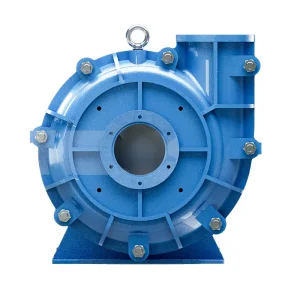
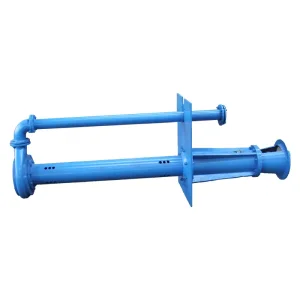
Nuclear balance of plant (BOP) systems demand pumps capable of handling highly corrosive, abrasive liquids within secondary heat exchangers and cooling towers. The TZJK-TD Series Ceramic Slurry Pumps utilize advanced wear-resistant silicon carbide ceramics to withstand extreme chemistry. They offer up to 4-5 times the service life of metal alloys in abrasive flue-gas desulfurization (FGD) sumps and heavy silt environments.
Reactor water chemistry is controlled using precise chemical dosing systems. Large-scale pneumatic conveying systems utilizing ZCBC blowers transport bulk chemicals, such as calcium hydroxide, powdered active carbon, and ion exchange resins, securely within dust-free, closed-loop pipeline networks.
Driving efficiency through smart diagnostics, magnetic bearings, and oil-free operation.
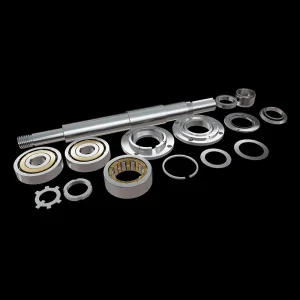
Transitioning from mechanical contact bearings to oil-free Air Foil Bearing technology represents a massive leap forward. By using air film lubrication rather than oil, the threat of hydrocarbon contaminants getting into the sensitive nuclear air filter arrays is entirely removed, while overall power savings increase by 25%.
Permanent Magnet Synchronous Motors (PMSM) eliminate mechanical gearboxes, belt pulleys, and coupling friction. Directly driving the turbo impeller via high-frequency electrical signals enables precise flow optimization, reducing maintenance frequency and structural wear.
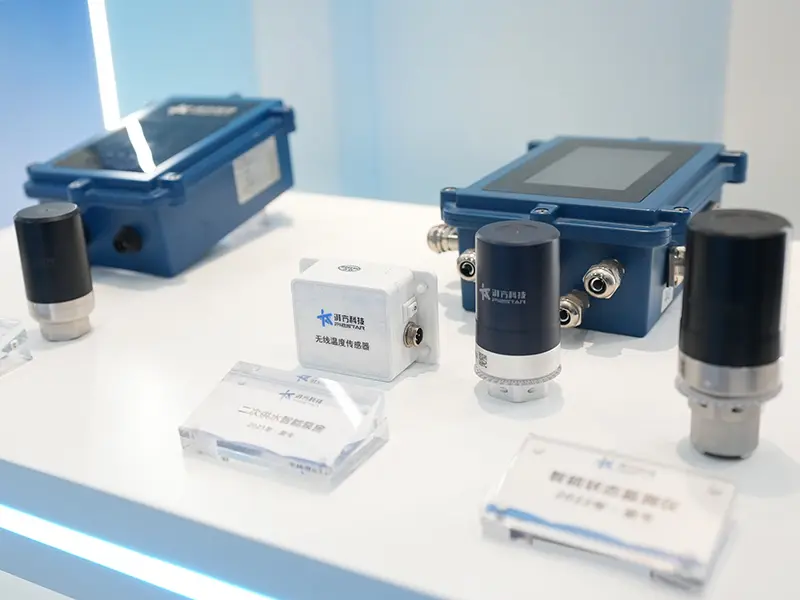
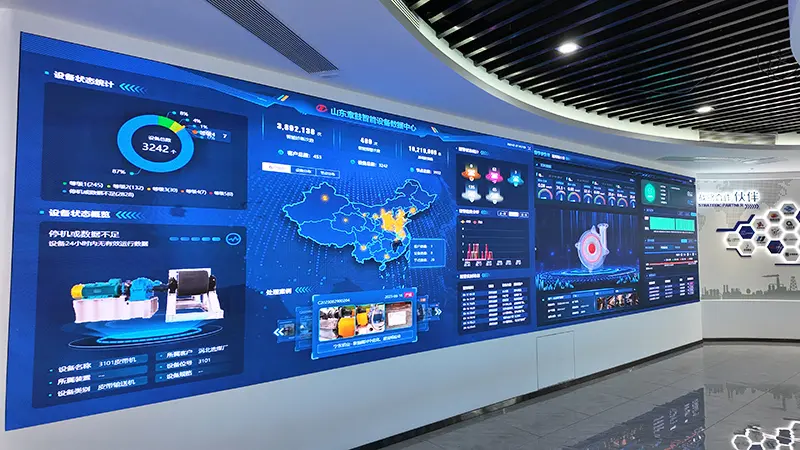
Integrating acoustic emissions sensors, real-time vibration analyzers, and temperature probes directly onto the blower casing. Continuous diagnostic data feeds back to a central control unit (PLM/CAPP system), facilitating predictive maintenance modeling to prevent failure modes.
ZCBC has assembled a robust scientific research team comprised of engineering experts enjoying the Chinese State Council's special allowances, provincial and municipal technical research specialists, and doctoral experts introduced via Jinan City's "5150" program. The company operates a dedicated "postgraduate workstation" and has engaged more than 10 external national and international experts to guide technology development.
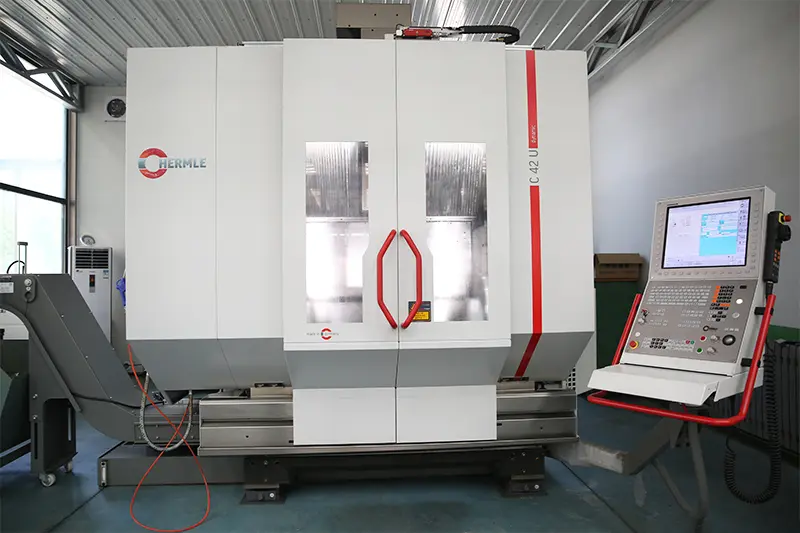
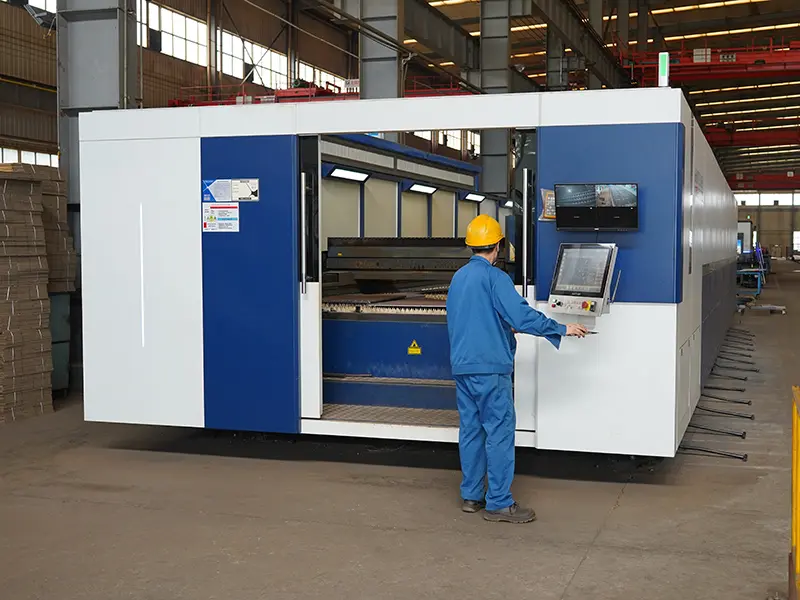
We maintain collaborative partnerships with Tsinghua University, Xi'an Jiaotong University, China University of Mining and Technology, and Shandong University, providing a foundation for ongoing engineering and aerodynamic breakthroughs. Our manufacturing centers employ advanced testing facilities, utilizing CNC machining centers, five-axis machining centers, coordinate measuring machines (CMM), and ultrasonic flaw detectors imported from Japan and Germany to guarantee precision.
For product lifecycle support, ZCBC employs state-of-the-art PLM (Product Lifecycle Management) software, computer-aided manufacturing (CAM), and CAPP (Computer-Aided Process Design) technology to expedite custom engineering requests. For instance, our design team can deliver customized CAD files and 3D design confirmations within 24 hours of receiving a client's project draft.
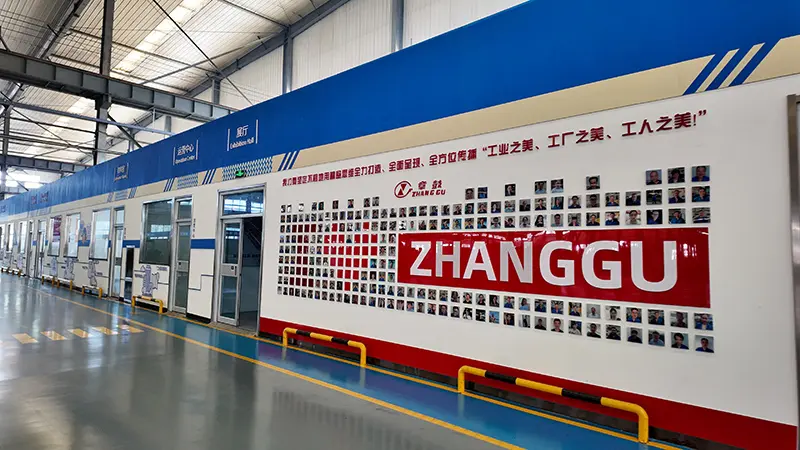
"Cohesion produces strength, unity brings glory. Success is just a comma, the highest mountain is always in ZhangGu people's mind..."
ZCBC values structural human management. By building an environment of trust and mutual development, our team maintains high operational standards. We focus on:

Providing expert solutions to industry-specific engineering inquiries
Complete mechanical product line including cast-iron blowers, dry bulk pneumatic delivery units, and high-durability slurry pumps.
 Zhangqiu