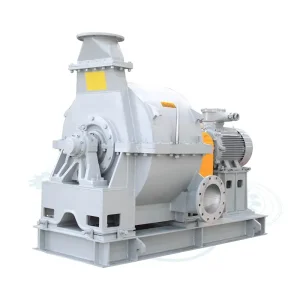
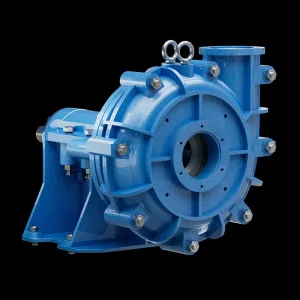
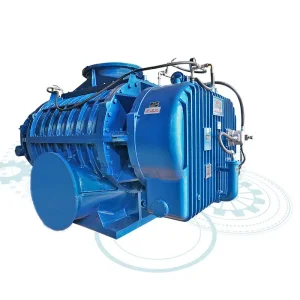
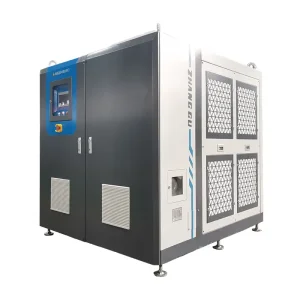
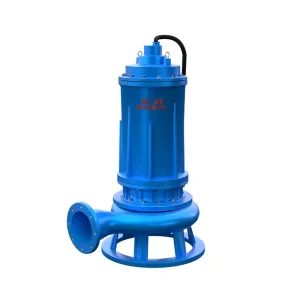
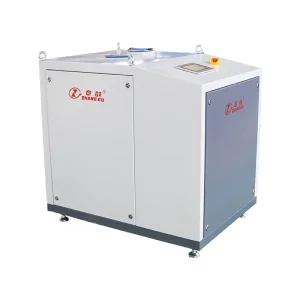
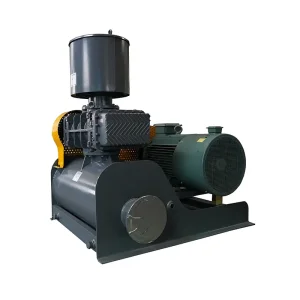
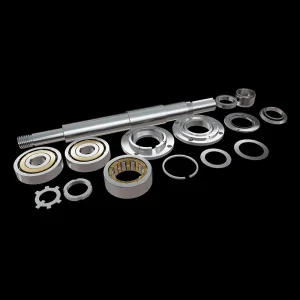
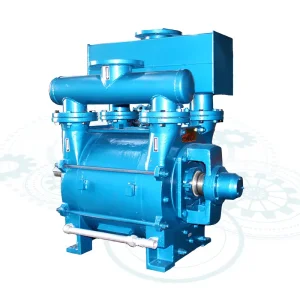
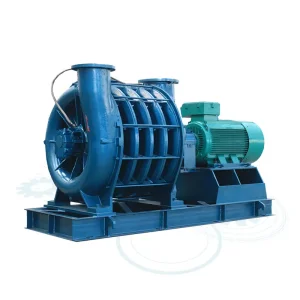
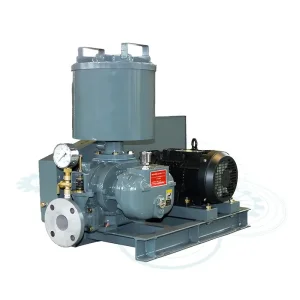
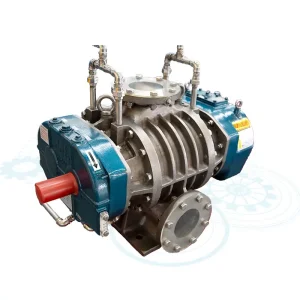
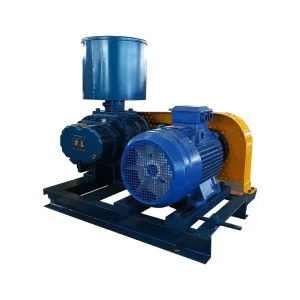
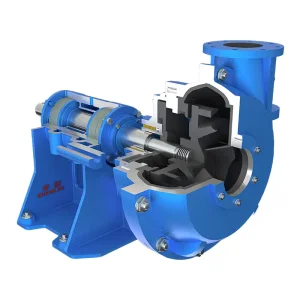
Engineered for maximum reliability and continuous operation in demanding heavy industrial systems
In modern heavy industries—ranging from mineral beneficiation and coal processing to mining operations and chemical transport—slurry pumps operate under continuous, severe hydraulic impact and abrasion. The Rear Wear Plate (also frequently classified as the frame plate liner insert or throatbush backing plate) acts as the critical defense shield for these high-wear systems. In severe-duty pump designs, the rear wear plate takes the direct brunt of fluid dynamic friction, solid particle impacts, and localized chemical attacks.
Without high-grade rear protection plates, slurry pump casings degrade rapidly, leading to catastrophic equipment failure, unscheduled downtime, and astronomical replacement costs. Globally, the demand for highly alloyed and structural ceramic wear plates has grown exponentially, driven by the expansion of deep-sea mining, tailing reclamation, and copper-gold concentration facilities in South America, Australia, and Africa.
Modern applications require advanced material compositions. Today's manufacturing relies heavily on high-chromium white cast irons (e.g., ASTM A532 Class III Type A), duplex steels, elastomeric compounds, and silicon carbide-matrix ceramic inserts. These materials guarantee that protection plates stand up to abrasive velocities exceeding 30 m/s in heavy mining circuits.
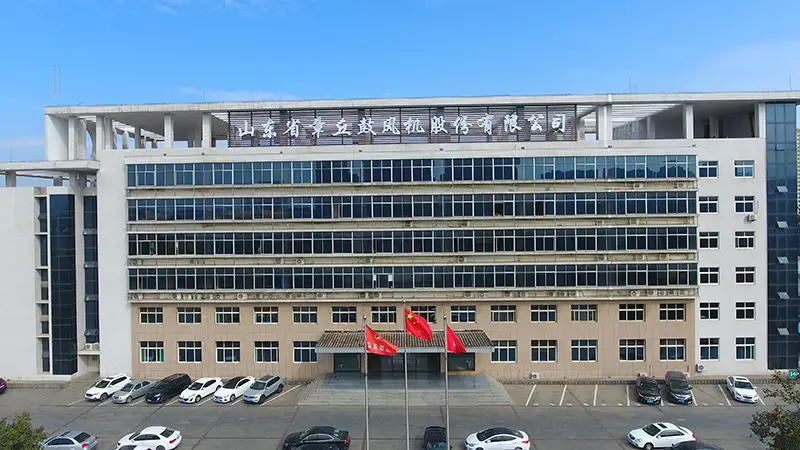
Shandong Zhangqiu Blower Co., Ltd. (formerly known as Shandong Zhangqiu Blower Works) is a prestigious publicly-listed company (Stock Code: 002598 on Shenzhen Stock Exchange) with over 50 years of design, manufacturing, and field experience. As a leading pioneer in China's industrial blower and pump industry, the company has established two Sino-Japanese joint ventures and an active branch in the United States, becoming the first enterprise in China's blower sector to successfully establish an overseas footprint.
Overall Developing Strategy: "Develop main business, pioneer new fields and innovate, cooperate to be a great company."
Working Concept: "Do the best."
Under the strategic leadership of Chairman Fang Rungang since 1997, the company transitioned into a highly modern powerhouse integrating the design, manufacture, and sales of Roots Blowers, Centrifugal Blowers, Fans, Industrial Pumps (such as slurry pumps and desulfurization pumps), Pneumatic Conveying Systems, MVR Evaporative Systems, and Industrial Wastewater Treatment solutions.
In 2005, the company relocated to a newly built, high-standard modern industrial park. This facility spans 430,000 m² and is outfitted with complete heavy manufacturing infrastructure. This move facilitated rapid integration of global joint ventures and laid the foundation for the company's leap-forward development. By 2020, Zhang Drum realized an operating income of 1.5 billion yuan and a profit of 150 million yuan. Today, the organization oversees 20 holding companies and operates four manufacturing bases in Wuxi (Jiangsu), Dongguan (Guangdong), Chenzhou (Hunan), and Jinchang (Gansu), along with four dedicated R&D centers in Beijing, Shanghai, Shijiazhuang, and Wuxi.
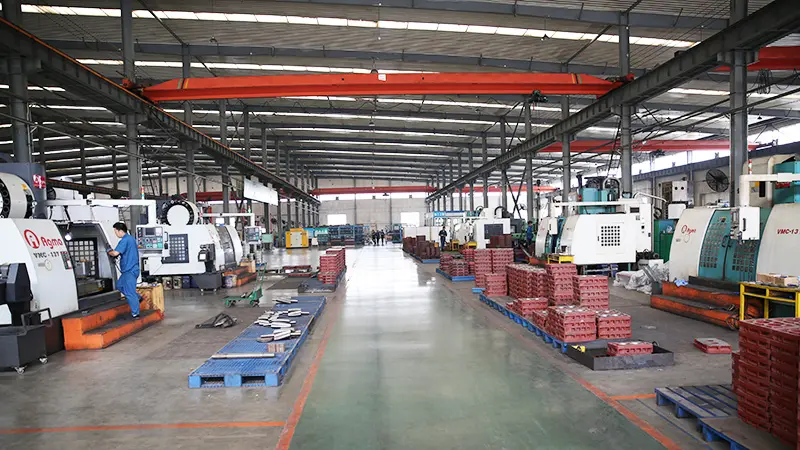
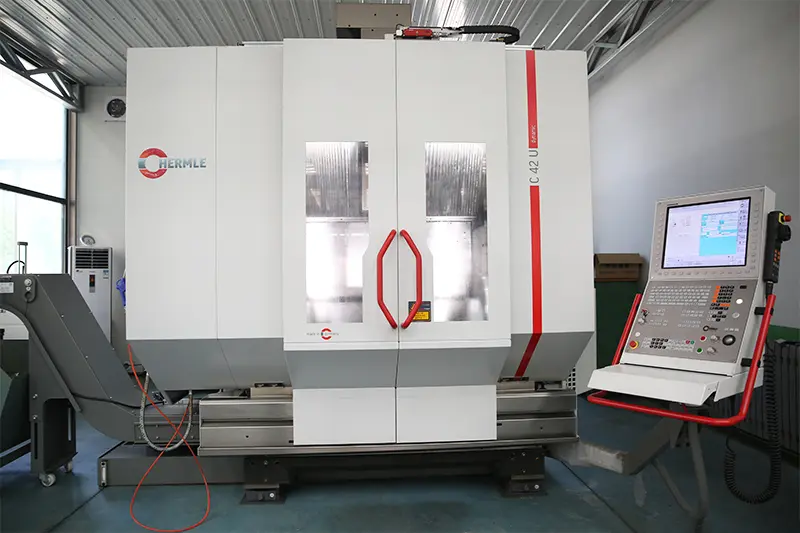
Our commitment to quality is driven by extensive technological investments. We maintain a first-class product development and testing center, which features advanced analytical instruments and physical performance testing facilities. With nearly 100 sets of advanced machinery—including Japanese and German CNC machining centers, 5-axis machining systems, 3-axis coordinate measuring machines, CNC lathes, and non-destructive ultrasonic flaw detectors—we maintain high machining tolerances for every protection plate and pump spare part.
We leverage advanced Product Lifecycle Management (PLM), Computer-Aided Process Design (CAPP), and computer-aided testing (CAT) to optimize development cycles and guarantee part interchangeability in the field.
Backed by 69 authorized patents (including 5 invention patents) and 2 software copyrights, we provide advanced solutions for fan anti-sticky wear, countercurrent cooling, noise reduction, and smart operations.
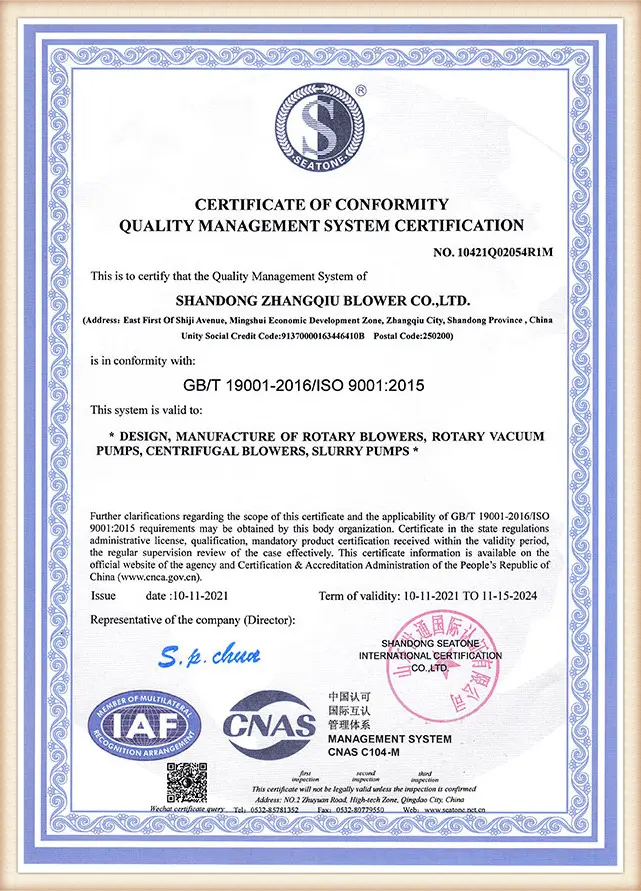
Our facilities are certified under ISO9001, ISO14001, ISO50001, and ISO10012, and our mining-specific products hold CE, 3C, and national Safety Certificates for Mining Products.
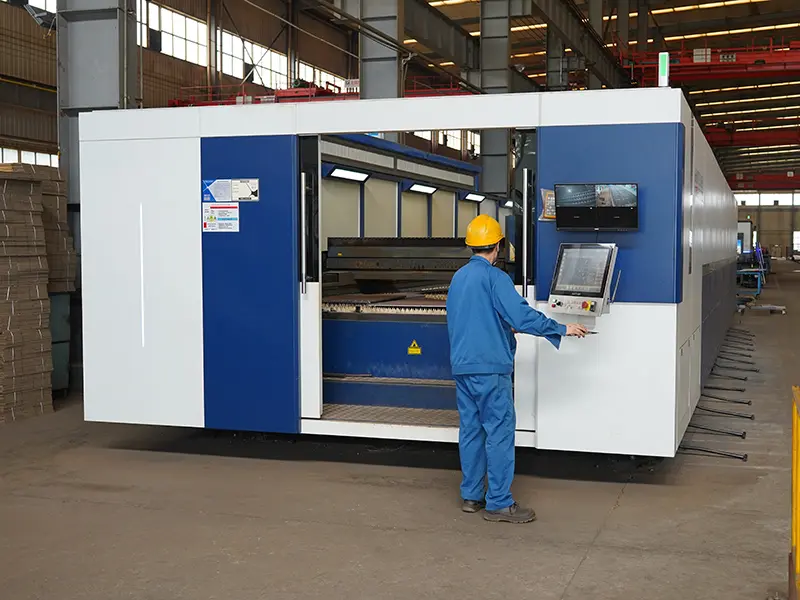
To maintain our technological edge, we have built an elite research and development team consisting of senior experts receiving State Council special allowances, PhDs introduced via Jinan’s "5150" program, and dedicated researchers. We also host a "Postgraduate Workstation" and collaborate closely with prestigious institutions such as Tsinghua University, Xi'an Jiaotong University, China University of Mining and Technology, and Shandong University to develop next-generation wear-resistant alloys and smart wear diagnostics.
Within a slurry pump, the rear wear plate is exposed to high-velocity erosion-corrosion. This process involves the synergistic action of mechanical wear and chemical attack. To resolve this issue, our metallurgy division focuses on developing high-performance alloys and composite structures designed to match specific operating conditions:
For highly abrasive applications with neutral pH levels, we use high-chromium alloys with chromium contents ranging from 24% to 28%. The microstructure of these alloys features hard, eutectic M7C3 carbides embedded within a martensitic matrix. This configuration provides a hardness rating of up to 65 HRC, protecting the plate against micro-ploughing and cutting from silica sands, iron ores, and granite tailings.
In acidic mining applications or phosphoric acid processing, chemical corrosion accelerates wear. For these environments, we manufacture rear protection plates from duplex stainless steels (such as CD4MCu or SAF 2507). These materials establish a passive chromium oxide layer that prevents acid corrosion, while their dual-phase structure offers the mechanical strength needed to resist particle erosion.
For applications handling fine, highly abrasive slurries, we utilize ceramic-matrix composites (SiC). Solid silicon carbide tiles are hot-isostatically pressed and bonded directly to high-strength ductile iron backings. These ceramic inserts offer hardness levels exceeding 90 HRC, resulting in service lifetimes up to 3 to 5 times longer than traditional alloys in extreme mining applications.
Our dedicated design team provides full 3D modeling and CAD drawings within 24 hours of receiving customer specifications. This service ensures precise retrofitting for international pump models, simplifying field maintenance and reducing downtime.
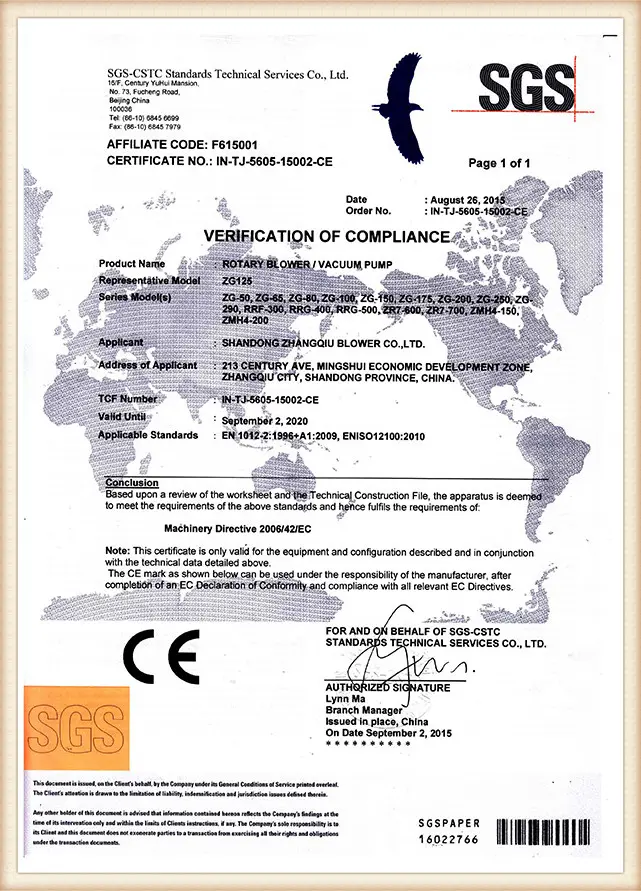
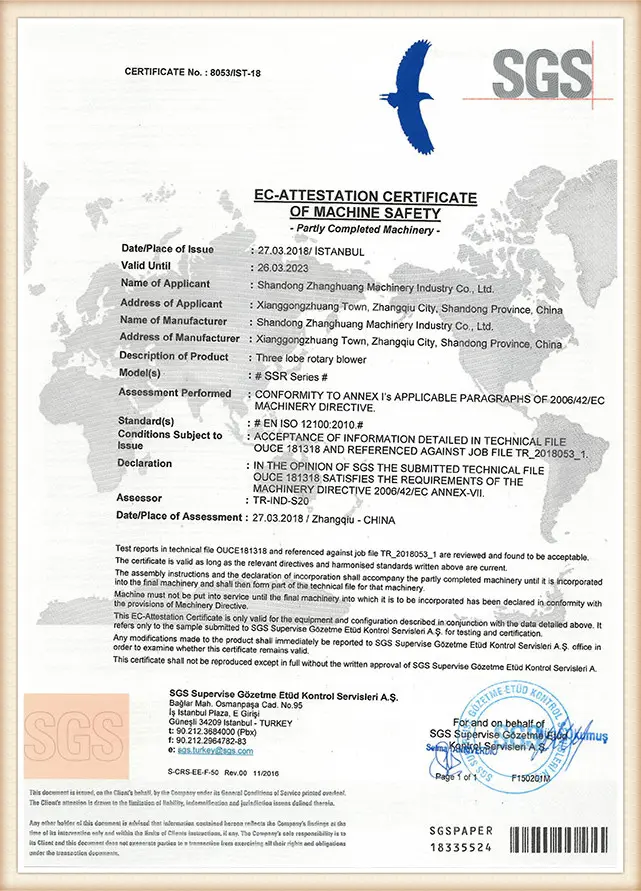
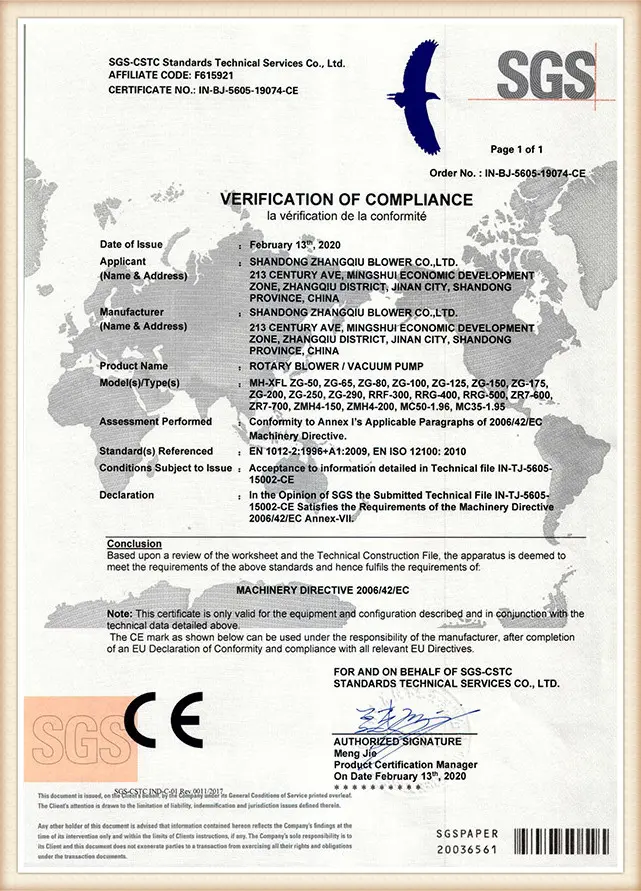
Our rear wear plates and slurry pump spare parts are engineered for demanding industrial operations globally:
In flotation circuits handling gold, copper, and iron ores, our high-chromic wear plates withstand continuous impact from coarse materials, protecting the pump casing and extending continuous runtime.
Power plants face high corrosion from gypsum slurries containing high chloride concentrations. Our duplex alloy and polymer-backed protection plates resist chemical corrosion and slurry abrasion, maintaining continuous operation.
Processing plants move dense slurry matrices under high pressures. Our precision-engineered wear plates minimize backflow leakage and internal turbulence, improving total pump efficiency.
To support global mining and industrial operations, we operate a dedicated foreign trade subsidiary alongside our US branch. We export high-precision wear components and pumping systems to over 70 countries, including the United States, Germany, Italy, Japan, and Australia. This extensive sales network ensures rapid spare parts availability and technical support directly to local mining sites and industrial hubs.
Our research division is currently developing several next-generation wear technologies:
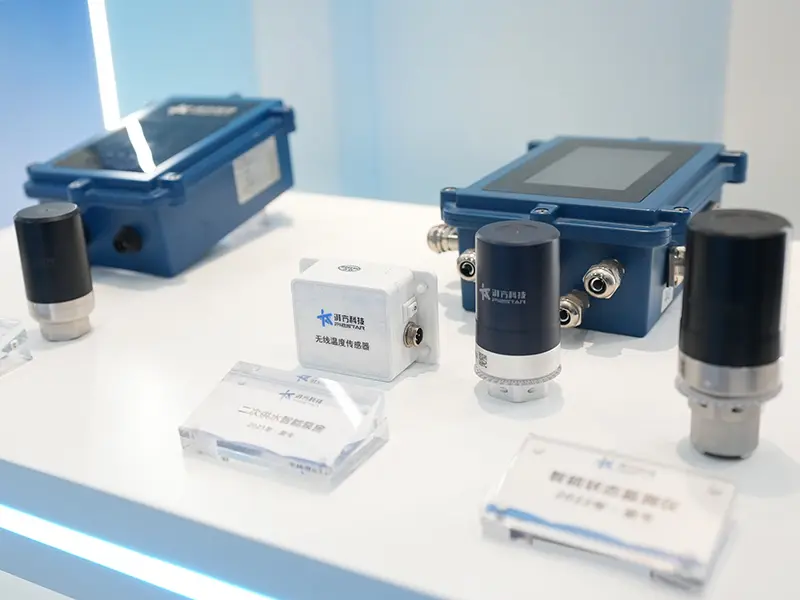
We are integrating micro-sensors into the backing structure of our protection plates. These sensors measure real-time thickness and transmit data to central control rooms, enabling predictive maintenance before wear leads to failure.
We are optimizing high-chrome alloy compositions to reduce heavy cobalt and nickel concentrations, lowering carbon footprints while maintaining equivalent hardness and toughness values.
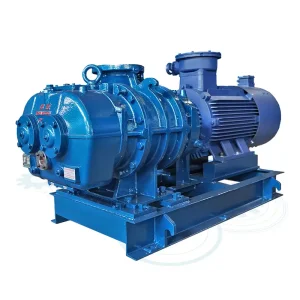
Engineered for high-volume gas delivery, deep vacuum generation, and chemical process control
 Zhangqiu