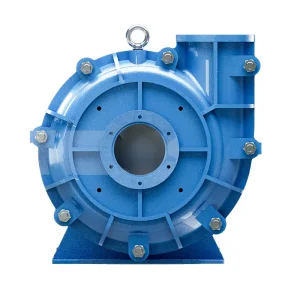
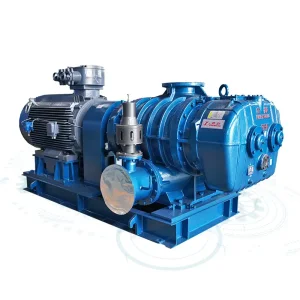
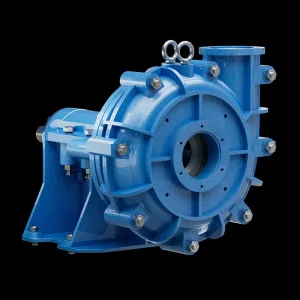
Engineered Core Equipment for Global Heavy Industries, Process Sectors, and Fluid Handling Utilities
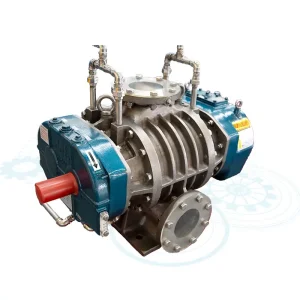
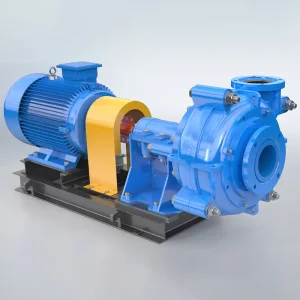
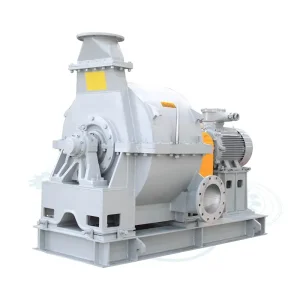
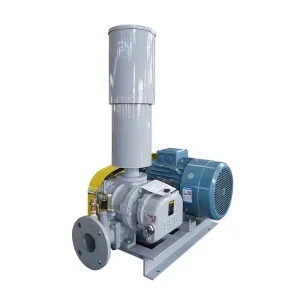
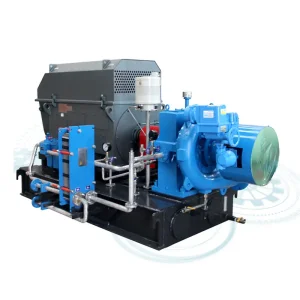
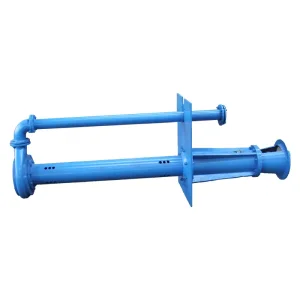
In large-scale industrial combustion boilers, waste-to-energy (WtE) installations, and thermal processes, the optimization of combustion metrics is paramount. Secondary Air Fans (SAFs) perform a critical thermodynamic function, providing the essential turbulent oxygen flow (overfire air or secondary air) needed to guarantee complete, stoichiometry-balanced combustion. By injecting high-velocity air streams downstream of the primary burner zone, these specialized industrial blowers prevent the synthesis of carbon monoxide, minimize unburnt carbon residues in the fly ash, and crucially regulate furnace temperature boundaries to decrease nitrogen oxide (NOx) formations.
As decarbonization targets and strict air emission guidelines reshape the power generation and chemical manufacturing landscapes, secondary air system design is no longer just an auxiliary consideration. Today, procurement officers and engineering directors evaluate secondary air fans through the prism of variable aerodynamic output, wear-resistant impeller metallurgies, and long-term energy operational profiles.
Understanding the Shifts toward Clean Combustion, Smart Controls, and High-pressure Aerodynamic Performance
Global environmental mandates, such as the EU Industrial Emissions Directive and the US Clean Air Act, have forced boiler systems to run staged combustion profiles. Modern secondary air systems must operate at higher pressure differentials to ensure optimal mixing within the combustion chamber, resulting in ultra-low emissions.
Fixed-speed operations are being phased out in favor of Variable Frequency Drive (VFD) controls integrated with real-time combustion gas analyzer networks. Fans must quickly adjust flow rates to handle varying fuel qualities, which is especially important for biomass and waste-to-energy facilities.
In thermal recycle setups, flue gases are reintroduced back into the combustion path. Impellers must be fabricated from advanced alloys (such as Hastelloy, specialized duplex stainless steels, or fitted with stellite hard-facing overlays) to resist sulfur, chloride attacks, and abrasive fly ash particles.
Additionally, computational modeling through CFD (Computational Fluid Dynamics) has become standard practice among leading manufacturers. System integration must focus on total operational efficiency, reducing parasitic energy draws on the plant itself.
Founded as Shandong Zhangqiu Blower Works and backed by over 50 years of blower design, manufacture technology, and operational experience, Shandong Zhangqiu Blower Co., Ltd. (ZCBC) stands as a prominent market force. Listing on the Shenzhen Stock Exchange (Stock Code: 002598) in 2011 marked a milestone in its strategic global expansion. The company operates two Sino-Japanese Joint Ventures and established a dedicated USA branch, cementing its position as a global leader in high-performance airflow machinery.
Under the operational philosophy of "Develop main business, pioneer new fields and innovate, cooperate to be a great company" and guided by the performance pledge "Do the best," ZCBC has scaled its footprint dramatically. By 2020, the parent company achieved an operating income of 1.5 billion yuan with profits of 150 million yuan. Today, the corporation holds 20 distinct subsidiaries and manages four sophisticated manufacturing hubs located strategically in Jiangsu Wuxi, Guangdong Dongguan, Hunan Chenzhou, and Gansu Jinchang, supported by dedicated R&D bases in Beijing, Shanghai, Shijiazhuang, and Wuxi.
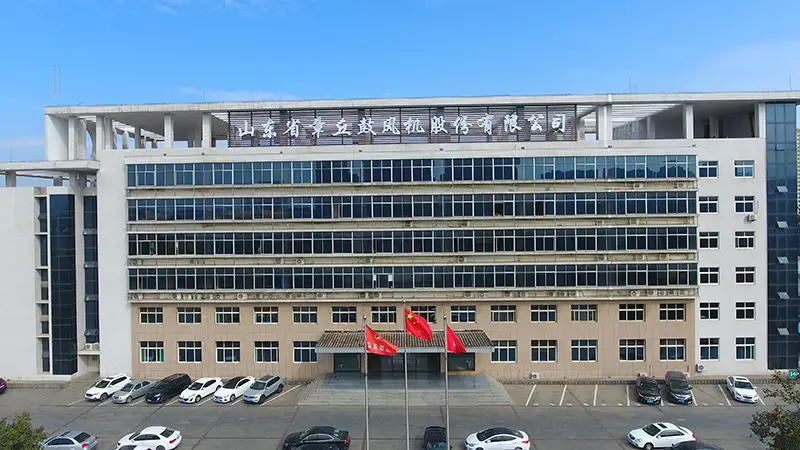
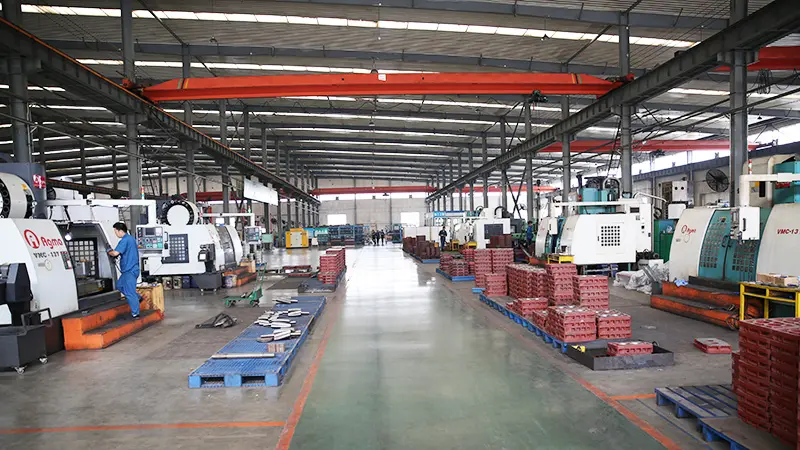
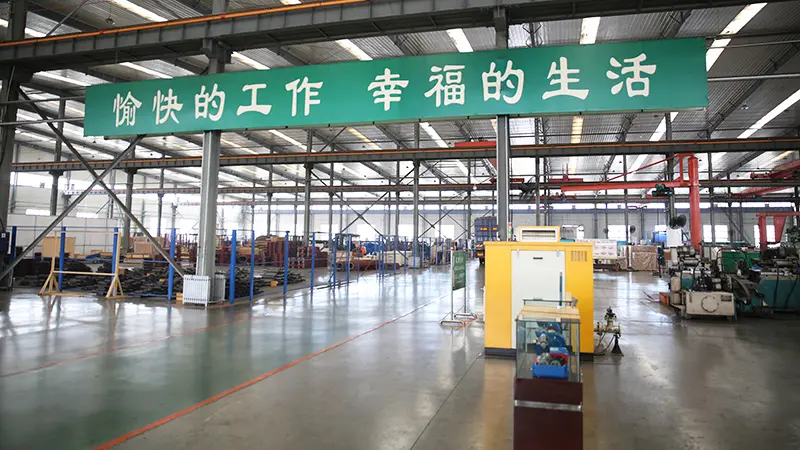
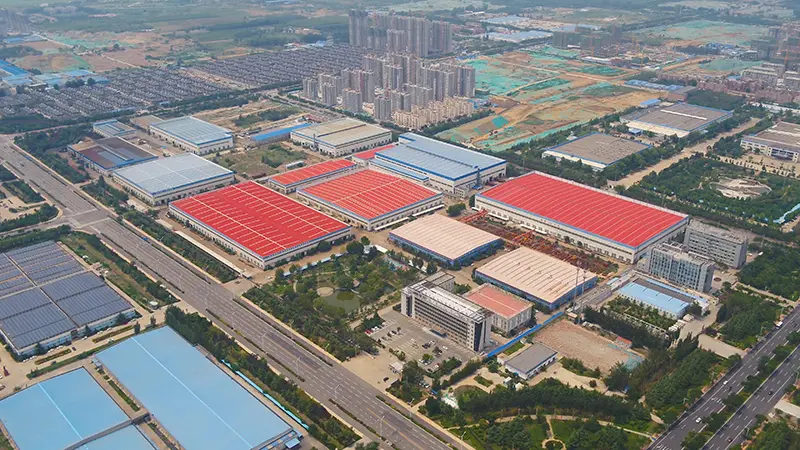
ZCBC's state-of-the-art industrial park, built in 2005, spans 430,000 square meters, providing a world-class manufacturing infrastructure. As the primary drafting organization of China's national standards for Roots Blowers, ZCBC ensures all industrial solutions, from high-capacity Roots Blowers and centrifugal process blowers to critical combustion air fans, adhere to strict quality regulations.
Modernized Production Methodologies Lowering Total Cost of Ownership and Accelerating Project Delivery
At ZCBC, the integration of Industry 4.0 paradigms translates directly into competitive advantages for international purchasers. Through the systematic adoption of Product Lifecycle Management (PLM) frameworks, Computer-Aided Manufacturing (CAM) technologies, Computer-Aided Process Design (CAPP), and automated Computer-Aided Testing (CAT), the design-to-delivery lifecycle is minimized while manufacturing precision is elevated.
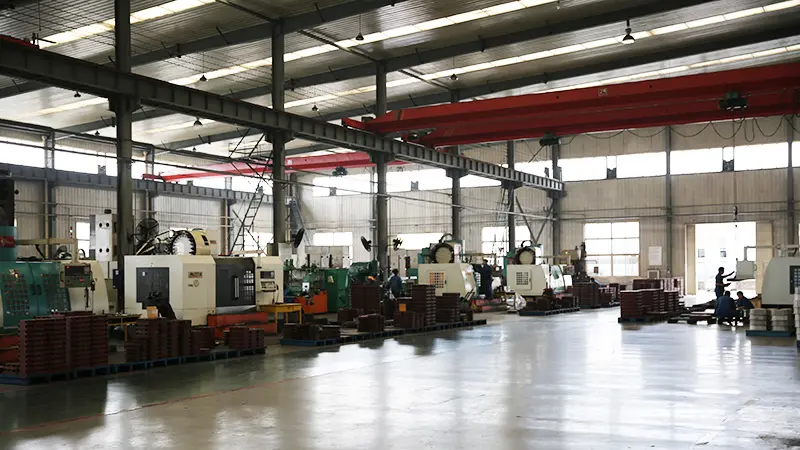
The production floors house nearly 100 sets of advanced processing and inspection assets, including CNC machining centers, five-axis machining interfaces, three-coordinate coordinate measuring machines (CMM), and specialized ultrasonic flaw-detection units imported from Germany and Japan. This array of technologies guarantees that every impeller, shaft, and casing conforms to design specifications.
| Technology Framework | System Elements | Procurement Benefit |
|---|---|---|
| PLM (Product Lifecycle Management) | Global tracking, engineering revision control, modular architecture | Ensures perfect documentation and exact spare part replacement for decades. |
| Advanced 5-Axis Machining | Imported high-speed machining centers (Germany/Japan) | Precision dynamic balance, minimizing mechanical vibration and noise. |
| CAPP & CAT Information Technology | Automated process planning, digital test beds | Guaranteed performance test records prior to site shipment. |
| Dynamic Supply Chain Clustering | Interlinked manufacturing bases (Wuxi, Dongguan, Chenzhou, Jinchang) | High resilience against local supply shortages and streamlined logistics. |
This level of technological integration ensures supply chain resilience. While global logistics networks face volatility, ZCBC utilizes its internal sourcing channels, raw material stockpiles, and multi-region production facilities to guarantee consistent production timelines. As a result, global EPC contractors can maintain project delivery dates, even during fluctuating market conditions.
Critical Engineering and Commercial Requirements for Modern Industrial Fan Purchasing
For international applications, certifications are non-negotiable. Modern manufacturers must support ISO9001 (Quality Management), ISO14001 (Environmental Stewardship), ISO50001 (Energy Efficiency Optimization), CE compliance marks, and Mining Product Safety certifications to integrate into industrial complexes.
EPC bidding processes demand high-fidelity documentation. Procurement departments require 3D modeling files, structural drawings, and speed/torque curves quickly. ZCBC's professional design team delivers CAD and 3D files within 24 hours of receiving parameters, reducing engineering delays.
Combustion air systems must support continuous operation between scheduled plant overhauls. Buyers prioritize heavy-duty structural designs, self-lubricating oil reservoirs, advanced cooling systems, and double mechanical seals to extend Mean Time Between Failures (MTBF).
Tailored Aerodynamic Solutions across Demanding Industrial Environments
Municipal waste combustion is dynamic, presenting challenges such as highly variable moisture content and volatile gas emissions. In these applications, Secondary Air Fans are critical. They must introduce precise quantities of oxygen over the grate system to achieve complete thermal degradation of toxic compounds (such as furans and dioxins). System designs require acid-resistant coatings on the impellers and casing to withstand chlorine and sulfur compounds in the air stream.
In CFB boilers, the bed material must remain fluid. Primary air provides fluidization, while secondary air is injected at multiple elevations above the bed. This configuration ensures staged combustion, reducing thermal NOx formation. The secondary air fan must deliver high pressure to penetrate the dense bed gas environment, requiring robust single-stage or multi-stage centrifugal systems designed for reliable operation under high static pressures.
Cement processing kilns demand high heat inputs. Pre-calciner vessels burn coal or alternative fuels using secondary and tertiary combustion air drawn from the clinker cooler. The fan systems must handle hot, abrasive clinker dust-laden air, requiring wear-resistant engineering treatments like chromium carbide cladding and dust extraction seals to maintain system reliability.
Practical Industrial Insights for System Operators and Procurement Engineers
Robust Components Engineered for Slurry Handling, Air Systems, and Plant Services
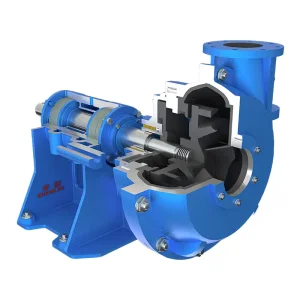
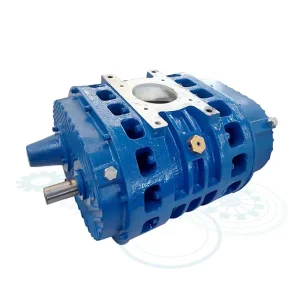
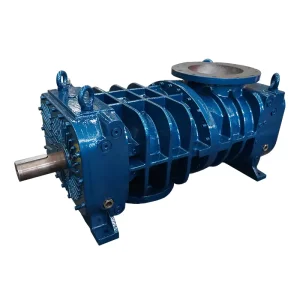
Selecting a secondary air fan requires balancing performance requirements with plant footprint constraints. ZCBC utilizes dynamic testing equipment, advanced metallurgical modeling, and an integrated supply chain to support your project from design to installation. Contact our engineering team today to receive a complete 3D proposal within 24 hours.
Let ZCBC help you optimize combustion performance, reduce emissions, and lower operational costs.
 Zhangqiu