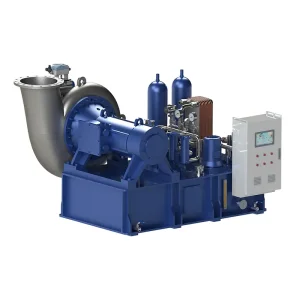
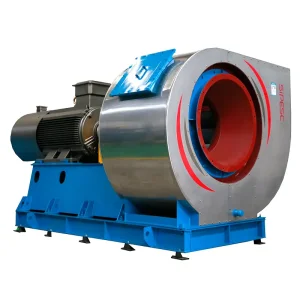
Within high-performance industrial ventilation and gas transportation, selecting the correct blower technology defines the thin line between operational efficiency and systemic energy drains. Centrifugal blowers, specifically those configured with backward curved impellers, represent the pinnacle of fluid dynamic engineering. These systems are designed with blades that curve away from the direction of rotation, enabling them to convert kinetic energy into static pressure with outstanding mechanical efficiency.
Unlike forward curved alternatives, backward curved blowers provide a non-overloading horsepower characteristic. This means that as system resistance drops and air volume increases, the motor power demand levels off rather than rising exponentially, protecting critical electrical components from catastrophic overload failures. Choosing an elite backward curved blower manufacturer requires evaluating mechanical precision, raw materials compliance, computational fluid dynamics (CFD) optimizations, and long-term operating durability.
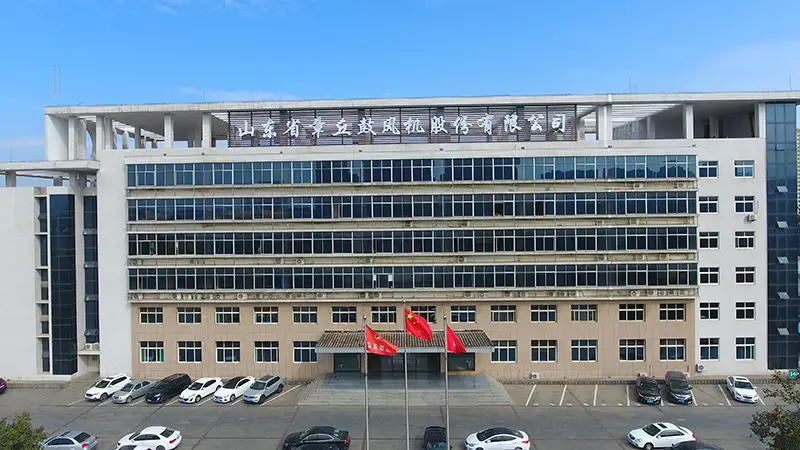
Shandong Zhangqiu Blower Co., Ltd. (formerly known as Shandong Zhangqiu Blower Works) is a publicly listed engineering pioneer (Stock Code: 002598 on Shenzhen Stock Exchange since July 7, 2011) with over half a century of blower design, manufacturing technology, and operational experience. From our humble beginnings, ZCBC has emerged as the executive director unit of the China General Machinery Industry Association, the vice president unit of the Fan Branch of the China General Machinery Association, and the leading drafter of Chinese national standards for Roots blowers.
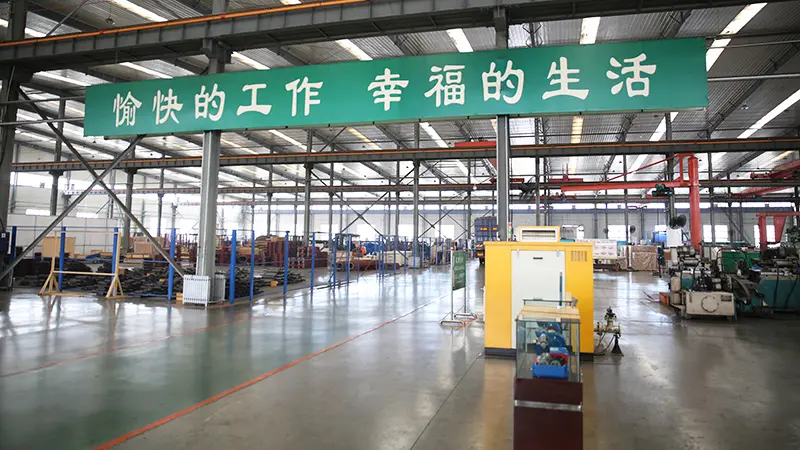
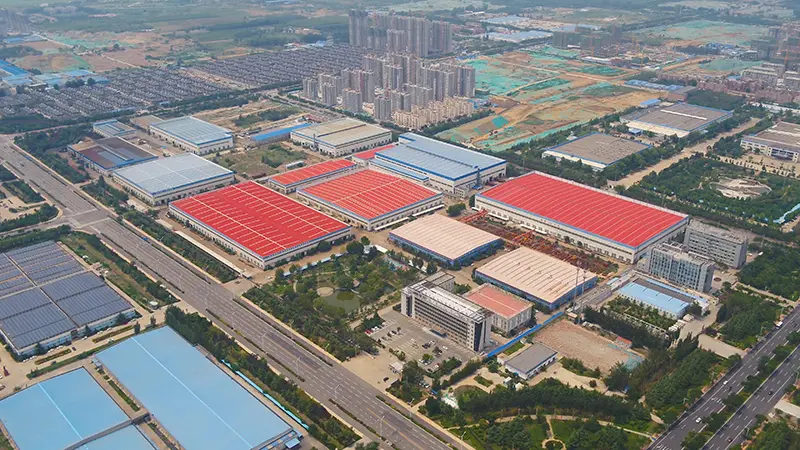
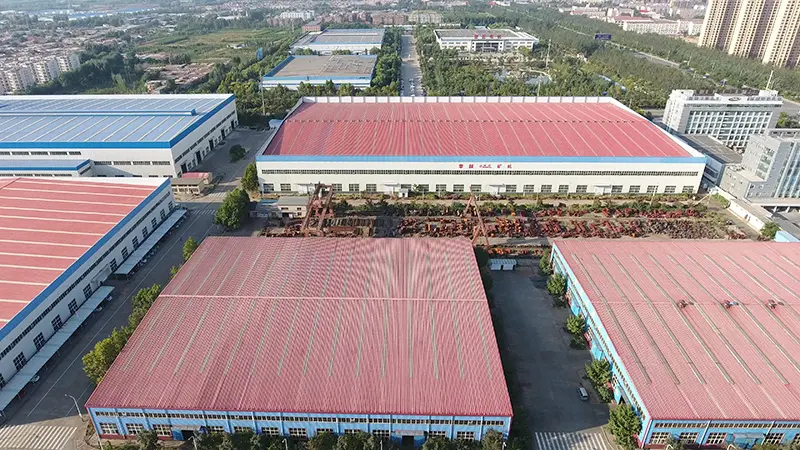
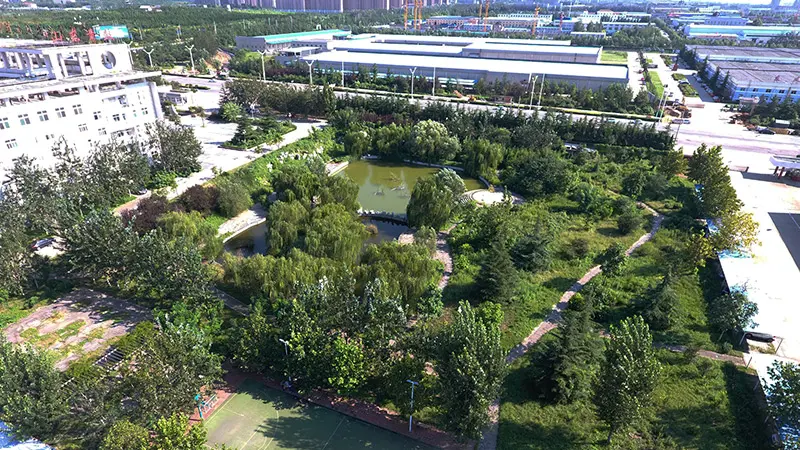
Guided by our overall development strategy, "Develop main business, pioneer new fields and innovate, cooperate to be a great company", and supported by our working concept of "Do the best", ZCBC operates a state-of-the-art high-standard modern industrial park established in 2005. Covering an expansive area of 430,000 square meters, our facilities host modern production lines, advanced research hubs, and extensive logistics systems designed for fluid technology development.
By the end of 2020, our parent company realized an operating income of 1.5 billion yuan with a profit of 150 million yuan (including holding companies). Today, ZCBC operates 20 holding companies and has established 4 manufacturing bases strategic to regional logistics: Jiangsu Wuxi, Guangdong Dongguan, Hunan Chenzhou, and Gansu Jinchang. To ensure localized technical development, we support R&D centers in 4 major scientific clusters: Beijing, Shanghai, Shijiazhuang, and Wuxi.
As the first enterprise in China's blower industry to establish an overseas branch, ZCBC has built two Sino-Japanese Joint-ventures and a dedicated subsidiary in the United States. This international structural foundation allows us to deliver engineering support to more than 70 countries and regions, including key markets across Europe, North America, and Southeast Asia.
The global demand for industrial air movement equipment is undergoing a massive shift towards aerodynamic efficiency, strict noise reduction standards, and intelligent operations. In the industrial blower market, backward curved systems are replacing older technologies due to three critical macroeconomic trends:
As international initiatives like the EU ErP Directive and US DOE regulations impose stricter minimum efficiency limits, backward curved impellers have become the primary choice for heavy industries. Offering static efficiency ratings up to 85%, these units reduce daily electricity consumption by up to 20% compared to typical forward curved and radial blade fans, direct-driven or belt-driven.
By leveraging back-slanted blade profiles, these blowers prevent air separation and boundary layer turbulence at high velocities. This significantly lowers aerodynamic noise levels. In urban and enclosed manufacturing facilities, utilizing low-noise backward curved blowers eliminates the need for expensive external sound insulation chambers.
Industrial processes requiring highly consistent air volumes under variable system resistances benefit from the steep pressure-to-flow curve of backward curved designs. It prevents surge conditions during fluctuations in filter clogging, bed height in combustion systems, or pipe routing configuration changes.
Backward curved blowers and advanced centrifugal fans serve as critical nodes in massive municipal and heavy industrial applications. As a full-service fluid technology partner, ZCBC provides comprehensive systems that integrate our blower machinery with other core industrial process lines:
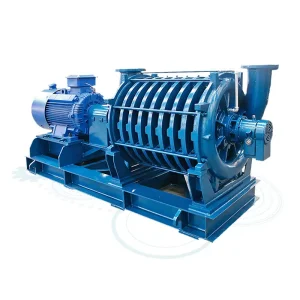
In municipal and industrial wastewater aeration, blowers run continuously, accounting for up to 60% of plant energy costs. ZCBC provides energy-saving multi-stage centrifugal blowers, PMSM turbo blowers, and magnetic suspension blowers to aeration basins, providing reliable oxygen transfer with minimal maintenance overhead.
Mechanical Vapor Recompression (MVR) relies on centrifugal compression to recycle latent heat from waste steam. ZCBC designs, manufactures, and commissions custom high-efficiency MVR evaporation systems that drastically lower heating energy requirements in chemical, pharmaceutical, and zero-liquid-discharge (ZLD) plants.
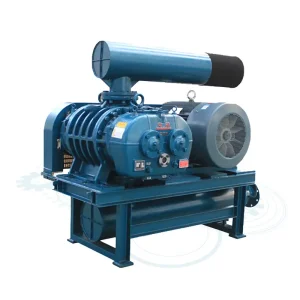
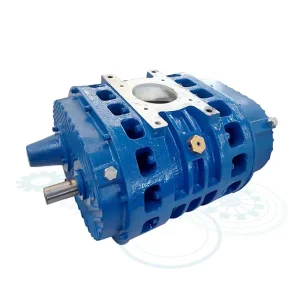
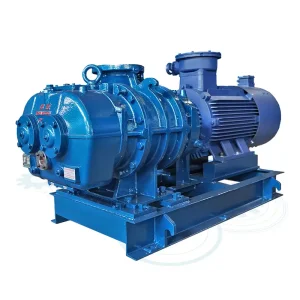
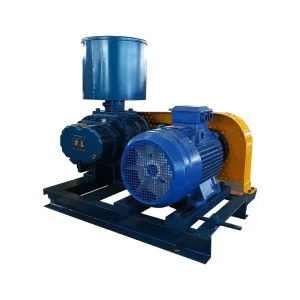
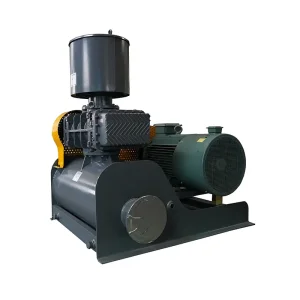
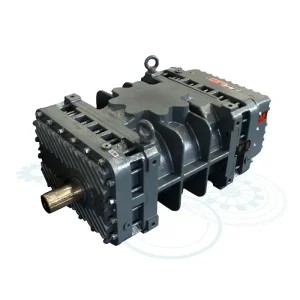
For chemical and food processing plants transferring bulk materials (powders, grains, pellets), ZCBC supplies complete positive and negative pressure pneumatic conveying systems. Backed by our robust Roots blowers, rotary feeders, and splitter valves, these systems ensure dust-free, high-capacity material transit.
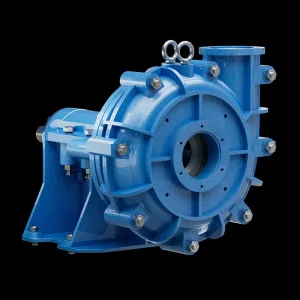
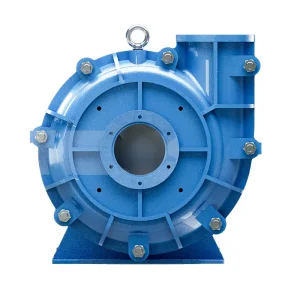
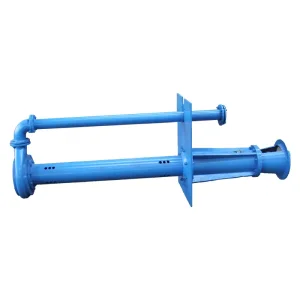
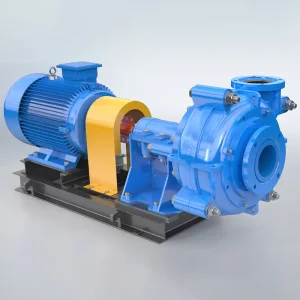
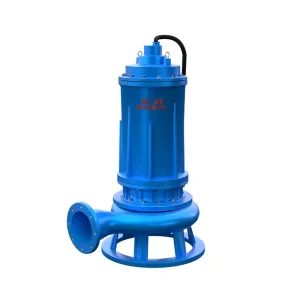
Aggressive slurry management in mining and desulfurization processes demands robust wear-resistant pumping. Through our TZJK-TD Ceramic Slurry Pumps and vertical submerged pumps, we deliver extreme resistance against abrasive media, preventing downtime and maintaining production continuity under severe conditions.
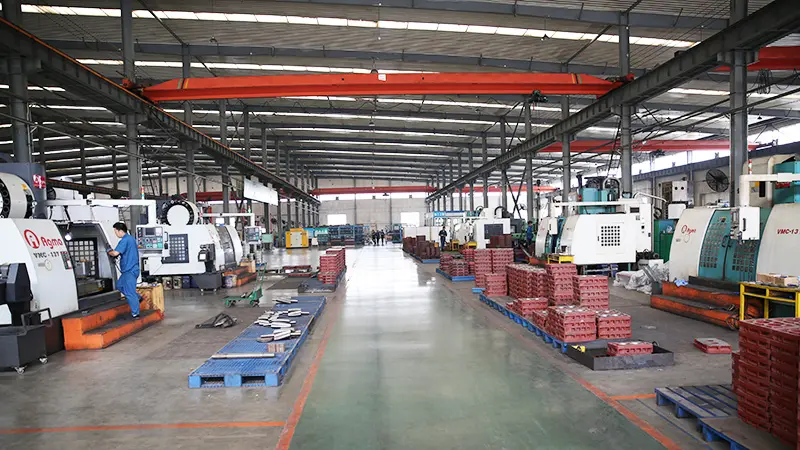
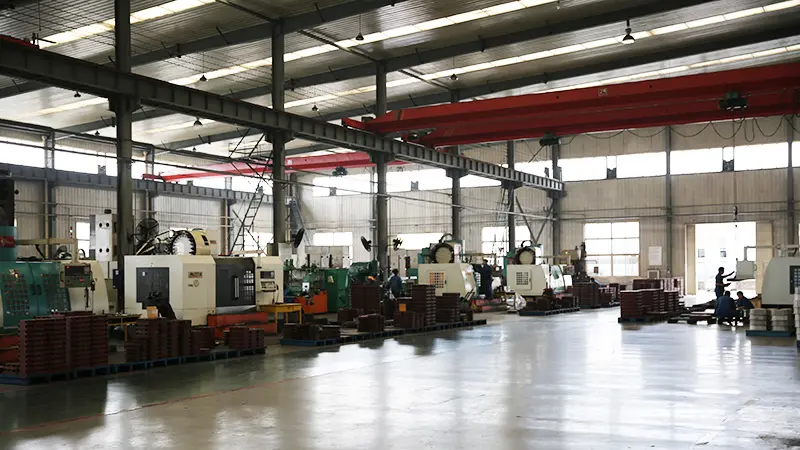
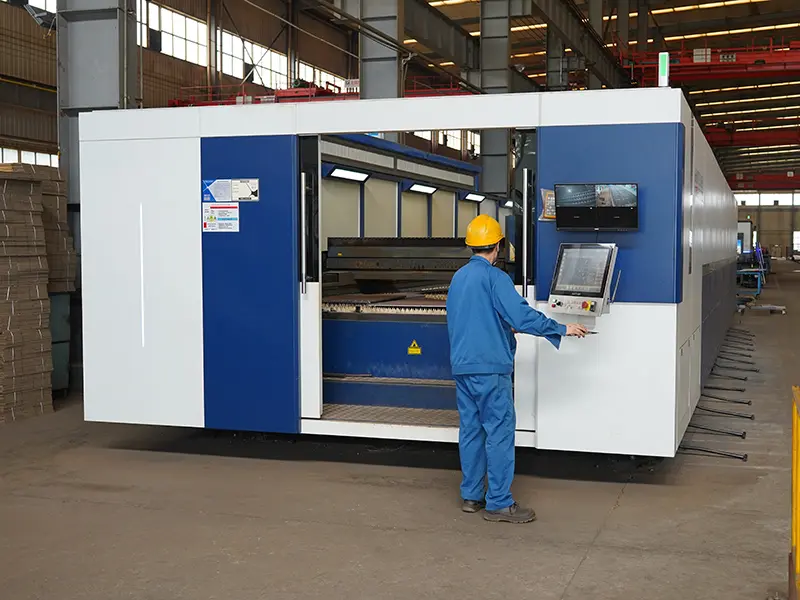
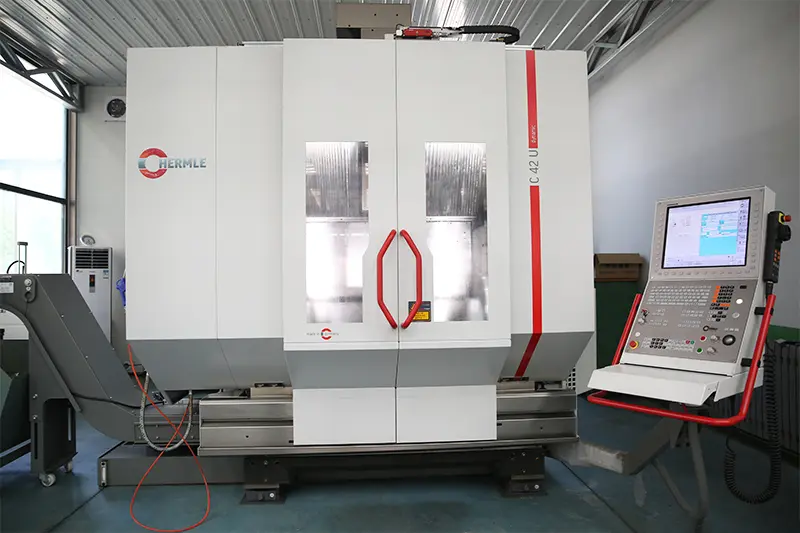
ZCBC's research and development capabilities are at the forefront of the domestic machinery industry. The company operates a provincial-level enterprise technology center equipped with a comprehensive suite of development, analysis, and material test systems. Our factories feature nearly 100 sets of advanced processing equipment, including CNC machining centers, five-axis machining centers, three-coordinate coordinate measuring machines (CMM), CNC lathes, and ultrasonic flaw detectors imported from Japan and Germany.
To reduce delivery times and improve engineering precision, ZCBC utilizes a comprehensive Product Lifecycle Management (PLM) system, Computer-Aided Manufacturing (CAM), Computer-Aided Process Planning (CAPP), and Computer-Aided Testing (CAT). Our engineering team can analyze custom requirements and supply 3D CAD models and system drawings within 24 hours of enquiry, ensuring rapid design confirmation.
Through continuous innovation, ZCBC has secured 69 patents (including 5 invention patents) and 2 software copyrights. Our proprietary designs include technologies for countercurrent cooling, blower noise reduction, anti-sticky wear protection, multi-stage tandem operations, smart blower monitoring, specialized sealing configurations, and grease lubrication systems.
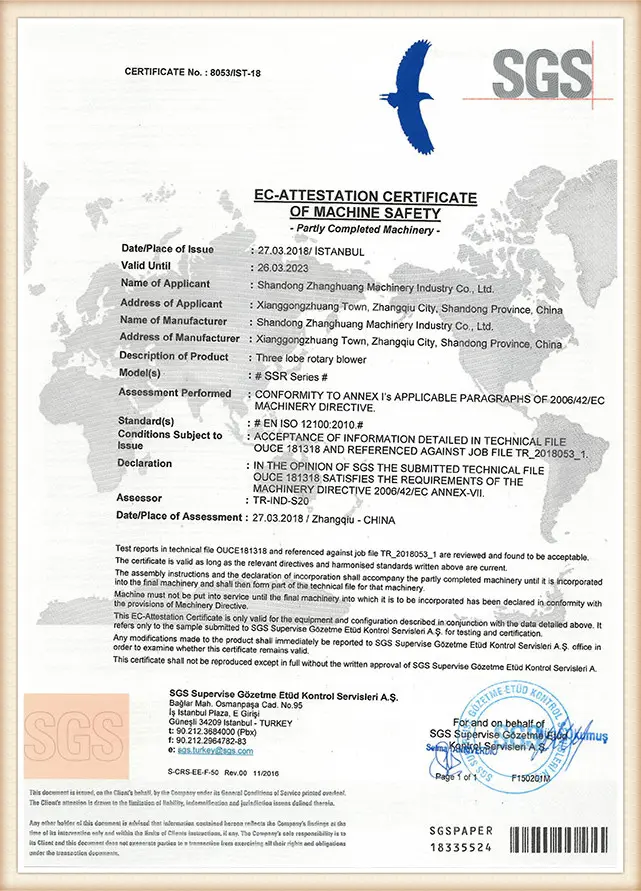
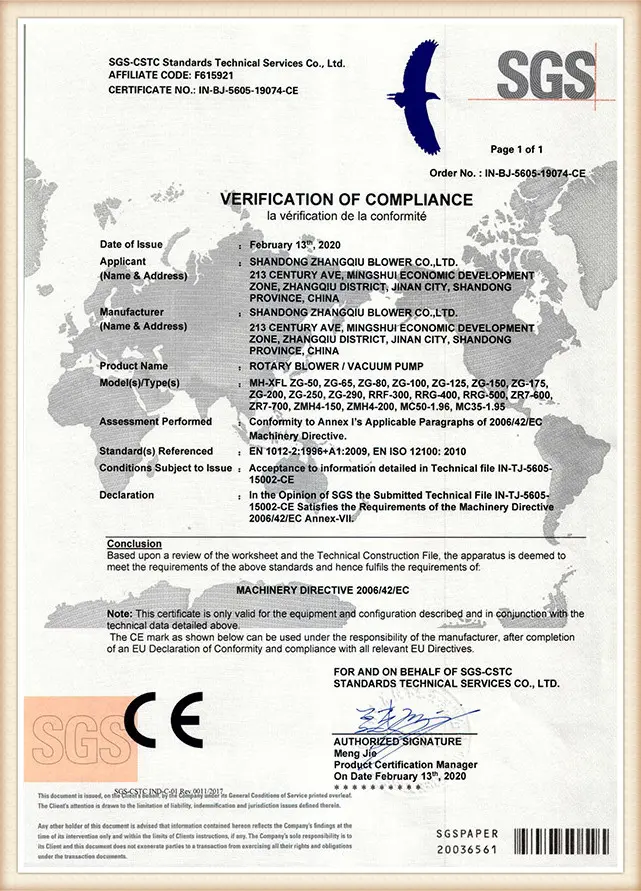
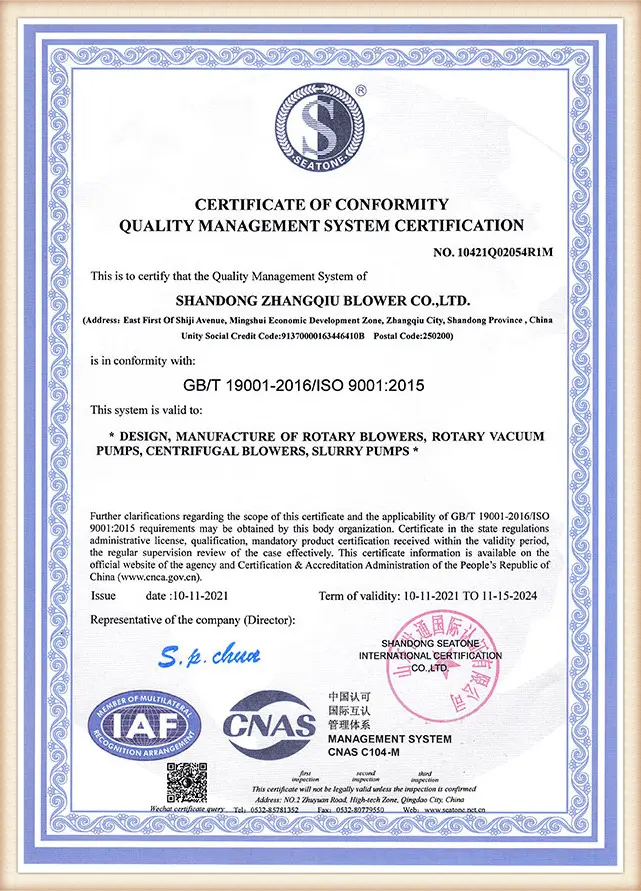
ZCBC is certified to the highest international quality, safety, and environmental standards:


We believe that "Cohesion produces strength, unity brings glory". Since 1997, under the guidance of our leadership team, ZCBC has focused on a people-oriented management philosophy. We treat the development of our human resources as a core strategy for corporate sustainability. We have established close scientific research relationships with top-tier academic institutions, including Tsinghua University, Xi'an Jiaotong University, China University of Mining and Technology, and Shandong University.
To nurture technical innovation, ZCBC maintains a dedicated "postgraduate workstation" and employs a scientific research team of national experts, engineering researchers, and PhDs introduced through municipal talent programs. In addition, we host more than 10 global technical consultants. This provides us with a robust foundation for product optimization, structural design, and field-specific troubleshooting.
We consider customers' needs thoroughly. ZCBC provides 3D drawings within 24 hours of draft submission, and supports complete customization options to match your piping alignments, ambient temperatures, and process gas compositions.
Our localized subsidiaries, joint ventures, and distribution networks ensure fast spare part availability, field maintenance support, and smooth customs processes across Europe, the USA, and Asia.
As we transition into an era dominated by industrial IoT, smart factories, and carbon neutrality goals, ZCBC's development roadmap focuses on integrating advanced technologies into our fluid machinery lines:
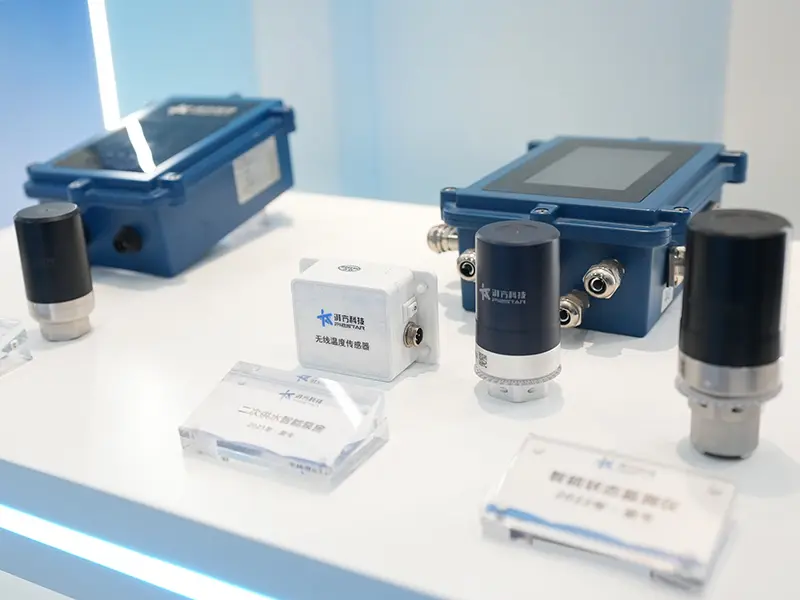
Integrating vibration sensors, temperature probes, and smart flow meters directly into the blower assembly. Our systems process diagnostic data in real-time, helping plant operators execute predictive maintenance and prevent unexpected shutdowns.
Reducing mechanical friction is a key focus for energy efficiency. We are expanding our lines of magnetic levitation centrifugal blowers and high-speed air-bearing systems, which eliminate gearboxes and lubrication requirements for oil-free operations.
By simulating internal fluid dynamics via updated CFD software, we refine impeller blade profiles for maximum aerodynamic performance. We are also introducing lightweight alloy compositions that offer high strength and corrosion resistance, reducing rotational inertia.
The main difference lies in blade geometry and performance. Backward curved blowers feature blades that slant away from the direction of rotation. This design provides high static efficiency (up to 85%), lower noise generation, and a non-overloading power characteristic. Forward curved blowers feature blades that curve forward in the direction of rotation. They provide high air volumes in compact envelopes but are less efficient and can overload the motor if system resistance drops.
Surging occurs when the system demand drops below the blower's limit, causing unstable backflows. This can be prevented by sizing the blower for the minimum expected system flow, installing variable frequency drives (VFD) to adjust motor speed, or integrating a bypass valve system to maintain minimum required airflows.
For reliable operation and regulatory compliance, verify that your manufacturer holds ISO 9001 (Quality), ISO 14001 (Environmental), and ISO 50001 (Energy) certifications. For specific regional deployments, ensure the products hold CE marking for Europe, ATEX/IECEx certifications for explosive environments, and relevant local safety approvals.
Corrosive gases require impellers constructed from high-grade stainless steels (316L, 304) or specialized duplex alloys. For highly abrasive gas flows, we apply specialized anti-wear coatings, hard-facing overlays, or utilize solid ceramic linings to prevent impeller erosion.
Because backward curved impellers often run at high rotational speeds, even tiny mass imbalances can generate strong vibrations. This increases bearing wear, shortens motor life, and increases structural noise. At ZCBC, every impeller undergoes dynamic balancing in compliance with ISO G2.5 standards before assembly.
 Zhangqiu