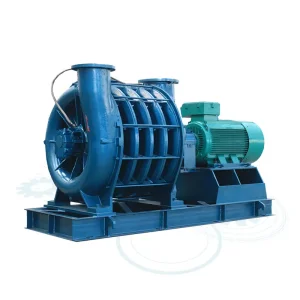
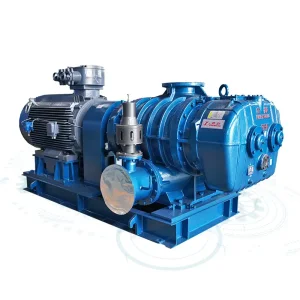
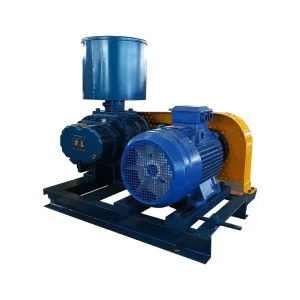
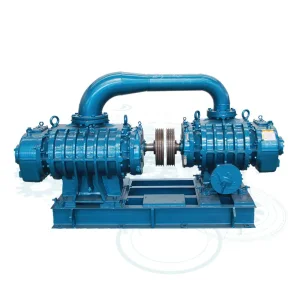
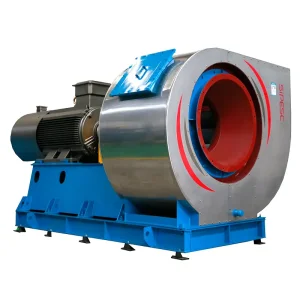
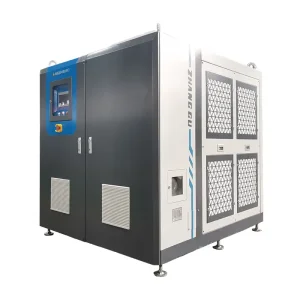
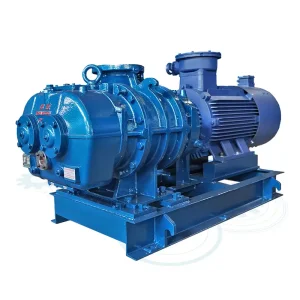
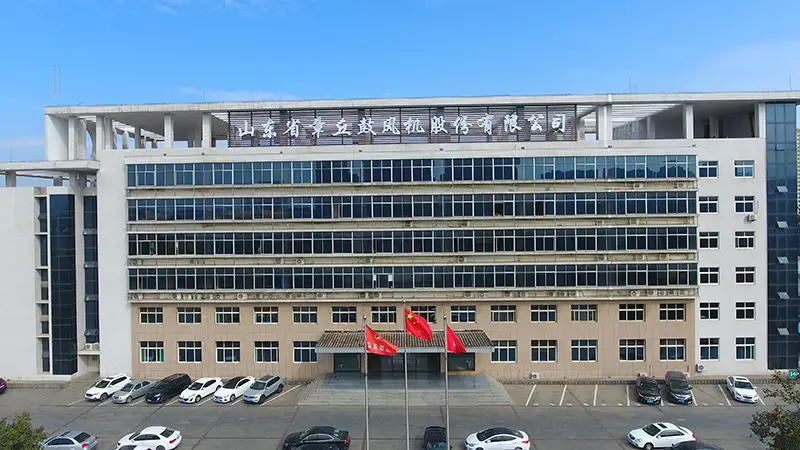
Established in 1957, Shandong Zhangqiu Blower Co., Ltd. (formerly Shandong Zhangqiu Blower Works) has evolved into a global leader in high-performance slurry transport and gas handling technology. With a legacy spanning over half a century, we possess unmatched engineering expertise and state-of-the-art manufacturing processes.
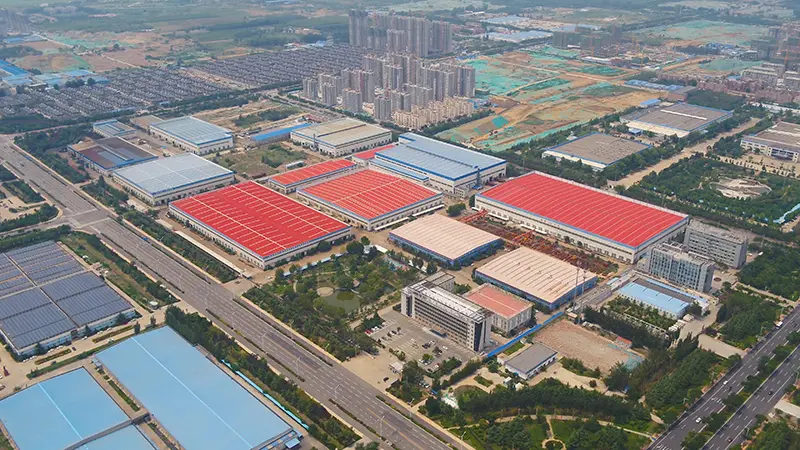
ZCBC was public-listed on the Shenzhen Stock Exchange in July 2011 (Stock Code: 002598). By continuously driving innovation in key sectors—including roots blowers, centrifugal machinery, slurry pumps, and MVR system integrations—our operation achieved an annual revenue of 1.5 billion yuan in 2020. Headquartered in a modern 430,000 m² industrial park, ZCBC operates four major manufacturing bases in Jiangsu Wuxi, Guangdong Dongguan, Hunan Chenzhou, and Gansu Jinchang, supported by dedicated R&D facilities across Beijing, Shanghai, Shijiazhuang, and Wuxi.
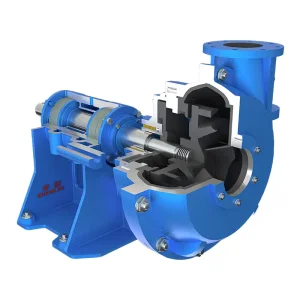
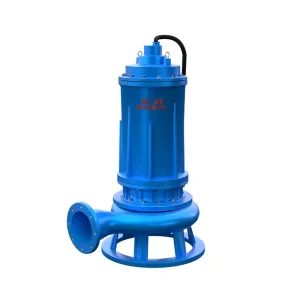
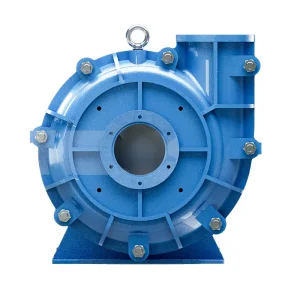
In modern mineral processing and wet-classification plants, the classifier system is the heartbeat of grinding circuits. Classifier systems, whether utilizing hydrocyclones or mechanical classifiers, depend on a stable, pulse-free, and highly controlled feed of abrasive slurry. The Classifier System Slurry Pump is the critical component tasked with maintaining this hydraulic equilibrium.
Fluctuations in feed pressure or rate directly disrupt the centrifugal fields inside hydrocyclones, resulting in bypassed fines or coarse particles contaminating downstream flotation tanks. For plant managers, optimizing slurry pump performance is not merely a question of operational lifecycle; it is the key variable to maximizing mineral recovery rates and minimizing energy consumption per ton processed.
Hydrocyclones separate materials based on particle size and density under centrifugal force. The inlet pressure dictates the velocity of the fluid entering the cyclone. According to fluid dynamics, the relationship between flow rate ($Q$) and head ($H$) in a centrifugal slurry pump must align perfectly with the pressure drop curve of the hydrocyclone array. If the pump suffers from internal wear or cavitation, the pressure drops, shifting the d50 cut point of the classifier toward coarser fractions. ZCBC has engineered specialized impellers featuring optimal vane wrap angles to minimize turbulent wake generation, ensuring a laminar fluid delivery to the cyclone manifold.
Slurries managed within classification circuits contain highly abrasive, sharp-edged particles ranging from fine quartz to heavy metallic ores. The pump wet-ends face two primary wear mechanisms:
To combat this, ZCBC utilizes high-chromium alloys (ASTM A532 Class III Type A, containing up to 27-30% Chromium) alongside advanced silicon carbide (SiC) ceramics. Ceramic slurry pump liners deliver a hardness rating second only to diamond, providing up to 3 to 5 times the operational lifespan of traditional Ni-Hard or high-chrome components in severe-service wet classification environments.
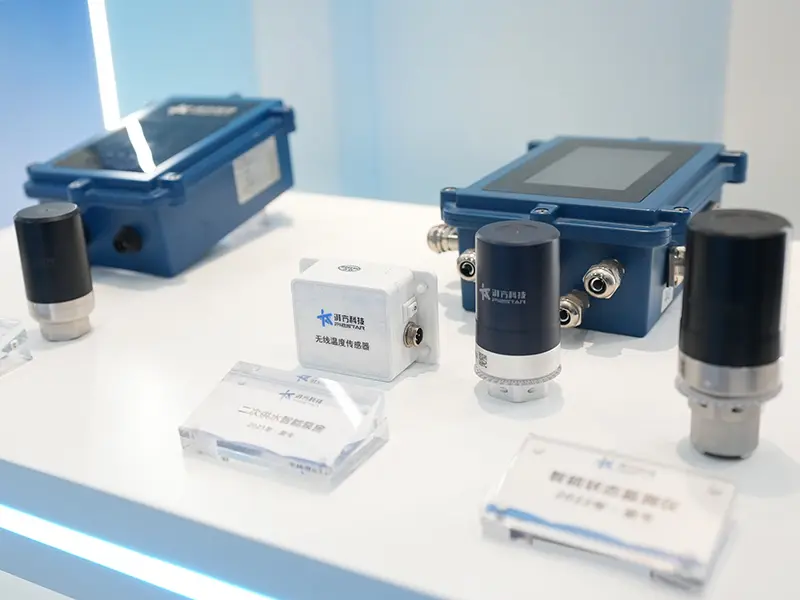
Integration of IoT vibration sensors and acoustic telemetry directly into the pump housing allows our systems to monitor real-time cavitation, mechanical seal deflection, and bearing temperature, warning operators of failure hours before it occurs.
Using advanced Computational Fluid Dynamics (CFD) models, ZCBC engineers custom impellers matching exact client fluid viscosity parameters, minimizing internal recirculation zones and maximizing hydraulic efficiency up to 82%.
Blending the structural flexibility of high-tensile cast iron casings with the absolute abrasive resistance of sintered Silicon Carbide inserts, providing high impact resistance alongside wear mitigation.
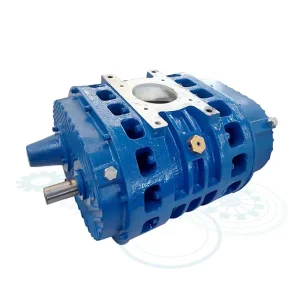
Slurry transport cannot be evaluated in isolation. Efficient pumping is linked to the overall energy and chemical balance of downstream flotation, gravity concentration, and leaching systems. At ZCBC, we engineer total systems, aligning our Roots Blowers, centrifugal air systems, and slurry pumps to maximize output across diverse industries.
In high-tonnage iron ore processing, classification systems must manage dense iron slurries (specific gravity up to 3.2 or higher). Traditional pumps suffer from rapid impeller thinning and catastrophic casing failures due to high kinetic energy impact of dense iron ore particles. ZCBC's customized horizontal slurry pumps utilize extra-thick wear shrouds and reduced impeller tip speeds to prolong wet-end lifecycle, while maintaining high pressure levels needed to feed multi-hydrocyclone clusters.
For precious metals, grinding must reduce ore to a fine liberation size (often 80% passing 74 microns). Slurry pumps driving these closed-circuit milling loops are subjected to chemicals such as xanthates and cyanides. ZCBC offers elastomer-lined pumps (natural rubber or customized polyurethane) that are chemically inert, avoiding the corrosive pitting that metal components undergo when exposed to complex flotation reagents.
Coal preparation plants require high-volume, low-head systems to manage coal fines and magnetite media. ZCBC’s multi-stage centrifugal blowers and slurry pumps provide continuous flotation aeration and media recirculation, keeping density variations under a strict 0.5% threshold. This enhances clean coal yield while lowering ash content in final product runs.
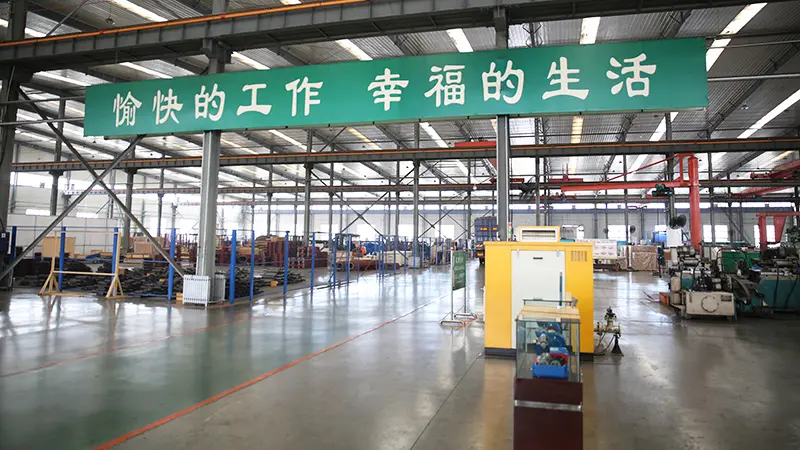
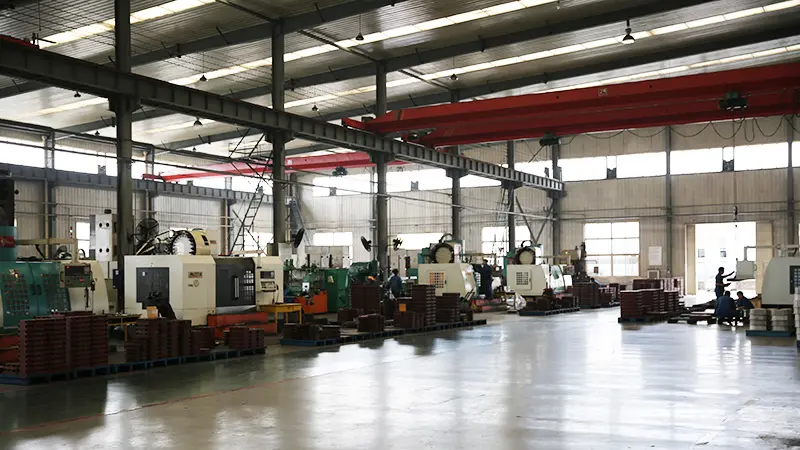
ZCBC leverages advanced manufacturing infrastructure to guarantee quality, lower production overheads, and maintain prompt delivery timelines, even amidst volatile global supply chains.
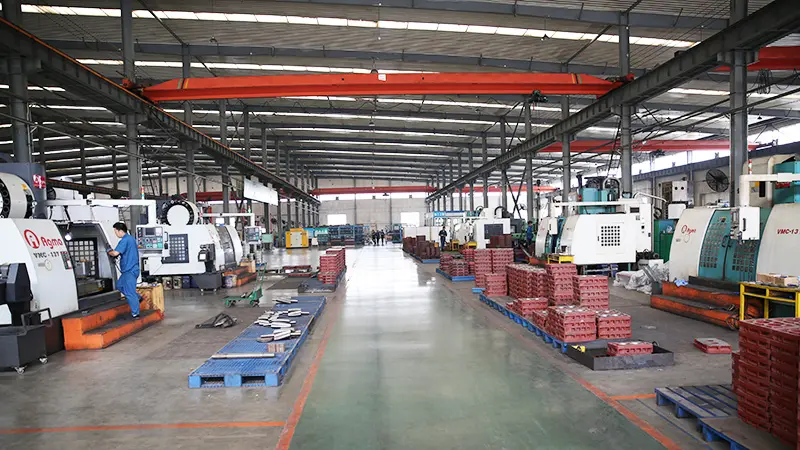
Our production floors utilize the state-of-the-art Product Lifecycle Management (PLM) system combined with Computer-Aided Manufacturing (CAM) and Computer-Aided Process Planning (CAPP). Real-time digital monitoring ensures every casting, machining run, and balancing test matches standard tolerances. Over 100 sets of imported precision equipment, including five-axis CNC machining centers from Japan and Germany, support our operations, ensuring that each slurry pump shaft and impeller matches critical dynamic balancing tolerances to minimize shaft deflection during operation.
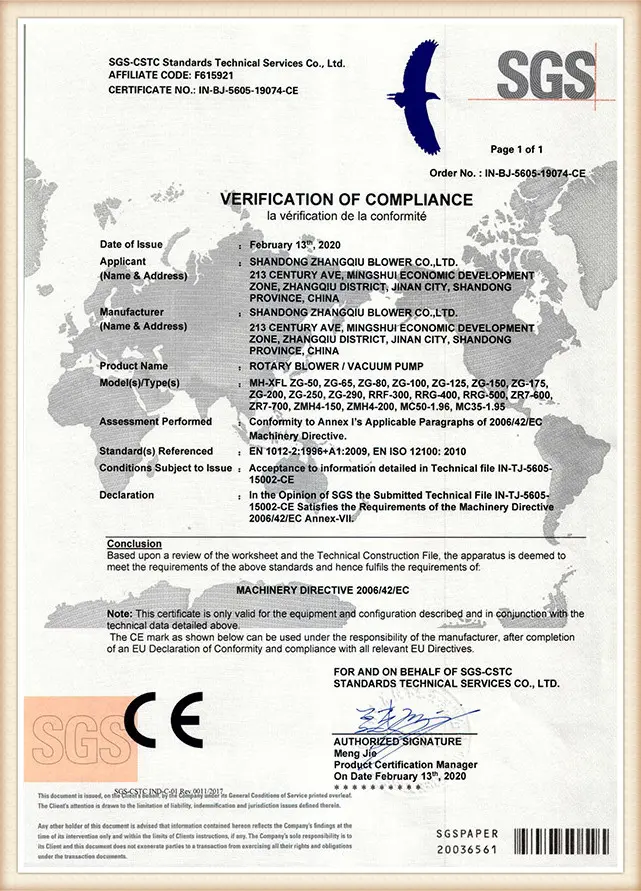
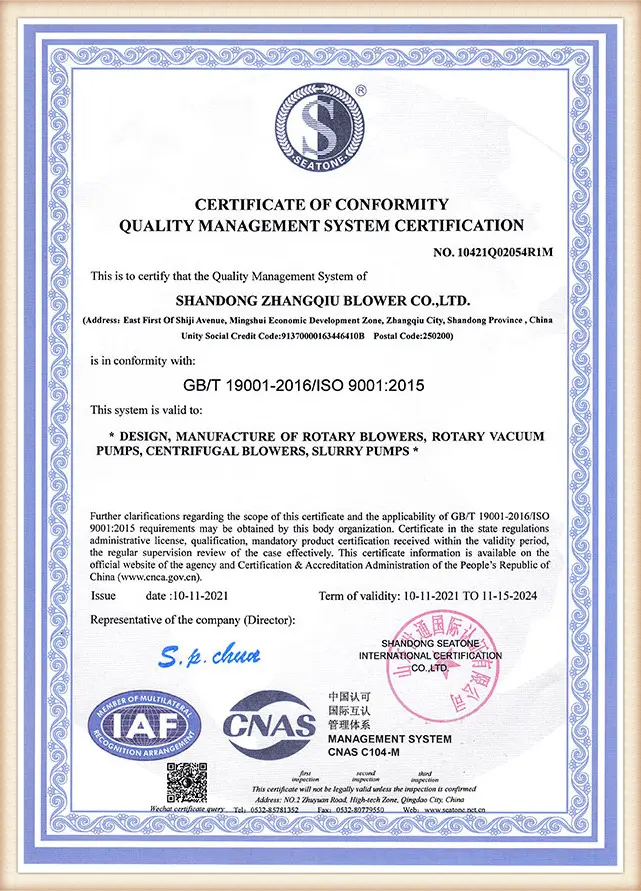
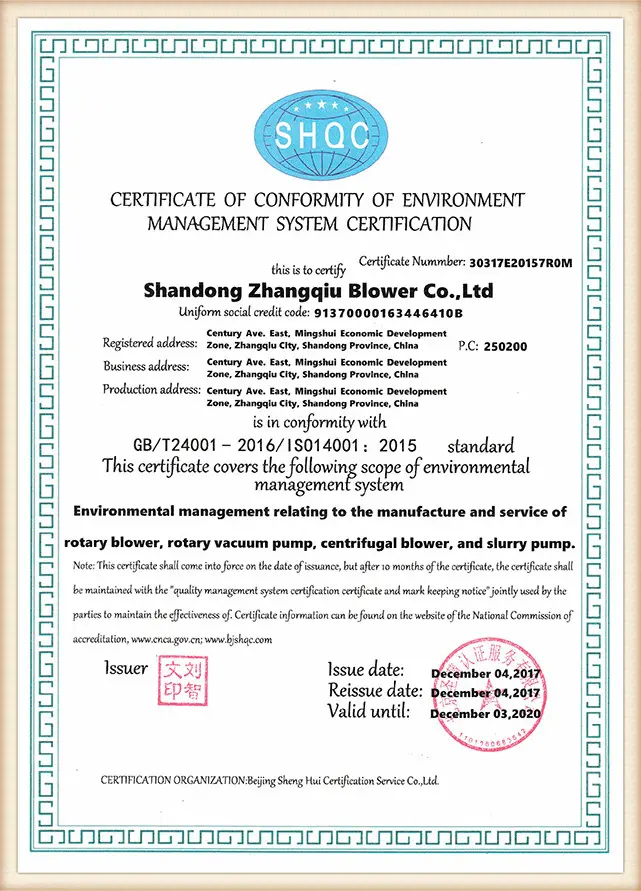
Procuring heavy industrial equipment requires verified certification and compliance parameters. Shandong Zhangqiu Blower Co., Ltd. is certified under a comprehensive suite of international quality frameworks:
ZCBC provides true localized support via our branch in the United States and dedicated distributor partnerships covering over 70 countries, including Germany, Italy, Russia, Australia, and Brazil. Our logistics network ensures parts compatibility and prompt spare delivery, reducing unplanned downtime in critical mining processing zones.



Hydrocyclones operate on pressure energy converted into centrifugal force. If the slurry pump feed pressure drops, the centrifugal force decreases, leading to an incorrect cut point (d50). Fine particles that should report to the overflow instead report to the underflow, causing over-grinding in the mill circuit and reducing energy efficiency. ZCBC slurry pumps feature highly stable pump curve profiles to maintain consistent pressure under variable pulp levels.
High-chrome alloys are ideal for slurries containing large solids (top sizes > 6mm) that cause impact stress. However, for fine, highly abrasive slurries (such as tailing thickener feeds or primary cyclone feeds under 3mm), Silicon Carbide (SiC) ceramics provide a superior wear life (3-5x longer than metal alloys) by resisting sliding abrasion and chemical corrosion from mill reagents.
The principal causes are abrasive solid intrusion into the seal chamber and dry-running due to air pocketing in frothy slurries. ZCBC prevents this by offering dynamic expeller glands that drive solids away from the seal faces, or double mechanical seal configurations backed by pressurized clean-water flushes.
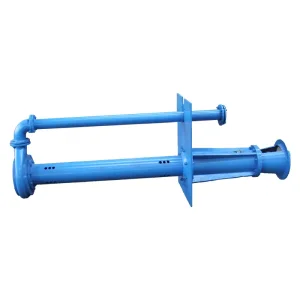
Froth tends to air-bind standard centrifugal pumps. ZCBC's Cheap Foam Slurry Pumps are engineered with a dedicated conical hopper casing and an inducer blade design. This configuration breaks down entrained air bubbles in the froth before they reach the impeller eye, ensuring continuous flow without vapor locking.
Yes. Our dedicated design team can deliver customized CAD and 3D files within 24 hours of receiving on-site measurements or photos. We can modify suction/discharge flanges, base plate arrangements, and drive coupling heights to drop ZCBC high-efficiency pumps directly into your existing configurations with zero pipe-work adjustment.
Dynamic expeller seals use centrifugal forces generated by an auxiliary impeller (the expeller) to prevent slurry leakage while the pump is running, requiring no external seal flush water. This configuration is ideal for remote locations where clean seal water is scarce or expensive to transport, lowering total operating costs.
 Zhangqiu