Premium high-efficiency roots blowers, specialized desulfurization pumps, and steam compression systems engineered for demanding industrial environments.
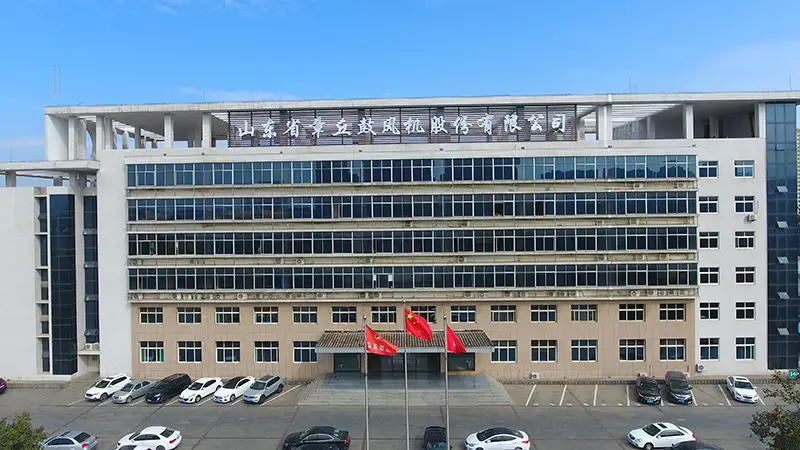
Established over half a century ago, Shandong Zhangqiu Blower Co., Ltd. (formerly known as Shandong Zhangqiu Blower Works) stands as a monumental force in the international blower and heavy-machinery design and manufacturing sector. With more than 50 years of rich mechanical engineering pedigree, the company has consistently pioneered the path of fluid engineering technology in China and globally. In July 7th, 2011, the corporation marked a major milestone by listing on the Shenzhen Stock Exchange (Stock Code: 002598), paving the way for systemic international expansion, extensive capital reinvestment into R&D, and structural diversification.
Strategically organized under the guiding philosophy of "Develop main business, pioneer new fields and innovate, cooperate to be a great company", ZCBC operates on the absolute performance benchmark of "Do the best". Under the leadership team initiated in 1997 with Chairman Fang Rungang at the core, this ethos has translated into market-leading success: ZCBC's flagship product, the Roots Blower, consistently maintains the top-ranked market share occupancy rate in the domestic market while serving critical infrastructure across the globe.
"By 2020, ZCBC achieved a staggering operating income of 1.5 billion yuan and a profit margin of 150 million yuan (encompassing the parent entity and holding operations). Today, the corporation features 20 holding subsidiaries and runs 4 highly advanced manufacturing campuses in Jiangsu Wuxi, Guangdong Dongguan, Hunan Chenzhou, and Gansu Jinchang. These structures are backed by four world-class R&D hubs situated in Beijing, Shanghai, Shijiazhuang, and Wuxi."
ZCBC is the executive director unit of the China General Machinery Industry Association, the vice president unit of the China General Machinery Industry Association Fan Branch, and a chief drafting organization for China's national standards governing Roots Blowers. This authoritative position certifies that every piece of machinery engineered within ZCBC's 430,000 m² high-specification modern industrial park conforms to the highest levels of global structural safety and performance.
Biological wastewater treatment processes, such as activated sludge, membrane bioreactors (MBR), sequencing batch reactors (SBR), and moving bed biofilm reactors (MBBR), rely on aerobic microorganisms to metabolize and break down organic pollutants. The survival, density, and activity of these microbial populations depend directly on the continuous supply of dissolved oxygen (DO) within the aeration basin.
In typical municipal sewage treatment facilities, the **biological aeration process accounts for 50% to 70% of the entire plant's electricity consumption**. Consequently, the design efficiency, operational reliability, and mechanical control of the aeration blowers dictate the overall operational budget and sustainability of the treatment infrastructure.
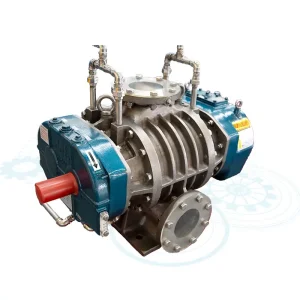
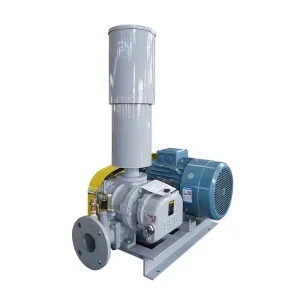
To address this industrial challenge, ZCBC designs high-efficiency **Roots Blowers** that deliver continuous, positive-displacement air volumes at specified discharge pressures. By providing stable volumetric air delivery regardless of variable liquid level pressures inside the aeration tank, our Roots blowers ensure that DO levels are maintained within the optimal range of 1.5 to 2.0 mg/L. This prevents microbial death due to hypoxia (anoxia) and avoids excessive power usage or sludge shearing caused by over-aeration.
Unlike dynamic compressors, positive displacement Roots blowers deliver fixed air volumes against fluctuating water levels, securing a steady oxygen supply.
Our tri-lobe impellers minimize backflow pulsations, reducing energy consumption and mechanical vibration by up to 15% compared to bi-lobe alternatives.
Complete mechanical isolation of the compression chamber from lubrication sumps ensures zero hydrocarbons contaminate the biological tank.
Beyond standalone blower units, ZCBC provides comprehensive engineering integrations. Biological wastewater plants face varying load cycles based on municipal flow peaks. ZCBC’s Roots blowers are optimized for integration with **Variable Frequency Drives (VFDs)**. This configuration allows automated DO feedback loops to adjust blower speeds in real time, matching air output directly to microbial respiration demands. As a result, operations can achieve energy savings of **20% to 35%** compared to fixed-speed configurations.
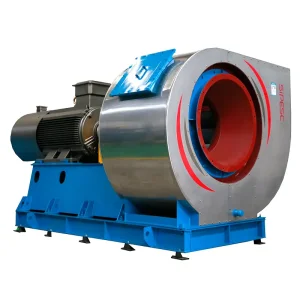
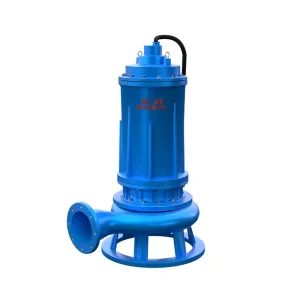
Meeting the varied demands of global wastewater treatment plants (WWTPs), mining sumps, desulfurization operations, and industrial ventilation systems requires specialized fluid mechanics. ZCBC develops series-specific equipment designed for particular chemical, volumetric, and pressure profiles.
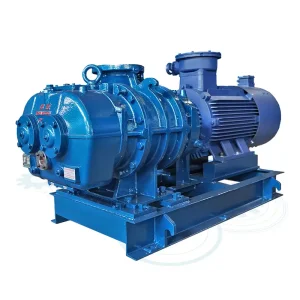
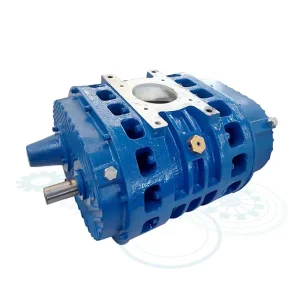
Designed for continuous industrial duty, these systems feature advanced tri-lobe helical rotor profiles that optimize volumetric efficiency while reducing pressure ripple pulsations. High efficiency, reduced discharge temperatures, and low noise thresholds make them standard selections for municipal aeration tanks.
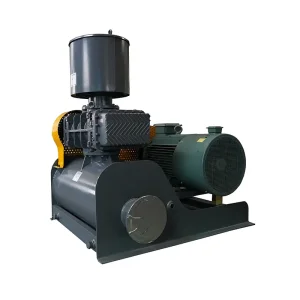
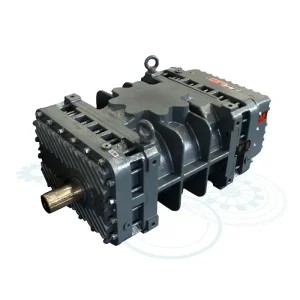
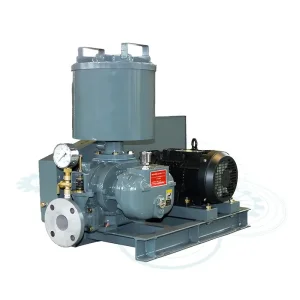
Constructed specifically for environments sensitive to acoustic pollution and process contamination. Incorporating special built-in silencing plenums and premium rotor balances, the SSR and SSR-K series deliver reliable air flow without trace lubricants. They are suitable for deep-water municipal aeration and sensitive aquaculture industries.
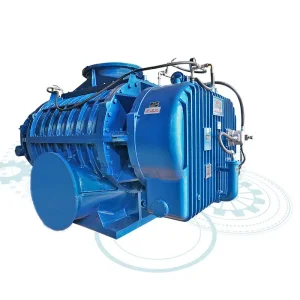
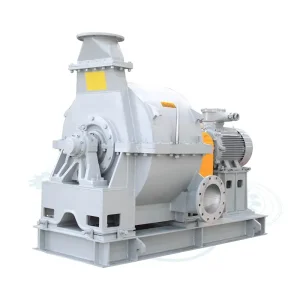
For large-scale deep-basin wastewater treatment or high-capacity chemical processes, the ZR series offers heavy-duty construction, high pressure differentials, and high volumetric throughput. They are constructed with high-strength materials and specialized bearing blocks to handle large thermal variations.
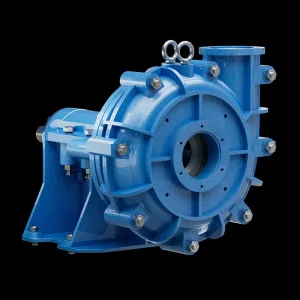
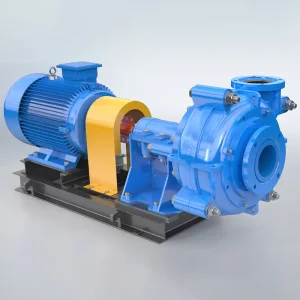
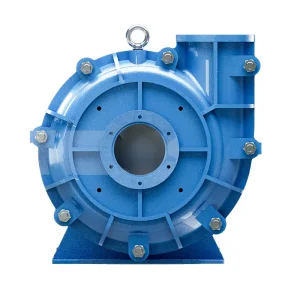
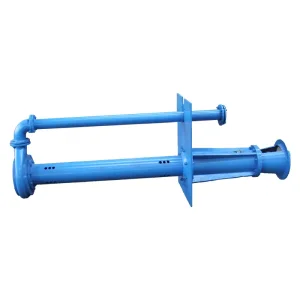
Wastewater contains abrasive grits, chemical residues, and high concentrations of suspended solids. The TZJK-TD series relies on advanced ceramic structural linings that resist wear and corrosive chemicals, outperforming traditional high-chrome steel pumps in handling extreme grit and chemical slurries.
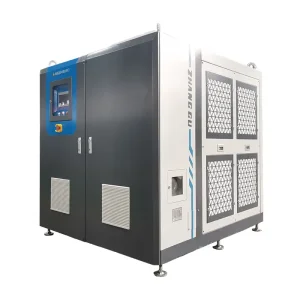
Used in zero-liquid-discharge (ZLD) industrial wastewater treatment. These machines compress secondary steam, increasing its thermal energy to replace high-pressure boilers. This approach reduces overall system thermal demand by up to 60%.
Operating in over **70 countries and regions**—including the United States, Germany, Italy, and across Europe and Asia—ZCBC has established a robust international sales and support structure. To serve regional markets effectively, ZCBC has set up two Sino-Japanese Joint-ventures and a dedicated **USA branch**, making it the first company in China's blower industry to establish an overseas operational center.
This global presence ensures that customers receive localized technical assistance, rapid spare parts delivery, and direct on-site support. Our engineering teams can provide full **3D CAD drawings and system models within 24 hours** of project specification, ensuring smooth integration into local plant layouts.
ZCBC’s engineering and manufacturing processes are certified to meet major international regulatory and quality frameworks, ensuring safety and performance across different markets:
ISO9001 (Quality Assurance), ISO14001 (Environmental Protection), and ISO50001 (Energy Management System certification for optimized operating efficiency).
CE Certification for compliance with EU health and safety rules, alongside national 3C (China Compulsory Certification) conformity.
Certified with the safety mark for mining products, alongside ISO 10012 measurement management system approval for precision instruments.
This regulatory coverage confirms that ZCBC machines meet high quality standards for public infrastructure, industrial production, and mining projects globally.
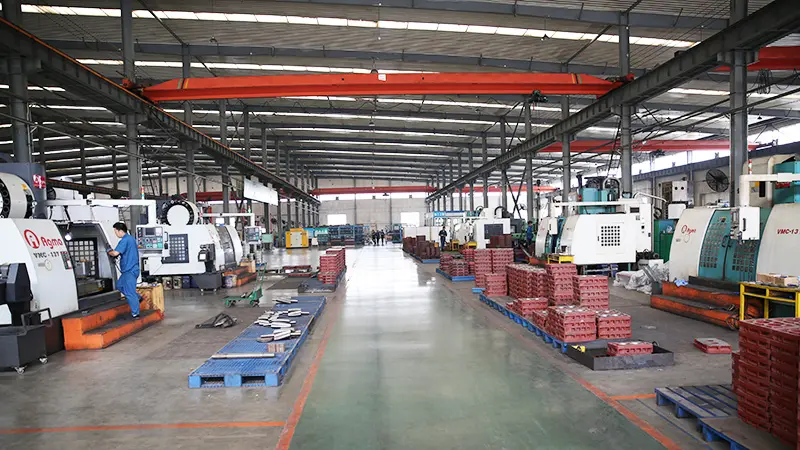
ZCBC relies on strong research and development capabilities combined with advanced machining equipment to maintain its position in fluid machinery innovation. The company operates a provincial-level enterprise technology center and is equipped with advanced design, research, development, and testing tools.
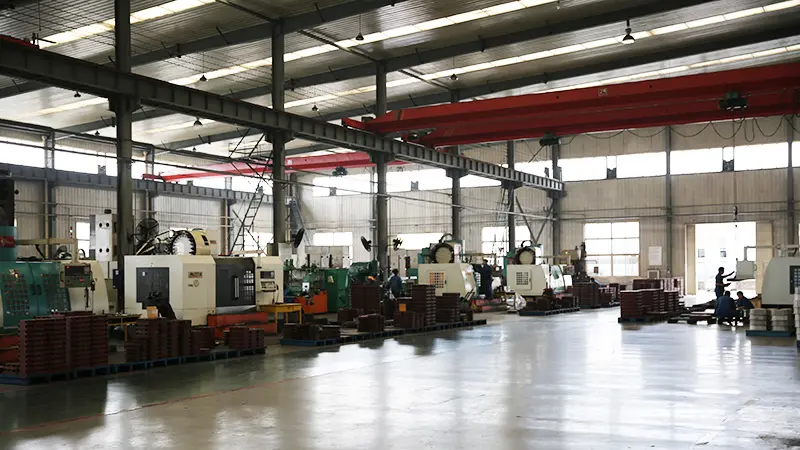
Our production facilities utilize modern machining processes to ensure component precision:
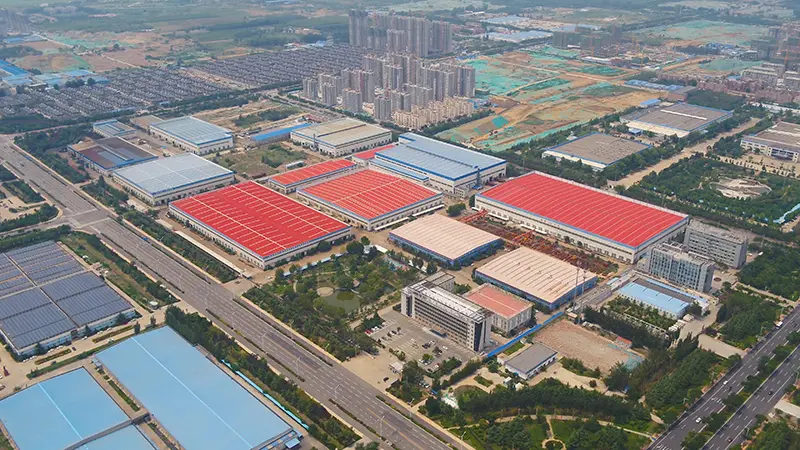
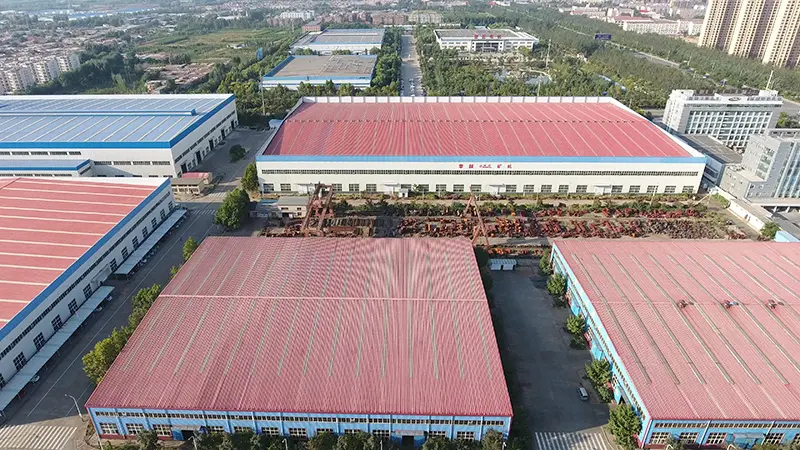
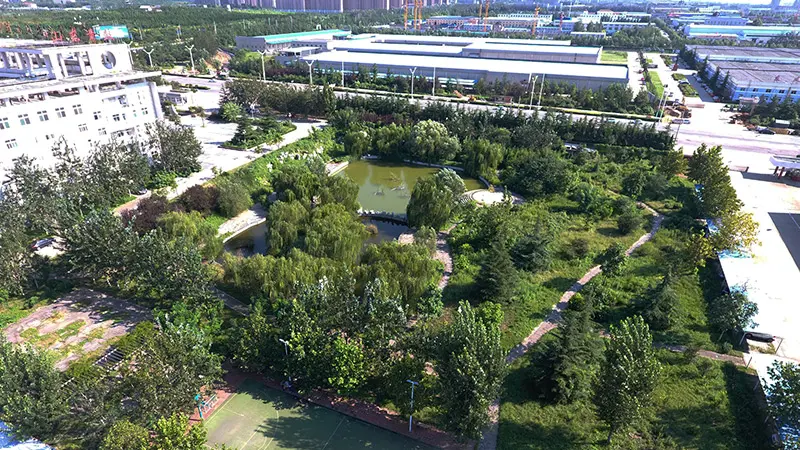
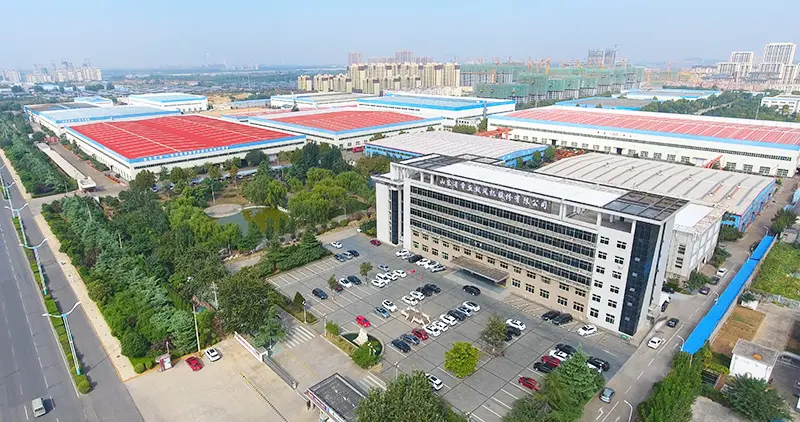
The production floor includes CNC five-axis machining centers, high-accuracy coordinate measuring machines (CMM), dynamic balance balancing units, and imported ultrasonic flaw detectors from Japan and Germany. These systems support precise tolerances for high-speed impeller configurations.
ZCBC integrates **Product Lifecycle Management (PLM)**, Computer-Aided Manufacturing (CAM), Computer-Aided Process Planning (CAPP), and Computer-Aided Testing (CAT). These integrated systems help compress product design-to-delivery lead times and maintain consistent production quality.
Our R&D team includes senior technical experts, academic leaders, and doctoral researchers. This internal expertise is supported by collaborations with academic institutions such as **Tsinghua University, Xi'an Jiaotong University, China University of Mining and Technology, and Shandong University**. Additionally, ZCBC's **postgraduate workstation** acts as an incubator for next-generation fluid engineering solutions.
The biological aeration sector is shifting toward increased intelligence, system safety, and energy efficiency. ZCBC is focusing on two main product development paths:
To meet strict energy conservation goals, ZCBC has expanded its product line to include **magnetic suspension centrifugal blowers**. These systems feature active magnetic bearings, high-speed permanent magnet motors, and specialized impellers. By eliminating mechanical contact and bearing friction, these blowers operate without lubrication and require minimal maintenance, yielding energy savings of **30% to 40%** compared to traditional positive-displacement blowers.
Modern wastewater treatment facilities require integrated process management. ZCBC’s smart blower control systems use sensors to track temperature, vibration, pressure, and acoustic signals. These metrics are processed locally or in the cloud using predictive maintenance algorithms.
This monitoring helps identify potential bearing degradation or seal wear before mechanical failure occurs, reducing unscheduled downtime and extending the service life of aeration assets.
Future projects will focus on integrating artificial intelligence models with municipal PLC networks. This will allow blowers to dynamically adjust output based on real-time biological load changes, helping plants reduce energy consumption while maintaining regulatory compliance.
Answers to common questions regarding sewage treatment Roots blowers, sizing, desulfurization pumps, and thermal recovery integration.
Explore our wider range of high-capacity blowers, vertical slurry pumps, truck-mounted pneumatic blowers, and magnetic suspension systems.
 Zhangqiu