Engineered for High-Pressure Performance, Low Maintenance, and Maximum Operational Reliability
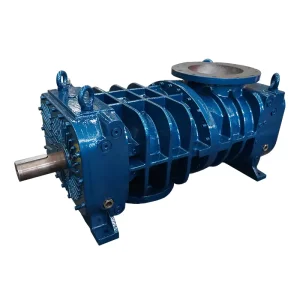
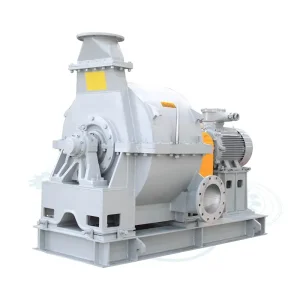
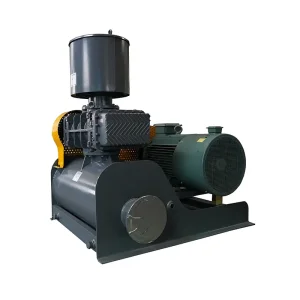
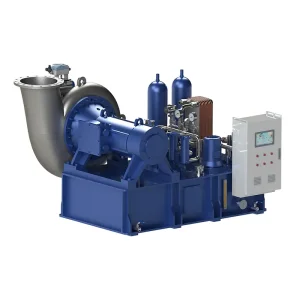
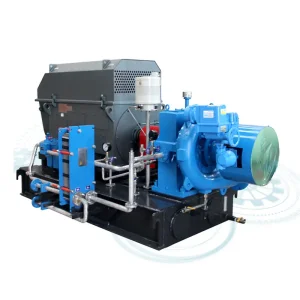
Modern waste incineration processes—converting municipal solid waste (MSW), hazardous industrial byproducts, and medical refuse into energy—demand highly specialized thermal and chemical handling infrastructures. At the heart of these facilities are waste incineration centrifugal fans, performing vital tasks in flue gas recirculation, secondary combustion, and hazardous gas extraction.
Unlike conventional air movement solutions, these centrifugal fans operate under extreme challenges: toxic chemical vapors containing hydrochloric acid (HCl), hydrofluoric acid (HF), sulfur dioxide (SOx), and nitrogen oxides (NOx), combined with highly abrasive fly ash particles. Operating continuously under temperatures that range up to 450°C, these systems require heavy-duty casing, precise dynamic balancing, and state-of-the-art anti-wear and anti-corrosive coatings to prevent catastrophic downtime and ensure strict emission control compliance.
“Uninterrupted performance in thermal waste treatment isn't just about efficiency—it is a critical environmental containment necessity.”
Addressing the Key Factors Explored by Global EPC Contractors and Plant Operators
Procurement teams require advanced metallurgy. Standard carbon steel fails within weeks in acid-gas scrubbers. High-end configurations utilize Duplex Stainless Steel (e.g., 2205, 2507), Titanium cladding, or specialized polymer liners to withstand continuous exposure to hydrochloric acid and sulfur components.
Flue gas carries high loads of highly abrasive particulates. Impregnating impeller blades with wear-resistant tungsten carbide coatings or lining the volute casing with replaceable Hardox wear plates is essential to maintain structural integrity and dynamic balance over decades.
Waste preprocessing areas generate fine combustible dusts and volatile organic compounds (VOCs). Blowers deployed here must meet strict explosion-proof regulations (ATEX, IECEx, or equivalent local standards) to prevent spark generation through static discharge or surface temperature spikes.
SEO Insight - Search Intent Alignment: Modern industrial buyers look for technical proof of metallurgy class, wear life guarantees, and international safety compliance. Providing this clear technical information establishes deep trust (E-E-A-T) and satisfies high-intent transactional search patterns.
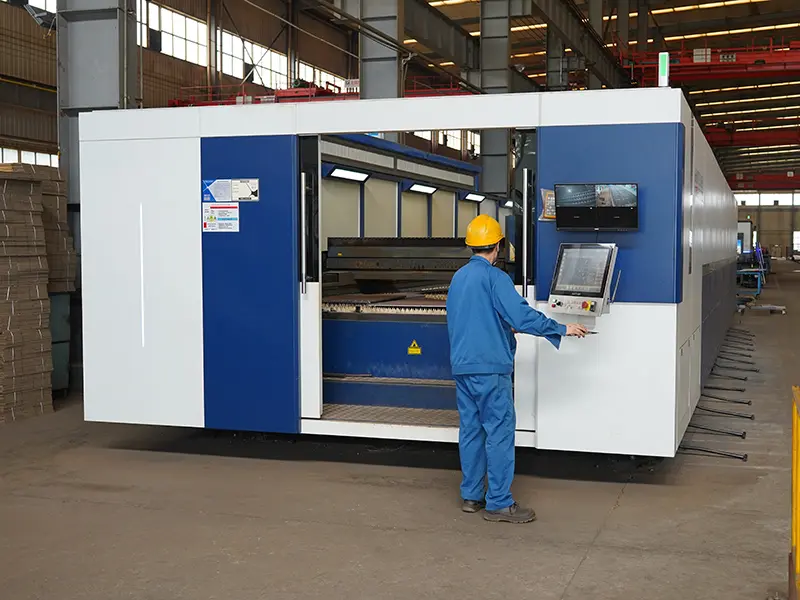
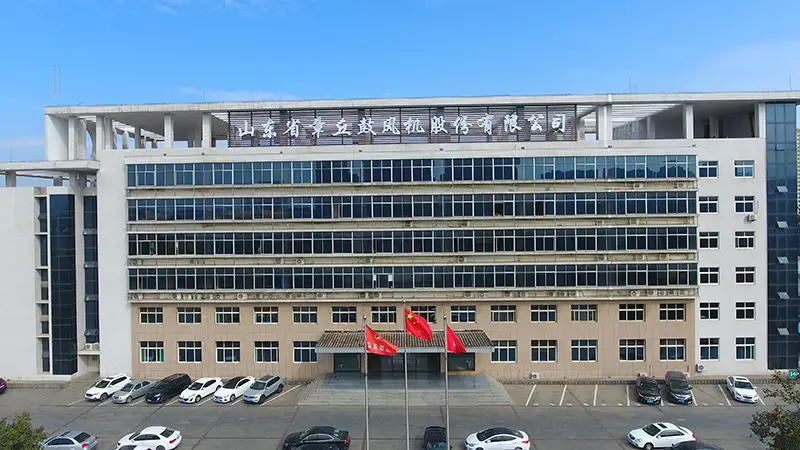
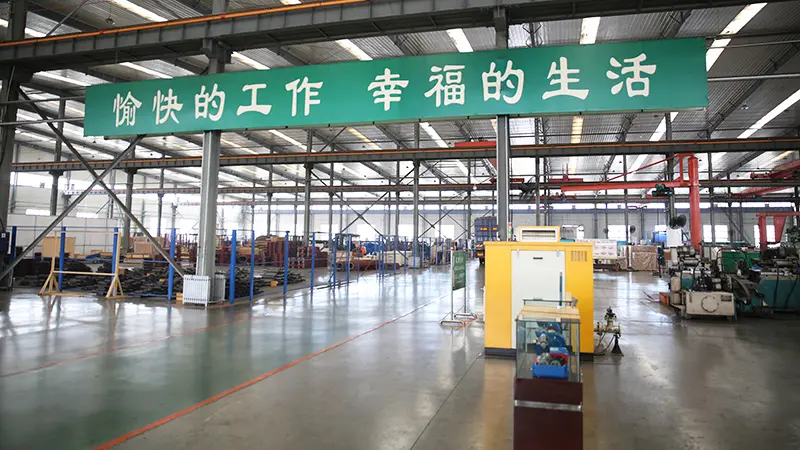
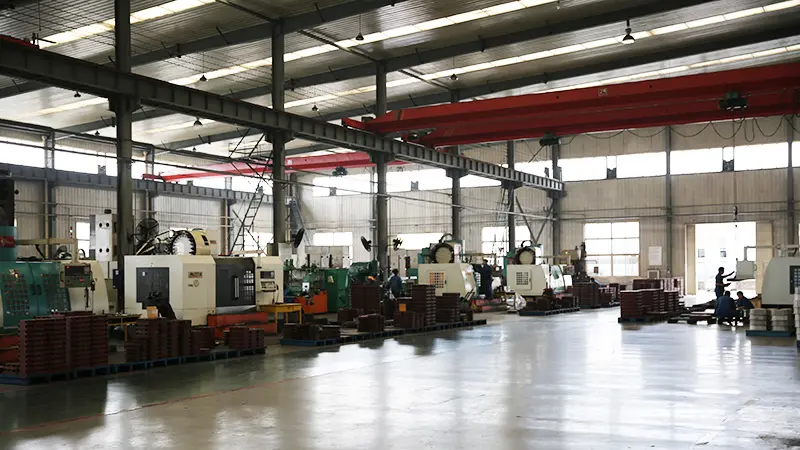
Shandong Zhangqiu Blower Co., Ltd. (ZCBC) represents the pinnacle of Chinese heavy machinery manufacturing. Founded in 1957 with over 50 years of experience, we have scaled our production facilities to match global industrial growth. Relocating in 2005 to a newly built, high-standard 430,000 m² modern industrial park, we established the infrastructure required to design, manufacture, and test large-scale air handling systems completely in-house.
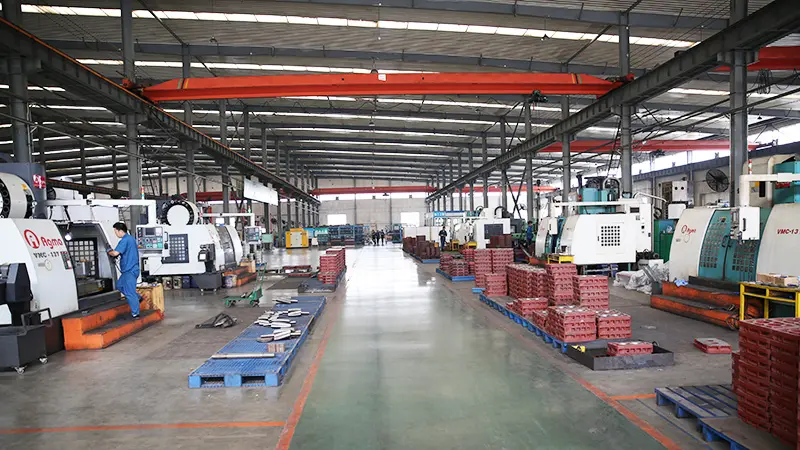
Our manufacturing ecosystem integrates Factory 4.0 principles, employing CNC machining centers, five-axis machining centers, and three-axis measuring instruments imported from Germany and Japan. To ensure seamless development and short lead times, we utilize the world’s most advanced Product Lifecycle Management (PLM) system, CAD, CAPP, CAM, and Computer-Aided Testing (CAT) suites. This structural integration allows us to provide 3D CAD design drawings within 24 hours of receiving customer specifications.
How Our Centrifugal Fans Optimize High-Stress Waste Incineration Workflows Globally
In urban waste-to-energy plants, waste gasification yields volatile synthesis gas that must be pressurized and channeled into combustion chambers. Our customized single-stage and multi-stage centrifugal blowers, engineered with specialized graphite rings and gas tightness packing, ensure zero leakage of hazardous gases, optimizing heat conversion metrics.
Handling industrial off-gasses requires fans designed with corrosion-resistant Hastelloy impellers or special thermal spray coatings. Our engineering team designs heavy-duty ID (Induced Draft) fans with integrated water-cooling shafts to control bearing heat, guaranteeing continuous operation under exhaust temperatures reaching up to 450°C.
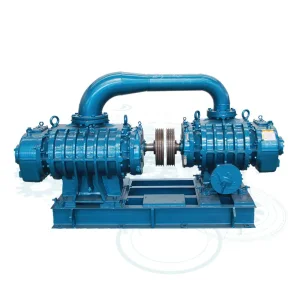
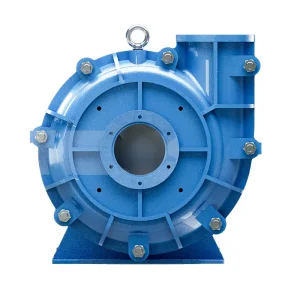
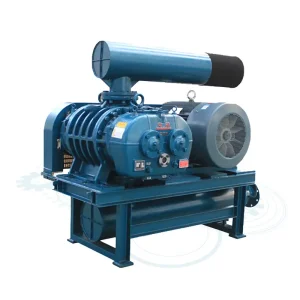
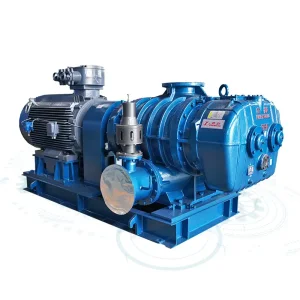
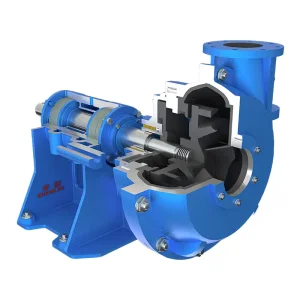
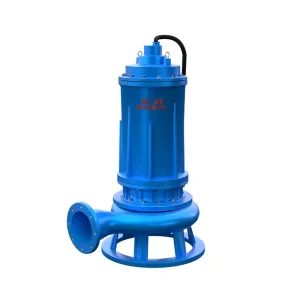
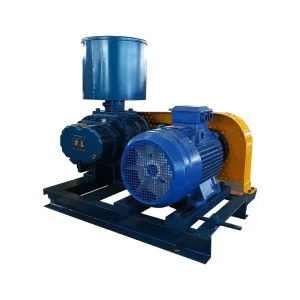
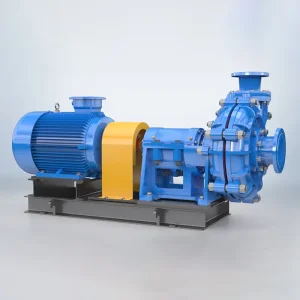
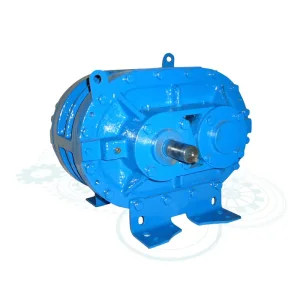
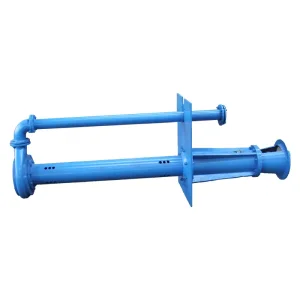
After incineration, fly ash and residue must be safely transported to storage silos. Our Roots blowers and slurry pumps (such as the TZJ desulfurization and ceramic slurry pump series) facilitate the reliable hydraulic and pneumatic transport of abrasive materials, completing the plant's waste-handling loop.
Proven Performance Confirmed by International Certificates and Rigorous Engineering Standards
Shandong Zhangqiu Blower Co., Ltd. (ZCBC) is a publicly listed enterprise (Stock Code: 002598) with substantial financial standing, registering an operating income of 1.5 billion yuan and a profit of 150 million yuan. We operate 20 holding companies, 4 manufacturing bases (Jiangsu Wuxi, Guangdong Dongguan, Hunan Chenzhou, Gansu Jinchang), and 4 dedicated R&D centers located in Beijing, Shanghai, Shijiazhuang, and Wuxi.
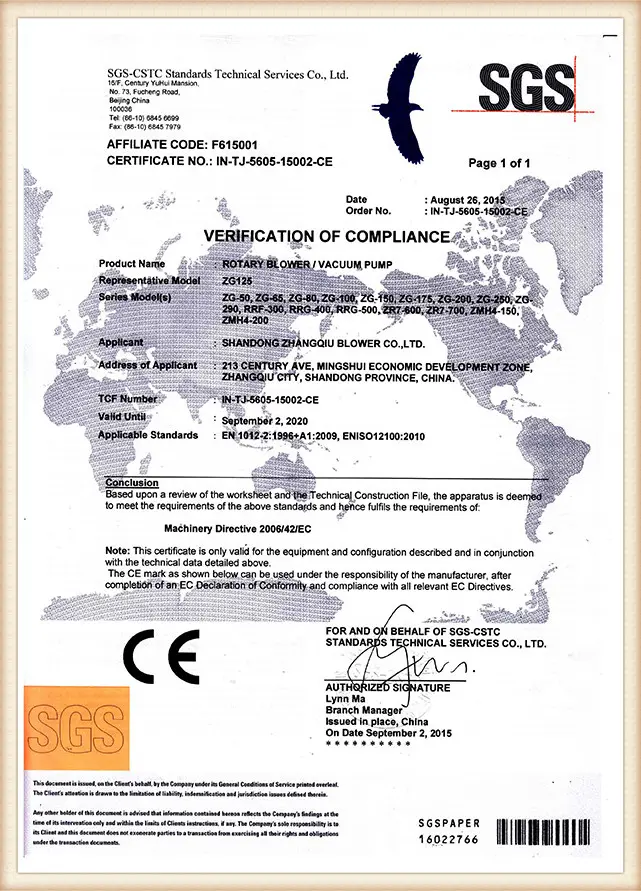
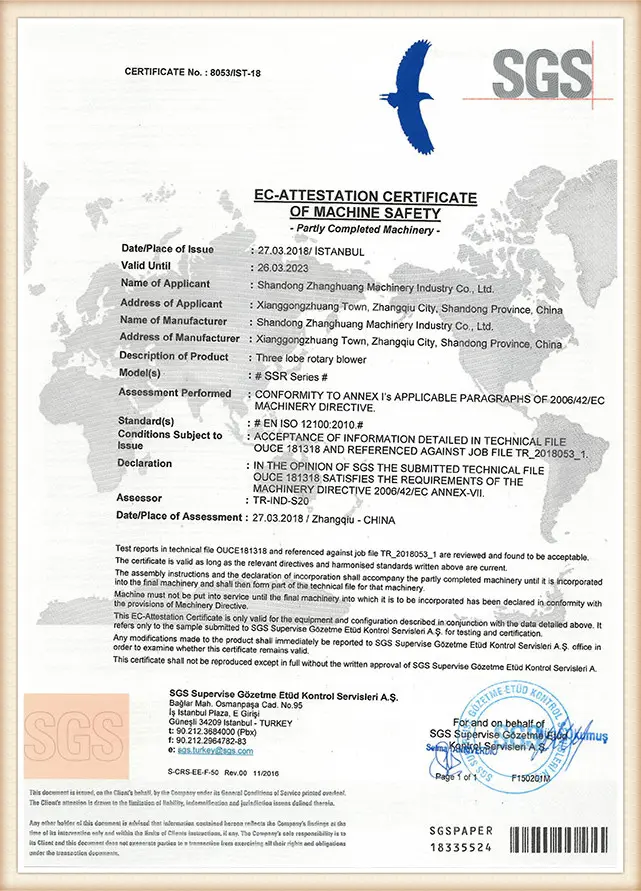
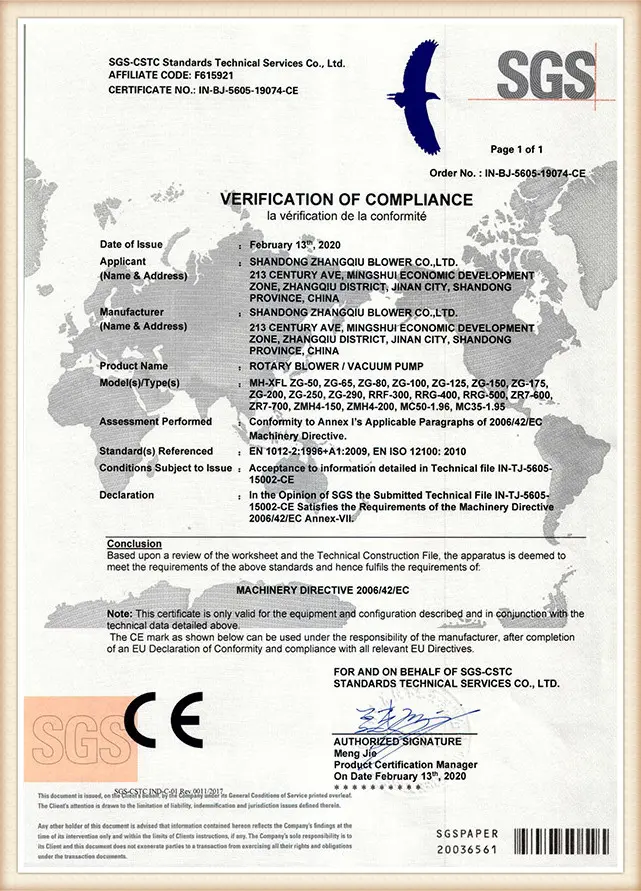
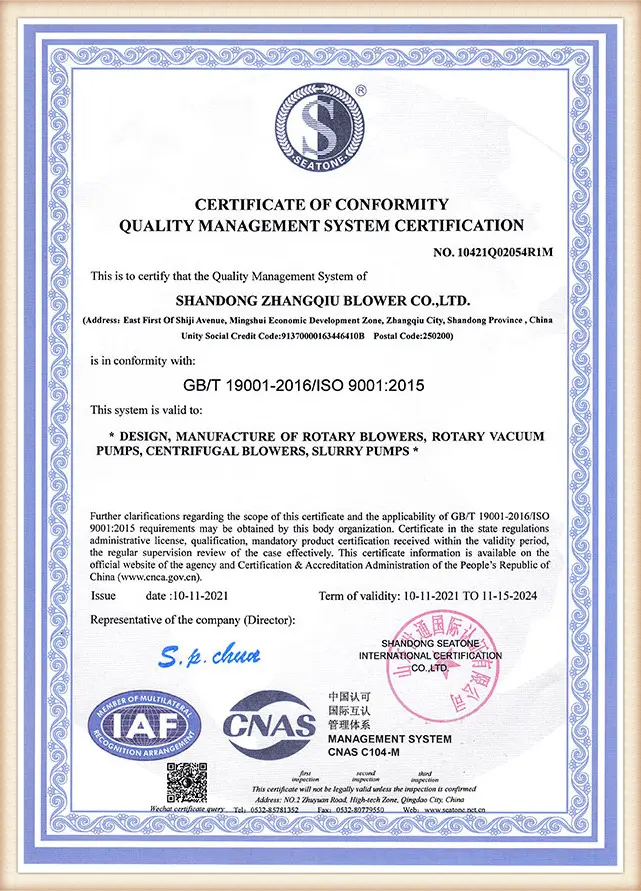
Our position as a primary drafter of national standards for Roots blowers highlights our technical leadership. Our manufacturing quality is validated by certifications including ISO9001, ISO14001, ISO50001 (Energy Management), and CE. We hold 69 patents, including 5 invention patents and 2 software copyrights, ensuring that every centrifugal fan and blower we manufacture is built with proprietary, field-tested innovations.
Our R&D division has established a dedicated postgraduate workstation and works closely with top academic institutions including Tsinghua University, Xi'an Jiaotong University, China University of Mining and Technology, and Shandong University. This network allows us to introduce advanced fluid dynamic simulations (CFD) and thermal stress analysis models, translating high-level research into reliable, energy-efficient products for our global customers.

Answering Key Technical Questions for Industrial Buyers and Project Engineers
A: Due to the presence of chlorine compounds, sulfur gases, and fly ash, impellers require high-strength, corrosion-resistant alloys. Standard specifications call for duplex stainless steels (such as 2205 or 2507). For highly corrosive environments, Hastelloy or titanium cladding is used. Abrasive wear is mitigated by applying a chromium carbide or tungsten carbide coating to the blade edges.
A: For gases exceeding 150°C, we design centrifugal fans with cooling discs or water-cooled bearing housings. This system isolates the bearing assemblies from heat conducted through the shaft. Additionally, real-time vibration and temperature sensors (PT100) are integrated to provide warnings before critical thresholds are reached.
A: Fly ash buildup can cause severe imbalance. We address this using backward-curved or backward-inclined blade geometries, which reduce aerodynamic drag and minimize dust accumulation. We also integrate localized purging nozzles (air or steam) to clean the blades during routine operation.
A: Waste composition varies, requiring dynamic adjustments to air volume for optimal combustion. Implementing a VFD allows the fan speed to adapt to changing pressure demands in real time. This avoids throttling losses, decreases starting currents, and reduces energy consumption by up to 30%.
A: All our centrifugal impellers undergo dynamic balancing tests in accordance with ISO 1940 standards, achieving G2.5 or G1.0 balancing grades. This minimizes mechanical vibration, extends bearing life, and reduces noise emissions during continuous operation.
A: Yes. With our Sino-Japanese Joint-Ventures, a branch in the United States, and an export network spanning over 70 countries (including the US, Germany, and Italy), we offer comprehensive international technical assistance. Our team provides 3D CAD modeling, custom CFD flow simulations, and remote or on-site commissioning support.
Discover our complete portfolio of roots blowers, slurry pumps, and vacuum equipment
 Zhangqiu