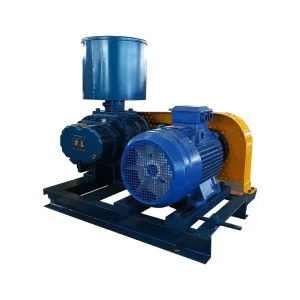
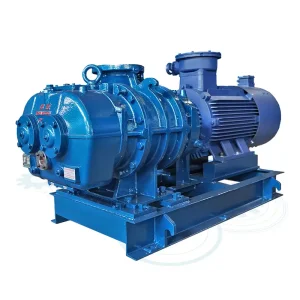
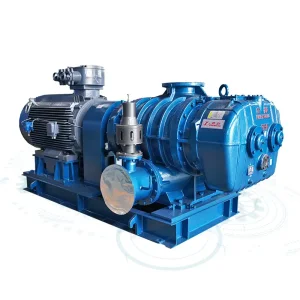
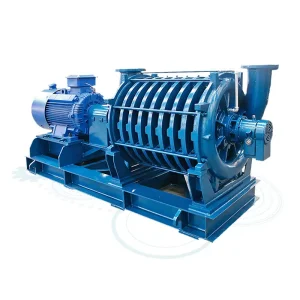
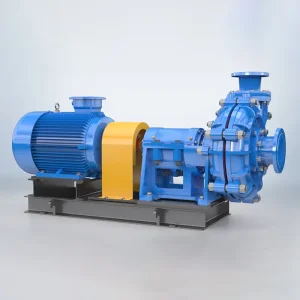
In heavy industrial plants, handling abrasive suspensions and highly corrosive slurries ranks among the most demanding operational challenges. Plant managers and procurement officers frequently seek high-performance solutions under the banner of "Cheap Cantilever Slurry Pump Manufacturers & Companies". However, in modern industrial engineering, the concept of "cheap" has evolved from simple low-cost acquisition to the optimization of Total Cost of Ownership (TCO). True economy is achieved through minimized downtime, eliminated shaft seal maintenance, and extended wear cycles.
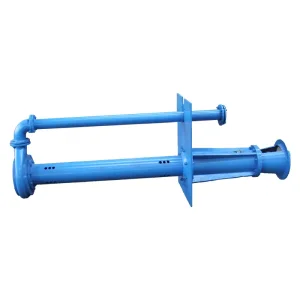
Cantilever vertical slurry pumps are unique because their structural design requires no submerged bearings or shaft seals. This eliminates the primary failure mechanisms common in horizontal or standard submersible configurations. For operators handling mineral tailings, coal wash water, or chemical wastewater, sourcing from companies that combine competitive pricing with robust engineering is key to long-term profitability.
Why do cantilever pumps succeed where other sump pumps fail? The answer lies in their mechanical design. The cantilever configuration features a shaft that is supported by heavy-duty bearings above the mounting plate. Because the shaft extends down into the wet pit without intermediate bearings, it is free of the risk of abrasive particle ingress.
Key design features that professional manufacturers incorporate include:
Designed to pump slurries containing up to 60% solids by weight. Suitable for handling materials from fine silts to coarse sands, maintaining efficiency through robust hydraulic profiling.
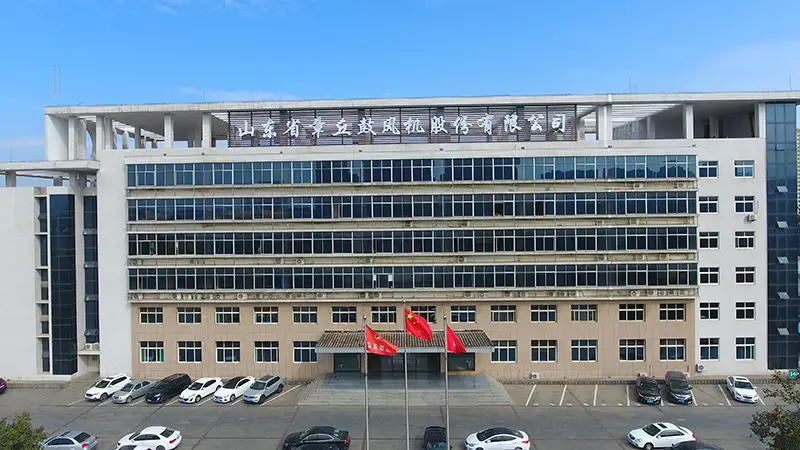
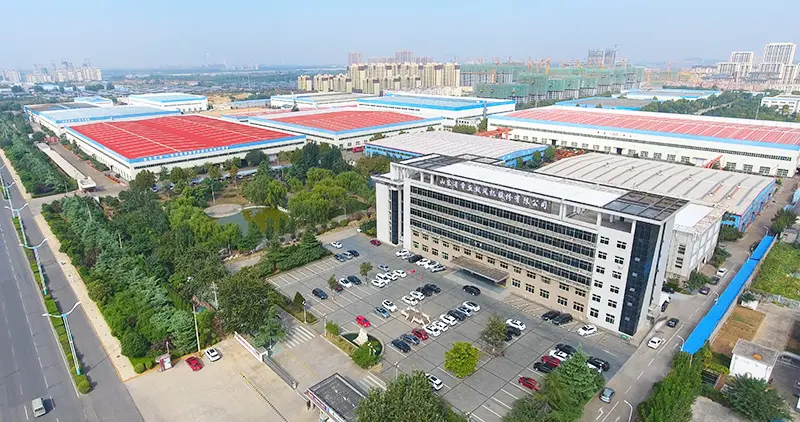
When searching for reputable companies, Shandong Zhangqiu Blower Co., Ltd. (formerly Shandong Zhangqiu Blower Works) stands out. With over 50 years of design, manufacturing technology, and field experience, ZCBC has grown from a local pioneer into a global powerhouse. Listed on the Shenzhen Stock Exchange (Stock Code: 002598) in 2011, the company has built a reputation for high-precision manufacturing.
Established design and manufacturing experience, operating modern industrial bases across multiple provinces including Wuxi, Dongguan, Chenzhou, and Gansu.
Supported by key R&D facilities in Beijing, Shanghai, Shijiazhuang, and Wuxi. ZCBC collaborates with universities like Tsinghua and Xi'an Jiaotong University.
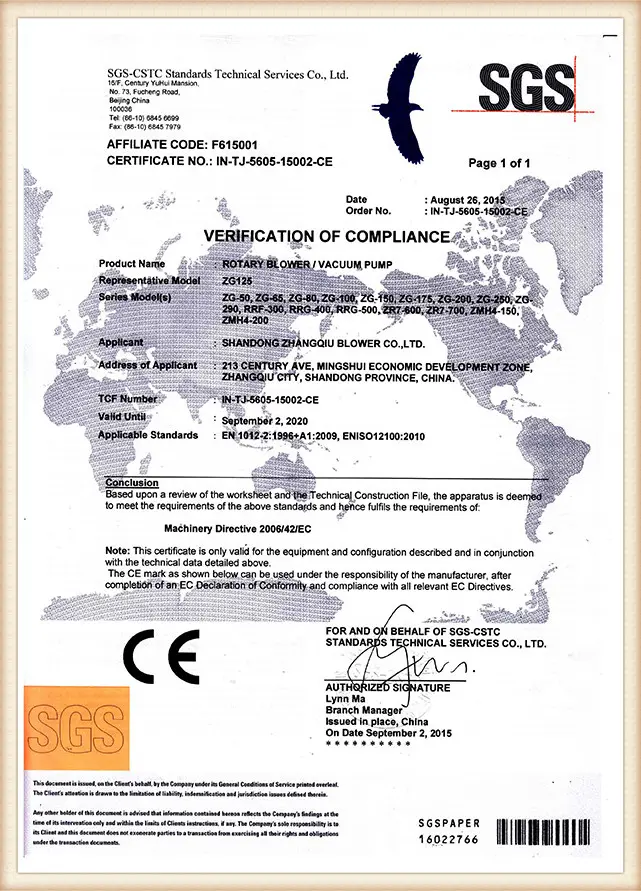
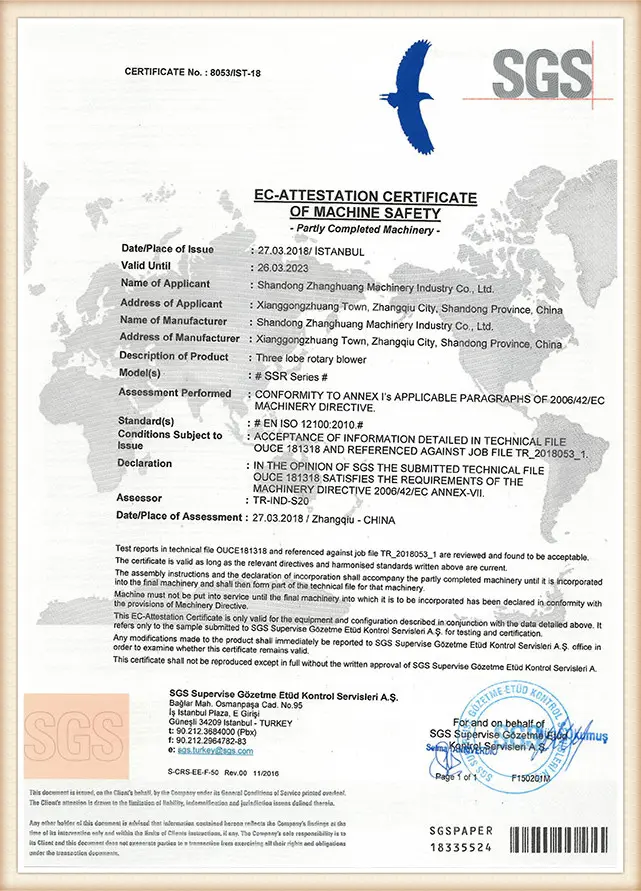
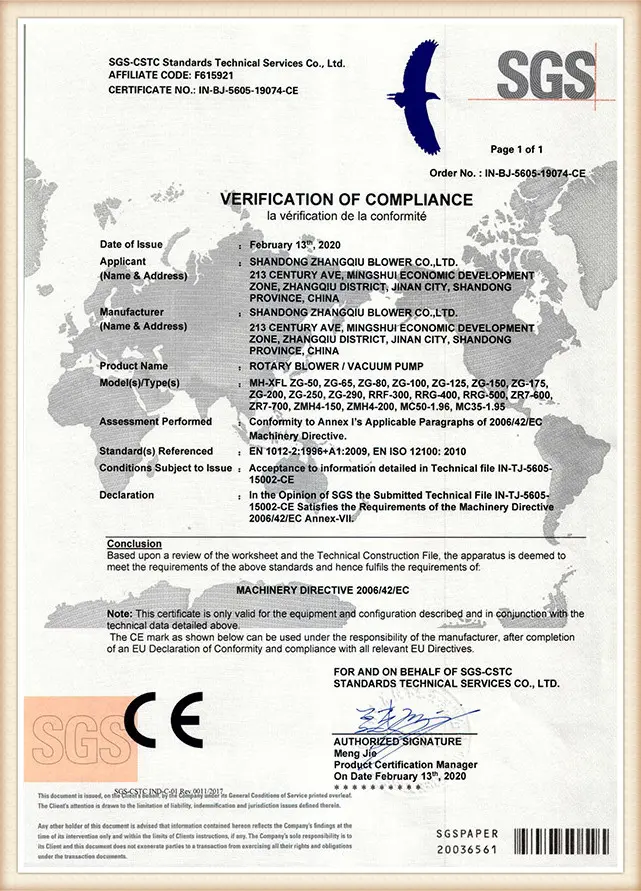
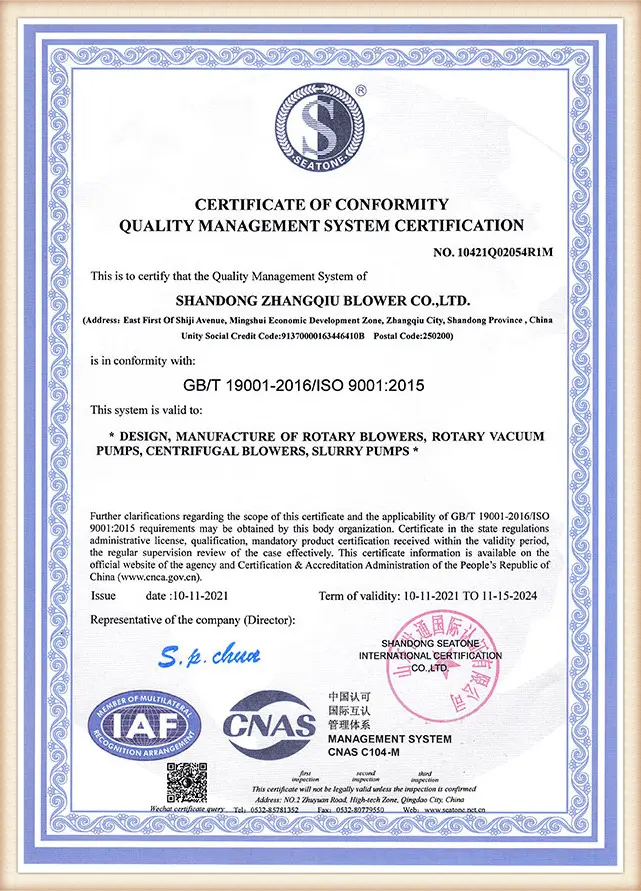
Certified to ISO9001, ISO14001, ISO50001, and ISO 10012. Products comply with CE, Safety Marks for Mining, and 3C standards.
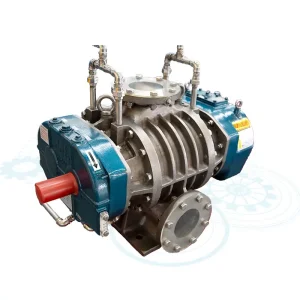
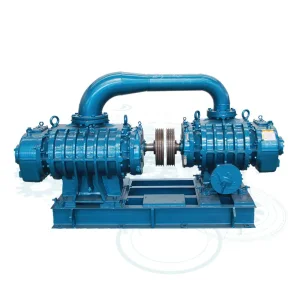
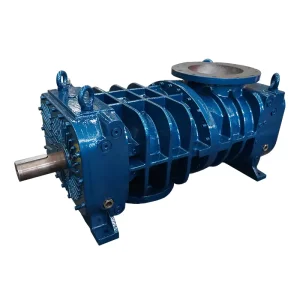
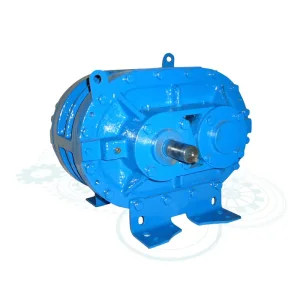
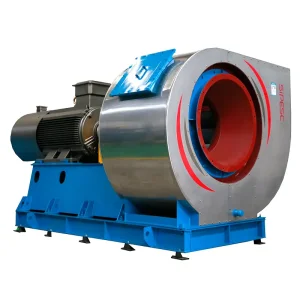
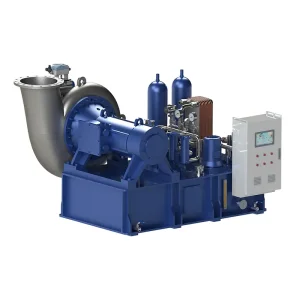
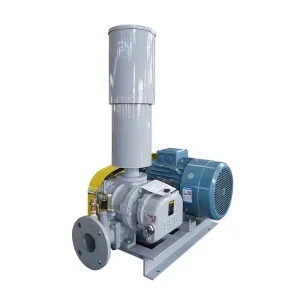
ZCBC manages a complete product portfolio including Roots blowers, centrifugal blowers, industrial pumps, and pneumatic conveying systems. Operating income reaching 1.5 billion yuan in 2020 demonstrates the brand's production capacity and financial stability, making it a reliable partner for global OEM and procurement projects.
Cantilever vertical pumps are critical components in several heavy-duty industries. Choosing the right design requires matching fluid dynamics with material science.
Tailings transfer, flotation froth processing, and heavy media cyclones require pumps that can handle coarse slurries with minimal wear. High-chrome cantilever pumps are designed to resist localized wear from heavy solid impacts.
From coal washing water loops to fly ash sumps and flue gas desulfurization (FGD) systems, cantilever pumps provide reliable operation in pits where solids settle rapidly.
Corrosive effluents with abrasive particulates demand chemically inert wet-end configurations. Manufacturers like ZCBC offer specialized coatings and ceramic-lined wear components to address these challenging environments.
Recognizing that sump configurations vary, ZCBC provides customized 3D CAD design files within 24 hours of receiving draft concepts or photos, ensuring the pump matches site specifications.
To maintain a competitive edge, ZCBC utilizes modern manufacturing design workflows, including Product Lifecycle Management (PLM) and Computer-Aided Manufacturing (CAM). By applying Computer-Aided Process Design (CAPP) and CNC technology, the precision of impeller profiles and shaft alignments is tightly controlled.
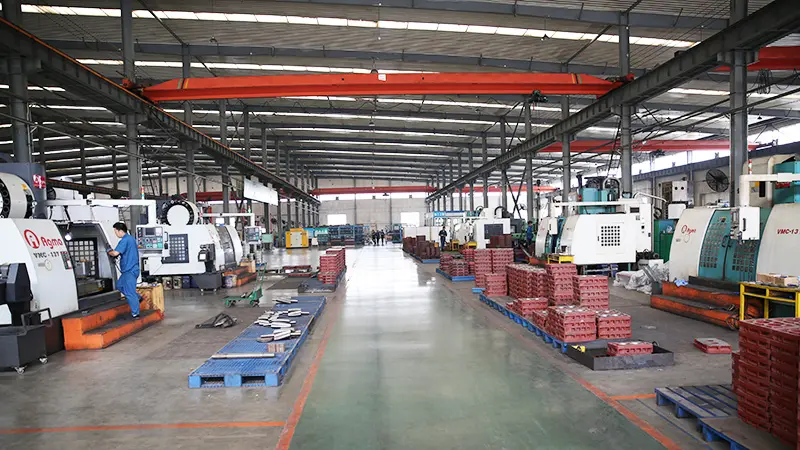
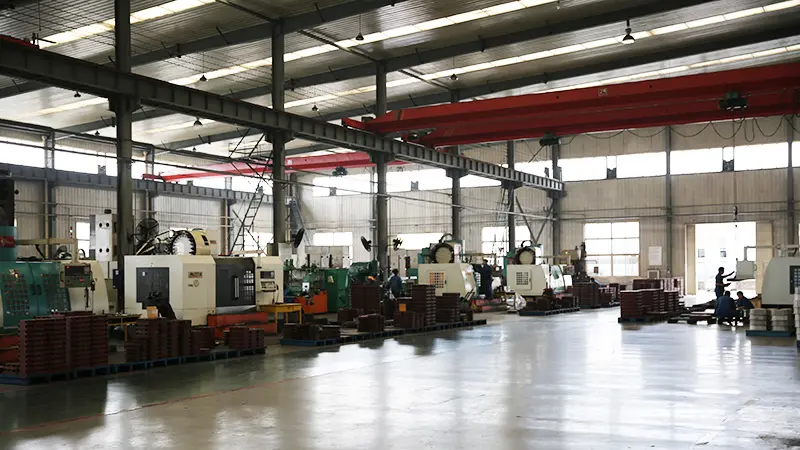
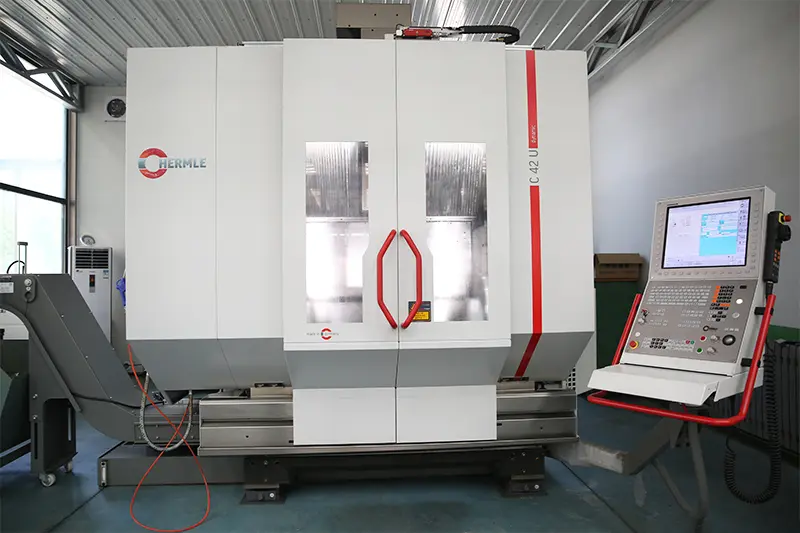
Our manufacturing facilities feature more than 100 sets of advanced processing equipment, including five-axis machining centers, three-coordinate measuring instruments, and ultrasonic testing equipment imported from Germany and Japan. These technologies enable high-accuracy machining and quality verification.
Under the direction of Chairman Fang Rungang, ZCBC has followed the strategy: "Develop main business, pioneer new fields and innovate, cooperate to be a great company". This philosophy underpins the team's commitment to the motto "Do it, do the best."
ZCBC has established a US branch, joint ventures, and a specialized export division to support its international customer base. The company's products are exported to over 70 countries and regions across Europe, North America, and Southeast Asia.
By integrating design, manufacturing, sales, and aftermarket service, ZCBC operates as a full-service partner for wastewater projects, pneumatic conveying, and industrial pump operations.
Cantilever pumps place all bearings and shaft seals above the sump water level. Standard submersible pumps operate with seals and bearings submerged in the slurry, which increases the risk of seal failure and motor contamination. Eliminating submerged wearing elements helps reduce maintenance frequency and TCO.
Yes. Because there are no mechanical shaft seals or packing glands requiring lubrication or cooling water at the wet end, these pumps can run dry indefinitely without damaging critical mechanical components. This is beneficial in sumps with variable inflow rates.
Without submerged support bearings, cantilever shafts generally extend up to 1.8 to 2.4 meters. Extensions beyond this length require suction pipe attachments to draw fluid from deeper levels while keeping the physical shaft length within safe deflection limits.
High-chrome alloys (like Cr27) are suitable for handling slurries with sharp, coarse particles and high-velocity flows. Elastomer liners are generally used for fine, corrosive solids, but can be damaged by oversized or sharp debris.
We use SolidWorks and ANSYS to perform finite element analysis (FEA) and computational fluid dynamics (CFD) simulations. Customers receive a 3D CAD drawing within 24 hours of submiting their specifications, helping to ensure the design meets application requirements before manufacturing begins.
 Zhangqiu