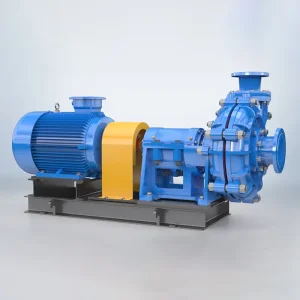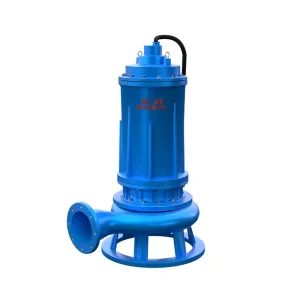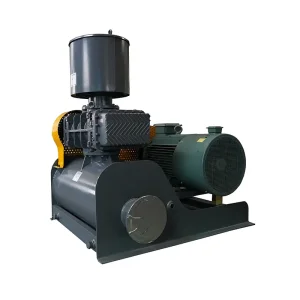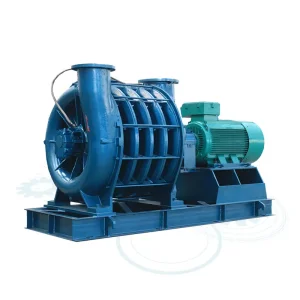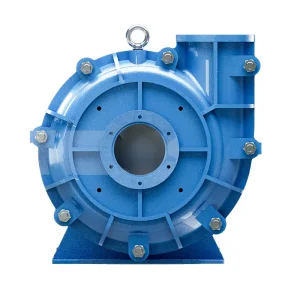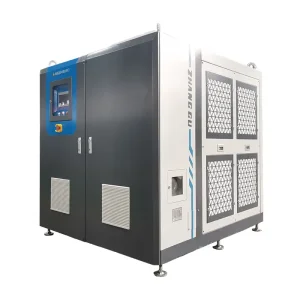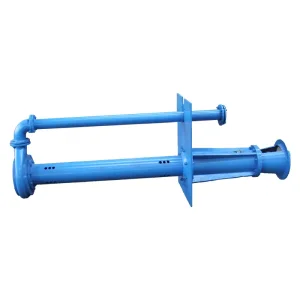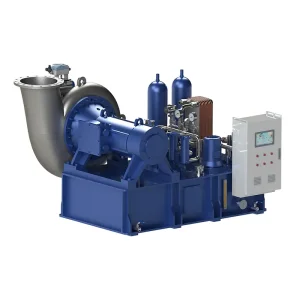
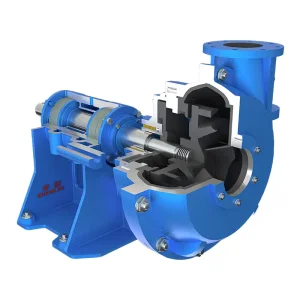
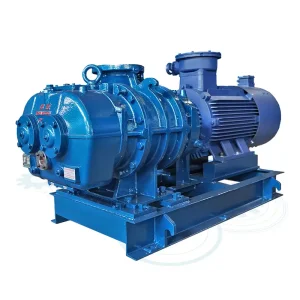
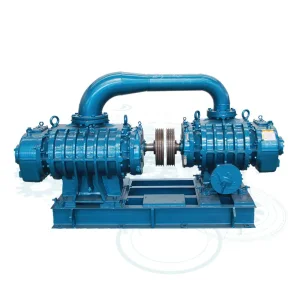
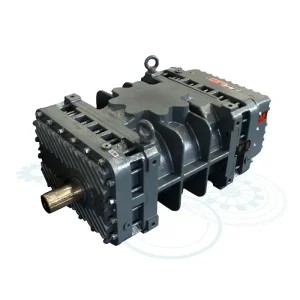
In modern industrial operations, pumps are the circulatory system of severe processing networks. From abrasive mine tailings and chemical slurries to coal-fired power plant flue gas desulfurization (FGD), the pump body (casing) faces extreme forces of mechanical abrasion, high-velocity erosion, and chemical corrosion. In these demanding environments, standard cast iron or mild steel pump casings fail rapidly, leading to frequent shutdowns, expensive maintenance cycles, and lost production time.
A Hard Alloy Pump Body, constructed from wear-resistant high-chromium alloys, tungsten carbides, or custom cobalt-nickel matrices, provides the ultimate shield against wear. While initial sourcing costs can be higher, working with professional cheap hard alloy pump body manufacturers allows global enterprises to minimize their Total Cost of Ownership (TCO). In this context, "cheap" does not define a compromise in quality; rather, it refers to cost-effective metallurgical engineering, optimized production economics, and direct supply chain advantages achieved by top-tier Chinese manufacturers.
"Choosing the right hard alloy formulation can extend the operational life of a pump casing by 300% to 500% compared to standard materials, translating into millions of dollars saved in downtime prevention."
The pump body is not merely a static protective shell; it is a pressure vessel designed to guide fluids efficiently. Any internal wear alters the hydraulic profile of the pump, causing turbulence, reducing efficiency, and increasing energy consumption. Advanced hard alloy foundries utilize state-of-the-art casting techniques and precise metallurgical composition control to ensure that the interior surfaces of the pump body maintain their wear profile over hundreds of operating hours under severe slurry impact.
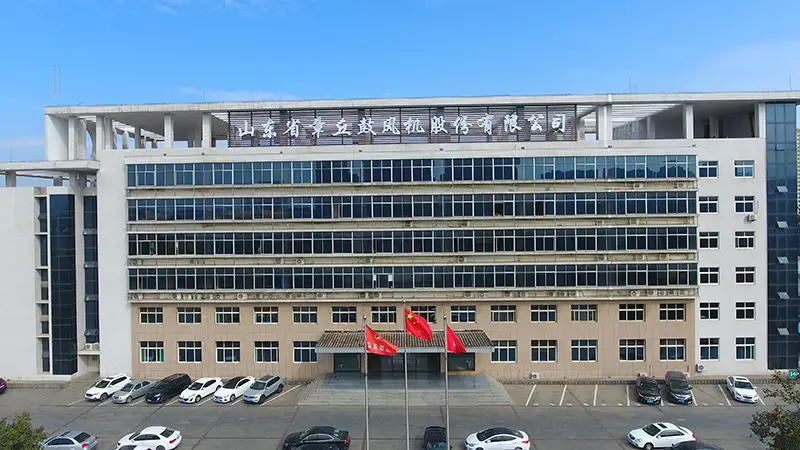
Originally founded as Shandong Zhangqiu Blower Works, Shandong Zhangqiu Blower Co., Ltd. (ZCBC) has grown over more than half a century into a listed manufacturing powerhouse (Stock Code: 002598 on the Shenzhen Stock Exchange since July 7, 2011). With a core philosophy centered on "Develop main business, pioneer new fields and innovate, cooperate to be a great company" and the operating motto of "Do the best," ZCBC has established itself as the leading enterprise in China’s fluid machinery and industrial pump sector.
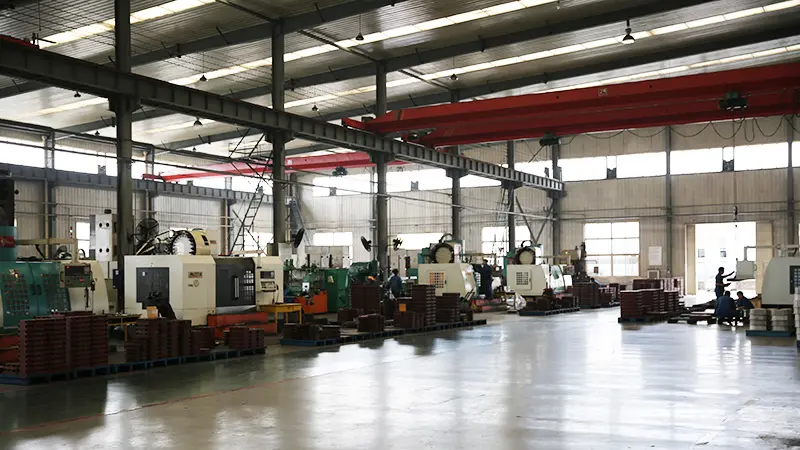
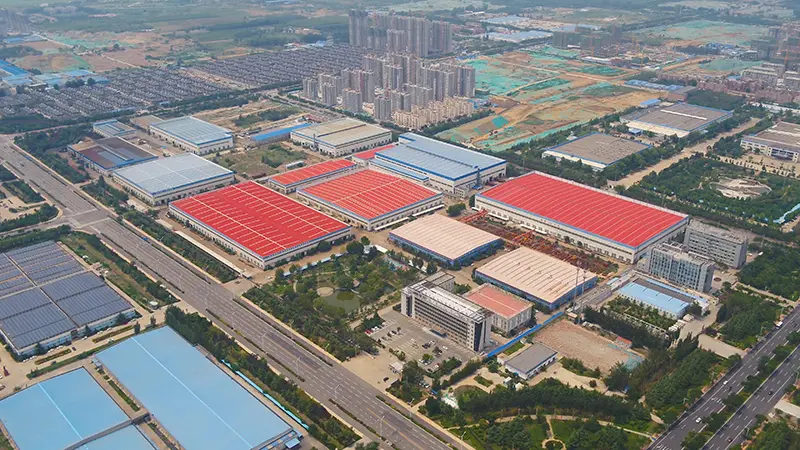
Operating from a state-of-the-art 430,000 square meter high-standard modern industrial park since 2005, ZCBC integrates design, metallurgical casting, precision machining, and after-sales field support. The group houses 20 holding companies with manufacturing bases in Wuxi (Jiangsu), Dongguan (Guangdong), Chenzhou (Hunan), and Jinchang (Gansu), supported by specialized R&D centers in Beijing, Shanghai, Shijiazhuang, and Wuxi. This extensive infrastructure enables ZCBC to supply high-performance hard alloy pump bodies and complex slurry pumps to global buyers.
ZCBC is also proud to host two Sino-Japanese Joint-ventures and one USA branch, demonstrating our commitment to international trade standards and strong global delivery. Our robust R&D team features experts receiving the State Council's special allowances, engineering scholars, and postdoctoral researchers who collaborate with Tsinghua University and Xi'an Jiaotong University.
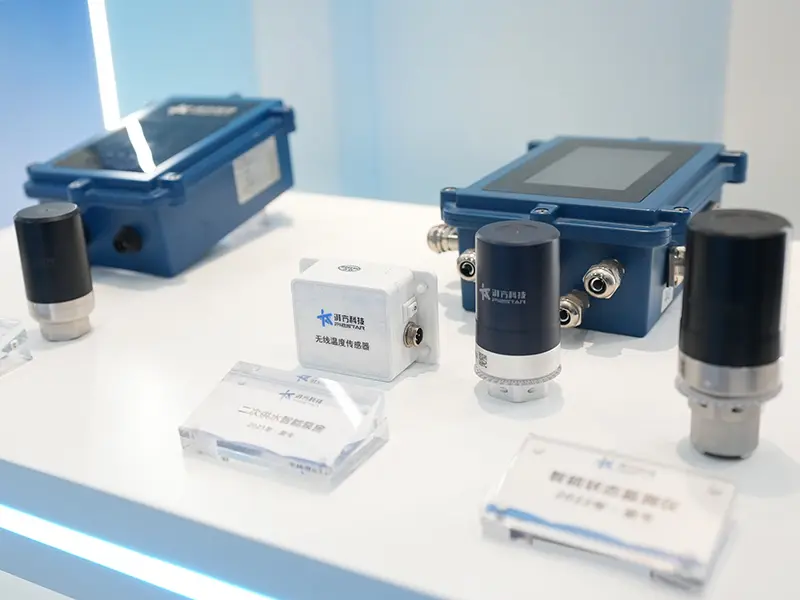
To produce high-quality hard alloy pump bodies, ZCBC relies on advanced melting systems, computerized thermal analysis, and precise spectrographic testing before pouring. Our foundries can cast diverse wear-resistant materials, including hypereutectic high-chromium cast irons (up to 30% Cr), duplex stainless steels, and hard carbide-reinforced composites. Every batch of castings undergoes non-destructive testing (NDT), including ultrasonic and radiographic examinations, ensuring zero internal defects and porosity.
Global procurement teams frequently turn to China for hard alloy pump bodies, not only due to competitive pricing but also for the unparalleled manufacturing ecosystem that Chinese factories offer. When sourcing from premium Chinese manufacturers like ZCBC, global enterprises leverage the following benefits:
China controls a substantial portion of the global raw material supply for crucial hard alloy elements like tungsten, cobalt, and high-purity chromium. This localized access insulates Chinese foundries from global commodity price spikes, allowing them to pass savings directly to the customer.
Top-tier Chinese factories utilize automated molding lines, reducing lead times for complex castings. ZCBC’s engineering team provides detailed 3D CAD models and hydraulic drawings within 24 hours of receiving a client’s design request, accelerating project execution.
Leading Chinese foundries align strictly with international quality regimes, holding ISO 9001, ISO 14001, and ISO 50001 certifications. Materials conform to ASTM A532 (Standard Specification for Abrasion-Resistant Cast Irons) and CE directives for pressurized systems.
The longevity of a pump casing relies heavily on selecting the correct metallurgical grade. Not all abrasive environments are identical; some involve high-impact forces, while others combine high acidity with particulate erosion. ZCBC’s metallurgical labs carefully balance hardness (resistance to penetration) and toughness (resistance to fracturing under impact) using several main alloys:
| Alloy Grade | Typical Chemical Composition | Hardness (HRC) | Primary Industrial Application |
|---|---|---|---|
| High Chrome (Cr27) | 27% Cr, 2.5% C, bal Fe | 58 - 62 HRC | General mining slurry, tailing transfer, heavy sand dredging. |
| High Chrome + Mo (Cr15Mo3) | 15% Cr, 3% Mo, 1.5% Cu, bal Fe | 60 - 65 HRC | Extreme slurry impacts where thermal stresses or mild acids are present. |
| Hyper-Chrome (Cr30) | 30% Cr, with Ni & Mo additions | 55 - 60 HRC | Acidic environments, flue gas desulfurization (FGD) systems. |
| Tungsten Carbide Matrix | WC-Co/Ni hard cladding or inserts | > 70 HRC equivalent | Localized high-wear zones, impeller tips, cutwater sections. |
In hypereutectic high-chromium cast irons, carbon reacts with chromium during solidification to form primary M7C3 carbides. These carbides, with an individual hardness of up to 1500 HV, are embedded in a tough martensitic matrix. This microstructural combination provides excellent resistance to micro-cutting by abrasive quartz and silica particles.
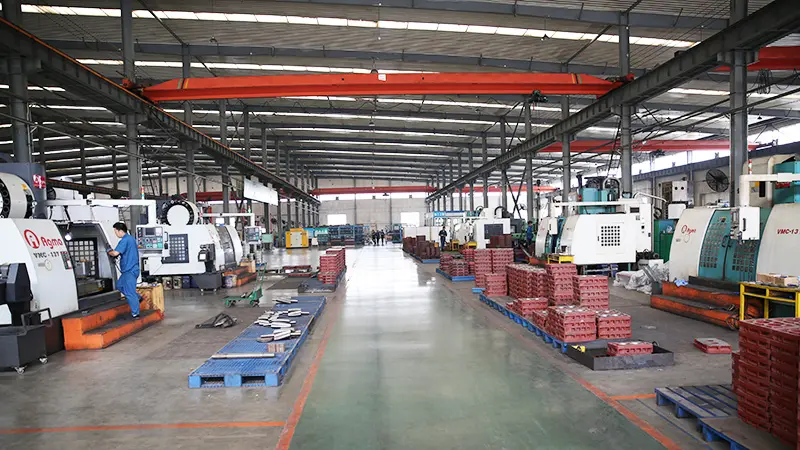
Casting hard alloy pump bodies is only the first step. The critical properties are unlocked during the heat-treatment process. ZCBC utilizes computer-controlled electric heat-treatment furnaces to carry out precise air quenching and tempering. This process eliminates retained austenite, which can cause dimensional instability and brittleness, and optimizes the uniform distribution of chromium carbides throughout the matrix.
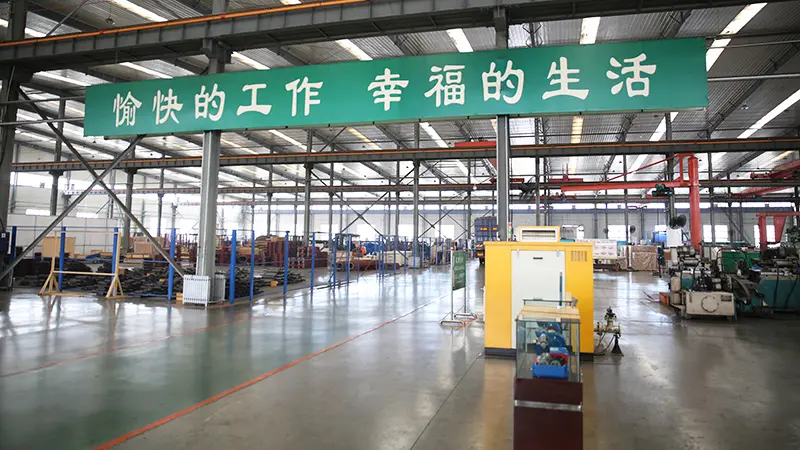
Hard alloy pump bodies are designed for high-stress applications across critical industrial operations:
In flotation circuits, the slurry pump handling frothy mineral mixtures experiences uneven wear due to localized turbulence and air pockets. Standard chrome alloy pumps can develop localized pitting. ZCBC solved this issue for a major mining site by applying a modified low-carbon, high-chromium-molybdenum alloy pump body. This material combination resisted both mechanical wear and corrosion from flotation chemicals, extending the casing's service life by more than double.
The fluid machinery sector is experiencing rapid technological evolution. ZCBC is helping drive this change by integrating advanced manufacturing technologies:
When sourcing hard alloy pump bodies, global procurement departments can sometimes make the mistake of focusing solely on the purchase price. However, the initial purchase price represents only a fraction of the component's lifetime cost. A complete TCO analysis includes:
By partnering with ZCBC, international buyers gain access to advanced design capabilities, material traceability, and prompt engineering support, ensuring reliable, high-performance pump operations.
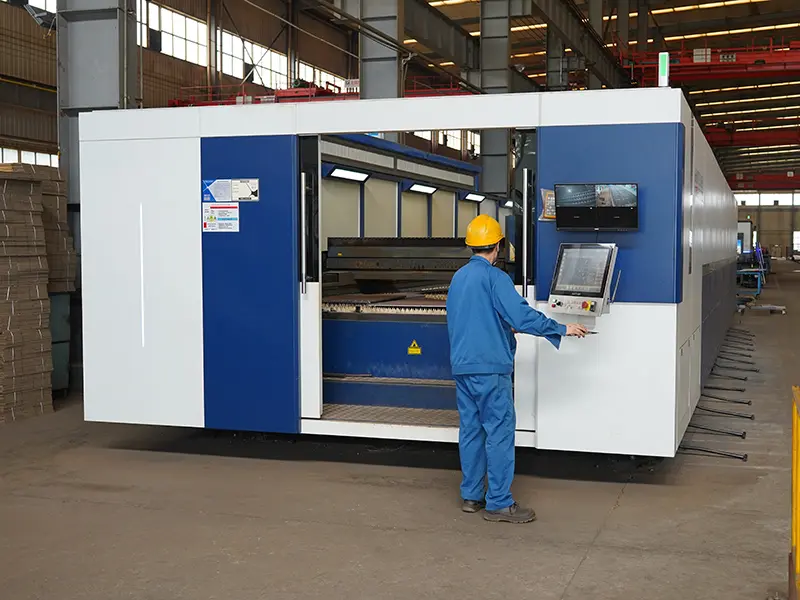
With over 30 years of direct export experience supplying industrial pumps and heavy blowers to over 50 countries, ZCBC provides comprehensive support to global clients. Our design team uses PLM (Product Lifecycle Management) and CAM systems to ensure all castings align perfectly with customer-specified pump assemblies.
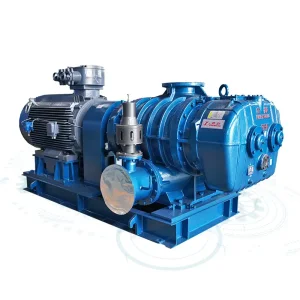
 Zhangqiu