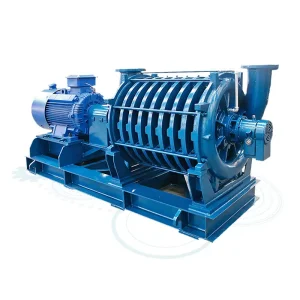
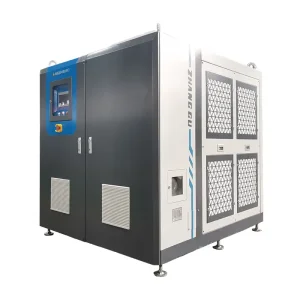
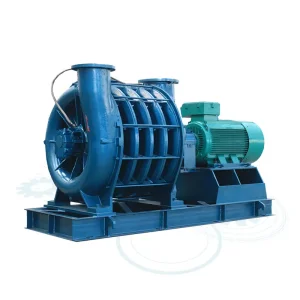
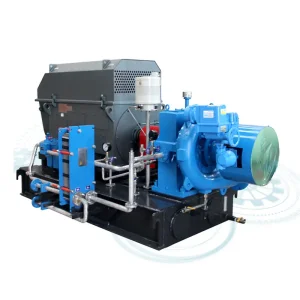
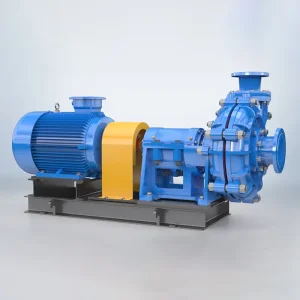
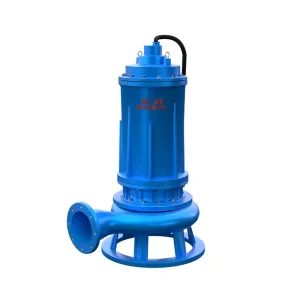
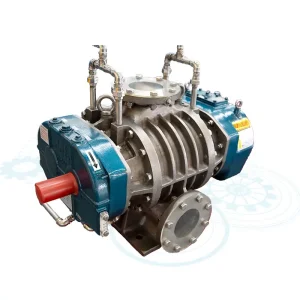
Explore our elite engineering selections including industrial aeration blowers, multi-stage compressors, and robust vertical slurry handling machinery built for tough municipal and industrial tasks.
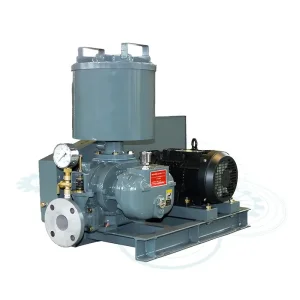
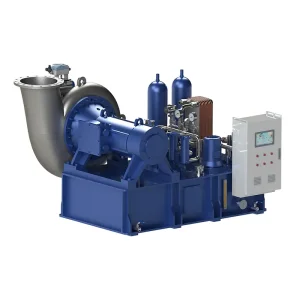
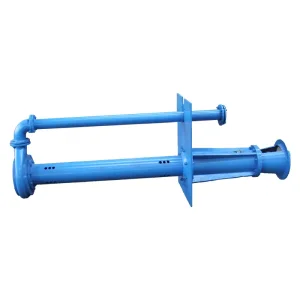
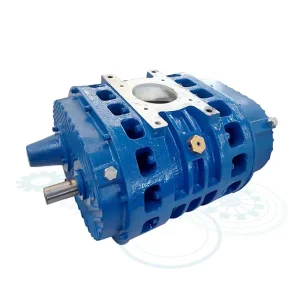
With over 50 years of experience in engineering design and advanced fluid machinery manufacturing, Shandong Zhangqiu Blower Co., Ltd. (formerly known as Shandong Zhangqiu Blower Works) stands as a prominent leading enterprise in China's industrial equipment sector. We operate two Sino-Japanese Joint-Ventures and one specialized USA branch, representing the pioneer Chinese blower manufacturer to build dedicated overseas divisions.
Our overall development strategy centers on: "Develop main business, pioneer new fields and innovate, cooperate to be a great company". Guided by our corporate philosophy of "Do the best", our unified solutions cover the full lifecycle (design, manufacturing, and global sales) of Roots blowers, centrifugal machinery, environmental waste water treatment systems, slurry and desulfurization pumps, and turn-key MVR crystallization evaporation units.
An engineering deep dive into mechanical reliability, Net Positive Suction Head (NPSH), abrasive wear prevention, and cost-efficient configuration profiles.
Unlike pure liquids, slurries exhibit complex non-Newtonian behavior, demonstrating varying viscosity profiles based on velocity gradients. Pumping dense particulate mediums requires precise velocity margins to prevent particle settling (which blocks pipelines) while avoiding excessive speeds that exacerbate internal hydraulic abrasion. Our computational fluid dynamics (CFD) optimizations verify stable flow limits for high solid concentration limits up to 65% weight ratio.
Inlet Pumps: Positioned at the beginning of the process loop. Must offer superior priming capacities, tolerate high gas entrapment, and withstand varying suction heads. Often feature semi-open impellers to ensure passage of larger biological debris and solid waste.
Outlet Pumps: Positioned at the system discharge. Engineered to deliver high discharge heads and resist back-pressures, typically utilizing closed or specialized vortex impellers to limit recirculation wear.
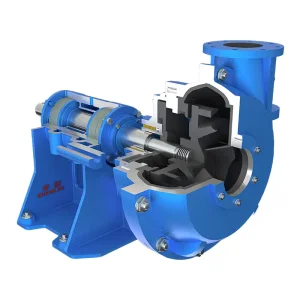
Our heavy-duty slurry pumps integrate wear liners forged with High-Chrome Alloys (up to Cr27/Cr30 hardness levels exceeding 60 HRC) and specialized vulcanized natural rubber compounds. This hybrid design allows modules handling fine, sharp abrasives to withstand severe impact fatigue. Our proprietary dual-adjustable side clearances help operators maintain high volumetric efficiency during extended lifecycles.
| Performance Metrics | Inlet Charging Pump (Typical ZJQ/TZJ Series) | Outlet Discharge Pump (High Head Configuration) | Polymer Slurry Applications |
|---|---|---|---|
| Solid Concentration limit | Up to 45% (by volume) | Up to 65% (by weight) | Up to 30% (semi-viscous) |
| Max Particle Diameter (Pebbles/Aggregates) | 40mm – 95mm | 15mm – 45mm | Under 10mm |
| Impeller Configuration Design | Open or Semi-Open (Dual Vanes) | Closed High-Chrome wear-resistant | Non-clogging Vortex Impeller |
| Recommended Material Liners | Elastomeric / Polyurethane liners | High-Chrome Alloys (Cr27) / Silicon Carbide | Hardened Cast Iron / Duplex Stainless Steel |
| Maintenance Focus Area | Suction mouth clearance & primary seal packing | Impeller casing wear & mechanical seals | Gland cooling & cavitation indices |
How modernized industrial slurry tank pumps drive global commercial infrastructure, chemical desulfurization, and advanced waste treatment loops.
In global mining setups, tailings and mineral flotation systems require high-pressure transport pipelines. Cheap yet premium-built slurry tank inlet and outlet pumps are vital to charge thickener tanks and discharge waste slurries into settling zones. Standardizing on high-durability seals reduces unexpected plant shutdowns, directly enhancing recovery index rates in Gold, Copper, and Coal preparation plants.
Anaerobic digestor tanks process animal manure, agricultural runoffs, and thick sewer mud. Operating continuously, these systems rely on slurry pumps to charge the digesters and discharge the treated output. Our anti-clogging open impellers and heavy-duty wear-resistant components prevent straw, synthetic fibers, and sand particles from halting wastewater digestion lines.
Power plants utilizing wet flue gas desulfurization (FGD) systems handle high-temperature, highly corrosive limestone-gypsum mixtures. Standard cast-iron components break down rapidly under these conditions. Our customized slurry pumps utilize duplex stainless steel (SS304/SS316/Duplex 2205) to ensure reliable performance under low pH conditions.
In cooperation with Wuxi, Beijing, and Shanghai research centers, Shandong Zhangqiu Blower Co., Ltd. provides comprehensive engineering configurations that link MVR concentration systems with slurry discharge stations. Combining forced circulation loops with high-pressure, corrosion-resistant slurry pumps provides chemical manufacturing plants with optimal crystal separation and process reliability.
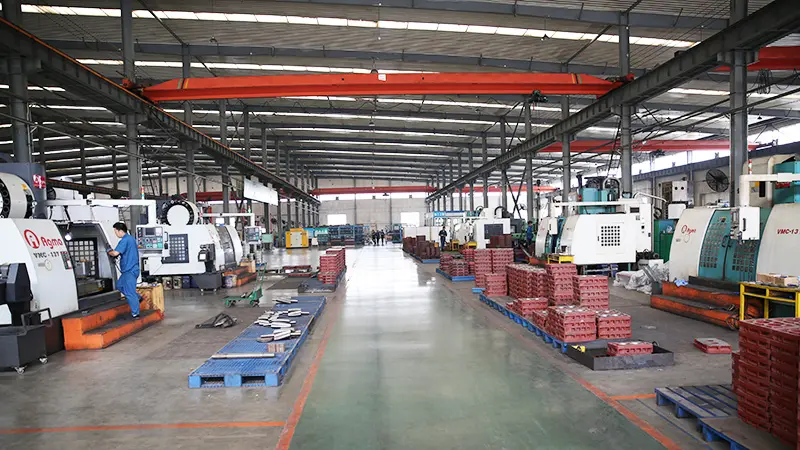
Deploying heavy machinery globally requires strict alignment with localized regional standards. Shandong Zhangqiu Blower Co., Ltd. ensures all slurry installations and blower modules meet standard quality guidelines:
Scenario: Low-cost, highly-durable inlet-outlet pumps deployed to process sand-bedded dairy waste.
Result: Replacing standard pumps with our high-chrome impellers doubled lifetime expectancy from 11 to 24 months, significantly reducing maintenance overheads.
Scenario: High-solids wastewater sludge treatment featuring closed digestion loops.
Result: Integration of ZW Series Roots Blower aeration alongside TZJ slurry pumps optimized oxygen flow while reducing energy consumption by 15%.
Scenario: Heavy iron-ore pulp transport from primary ball mill sumps.
Result: Vertical Submerged Slurry Pumps operating 24/7 achieved uninterrupted runs, maintaining high-volume throughput over long distances.
Shandong Zhangqiu Blower Co., Ltd. operates state-of-the-art product development and testing centers. Leveraging advanced design tools, we shorten the design cycle and ensure high precision for specialized applications:
Our manufacturing and processing lines integrate CNC machining centers, five-axis machining tools, and three-axis coordinate measuring systems imported from Japan and Germany. We utilize Product Lifecycle Management (PLM) alongside Computer-Aided Process Planning (CAPP) systems to ensure each slurry pump and blower module complies with tight design tolerances.
Our design team provides custom 3D CAD modeling within 24 hours, converting client concepts or dimension drawings into manufacture-ready profiles.
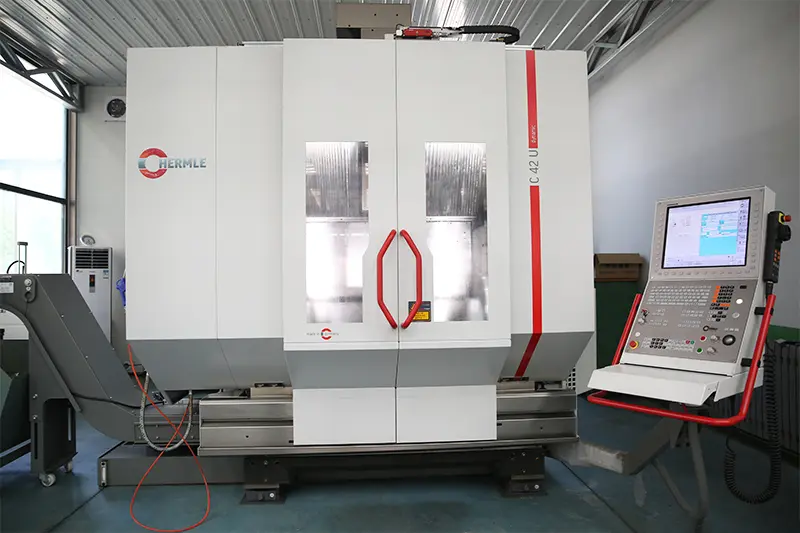
How our R&D divisions optimize industrial pump design to deliver long-term efficiency and support Industry 4.0 integration.
By simulating multiphase fluid transport using advanced software, we optimize impeller profiles to reduce wear-intensive turbulence zones. This enhances hydraulic efficiency by up to 4% and lowers initial power requirements.
To resist highly acidic mining runoffs and corrosive chemicals, we are developing silicon carbide (SiC) and ceramic-matrix composite liners. These materials offer exceptional resistance to chemical degradation and abrasive wear.
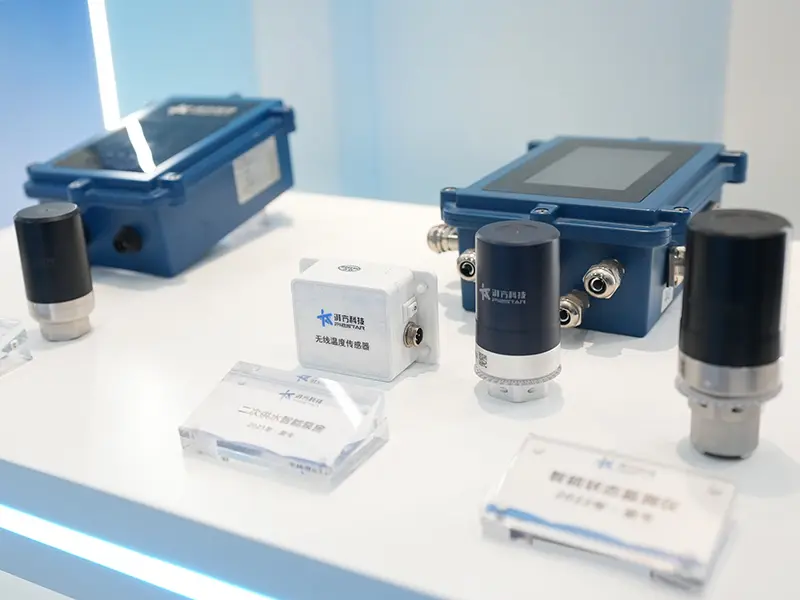
Integrating vibration sensors, temperature probes, and seal pressure transducers directly into the pump frames. Real-time data streams warning operators of cavitation or bearing wear before system damage occurs, reducing unplanned downtime.
Professional engineering answers to common technical queries on slurry pump installations, wear mitigation, and system sizing.
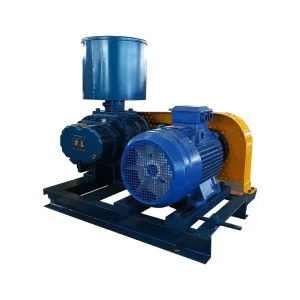
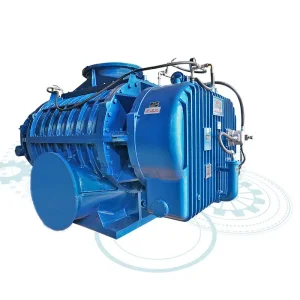
Our comprehensive range of Roots-type compressors, screw blowers, and specialized froth handling pumps for heavy mineral concentration, pneumatic conveying, and processing duties.
 Zhangqiu