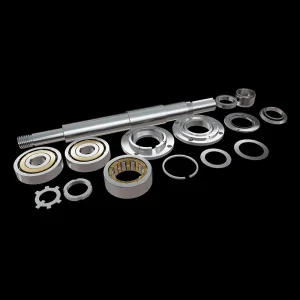
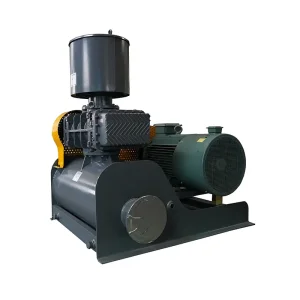
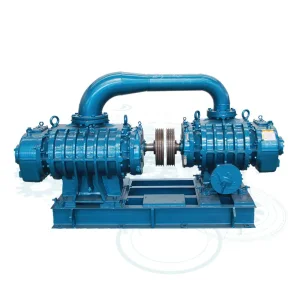
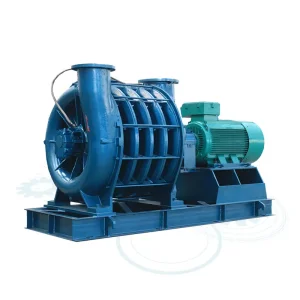
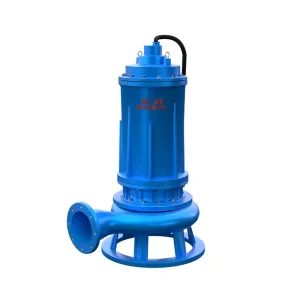
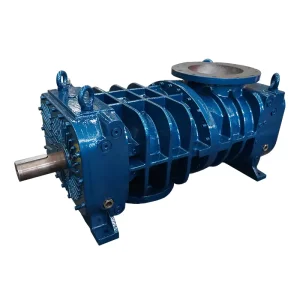
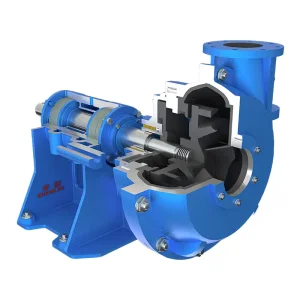
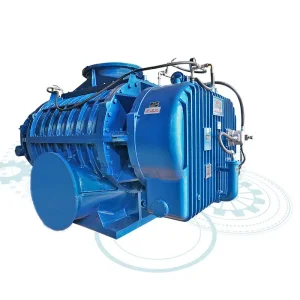
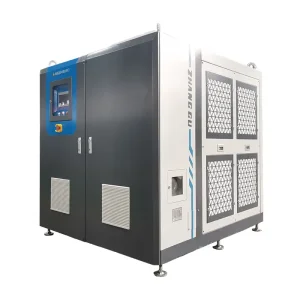
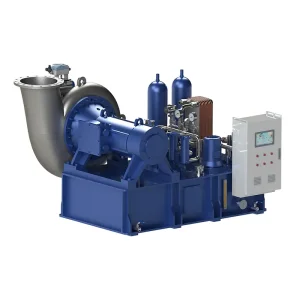
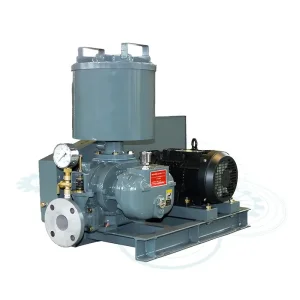
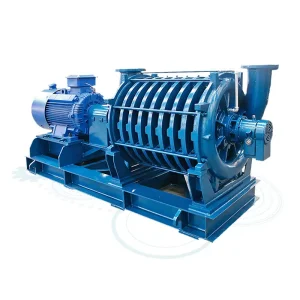
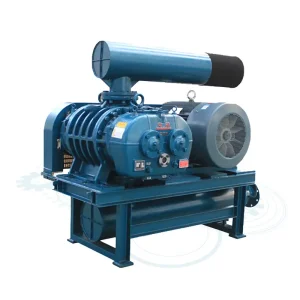
Explore our premium range of heavy-duty positive displacement blowers, vacuum technologies, and specialized mineral processing pumps engineered for low maintenance and long-term operating life.
Within the thermodynamic layout of medium-to-high pressure thermal energy systems, the boiler feed water pump (BFP) acts as the operational heartbeat. BFPs must continuously overcome high static and dynamic pressures inside steam generators, operating under severe temperatures while maintaining absolute hydraulic stability. A disruption in the feed water loop directly impacts boiler efficiency and risks catastrophic failure of superheaters.
As a global leader with over 50 years of industrial design and manufacturing experience, Shandong Zhangqiu Blower Co., Ltd. (ZhangGu) has evolved from a pioneer in the blower industry into an integrated engineering house. We design and deliver custom, energy-efficient solutions for water-treatment loops, pneumatic transport, industrial blowers, and high-performance industrial pump systems designed to sustain continuous multi-stage boiler feed operations.
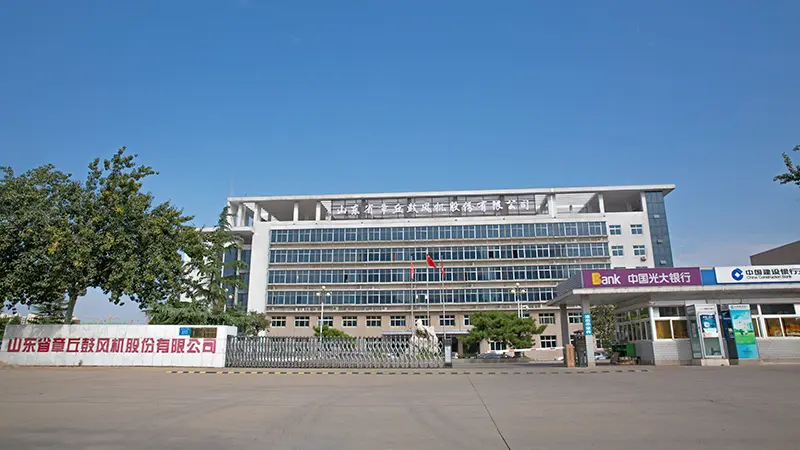
On July 7th, 2011, ZhangGu was officially listed on the Shenzhen Stock Exchange (Stock Code: 002598). By 2020, our parent company realized an operating income of 1.5 billion yuan and a profit of 150 million yuan. Over 20 holding companies, 4 domestic manufacturing bases, and 4 dedicated R&D centers empower our global supply chain.
Modern boiler feed loops face relentless degradation drivers: thermodynamic fluctuations, cavitation (NPSHa degradation), mechanical seal wear, high-pressure dynamic seals, and cross-phase steam leakage. A high-quality supplier must engineer pumps capable of maintaining dynamic structural integrity under rapid thermal shocks.
Our industrial pump lines utilize heavy cast iron, chrome-alloy steel casings, and precision-engineered impellers. Coupled with PLM (Product Lifecycle Management) software and CAPP (Computer Aided Process Planning) systems, each pump and spare part complies with rigorous international quality standards.
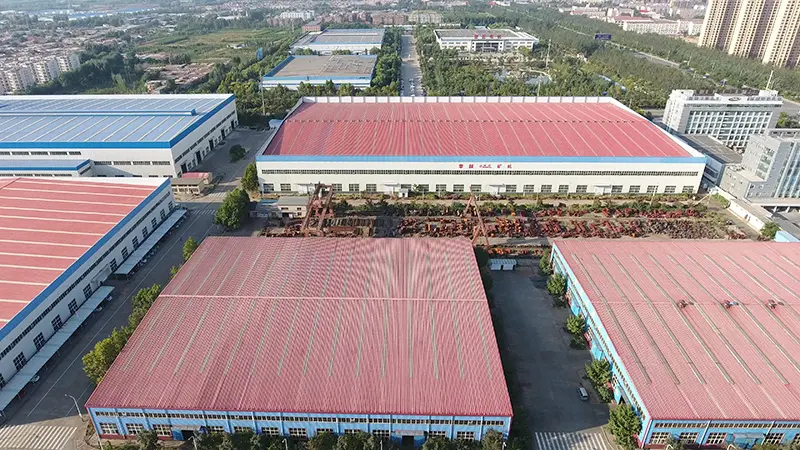
Data verified by independent third-party inspection agencies. We operate with structural rigor at every level of our 430,000 m² industrial park.
The global energy sector relies on a blend of economic feasibility, precision machining, and rapid manufacturing scalability.
Chinese factories like ZhangGu control the entire production chain. From raw alloy steel casting and heat treatment to five-axis CNC machining, static balance testing, and dynamic run-out verification, everything is handled in-house to reduce supply chain variance.
Our engineering division delivers initial 3D assembly models and detailed CAD drawings within 24 hours of customer drafts. Advanced simulation tools model fluid kinematics to minimize cavitation risks and pressure ripples.
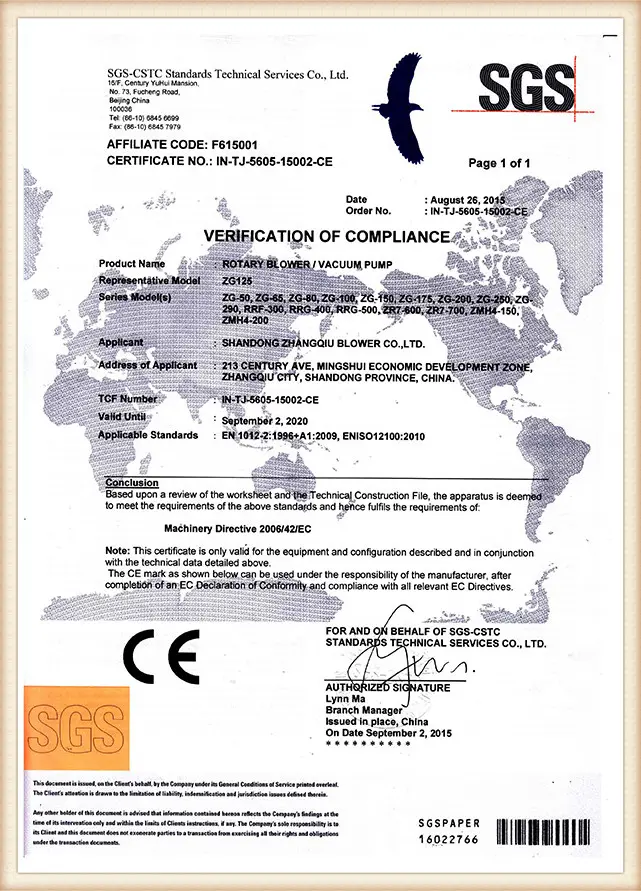
Our manufacturing workflow is certified under ISO9001 for quality, ISO14001 for environmental systems, and ISO50001 for energy management. Crucial high-pressure products conform to CE, mining safety marks, and CCC requirements.
Our machinery range spans multiple stages of utility and industrial plants. A boiler feed pump works as part of an integrated industrial loop, often running alongside vacuum pumps, cooling water systems, and gas handling equipment.
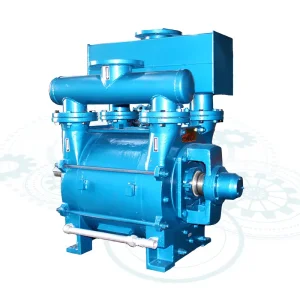
For instance, modern coal-fired power plants and heavy chemical processors utilize high-pressure boilers that depend on high-efficiency feed water pumps. These operations also require vacuum extraction loops (such as water ring vacuum pumps) to maintain condenser vacuum efficiency, alongside roots blowers for flue gas desulfurization (FGD) and fly ash pneumatic transport.
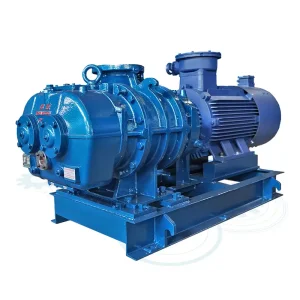
ZhangGu addresses these challenges by supplying integrated systems: Roots blowers for desulfurization, vacuum pumps for process suction, slurry pumps for waste handling, and specialized high-pressure feed water components.
Through our MVR evaporation, concentration, and crystallization units, we support zero-liquid-discharge (ZLD) strategies in chemical plants. This configuration redirects high-temperature condensate back into the boiler loop, helping to reduce thermal loss.
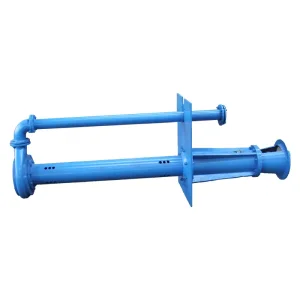
Heavy mining operations employ specialized vertical slurry pumps and foam slurry pumps to process mineral froths. Effective plant design links slurry recovery with boiler-condensate purification loops, reducing fresh water demand.
High-capacity Roots blowers supply the dry compressed air required for fly ash conveying system lines, keeping boiler combustion exhaust paths clear.
Our custom mechanical vapor recompressors save energy by recycling industrial exhaust steam, turning low-grade heat into high-temperature process energy.
How we address the practical demands of international engineering procurement contractors (EPCs) and operators.
Combined Heat and Power (CHP) Facilities: BFPs operating in cogeneration environments face variable load profiles. Our pumps feature speed control (VFD) compatibility to maintain high hydraulic efficiency across changing load points.
Chemical and Petrochemical Complexes: In refining environments, pump design must satisfy API 610 standards. Corrosive process steam requires high-grade stainless steel casings (such as duplex or super-duplex steels) to resist cavitation, corrosion, and oxidation.
District Heating Networks: Municipal boiler loops demand low vibration levels and consistent pressure heads. Utilizing high-efficiency Roots blowers and multstage blowers helps keep boiler draft rates aligned with water supply velocities.
International procurement departments require verified documentation and clear communications. ZhangGu operates a dedicated US subsidiary and a specialized foreign trade division to bridge international requirements, offering:
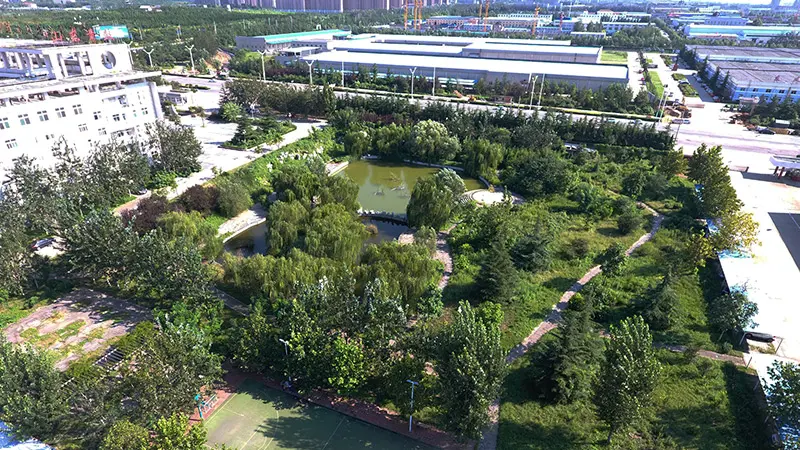
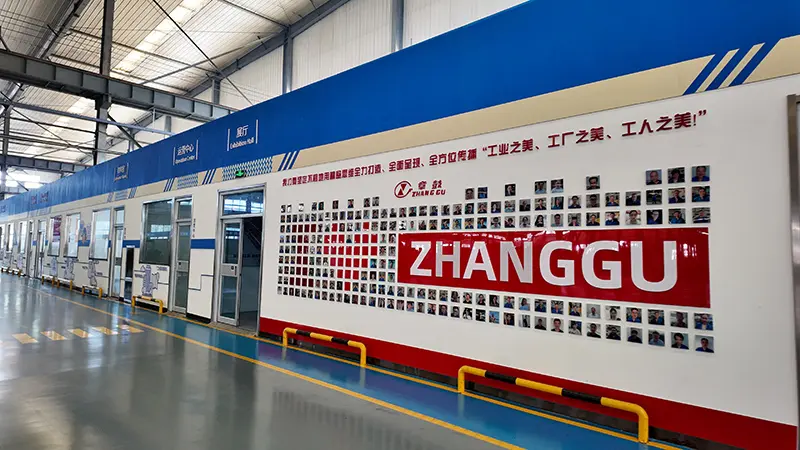
Pictures from our 430,000 m² high-standard modern industrial park, demonstrating our structural capacity, precision CNC lines, and global operations.
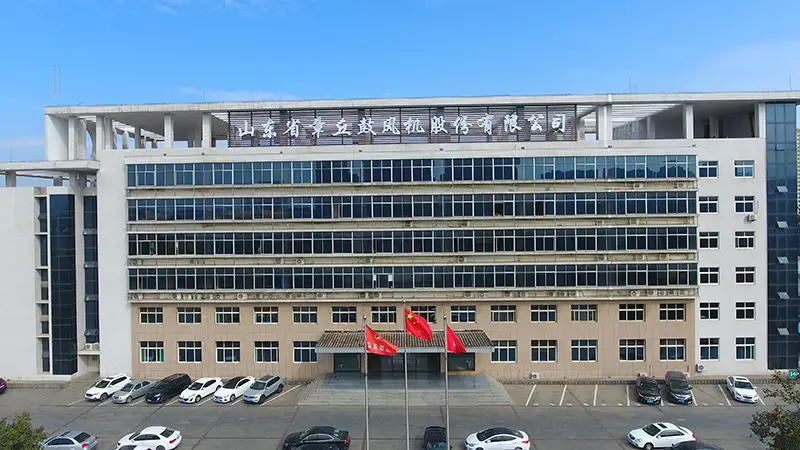
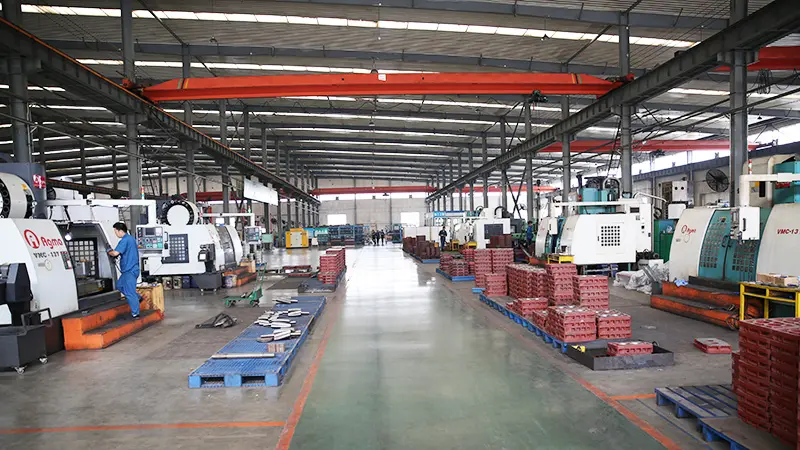
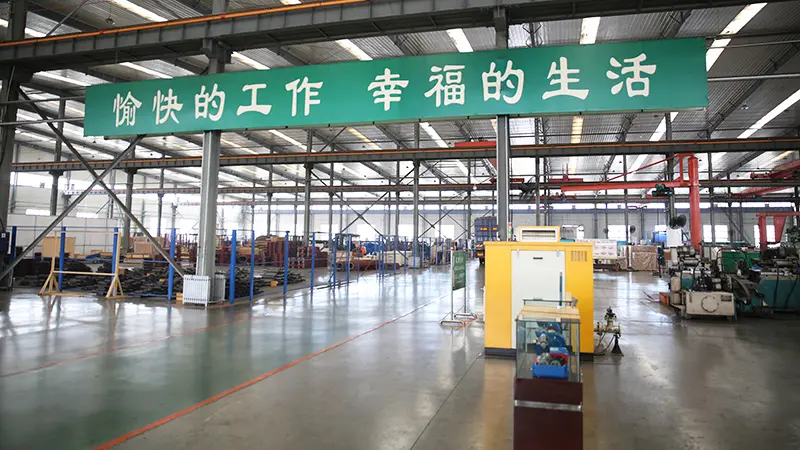
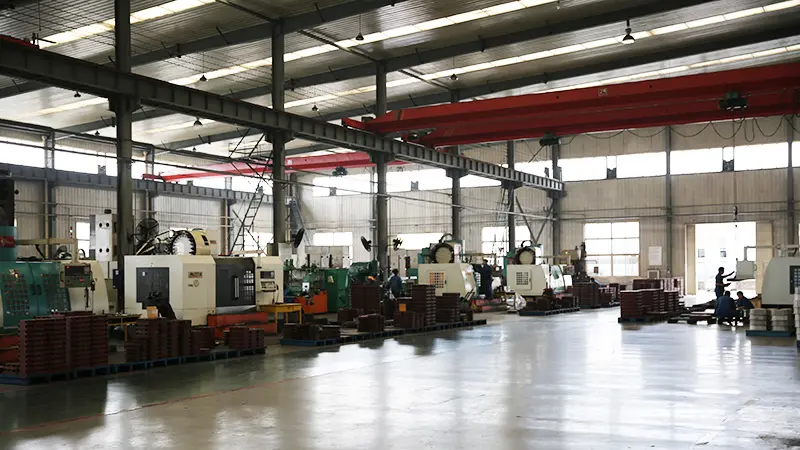
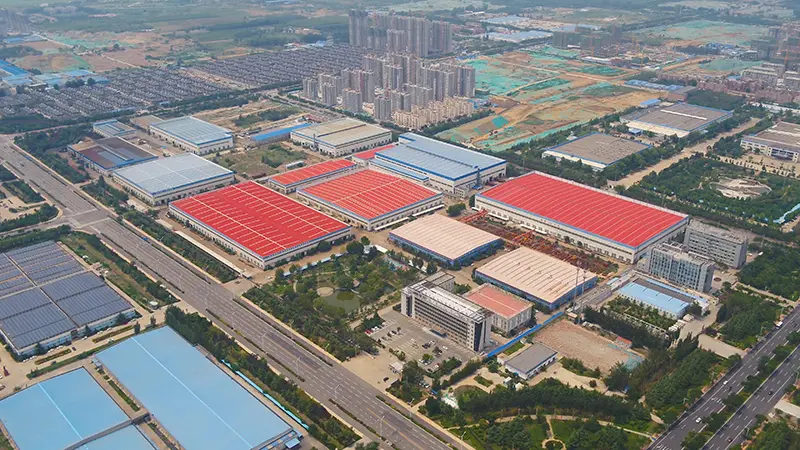
Our technical center works in collaboration with leading academic institutions, including Tsinghua University, Xi'an Jiaotong University, China University of Mining and Technology, and Shandong University. This cooperative framework helps us translate academic fluid dynamics research into industrial pump and blower applications.
We operate 100 sets of imported machining and testing systems, including CNC machining centers, five-axis machining centers, three-axis coordinate measuring instruments, and ultrasonic flaw detectors sourced from Japan and Germany. These systems support precise tolerances during dynamic impeller machining.
Our engineering software suite includes Product Lifecycle Management (PLM) systems, Computer Aided Manufacturing (CAM) tools, and Computer Aided Testing (CAT) setups, helping to reduce design iteration times and ensure structural consistency.
Our operating concept, "Do the Best", reflects the standards we apply across our engineering divisions. ZhangGu relies on a structured workforce of engineers, material scientists, and application technicians. Our postgraduate workstations train the next generation of engineers in desulfurization, vacuum system layout, and high-pressure fluid transportation.
Our engineering department delivers detailed structural drawings and 3D CAD files within 24 hours of customer drafts, helping to streamline procurement processes.
ZhangGu holds 69 patents, including 5 invention patents and 2 software copyrights. Our intellectual property spans anti-sticky impeller wear coatings, dynamic noise reduction, countercurrent cooling loops, and high-temperature sealing configurations. Our facilities operate under third-party certifications including ISO9001, ISO14001, ISO50001, and ISO10012, alongside CE and mining safety marks.
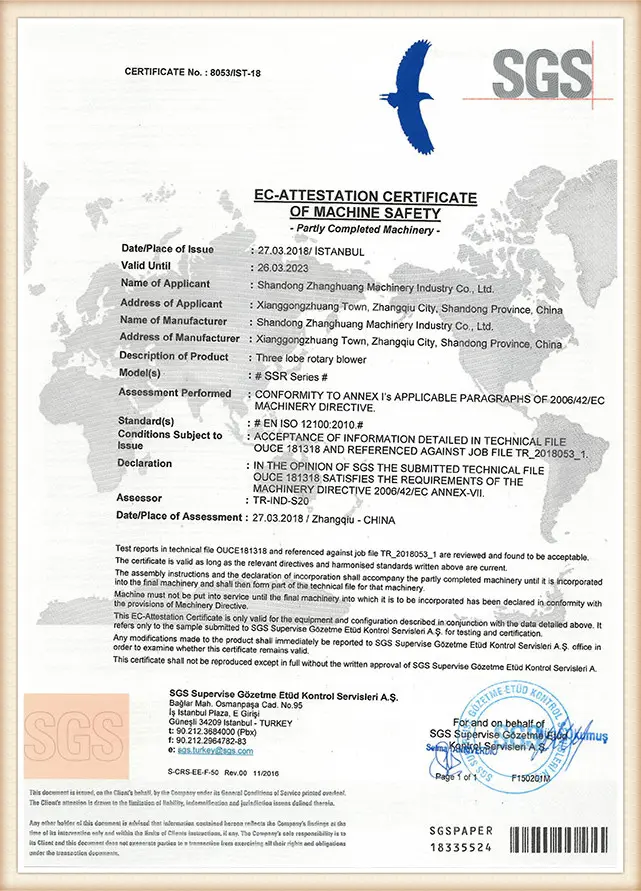
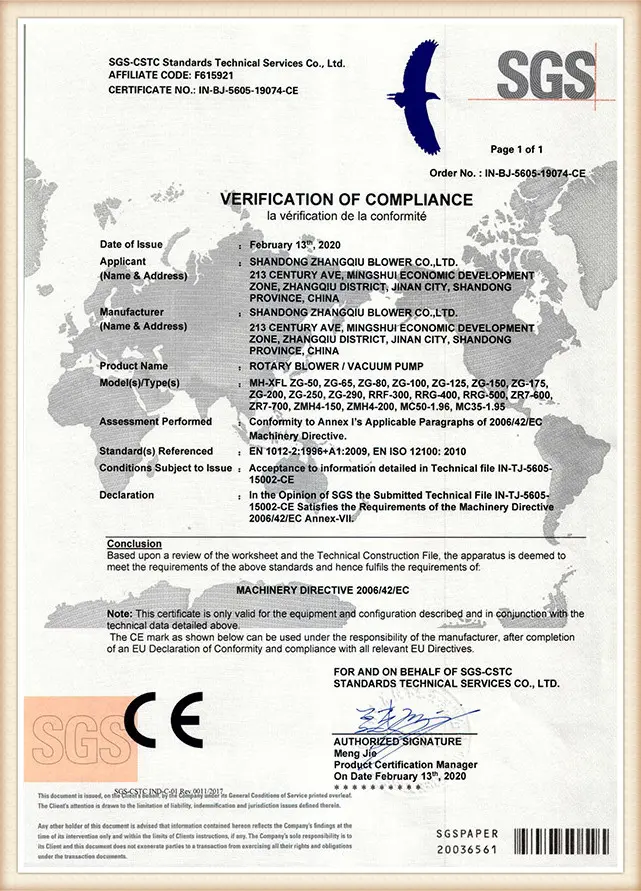
Every pump and blower is subjected to rigorous dynamic balancing and pressure testing. Our CNC machining centers and coordinate measuring machines inspect critical tolerance areas down to the micron level, helping to prevent shaft misalignment and seal failure under load.

Technical insights into thermal energy pump configuration, maintenance, and fluid dynamics.
Explore our premium range of high-efficiency direct-drive turbo blowers, magnetic suspension technologies, and specialized slurry pump designs.
 Zhangqiu