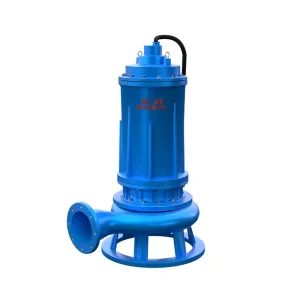
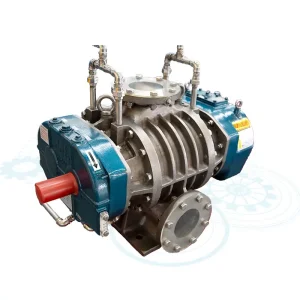
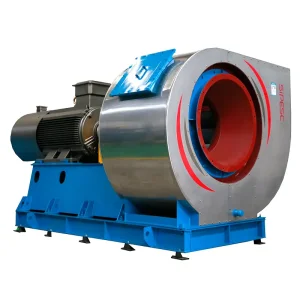
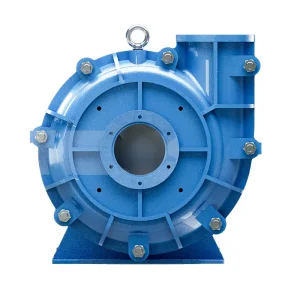
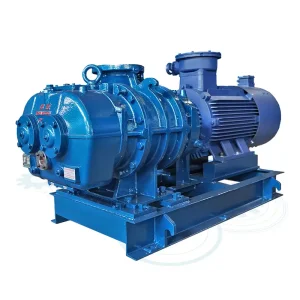
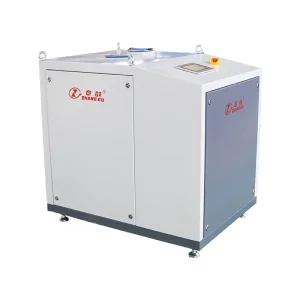
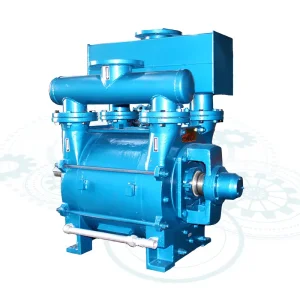
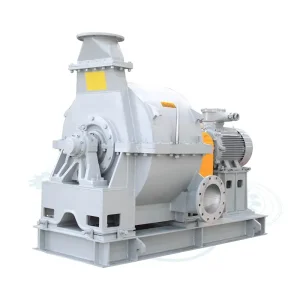
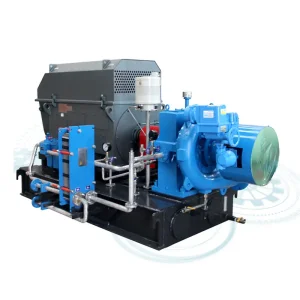
High-performance processing machinery engineered to withstand highly abrasive and corrosive materials.
New Zealand's heavy industries operate in highly challenging geological and environmental landscapes. From the rugged gold fields of the Otago and West Coast regions to the massive titanomagnetite iron sand extraction sites along the coastline of Waikato (Taharoa), the demands placed on mechanical systems are extreme. Slurry handling in these environments is not a standard municipal pumping task. It requires robust machinery that can withstand high concentrations of abrasive solids, varying specific gravity levels, and highly corrosive carrier fluids.
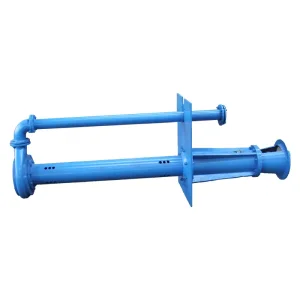
Furthermore, New Zealand's strict regulatory frameworks for environmental conservation (Resource Management Act) necessitate zero-spill operations and containment strategies. Standard surface-mounted slurry pumps often encounter priming challenges, suction line airlocks, and space constraints in deep sumps or open-pit mining environments. The solution lies in high-integrity, heavy-duty submersible slurry pumps designed to operate fully submerged, eliminating priming issues and maximizing system efficiency.
Whether handling alluvial gravels, mine tailings, bentonite slurry in civil tunneling projects in Auckland, or processing waste in the agricultural and dairy centers of Canterbury, choosing a pump built with advanced metallurgy and specialized hydraulic design is critical for minimizing downtime and maintaining a low Total Cost of Ownership (TCO).
Based on simulated abrasive testing at 1500 RPM with sand/water slurry (solid concentration 40% by volume).
Pumping slurry requires an understanding of fluid dynamics, particularly the transition between settling and non-settling mixtures. When designing or importing a submersible slurry pump for New Zealand applications, several engineering variables must be precisely calculated:
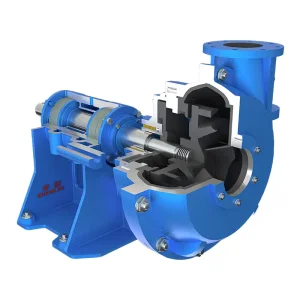
By utilizing computational fluid dynamics (CFD) software alongside real-world performance tests, we optimize the impeller vanes of our pumps to minimize turbulence. This reduces localized high-velocity impact wear points, extending the life of the pump's wet end components compared to standard castings.
For submersible pumps, shaft sealing is the most critical element for reliability. In slurry pumps, the seal must withstand extreme hydraulic pressures and abrasive grit.
Over 50 years of manufacturing excellence, innovation, and global supply capability.
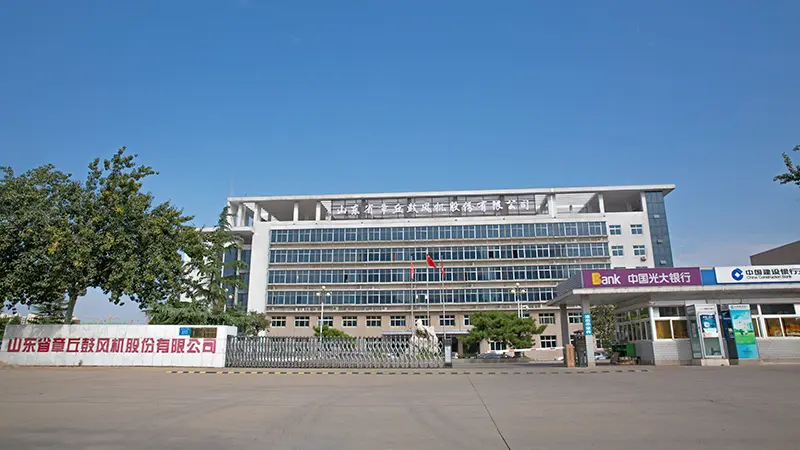
Shandong Zhangqiu Blower Co., Ltd. (formerly known as Shandong Zhangqiu Blower Works) is a leading industrial machinery company with over 50 years of experience in blower and pump design, manufacture, and engineering. We have established two Sino-Japanese joint ventures and a USA branch, making us the first company in China's blower industry to establish an overseas presence. As a key enterprise in the domestic market, we have consistently ranked at the forefront of the industry.
Our global development strategy focuses on "Developing main business, pioneering new fields and innovating, cooperating to be a great company," guided by the working concept "Do the best." Our modern facility designs, manufactures, and supports a comprehensive product line that includes Roots Blowers, Centrifugal Blowers, Industrial Fans, Slurry and Industrial Pumps, Pneumatic Conveying Systems, MVR Evaporation and Crystallization Systems, and Wastewater Treatment solutions.
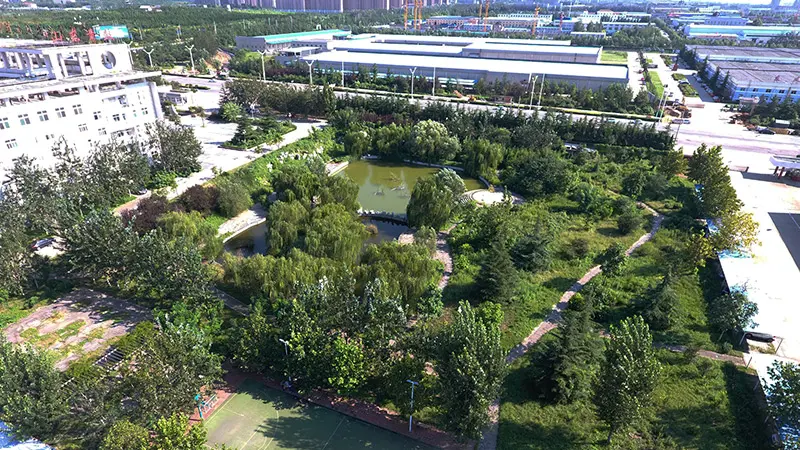
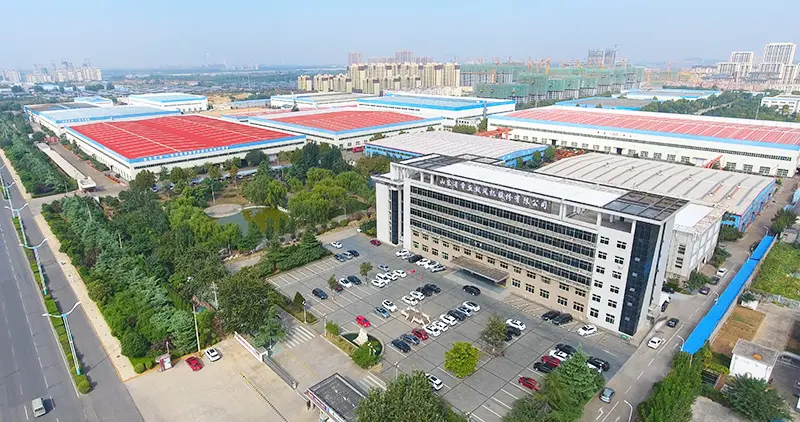
In 2005, the company relocated to a modern, high-standard industrial park covering an area of 430,000 m². This facility provides ample space for large-scale production, precision machining, and testing, supporting our work with international partners.
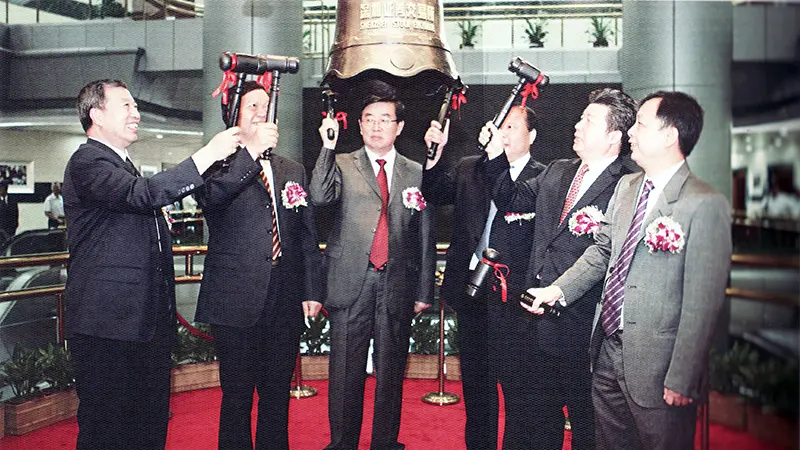
On July 7th, 2011, Shandong Zhangqiu Blower Co., Ltd. was listed on the Shenzhen Stock Exchange (Stock Code: 002598). By 2020, the parent company realized an operating income of 1.5 billion yuan and a profit of 150 million yuan. Today, the company oversees 20 holding companies and operates four manufacturing bases across China (Jiangsu Wuxi, Guangdong Dongguan, Hunan Chenzhou, Gansu Jinchang), alongside R&D centers in Beijing, Shanghai, Shijiazhuang, and Wuxi.
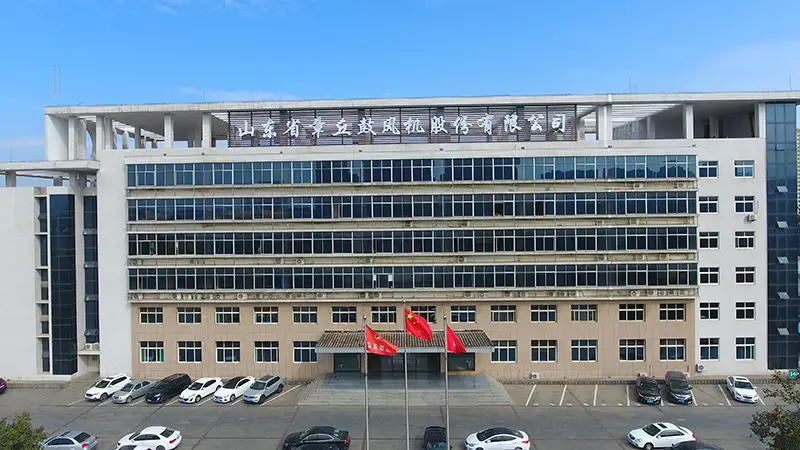
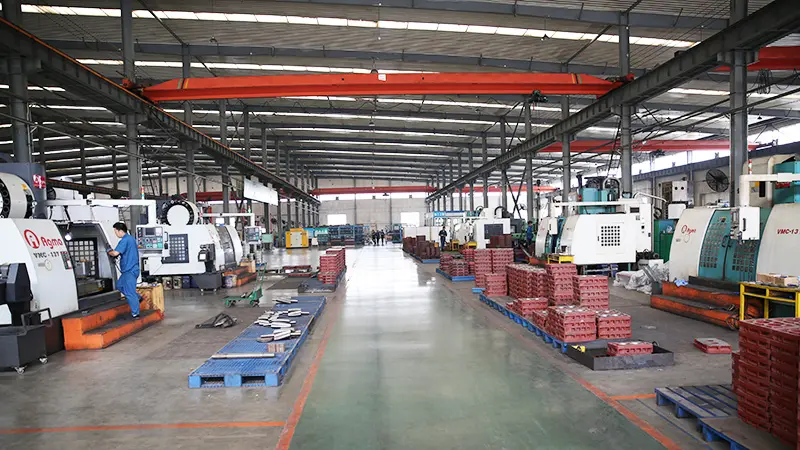
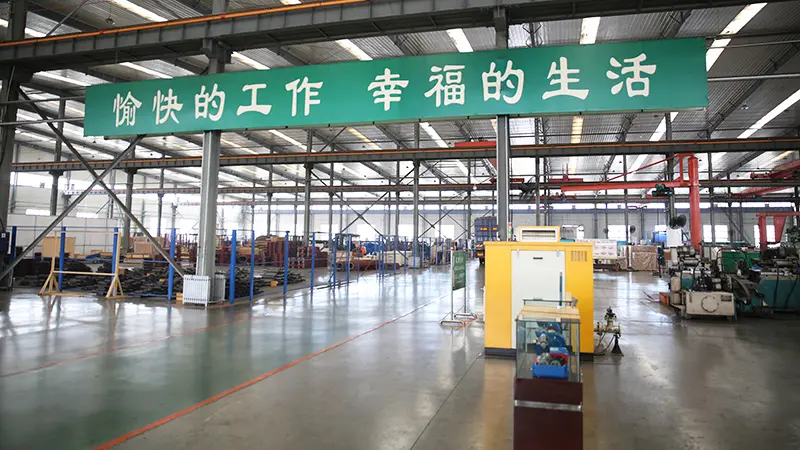
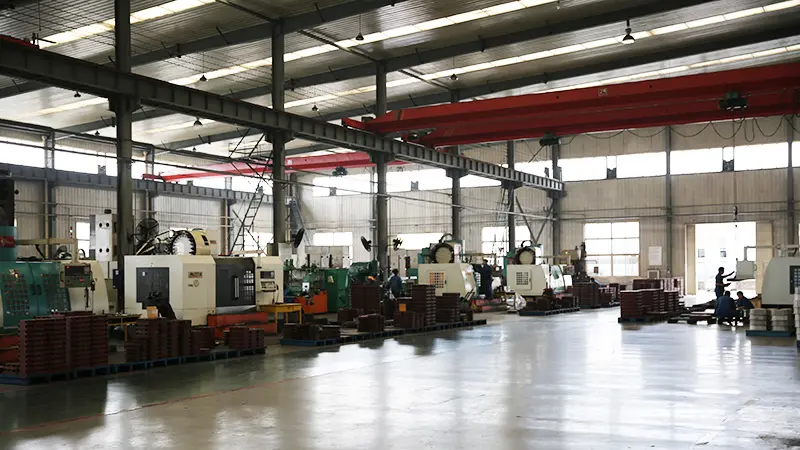
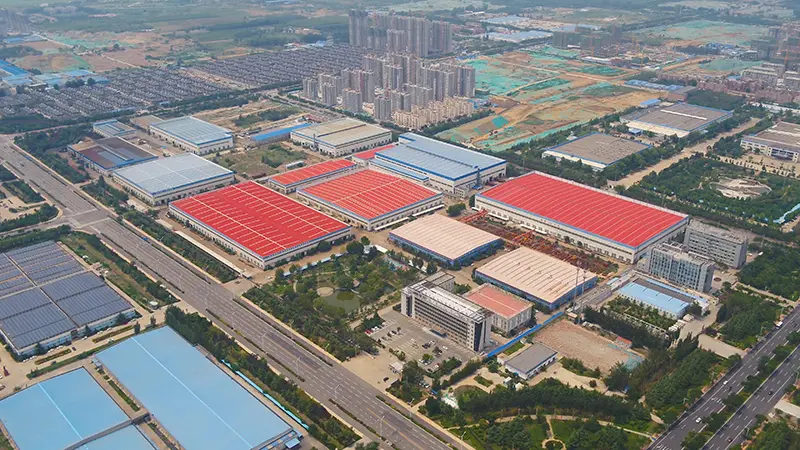
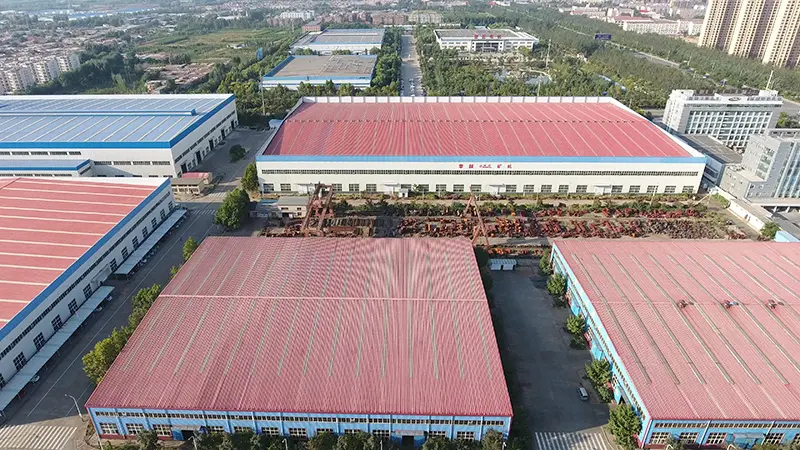
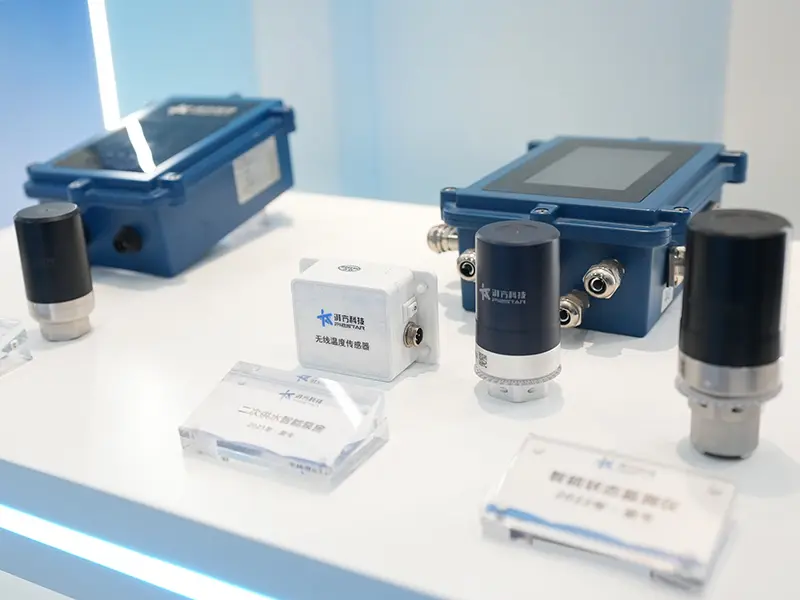
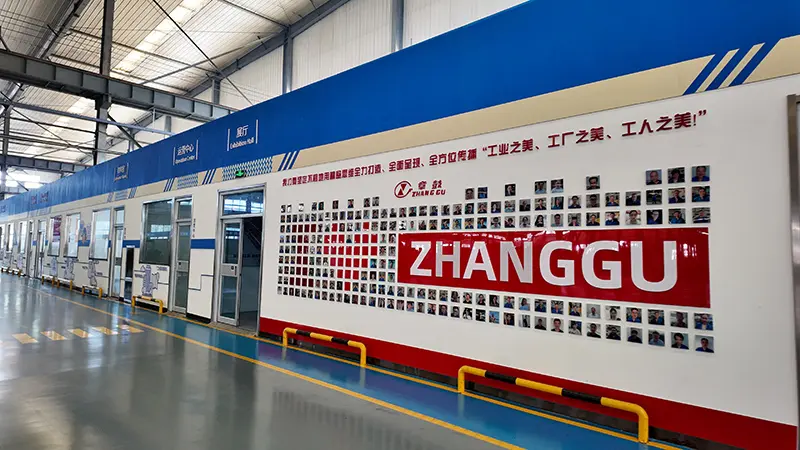
The company has developed several proprietary technologies, including countercurrent cooling, fan noise reduction, wear-resistant impellers, two-stage tandem configurations, automated controls, specialized seals, and grease lubrication systems. We hold 69 patents, including 5 invention patents, and 2 registered copyrights.
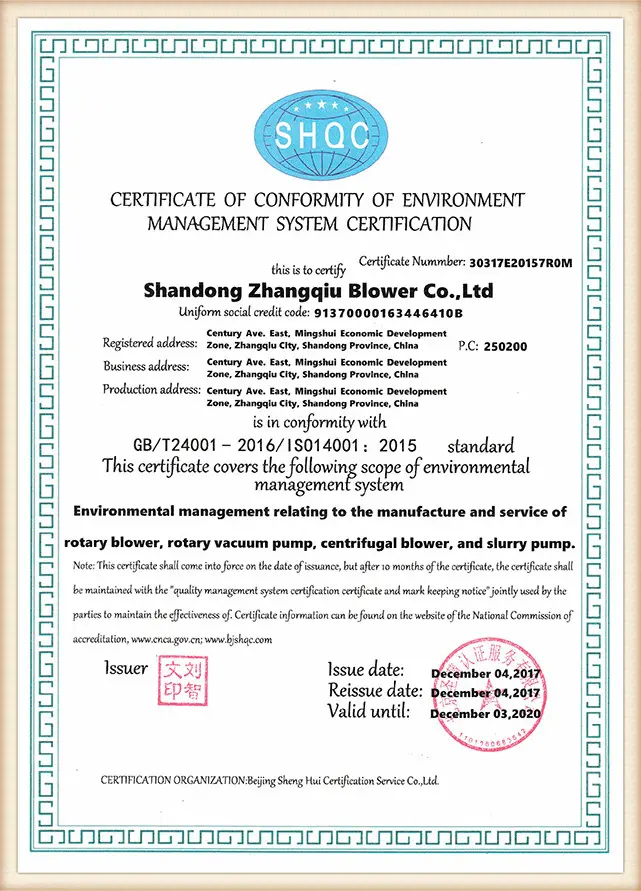
Certified under ISO9001 (Quality Management), ISO14001 (Environmental Management), ISO50001 (Energy Management), and ISO10012 (Measurement Management), our products meet international standards. Relevant models hold safety marks for mining applications, CE certification, and energy efficiency certification.
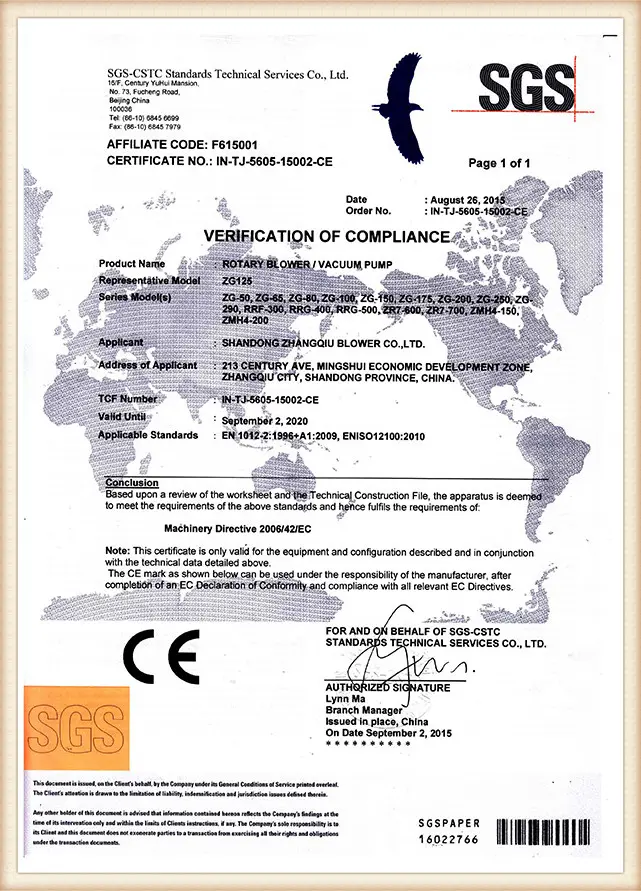
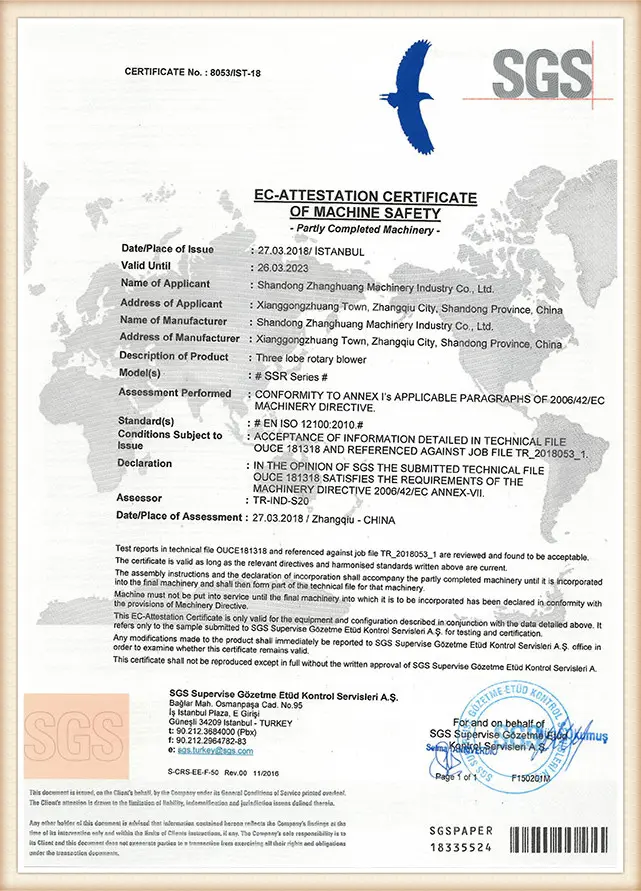
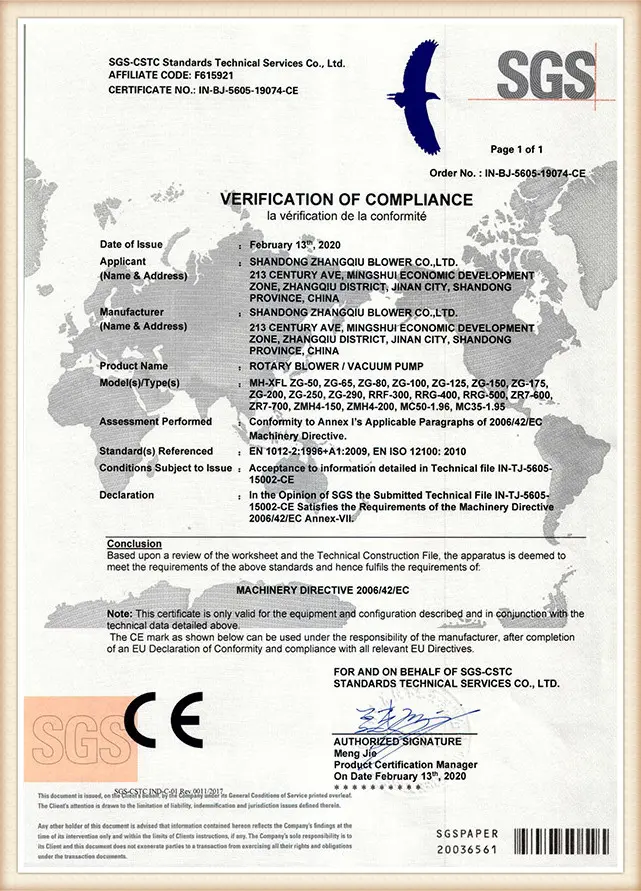
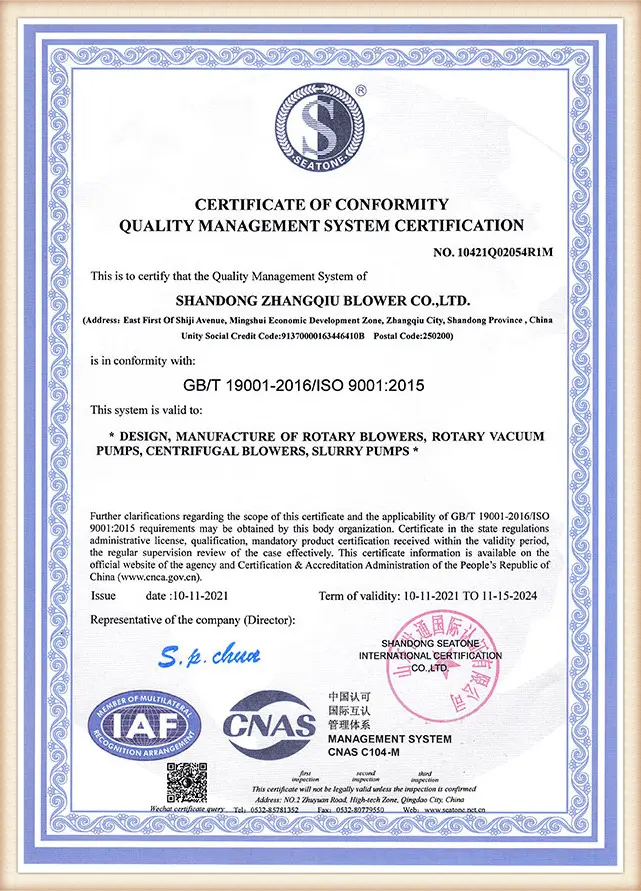

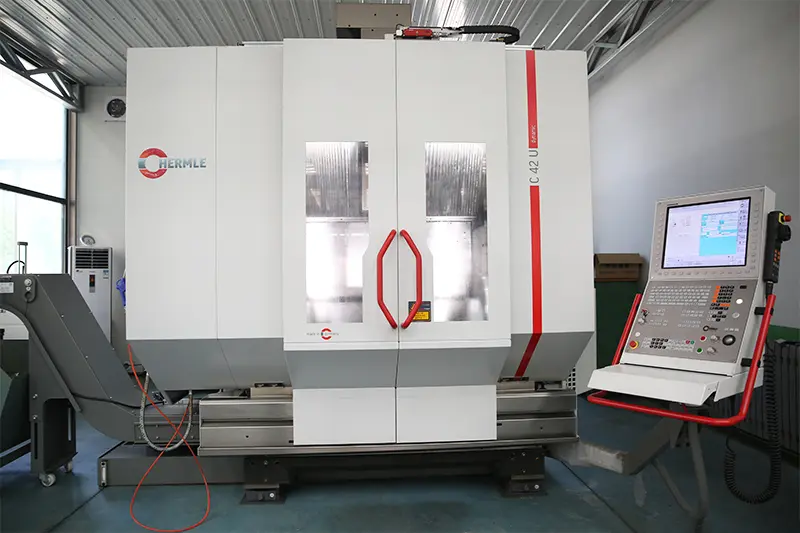
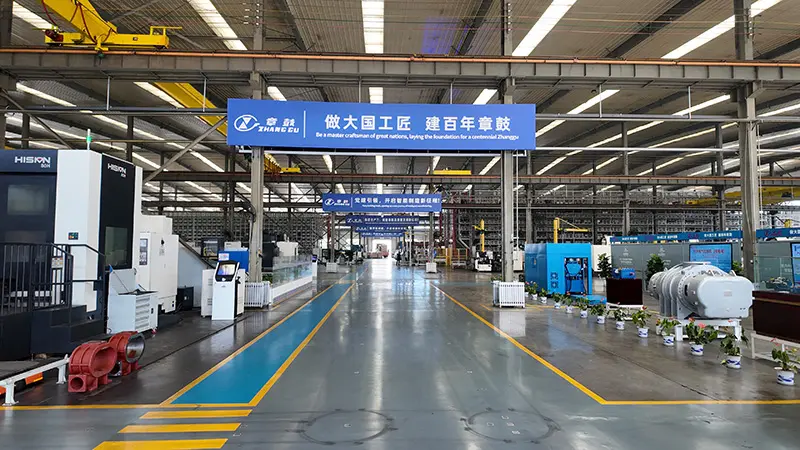
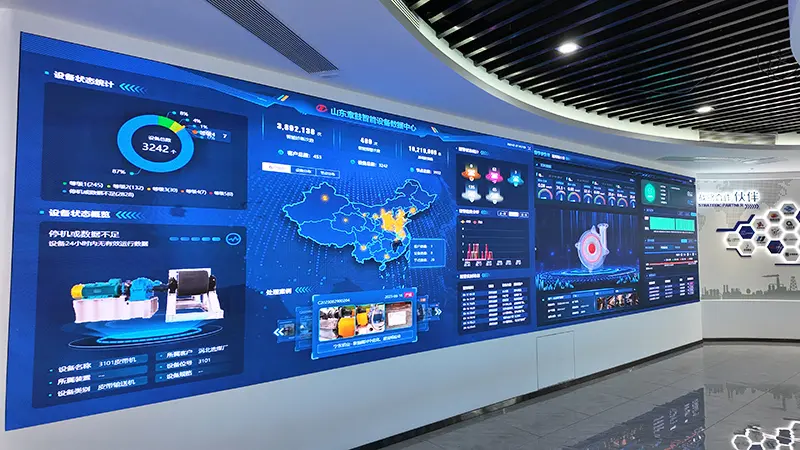
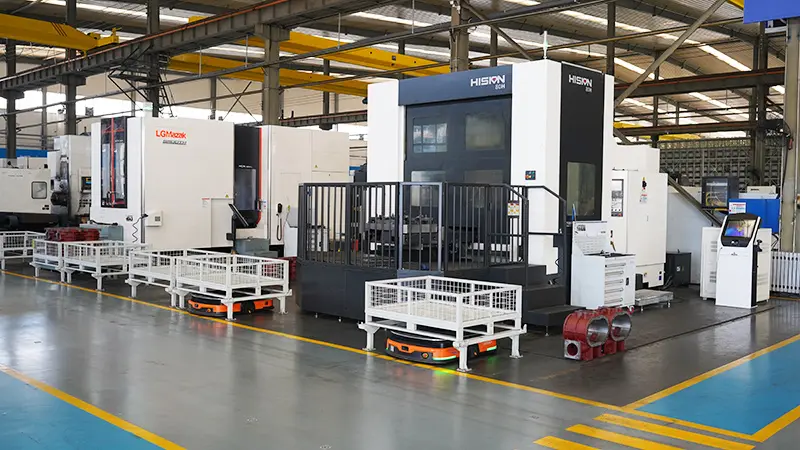
Our processing and testing facilities include nearly 100 sets of advanced machinery, such as CNC machining centers, five-axis machining centers, coordinate measuring instruments, and ultrasonic flaw detectors imported from Japan and Germany.
We utilize Product Lifecycle Management (PLM), Computer-Aided Design (CAD), Computer-Aided Manufacturing (CAM), Computer-Aided Process Planning (CAPP), and Computer-Aided Testing (CAT) systems to streamline engineering design, shorten production lead times, and maintain manufacturing tolerances for high-wear pump assemblies.
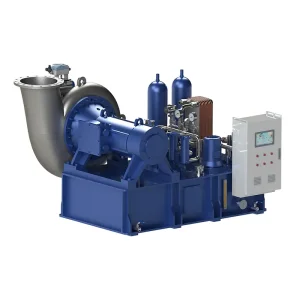
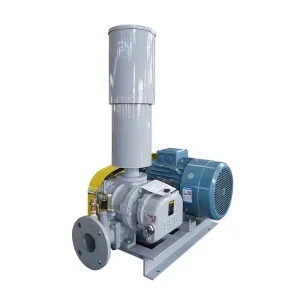
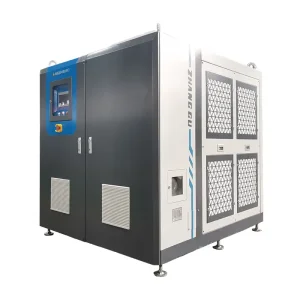
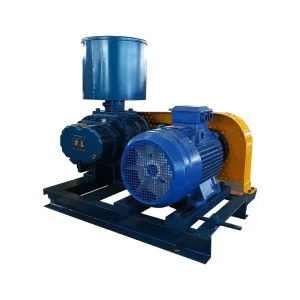
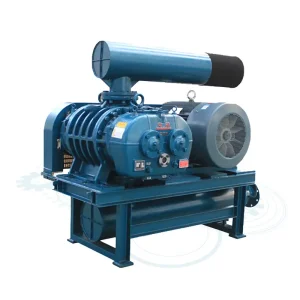
High-efficiency systems for environmental control, aeration, and process compression in the New Zealand region.
As a drafting unit of China's national standards for Roots blowers and an executive director unit of the China General Machinery Industry Association, we support engineering operations in over 50 countries. Our product portfolio serves municipal, mineral processing, and thermal processing industries.
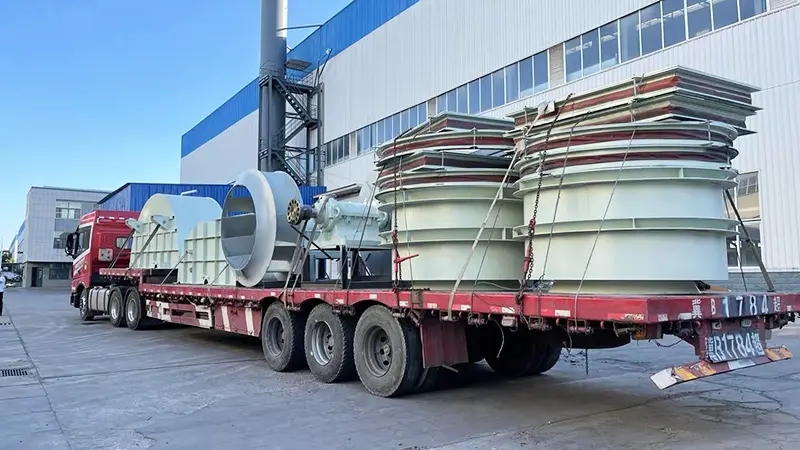
Our engineering capabilities extend from equipment manufacturing to system design, installation, commissioning, and after-sales support. We deliver turnkey pneumatic conveying installations, MVR thermal evaporation and crystallization complexes, and environmental water treatment systems for municipal and heavy industrial applications.
We collaborate with technical institutions including Tsinghua University, Xi'an Jiaotong University, the China University of Mining and Technology, and Shandong University to support our R&D efforts.
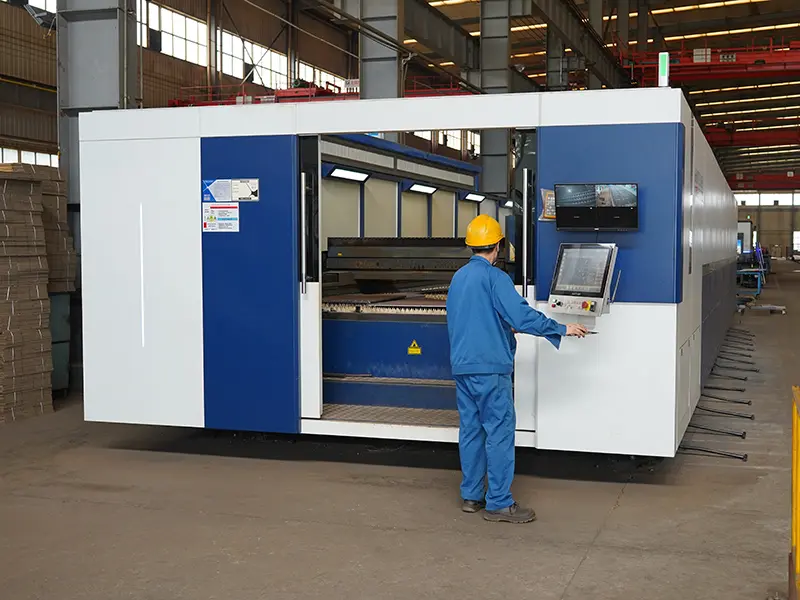
To coordinate with international markets, we operate a specialized foreign trade division and a branch in the United States. Our export footprint spans over 70 countries and regions, including the United States, Germany, Italy, and Australia.
Our corporate structure integrates technical development, environmental protection systems, and advanced material research to support changing market requirements. Our focus on quality and support forms the basis for long-term customer relationships.
Under our operational approach "Do it, do the best," we maintain dedicated design and engineering teams to support customer projects. We provide 3D CAD drawing evaluations within 24 hours to help match equipment selections to project requirements.
Our engineering teams assist with fluid calculations, mechanical seals, wear-life estimation, and selection optimization. Standard testing reports verified by independent third parties are available upon request.

Answers to key technical questions on slurry pump selection, installation, and operation.
High-efficiency systems for environmental control, aeration, and process compression in the New Zealand region.
 Zhangqiu